

Executive Overview
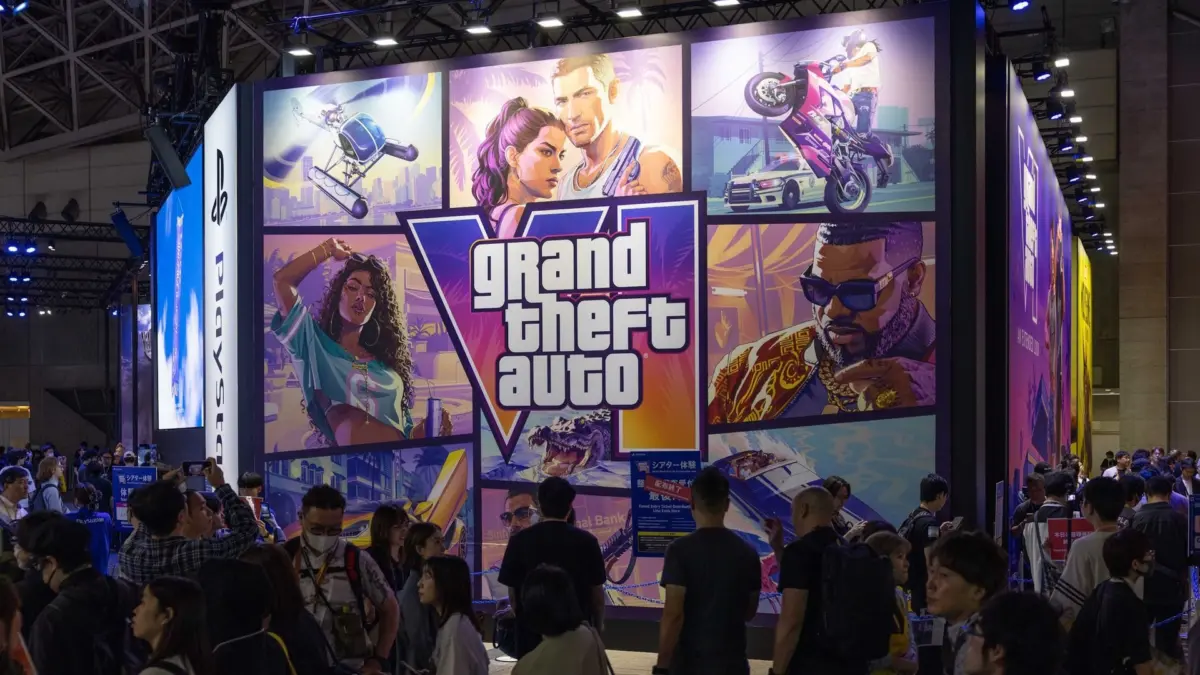
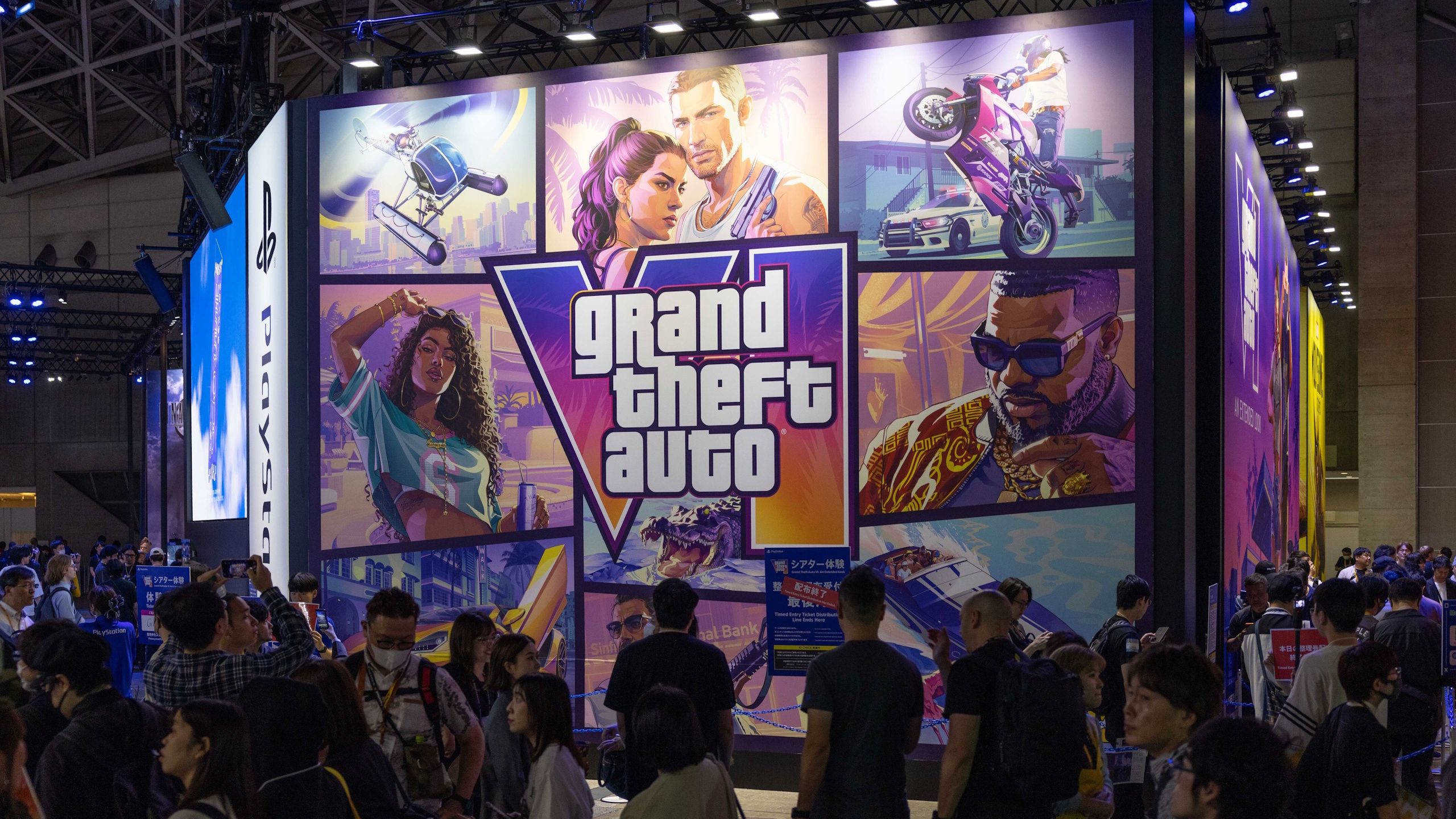
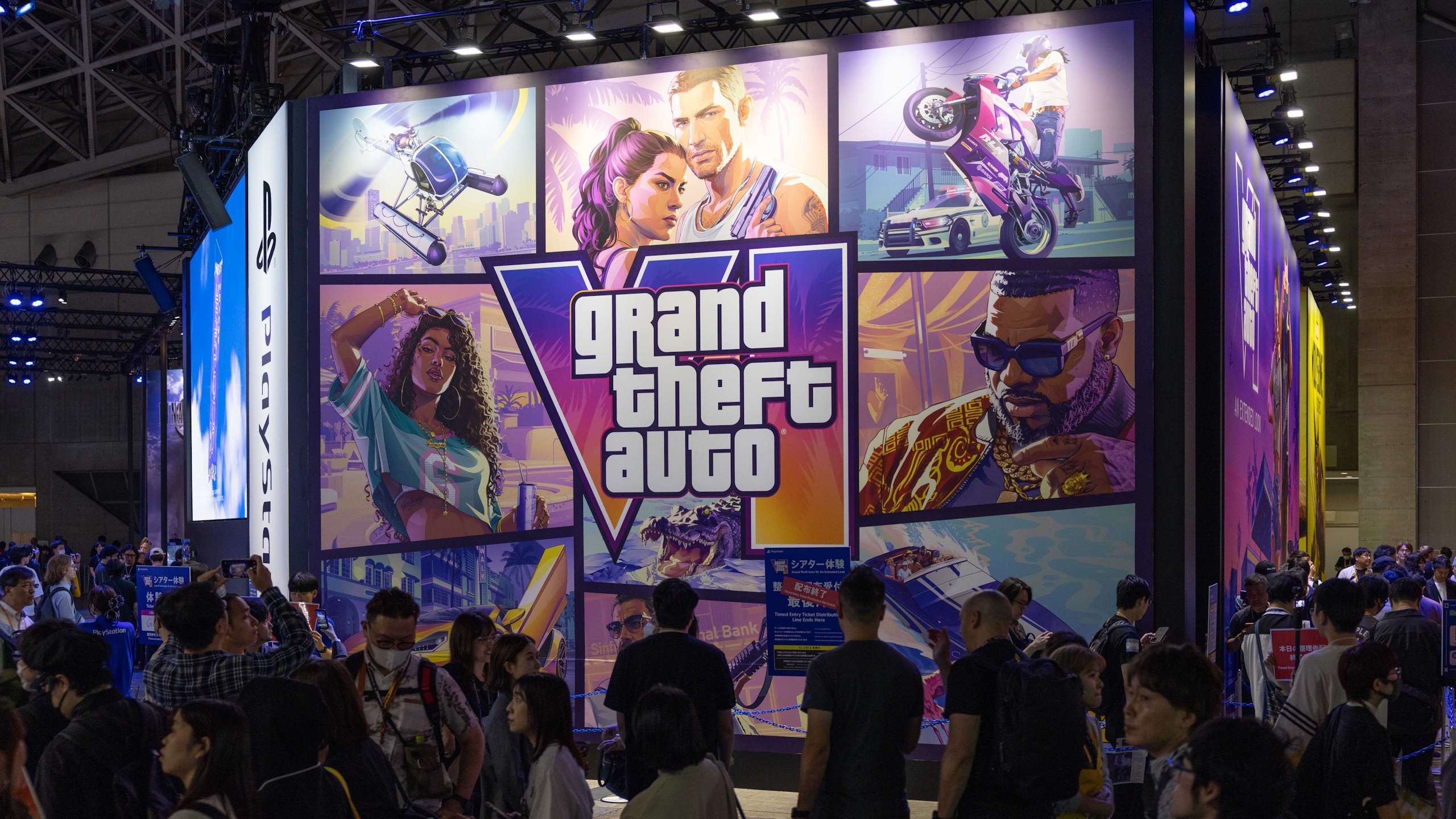
As the video game industry marches toward the monumental, long-awaited console release of Grand Theft Auto 6 (GTA 6), developers Rockstar Games and publisher Take-Two Interactive have unleashed an unprecedented, high-octane global marketing blitz. Because the fictional, sun-soaked state of Leonida and its sprawling metropolis, Vice City, are direct pastiches of Miami and the broader expanse of Florida, the marketing campaign has naturally leaned heavily into real-world geographic synergy.
However, translating a notoriously anarchic, satirical, and crime-fueled video game franchise into physical promotions across the very streets that inspired it has not been a friction-free endeavor. The promotional rollout has ignited a fascinating culture clash between local municipal governance, private business interests, and law enforcement.
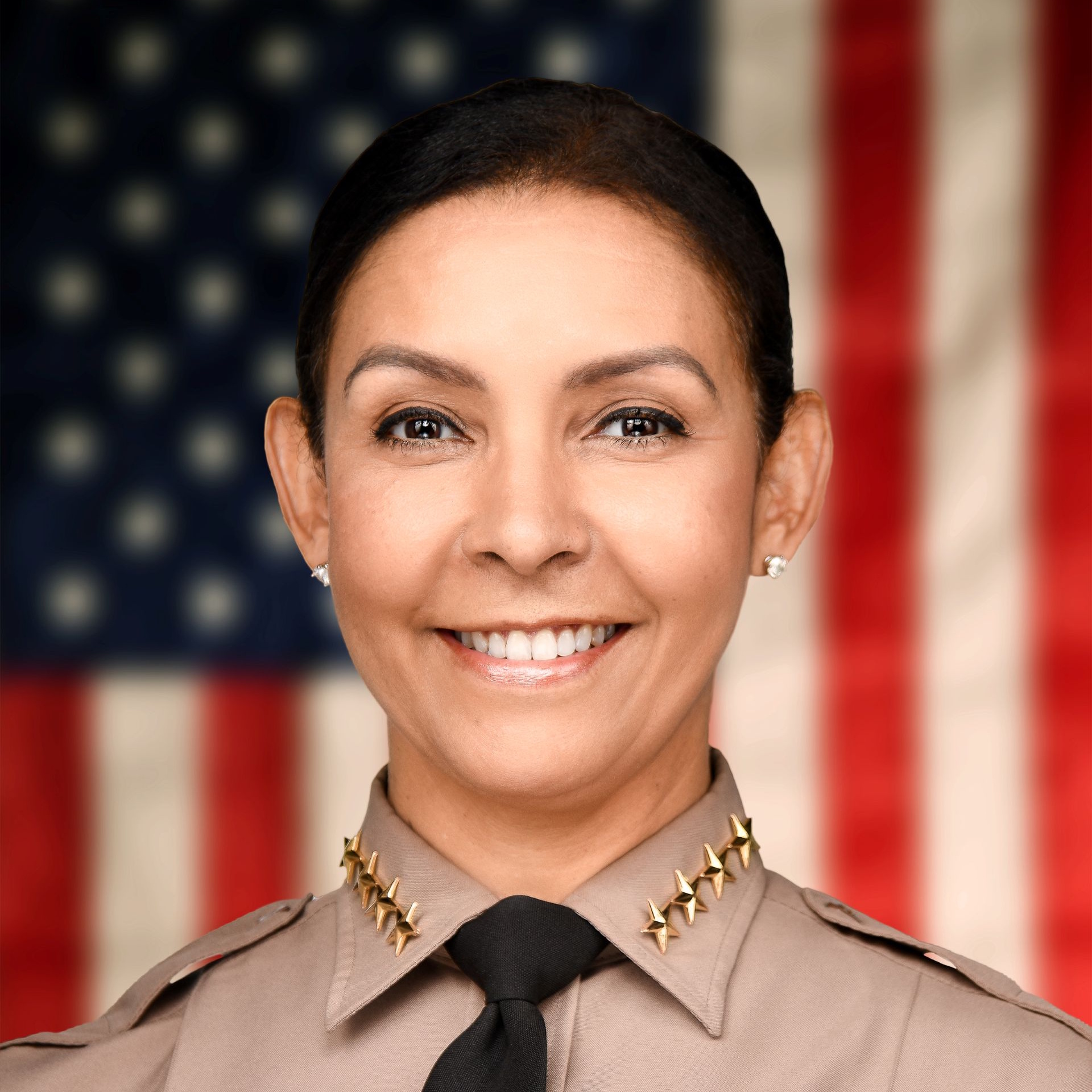
At the center of this localized storm stood Miami-Dade Sheriff Rosie Cordero-Stutz, who initially drew a hard line in the sand against any public association with the franchise, citing its core pillars of criminality, violence, and police hostility. Yet, as the weeks have unfolded, a pragmatic distinction has emerged. While municipal and public transit assets remain officially shielded from the GTA 6 aura, private commercial entities—ranging from high-profile beachfront hospitality operators to iconic professional sports franchises—have eagerly embraced the Vice City aesthetic. This article explores the anatomy of this public relations clash, the fine line between public infrastructure and private enterprise, and the broader cultural maturation of how society handles Rockstar’s provocative artistic output.
Detailed Chronology: From First Sparks to Full-Scale Rebranding
The friction between the authorities of South Florida and the marketing juggernaut behind Grand Theft Auto 6 did not materialize overnight. It evolved through a distinct sequence of events that highlighted the tension between civic image-making and corporate promotional muscle.
September: The Initial Clash and Municipal Approvals
As the countdown to GTA 6 accelerated, rumors and formal proposals regarding high-profile real-world collaborations leaked into the public sphere. Rockstar and Take-Two sought to paint Miami with the brush of Vice City, proposing various activations across the city.
The pushback was swift. In mid-September, Miami-Dade Sheriff Rosie Cordero-Stutz stepped forward to publicly condemn a proposed collaboration that would utilize public facilities. Pointing to the franchise’s legacy of virtual lawlessness, she argued that public assets should not be leveraged to market a product defined by acts that local officers fight tirelessly to prevent.
Simultaneously, however, local civilian governance took a decidedly different pragmatic approach. The City of Miami Beach convened to vote on whether to permit a "discreet" promotional campaign managed by the Boucher Brothers, a prominent local hospitality management company. Despite concerns from traditionalist corners, commissioners voted overwhelmingly in favor, famously prompting Commissioner Monica Matteo-Salinas to quip during the deliberations: "We’re not giving away pistols and cocaine to people." Under this approved framework, GTA 6 branding would find a home on items like beach umbrellas and lounge chairs rather than municipal masonry.
October: The Takeover of the Kaseya Center and the NBA
If the beach chair campaign represented a discreet toe in the water, October blew the doors entirely off the strategy. Downtown Miami’s premier arena, the Kaseya Center—home to the NBA’s storied Miami Heat—became a massive canvas for Rockstar’s marketing wing.
Workers erected a colossal "Welcome to Vice City" sign across the arena’s roof, perfectly positioned to capture the attention of thousands of travelers flying into Miami International Airport. The campaign reached its zenith when the Miami Heat officially partnered in the "Night in Vice City" promotional blitz, a high-profile, one-night-only takeover that rebranded the arena and team iconography in unmistakable neon-soaked GTA livery.
What could have been a diplomatic crisis between the city’s leadership and the gaming publisher instead morphed into a celebration of pop-culture synergy, proving that when corporate sports entertainment and multi-billion-dollar gaming giants align, local anxieties often take a backseat to economic and cultural excitement.
Supporting Context & Metrics: The Scale of the GTA 6 Phenomenon
To understand why Miami-Dade officials and business leaders were forced to grapple with this dilemma, one must look at the sheer economic and cultural footprint of the Grand Theft Auto franchise.
- A Multi-Billion Dollar Colossus: Its predecessor, Grand Theft Auto V, stands as one of the most financially successful entertainment products in human history, generating billions of dollars and selling well over 190 million copies worldwide.
- The Cultural Gravity of Vice City: The original 2002 release of Grand Theft Auto: Vice City permanently fused Miami’s real-world identity in the global consciousness with neon lights, 1980s synth-pop, and cinematic underworld syndicates. For a generation of gamers, Miami is Vice City.
- Tourism and Pop Culture: While civic leaders have historically worried about the negative connotations of drug cartels and carjackings, tourism boards secretly recognize the undeniable allure that pop culture media exerts on travelers, who routinely flock to real-world locations popularized by film, television, and interactive entertainment.
- The Evolution of the Jack Thompson Era: Industry veterans will recall the early 2000s—typified by firebrand attorney Jack Thompson—when violent video games were routinely blamed for societal ills in hyperbolic fashion. Today, the dialogue has shifted remarkably. While concerns are still raised, law enforcement and local government officials appear far more capable of distinguishing between artistic fiction and real-world civic safety.
Official Statements and the Public-Private Divide
The most revealing aspect of the entire saga lies in how the Miami-Dade Sheriff’s Office deftly recalibrated its stance as the private sector steamrolled ahead. Confronted with the massive Kaseya Center takeover and the Miami Heat’s enthusiastic partnership, the Sheriff’s Department clarified its initial condemnation.
In a formal statement provided to gaming publication PC Gamer, a departmental representative clarified:
"Sheriff Cordero-Stutz’s comments focused on the proposed use of publicly owned facilities and infrastructure, including public transportation, transit stations, and Miami International Airport, to promote Grand Theft Auto 6. Her concerns addressed the message conveyed through the use of these public assets. Those comments were not directed at promotional decisions by private businesses or organizations."
This distinction—drawing a rigid boundary between public infrastructure (taxpayer-funded spaces) and private commerce (arenas, basketball teams, and private hospitality firms)—allowed the Sheriff to maintain a principled stance on law and order without legally or politically overreaching into the free-market decisions of private enterprises.
While critics might argue that the distinction is semantically flimsy—given that a tourist stepping off a flight at Miami International Airport can look out the window and immediately spot a giant "Welcome to Vice City" banner on a private downtown arena—it represents a pragmatic legal and political compromise. It satisfies the letter of civic responsibility while allowing the free market to reap the immense economic benefits of global brand synergy.
Future Outlook: A New Paradigm for Gaming Marketing
As Grand Theft Auto 6 draws closer to its definitive launch date, the events in Miami-Dade County serve as a fascinating case study for how modern entertainment properties integrate with physical geography.
Gone are the days when municipal governments would outright ban or attempt to censor the existence of provocative video games within their city limits. Instead, a sophisticated dance of negotiation, boundary-setting, and commercial opportunism has taken hold.
For Rockstar Games and Take-Two Interactive, the ability to paint Miami with the colors of Vice City—even if mediated through private partners like the Boucher Brothers and the Kaseya Center—represents an ultimate triumph of immersive marketing. For Miami, it is a testament to the city’s unique cultural magnetism, proving that even a city built on real-world law enforcement can successfully share the spotlight with its virtual, chaotic twin.







Belum ada komentar. Jadilah yang pertama berkomentar!