

Executive Overview
The landscape of the action role-playing game (ARPG) genre is undergoing a tectonic shift, and at the epicenter is Path of Exile 2. Following the monumental success of the Return of the Ancients update—an expansion widely credited with redefining the high-water mark for isometric dungeon-crawling and mechanical depth—developer Grinding Gear Games (GGG) is showing no signs of slowing down. As the community eagerly anticipates the fully fledged version 1.0 release slated for December 11, GGG has announced a strategic stopgap: a brand-new mini-league titled Forbidden Rites.
Launching on September 4, the 0.5.5 event league is designed not to radically overhaul the meta with sweeping, game-breaking balance adjustments, but rather to refine the player experience, introduce engaging mechanical twists to the core campaign, and fundamentally overhaul one of the most polarizing endgame activities in the game’s history.
While some veteran players have expressed mild disappointment over the absence of major balance shifts—which GGG has explicitly reserved for the December 1.0 launch—Forbidden Rites serves as a vital playground. It accelerates endgame progression, integrates beloved mechanics like Expedition into the core game, breathes new life into the dreaded Trial of Chaos, and gives players the perfect environment to experiment with underutilized builds, such as the freshly showcased Duelist class. This report provides a detailed breakdown of what to expect from the upcoming event league, analyzes the structural changes to core systems, and evaluates the strategic risks and rewards of GGG’s development roadmap as the title marches toward its official release.
Detailed Chronology: From Return of the Ancients to Forbidden Rites
To understand the context of the Forbidden Rites event league, one must examine the rapid trajectory of Path of Exile 2’s development cycle.
- The Return of the Ancients Milestone: Earlier this year, Grinding Gear Games rolled out Return of the Ancients, an update that fundamentally reshaped the community perception of Path of Exile 2. Critics and players alike noted that the update resolved many of the pacing and responsiveness issues that plagued earlier testing phases. The game transitioned from feeling like a rigid, overly punishing tactical simulator into a fluid, responsive, and deeply rewarding action RPG that commanded hundreds of hours of playtime.
- The Gap Before Version 1.0: With the foundational systems largely cemented and the community clamoring for more content, GGG faced a common live-service dilemma: how to keep players engaged during the months leading up to the massive December 1.0 launch without deploying a full-scale expansion that could destabilize the upcoming release build.
- The Announcement of Event League 0.5.5: Addressing this demand, GGG officially detailed the Forbidden Rites mini-league. Eschewing the traditional route of introducing a entirely new, highly complex league mechanic alongside thousands of line-item balance changes, the development team opted for a targeted, quality-of-life-focused event.
- September 4 Launch and Beyond: Set to go live globally on September 4, Forbidden Rites bridges the gap between the current state of the game and the winter 1.0 release. It introduces campaign-level Ritual altars, an entirely reworked Trial of Chaos progression system, accelerated endgame map access, and the official integration of Expedition mechanics into the baseline game, all while paving the way for a meta-defining final launch later in the year.
Supporting Context & Metrics: Unpacking the Mechanics of Forbidden Rites
While Forbidden Rites is classified as a "mini-league," the systemic adjustments it brings to the table are anything but minor. Grinding Gear Games has systematically targeted pain points that have frustrated players since the early phases of Path of Exile 2 testing.
1. Campaign-Level Ritual Altars
In previous iterations, the Ritual mechanic—where players defend glowing altars against waves of encroaching monsters to siphon their souls and claim randomized loot—was strictly confined to the endgame. Forbidden Rites introduces these altars directly into the core campaign.
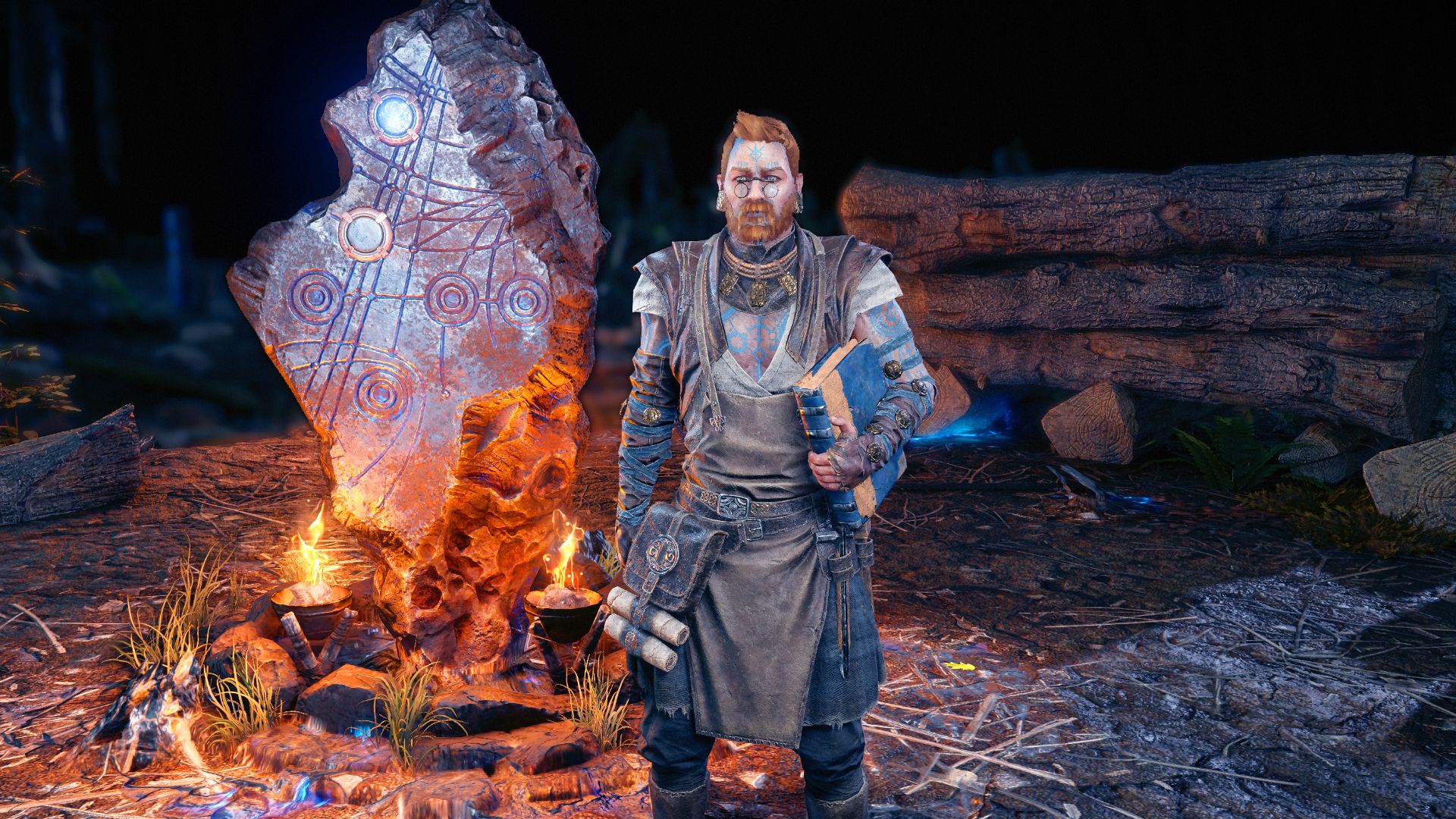
- The Gameplay Loop: As players progress through the main story zones, they will occasionally encounter Ritual altars. Activating them initiates high-intensity wave defense combat.
- High-Risk Encounters: True to the spirit of the franchise, certain campaign altars will scale the difficulty dramatically, summoning formidable bosses—such as the iconic stone-pillar-wielding gorilla—directly on top of regular encounters. Surviving these gauntlets yields valuable unique items early in the character’s lifecycle, drastically altering leveling efficiency and build diversity from the ground up.
2. The Trial of Chaos Overhaul
For many players, the Trial of Chaos was the single most avoided feature in Path of Exile 2. Previously described by community members as "an exercise in choosing how you want to be kicked in the stomach," the mode required players to clear sequential stages while stacking debilitating, run-ruining modifiers.
- The Pain Points: Modifiers included severe penalties such as a permanent 40% reduction to all defensive stats or suffocating bloody tendrils that rooted players in place while endless hordes swarmed the arena. The sheer frustration often outweighed the rewards, alienating players attempting to unlock their Ascendancy classes (the game’s specialized subclasses).
- The Forbidden Rites Solution: GGG has completely recalibrated this activity. In the new event league, modifiers will no longer start at maximum hostility. Instead, they scale progressively and now grant tangible, quantifiable bonuses to item rarity and quality drop rates. Combined with quality-of-life adjustments that accelerate door-opening animations and shorten the downtime between combat rounds, the Trial of Chaos has been transformed from a punitive chore into a compelling, high-reward challenge.
3. Accelerated Endgame Progression and Core Integration
Progression velocity is another major focal point of the 0.5.5 update. Forbidden Rites actively speeds up the transition from the campaign into the endgame mapping system.
- Endgame Map Access: Players will find themselves exploring the endless world map significantly earlier than in standard leagues.
- Abyss Integration: Glowing green ravines will tear across the earth within maps, opening portals to Abyss-themed zones teeming with subterranean horrors.
- Expedition Goes Core: The Expedition mechanic—which tasks players with strategically placing explosive charges across archaeological sites to unearth buried artifacts and monsters—is now permanently integrated into the core game. Fans of tactical, planning-heavy combat loops will find this a welcome addition to standard mapping sessions.
Official Statements and Developer Philosophy
Grinding Gear Games has been remarkably transparent regarding the design philosophy behind Forbidden Rites and the strategic decision to hold off on sweeping balance changes until the 1.0 release on December 11.
In recent developer deep-dives and community forums, GGG representatives emphasized that altering interconnected combat systems, passive skill trees, and skill balance twice within a three-month window introduces unnecessary volatility. By freezing the current balance meta for the Forbidden Rites event, the studio ensures that players can rely on established strategies and verified builds without fearing sudden, disruptive nerfs mid-event.
Furthermore, GGG highlighted that the event league is intended as a sandbox for experimentation. With the newly detailed Duelist class receiving extensive spotlight coverage ahead of the launch, the development team encourages the community to step outside their comfort zones. For players who have spent hundreds of hours mastering spellcasting and ranged builds, Forbidden Rites provides a risk-free environment to explore melee combat mechanics, sword-based scaling, and physical damage mitigation ahead of the definitive 1.0 release.
Future Outlook: The Road to Version 1.0 and Beyond
As the Forbidden Rites event league prepares for its September 4 debut, the broader outlook for Path of Exile 2 remains exceptionally bright, albeit accompanied by a unique set of challenges.
The 1.0 Balancing Act
Reserving all sweeping balance changes for the December 11 version 1.0 release is a bold, calculated gamble. In a game characterized by an overwhelming number of interlocking systems—ranging from complex socket synergies and passive skill constellations to intricate crafting economies—leaving the meta completely untouched for the duration of a mini-league means that endgame theorycrafting will see limited novelty. Players already utilizing top-tier builds in the current patch will face zero friction retaining their dominance through September and October.
However, this stagnation in the meta is counterbalanced by the sheer volume of players expected to use the downtime to test alternative playstyles. As noted by long-time ARPG analysts, event leagues like Forbidden Rites function primarily as psychological decompression chambers for the player base—a place to blow off steam, test new character classes like the Duelist, and master newly reworked systems like the Trial of Chaos without the existential pressure of a fresh economy reset.
What Lies Ahead for ARPG Fans
The ultimate test for Grinding Gear Games will arrive this winter. When version 1.0 drops on December 11, it will need to synthesize the rapid-fire responsiveness of Return of the Ancients, the structural quality-of-life improvements introduced in Forbidden Rites, and a massive, comprehensive balance overhaul that satisfies both hardcore veterans and newcomers alike.
For now, the message from the developers is clear: jump in, test the boundaries of the reworked Trial of Chaos, farm those early campaign Ritual uniques, and master the art of the blade with the Duelist. Path of Exile 2 continues to raise the bar for the entire action RPG genre, and Forbidden Rites is the next essential chapter in its ongoing evolution.








Belum ada komentar. Jadilah yang pertama berkomentar!