Japanese convenience stores (konbini) occupy a unique, almost mythical space in global culinary culture. Among the giants of this retail landscape—Lawson, 7-Eleven, and FamilyMart—none command quite the same level of obsessive devotion for their hot-case offerings as FamilyMart does for its flagship product: the Famichiki.
As this iconic, golden-brown fried chicken cutlet marks its 20th anniversary since hitting store shelves, FamilyMart has pulled out all the stops to celebrate two decades of crunchy, juicy dominance. Among the myriad special releases, promotional merchandise, and limited-edition flavor collaborations, one product has captured the public’s imagination and left food critics scratching their heads: the Famichiki Flavor Noodle.
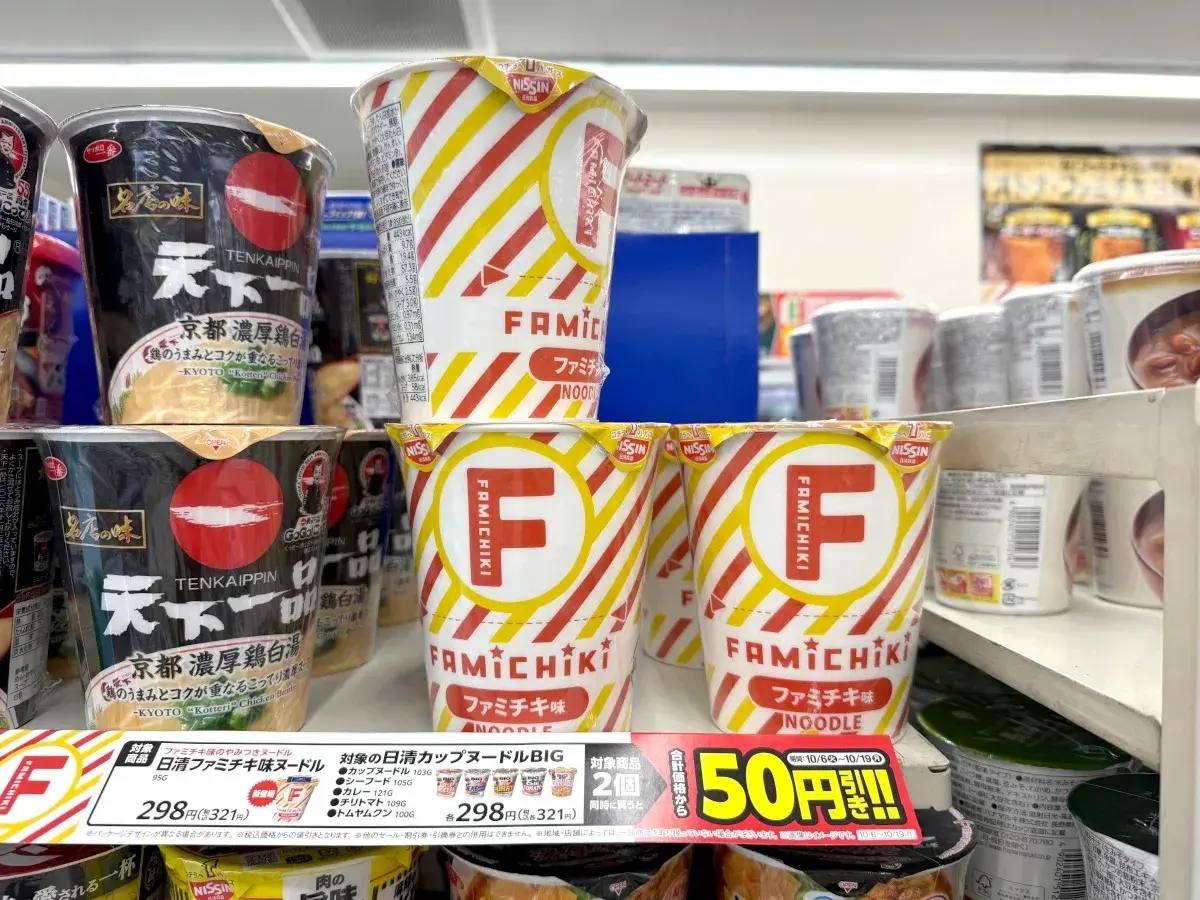
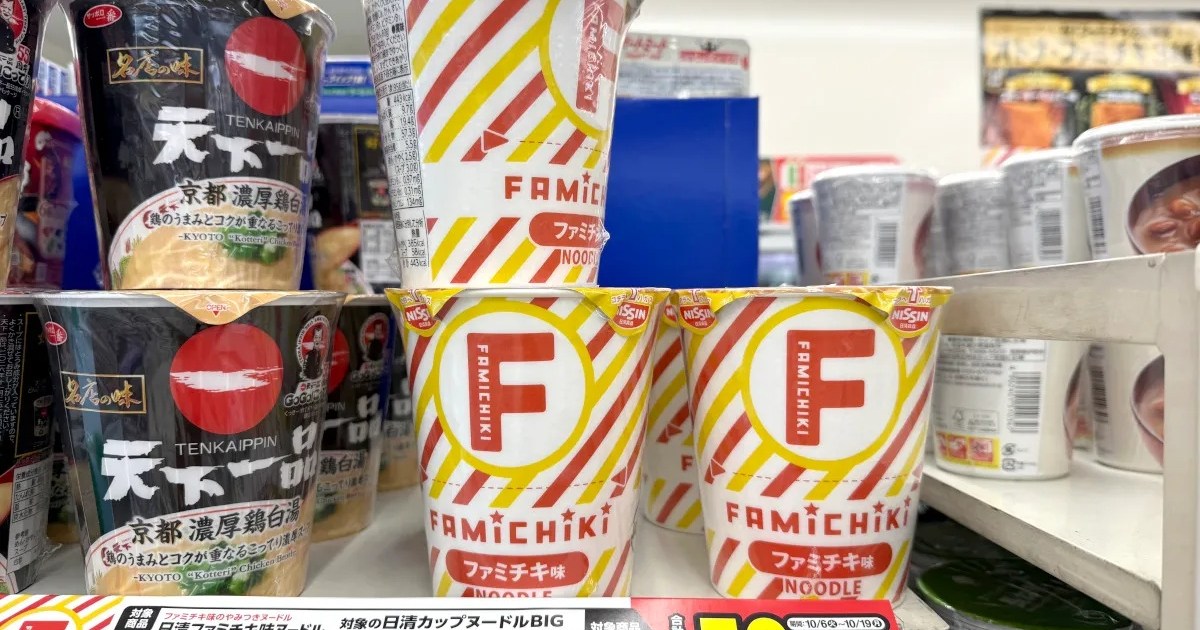
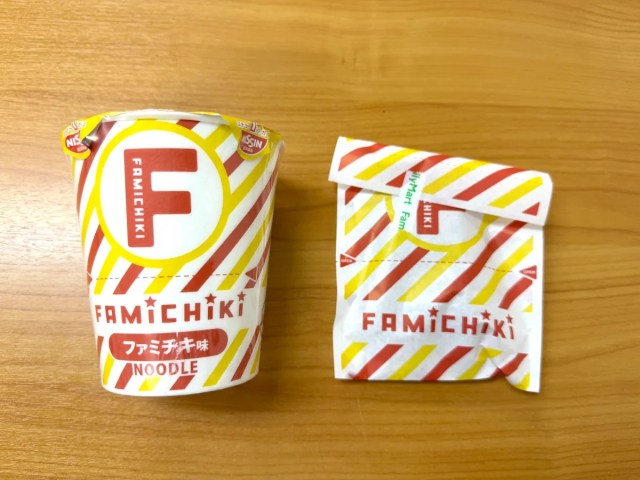
Retailing at 321 yen (approximately US$2.00), this instant cup ramen promises to deliver the rich, savory, umami-packed punch of a freshly fried Famichiki cutlet straight from the broth. There is, however, one glaring twist: the cup contains no actual chicken.
To determine whether this paradoxical product is a stroke of brilliant culinary engineering or merely a clever marketing gimmick, we dispatched our seasoned Tokyo-based food correspondent, P.K. Sanjun, to conduct a rigorous, back-to-back sensory evaluation. By pairing the steaming noodles with a fresh, counter-purchased piece of the real thing, we sought to answer the ultimate question: Can a bowl of instant ramen truly capture the essence of Japan’s most beloved convenience store fried chicken without using a single gram of poultry?
Detailed Chronology: The Journey to the Famichiki Cup
The 20-Year Reign of a Convenience Store Legend
To understand the cultural weight of the Famichiki Flavor Noodle, one must first appreciate the phenomenon of the Famichiki itself. Introduced two decades ago, FamilyMart’s boneless, succulent chicken breast cutlet revolutionized the hot-food counter (chuuka-ni) game across Japan. While competitors offered various forms of karaage (Japanese fried chicken) and croquettes, the Famichiki established a gold standard defined by its exceptionally crispy breading, ultra-juicy meat, and a proprietary spice blend that manages to be both aggressively savory and universally appealing.
Over the last twenty years, the cutlet has transcended its status as a quick snack for office workers and students. It has become a cultural touchstone. It is routinely used as a filling for burger buns, sliced into bento boxes, and celebrated annually by a fan base that rivals loyalty to major fast-food chains. If a consumer is hit with a sudden craving for fried chicken in urban Japan, their feet are just as likely to carry them toward the automated sliding doors of a FamilyMart as they are toward KFC.
Capitalizing on this milestone anniversary, FamilyMart announced a slate of commemorative items throughout the autumn season. The crown jewel of these releases dropped on October 6, when shelves nationwide were suddenly populated by striking, branded black-and-orange cup noodle containers emblazoned with the familiar Famichiki logo.
Anticipation was immediate, but confusion quickly followed. Eagle-eyed shoppers reading the fine print—and inspecting the ingredient lists—realized that despite the bold branding, the cup contained no freeze-dried chicken chunks, no dehydrated poultry protein, and no actual pieces of the namesake cutlet. Instead, FamilyMart and its manufacturing partners relied entirely on flavor science to bridge the gap between soup and snack.
The Rigorous Testing Protocol
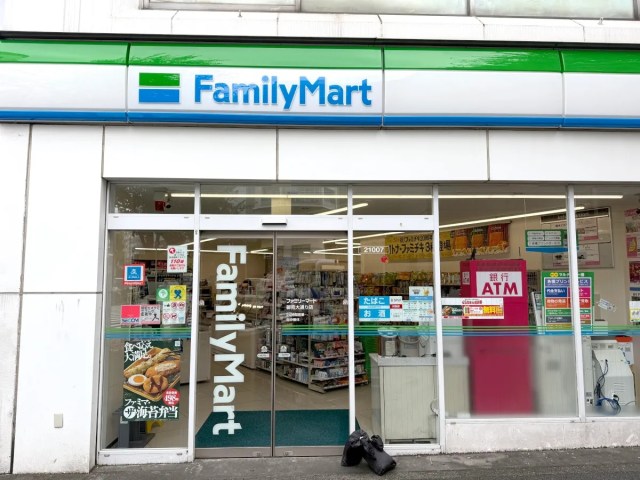
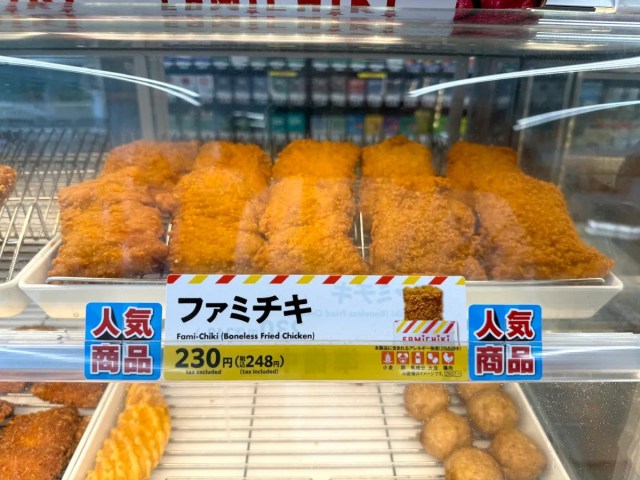
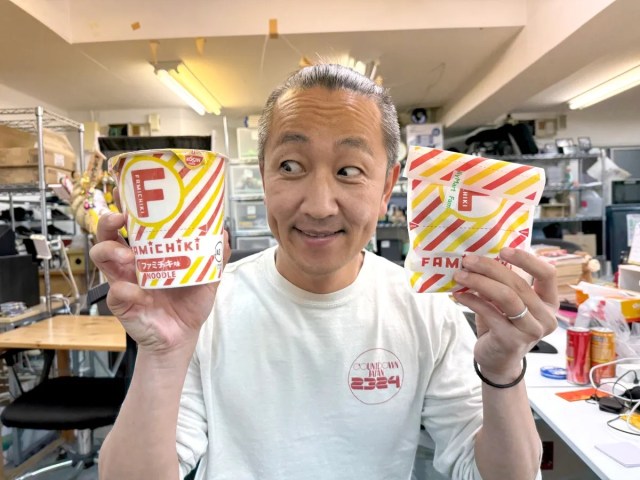
Recognizing the high stakes of this culinary experiment, our reporter P.K. Sanjun arrived at a local FamilyMart branch with a dual mission. Upon paying 321 yen for the Famichiki Flavor Noodle at the register, he made a second, essential request: he asked the clerk to reach into the glass hot-case and hand over a piping-hot, standard 248-yen Famichiki.
Armed with both items, Sanjun established a strict, methodical testing protocol designed to isolate sensory perception from psychological bias:
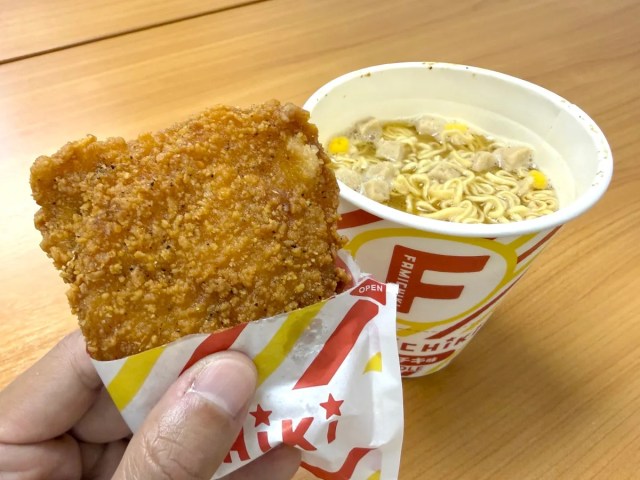
Baseline Assessment: Take a deliberate bite of the freshly cooked Famichiki, allowing its signature juiciness and aggressive peppery notes to coat the palate.
Immediate Transition: Resist the overwhelming urge to finish the entire cutlet or succumb to a food coma. Immediately pivot to the newly prepared Famichiki Flavor Noodles.
Comparative Analysis: Slurp a mouthful of the steaming broth and noodles while the olfactory and taste receptors are still ringing with the memory of the actual chicken, noting shifts in texture, aroma, and overall flavor profile.
Supporting Context & Metrics: The Science Behind the Illusion
Metric / Detail
Famichiki (Original)
Famichiki Flavor Noodle
Price
248 yen (~US$1.55)
321 yen (~US$2.00)
Primary Format
Counter-service hot case
Instant cup ramen (Nissin collaboration)
Key Protein Source
Boneless chicken breast
None (Vegetarian broth base / Seasoned oil)
Dominant Flavor Notes
Black pepper, garlic, deep-fry oil, umami
Fried-flavor savoriness, pepper, soy-sauce umami
Primary Sensation
Juicy, crispy, fatty mouthfeel
Steamy, aromatic broth with pepper-forward kick
Olfactory Engineering: Why Steam Matters
The initial results of the taste test yielded a surprising revelation: the flavor profiles were astonishingly close. More remarkable than the taste on the tongue, however, was the fidelity of the aroma.
When consuming hot cup ramen, the act of bringing the bowl to one’s face plunges the olfactory sensors directly into a dense, rising cloud of steam. Because human perception of "flavor" relies heavily on scent, this vaporized delivery system plays a monumental role in tricking the brain.
The steam rising from the Famichiki Flavor Noodles carries a distinct, peppery meatiness that is unmistakably reminiscent of the heated oil and spice blend used in FamilyMart’s fryers. Even though the cup contains no real chicken, the synthetic aromatic compounds successfully evoke the psychological trigger of standing in front of a convenience store hot-case.
The Nissin Connection and the Evolution of the Bowl
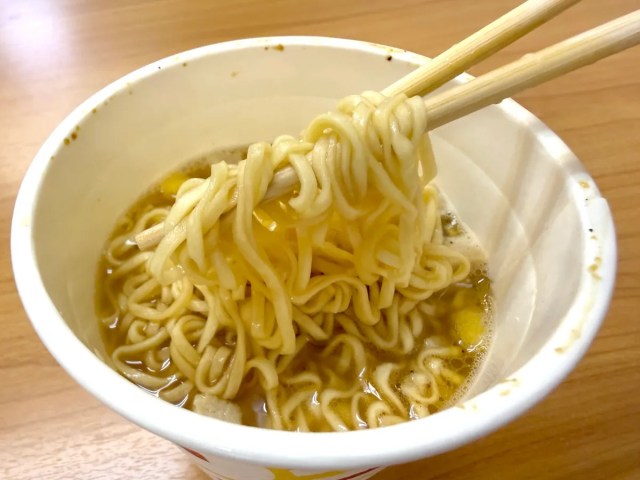
As Sanjun continued his meal, a subtle shift occurred. Once the initial boiling temperature of the water began to drop, the aggressive steam currents subsided. Without that volatile cloud of hot oil vapors rushing to his nose, the sensory illusion began to fade.
In its place, a familiar baseline emerged: the profile began to closely mirror Nissin’s flagship Cup Noodle (specifically the classic soy-sauce broth variety).
This revelation was far from a coincidence. Investigation into the product’s manufacturing details confirmed that the Famichiki Flavor Noodle is a collaborative project engineered in partnership with Nissin, the undisputed titan of the global instant ramen industry. While purists might argue that the soup eventually defaults to a high-end iteration of a classic soy-sauce instant ramen, the partnership guarantees a baseline of quality that ensures the bowl remains satisfying from the first slurp to the very last drop.
Official Statements and Corporate Strategy
FamilyMart’s official marketing copy for the product set high expectations, boldly claiming that the bowl delivers:
“An addictively delicious cup of ramen combining spices, a fragrant, fried-flavor savoriness, and a broth brimming with umami that’ll have you feeling like you’re eating a juicy piece of Famichiki.”
Industry analysts point to this release as a masterclass in promotional synergy. By leveraging the 20th anniversary of the Famichiki, FamilyMart has successfully turned an ephemeral snack item into a multi-channel retail event.
According to retail strategists familiar with Japanese convenience store trends, limited-edition cross-category items serve two primary functions:
Foot Traffic Generation: Novelty items drive curious consumers into physical brick-and-mortar stores, where they frequently make impulse purchases alongside the core item.
Brand Nostalgia & Engagement: By transforming a savory fried item into a pantry-stable instant noodle, FamilyMart extends the lifespan of the Famichiki brand beyond the immediate meal window, allowing fans to consume the "flavor profile" late at night or take it home as a shelf-stable souvenir.
Future Outlook: The Legacy of Innovation in the Konbini Aisles
The success of the Famichiki Flavor Noodle opens a fascinating window into the future of Japanese convenience store gastronomy. As food science and flavor chemistry continue to advance, the boundary between fresh counter-service foods and shelf-stable packaged goods is increasingly blurred.
Can we expect future iterations featuring actual freeze-dried chicken cubes infused with Famichiki skin oils? Or will food engineers continue to rely on aromatic trickery to capture the essence of street-food favorites in a dry format?
For now, the Famichiki Flavor Noodle stands as a triumph of conceptual marketing and comforting engineering. It may not contain a single bite of actual chicken, but for 321 yen and a cloud of peppery steam, it manages to transport the hungry diner straight to the glowing neon aisles of FamilyMart—proving that sometimes, the memory of a flavor is just as powerful as the real thing.







Belum ada komentar. Jadilah yang pertama berkomentar!