In the fast-paced and hyper-competitive landscape of Japan’s multi-billion-yen convenience store dessert sector, few brands command the universal loyalty and household recognition of Meiji’s Essel Super Cup series. For over two decades, these generous, budget-friendly tubs of ice cream have anchored the freezer aisles of local konbini and supermarkets nationwide.
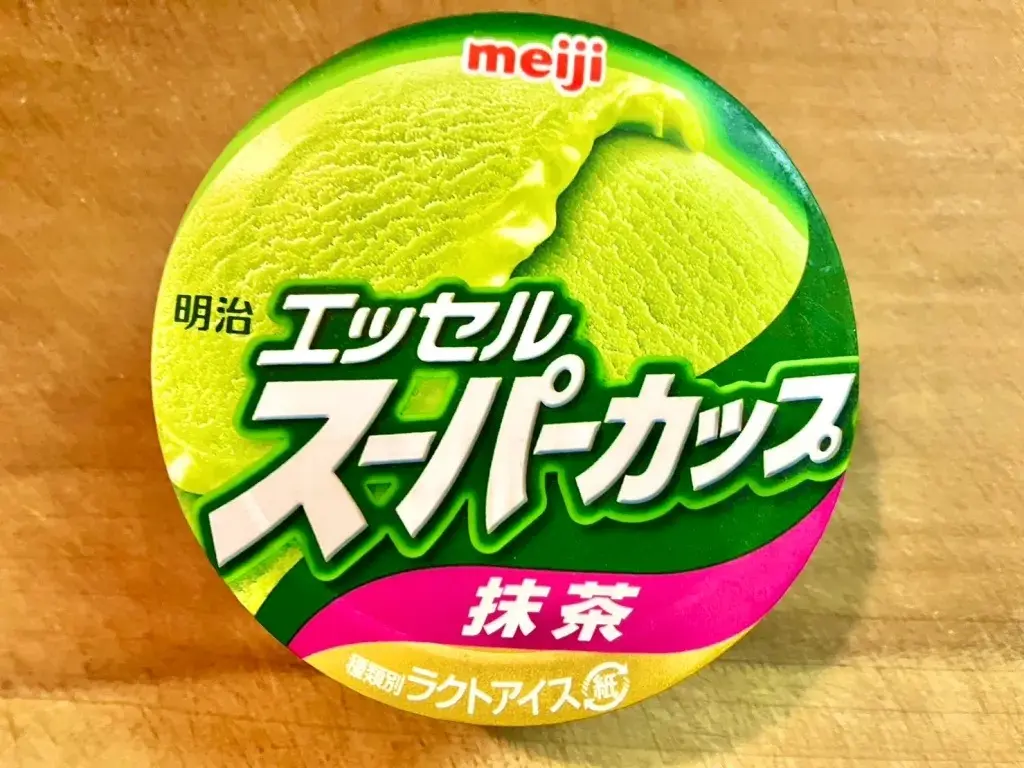
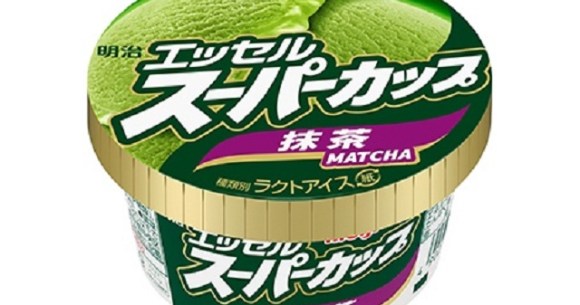
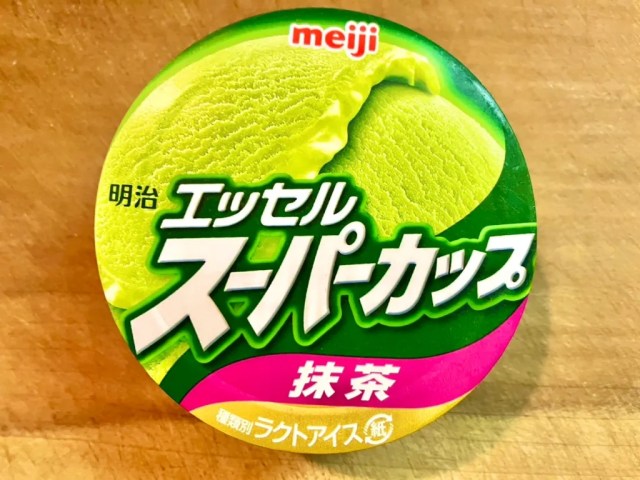
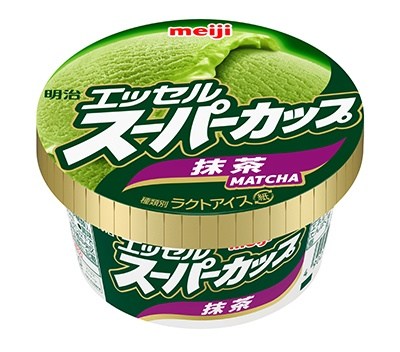
However, a cultural staple is officially bowing out. After an impressive 24-year run that began at the turn of the millennium in 2002, Meiji has quietly pulled the plug on its classic green tea (matcha) flavor.
The decision marks the sudden termination of one of the brand’s most reliable and universally beloved non-seasonal products. While the Japanese market is no stranger to limited-edition, flash-in-the-pan sweets that vanish after a few weeks, matcha has long occupied a different echelon. It is a perennial favorite, consumed with equal enthusiasm through the freezing winter months and the scorching heat of August.
Consequently, the removal of the Matcha Super Cup has sent shockwaves through social media, sparking widespread grief, disbelief, and urgent freezer-stocking raids across the country.
Behind this sudden corporate retreat lies a complex web of modern economic pressures. Although confectioner giant Meiji has remained tight-lipped regarding the precise operational motivations for the cancellation, industry experts point to soaring global commodity costs, exploding international demand for authentic Japanese matcha, and the strict pricing constraints of Japan’s value-driven frozen dessert market.
This comprehensive investigative report examines the history of the beloved product, the confusing timeline of its corporate retirement, the profound cultural reaction of Japanese consumers, and the broader macroeconomic realities forcing legacy brands to fundamentally reevaluate their product lineups.
Detailed Chronology: Tracing the Rise and Quiet Fall of a Legend
To fully appreciate the gravity of the matcha Super Cup’s departure, one must look back at its origins and the subtle, unfolding timeline of its discontinuation.
The 2002 Launch: A New Era for Budget Ice Cream
When Meiji introduced the green tea flavor to its Essel Super Cup roster in 2002, the domestic frozen dessert market was undergoing a quiet revolution. Consumers wanted generous portions without paying premium, Häagen-Dazs-style prices.
The Super Cup formula—characterized by a rich, satisfying dairy base packed into a deceptively large paper tub—was already a hit. By adding an authentic, pleasantly bitter green tea profile, Meiji struck gold. The matcha Super Cup quickly evolved from a novelty flavor into a permanent fixture of the brand’s core lineup, sitting shoulder-to-shoulder with vanilla and choco cookie. For millions of Japanese citizens, it became the default comfort food of choice through high school cram sessions, university dorm life, and exhausting late-night commutes.
The Murky Timeline of the Exit
The end of this 24-year journey did not arrive with a dramatic press conference or an overt advertising campaign. Instead, the phase-out unfolded through a haze of corporate ambiguity that left consumers and retail watchers scrambling for answers.
April: Meiji first signaled its intentions to the public, confirming in corporate updates that the matcha Super Cup would eventually be phased out. However, the initial announcement lacked a definitive execution date, leading many shoppers to assume the transition was far off.
August: According to multiple domestic media reports, actual manufacturing of the green tea flavor officially ceased during the late summer months. Retailers were quietly shifted to a "sell-through-existing-stock" model.
October: Confusion deepened when eagle-eyed consumers visiting the official Meiji website noticed contradictory data. The product page listed the discontinuation date as February 2026—a chronological impossibility given that it predated the company’s initial warnings by two months. Industry analysts concluded this was simply a backend administrative typo, with August serving as the actual cessation of factory production.
Compounding the loss, Meiji also confirmed that the popular mini-sized Super Cup combo packs—which paired the coveted matcha scoops alongside choco cookie variants—have likewise been relegated to the "get-it-while-you-can" graveyard. Once current logistics networks clear out remaining warehouse inventories, both formats will officially vanish from store shelves permanently.
Supporting Context & Metrics: The Economics Behind the Melt
How does a top-tier flavor with a quarter-century of legacy and a fiercely loyal consumer base get unceremoniously dropped? The answer lies in the unforgiving mathematics of modern food manufacturing, inflation, and global commodity trends.
The Price-to-Value Trap
In Japan, the Essel Super Cup has historically occupied a very specific economic niche. Positioned as an accessible, everyday treat for students, salarymen, and families alike, a standard tub typically retails for around 150 yen (approximately $0.95 USD).
To maintain this consumer-friendly price point, profit margins on individual units must be remarkably lean. When baseline operational expenses—including dairy production, electricity for cold-chain logistics, and packaging materials—begin to surge, low-margin products bear the brunt of the corporate restructuring.
The Global Matcha Boom and Skyrocketing Costs
Compounding these general inflationary pressures is the unique economic trajectory of matcha itself. Over the past decade, green tea has transitioned from a traditional domestic preference into a global phenomenon. Cafes, artisanal bakeries, and multinational chains across North America, Europe, and Southeast Asia have aggressively integrated matcha into lattes, pastries, and upscale desserts.
This explosive international demand has placed immense strain on authentic Japanese green tea supply chains, driving wholesale leaf prices sharply upward. Producing an ice cream that actually tastes like robust, high-quality matcha rather than artificial green flavoring requires a substantial investment in genuine ingredients.
For a budget brand like the Super Cup, the escalating cost of premium matcha likely squeezed profit margins past the breaking point. Meiji was faced with an unpalatable choice: drastically degrade the quality of the green tea flavor by cutting it with cheaper alternatives, hike the retail price above the psychological threshold of the budget snack market, or discontinue the line entirely. Ultimately, the corporation chose the latter.
Official Statements and Consumer Reactions
While Meiji has maintained a guarded silence regarding the specific financial metrics behind the cancellation, the public outcry has been deafening.
The Voice of the Consumer
In Japan, convenience store snacks are deeply woven into the fabric of daily routines. The sudden realization that the matcha Super Cup is a finite resource triggered a collective wave of online nostalgia and dramatic lamentation across social media platforms like X (formerly Twitter).
Fans took to the digital ether to express their disbelief, utilizing hashtags dedicated to mourning the product:
"I eat matcha Super Cup all the time. This is genuinely heartbreaking. It has been my go-to comfort food for years."
"I’ve been eating it since I was a little kid. It feels like a piece of my childhood is being permanently packed away in a warehouse."
"This was my vital, affordable source of matcha in a world where everything else is getting too expensive. Now it’s just gone?"
"I am utterly crushed to know I won’t see you in the freezer aisle anymore, matcha Super Cup. R.I.P."
"Honestly, with this news, I’m kind of questioning if I’m even going to be OK. The world makes a little less sense today."
These visceral reactions highlight a profound cultural truth: for many consumers, mass-market comfort foods are not merely consumer goods, but reliable emotional anchors in an uncertain economic climate.
Future Outlook: Will Matcha Return to the Super Cup Family?
As the remaining inventory of the green tea Super Cup dwindles in convenience store freezers across the country, dessert enthusiasts are left wondering if this goodbye is truly forever.
The Possibility of Seasonal Revivals
Industry watchers suggest there is a slim window of hope that Meiji might eventually resurrect the flavor under a different strategic framework. A common playbook for Japanese confectioners is to shelve underperforming or margin-strained core products, only to reintroduce them years later as limited-time seasonal offerings.
By restricting the product to a brief summer or autumn window, companies can artificially inflate demand, justify a higher price point for a "special edition" release, and bypass the year-round supply chain costs that killed the original line. However, as of publication, Meiji has made no official announcements or commitments regarding any future limited-run comebacks.
Speculation on Premium Branding
Another persistent rumor circulating within Japanese retail forums is that Meiji may be quietly clearing the runway to launch an entirely new, higher-end matcha ice cream brand. By uncoupling green tea from the budget-friendly Super Cup identity, the company could theoretically target affluent consumers willing to pay a premium price for gourmet ingredients without being constrained by the traditional 150-yen ceiling.
Final Takeaway
Until any such corporate pivots materialize, the reality remains stark and bittersweet. The 24-year reign of the Meiji Essel Super Cup Matcha is officially drawing to its curtain call.
For shoppers fortunate enough to spot a surviving tub hiding in the back of a rural konbini or a neighborhood supermarket freezer, the message from market analysts and devastated fans alike is unanimous: buy it, savor it, and remember that nothing in the world of convenience store sweets lasts forever.










Belum ada komentar. Jadilah yang pertama berkomentar!