

Executive Overview
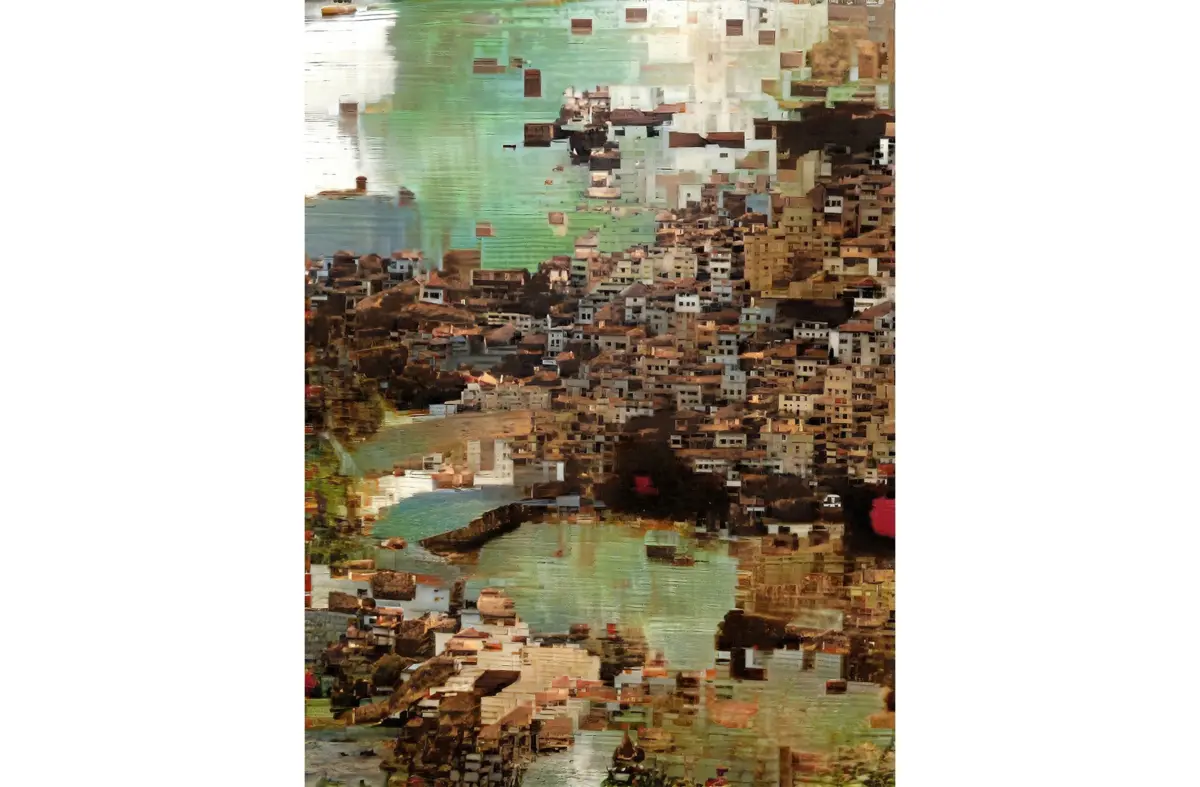
In the contemporary landscape of visual culture, the boundaries defining authenticity, medium specificity, and technological intervention are undergoing a profound, irreversible transformation. As digital methodologies mature, generative artificial intelligence (AI) proliferates, and 3D computer-generated imagery (3D CG) achieves hyper-realism, the foundational definitions of "photography" and "the moving image" are continuously challenged. It is within this crucible of technological disruption and aesthetic re-evaluation that the Tokyo Photographic Art Museum has positioned its latest landmark exhibition: "Top Collection Vol. 23."
Running from January 17, 2027, this exhibition represents a crucial milestone in the museum’s ongoing commitment to interrogate its institutional archives while simultaneously commissioning and presenting cutting-edge contemporary works. Established in 2002, the "Top Collection" series has consistently served as a vital barometer for contemporary photographic discourse. However, Vol. 23 marks a distinct departure from retrospective comfort. By juxtaposing historical acquisitions from the museum’s expansive holdings with radical new commissions by contemporary artists who actively embrace AI, digital manipulation, and post-photographic processes, the exhibition challenges visitors to reconsider how images are constructed, consumed, and authenticated.
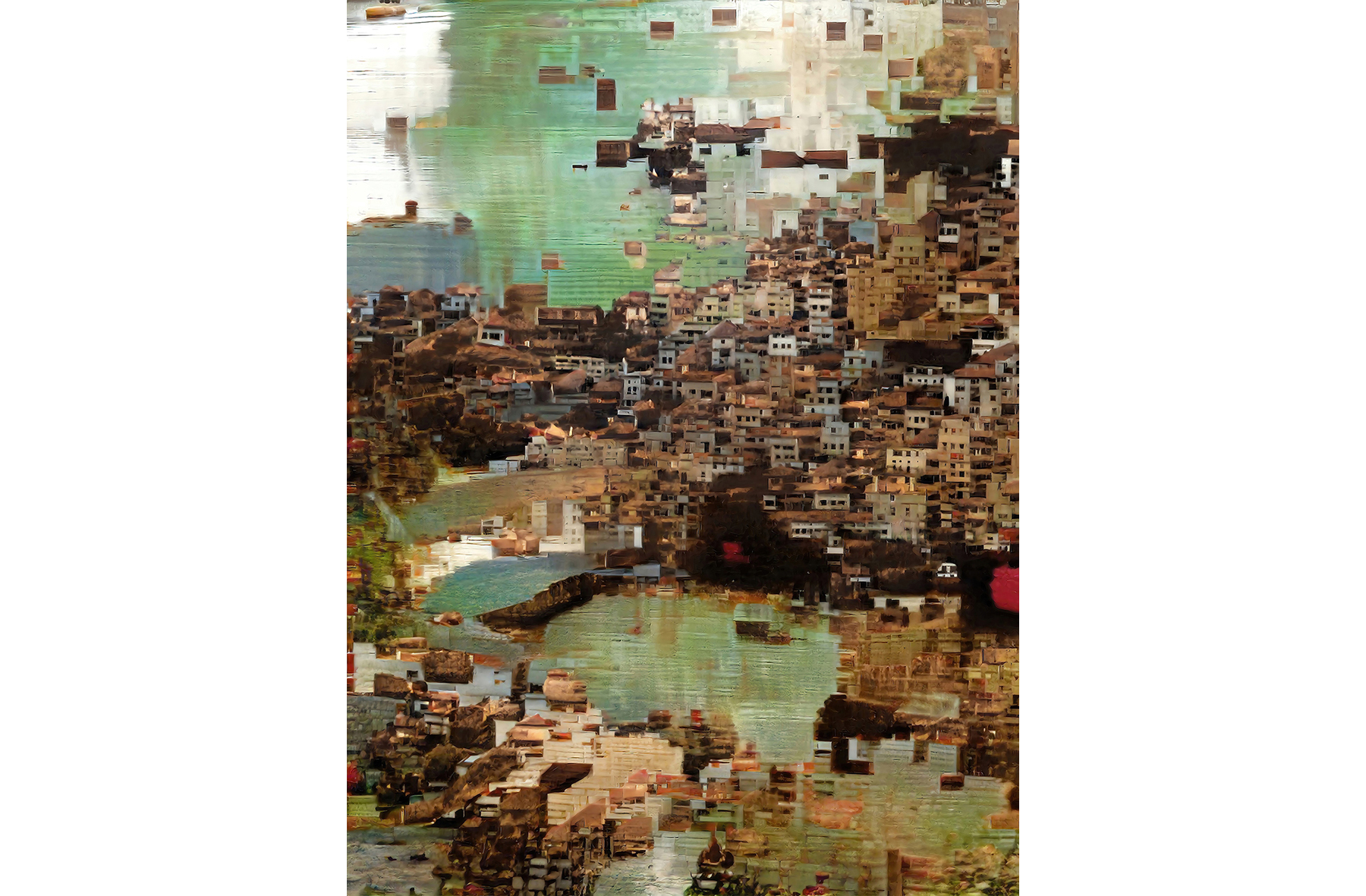
This comprehensive report provides an in-depth investigation into "Top Collection Vol. 23," detailing its thematic architecture, the featured artists, the critical discourse surrounding its exhibits, and the broader implications of its curatorial framework for the future of global visual arts.
Detailed Chronology and Structural Framework of the Exhibition
The structural integrity of "Top Collection Vol. 23" rests on a meticulously curated sequence of thematic spaces within the Tokyo Photographic Art Museum (located on the 3rd floor of the Ebisu Garden Place complex). Rather than presenting a linear historical timeline—a convention long abandoned by forward-thinking institutions—the curators have constructed a dialogic framework where historical photographs converse directly with speculative, algorithmically generated moving images and hyper-mediated installations.
Thematic Sections and Featured Artists
The exhibition is partitioned into distinct yet overlapping sections, each interrogating a specific facet of contemporary visual ontology:
-
Sayuri Ichida: Deconstructing the Photographic Surface
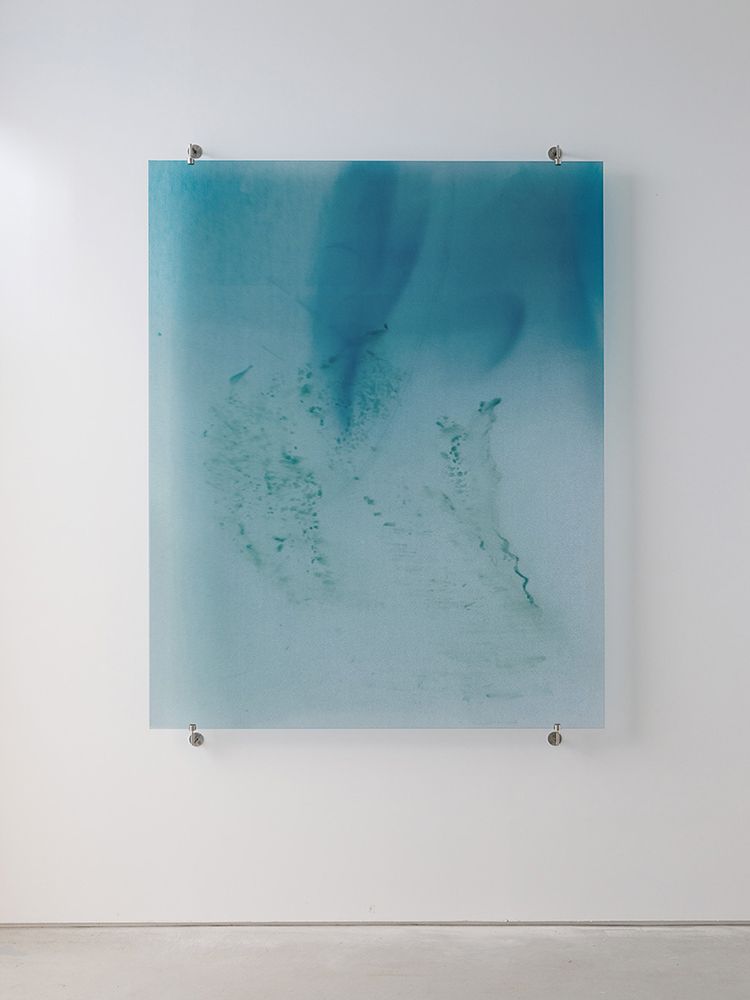
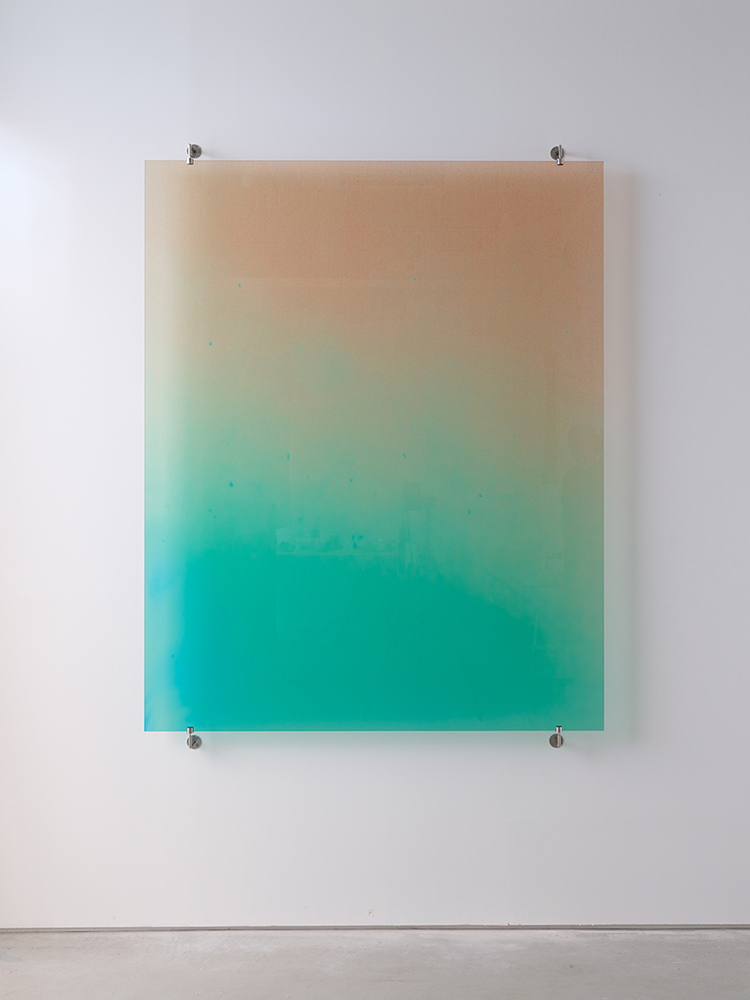
Working heavily with the aesthetics of shadow, concealment, and the uncanny, Ichida’s works—notably pieces from her KÅseki series (2005)—disrupt conventional modes of viewing. Commissioned originally through the Jerwood/Photoworks Awards (and supported by the Jerwood Foundation, Photoworks, and Arts Council England), Ichida’s imagery questions the indexical nature of photography. By manipulating exposure, shadow, and physical surface, her works resist immediate categorization, forcing the viewer to confront the medium’s inherent vulnerabilities.Baca Juga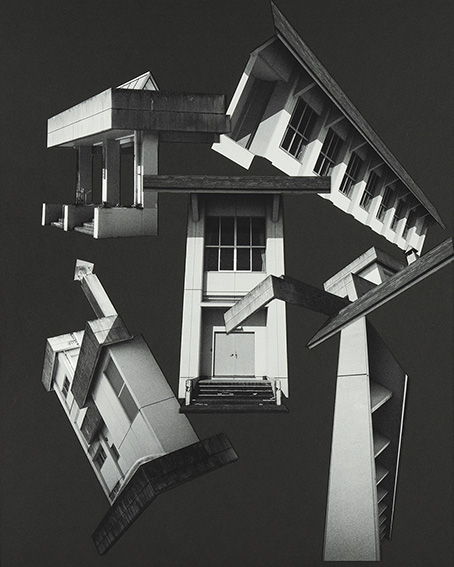
-
Taro Karibe: Mediated Realities and Archive Interventions
Karibe’s contributions (…to iu ryÅiki wo tabi suru kage / Traveling in Such a Territory, 2022–2023) dive headfirst into the digital labyrinth. Utilizing digital rendering, multi-layered compositing, and sculptural interfaces, Karibe examines how spatial perception is altered when filtered through digital lenses. His works ask whether an environment captured via simulation holds the same emotional and cultural weight as a physical site. -
Zai Nomura: The Archival Ghost in the Machine
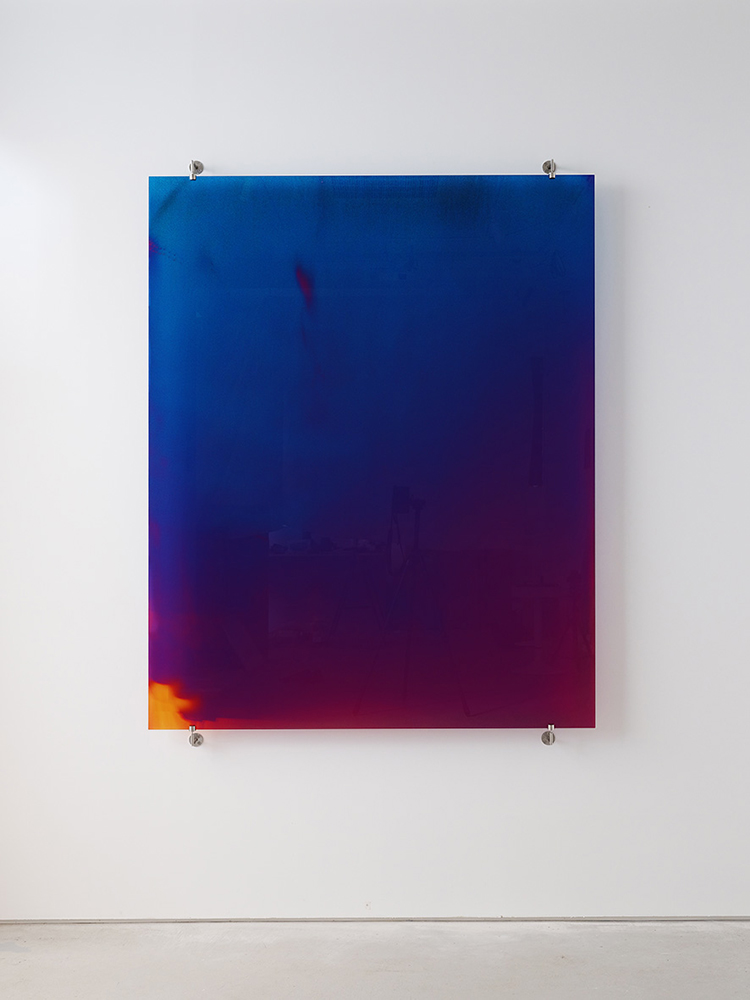
Nomura’s practice bridges the gap between historical printmaking and contemporary UV-curated digital processes. By re-contextualizing portraits and landscapes dating from the early 1940s to the 2020s, Nomura utilizes UV-cured media and multi-layered printing substrates to evoke the passage of time. The resulting pieces appear simultaneously ancient and futuristic, capturing the ephemeral nature of memory embedded within photochemical emulsions and digital bits alike.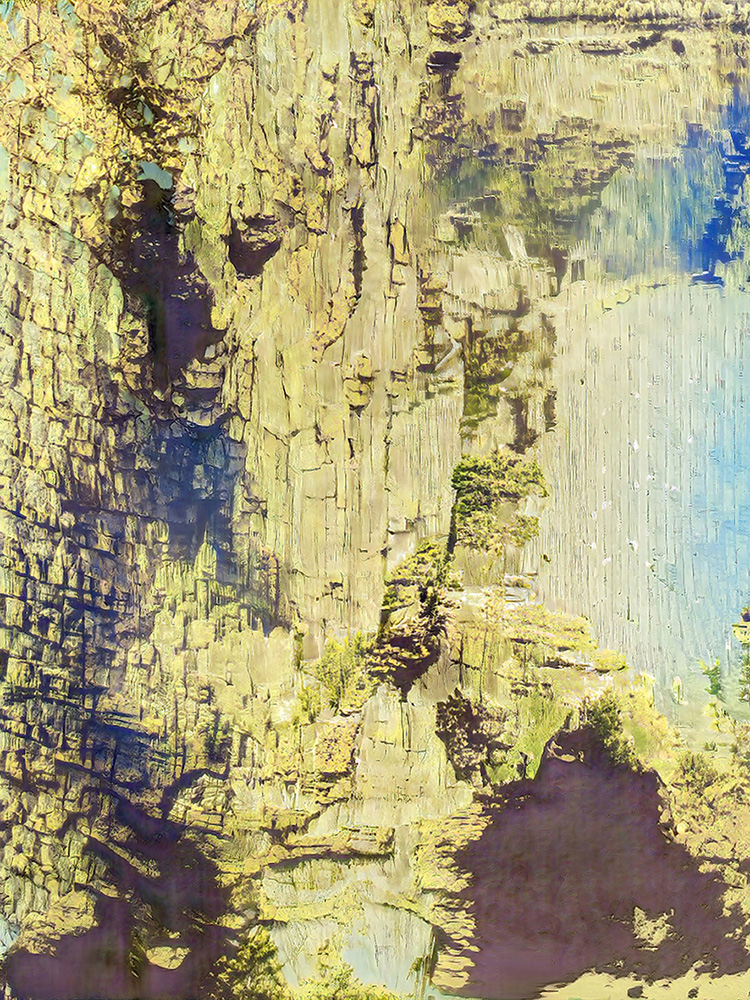
-
Baku Hashimoto: Milling Stop-Motion (Tentative Title, 2024–)
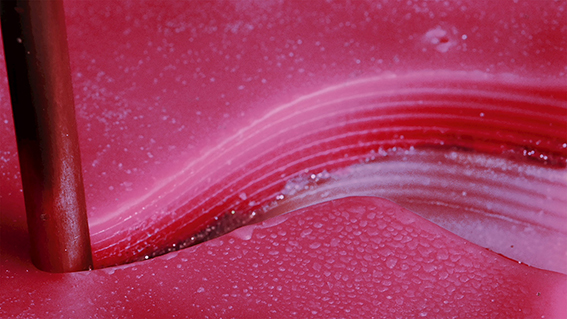
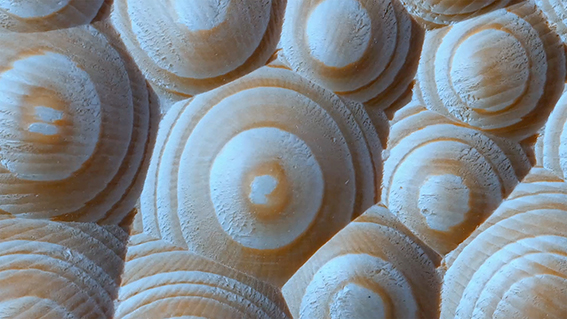
Hashimoto’s installation explores the intersection of physical stop-motion animation and algorithmic milling. By blending mechanical precision with the hand-crafted aesthetic of stop-motion, Hashimoto creates a disorienting hybrid medium. The work questions the division between manual labor and automated generation, presenting a vision of motion that is both mechanical and deeply organic. -
Asako Fujikura: 4 Tales of Open Sunrise City (Tentative Title, 2026)
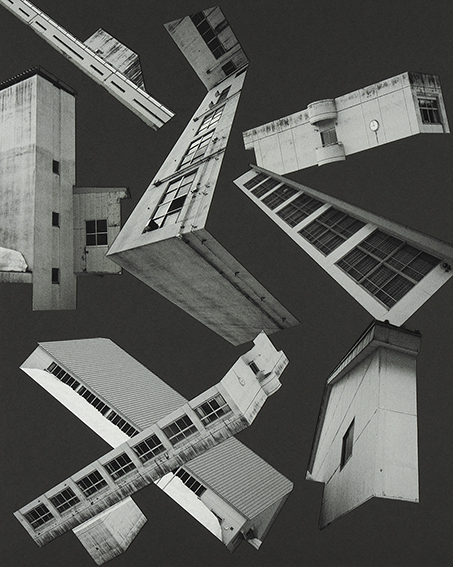
Fujikura’s speculative world-building uses 3D CG, procedural animation, and AI-assisted spatial design to construct fictional urban landscapes. These environments, while entirely artificial, evoke familiar architectural typologies and psychological states. Fujikura challenges viewers to interrogate the emotional resonance of spaces that have never physically existed.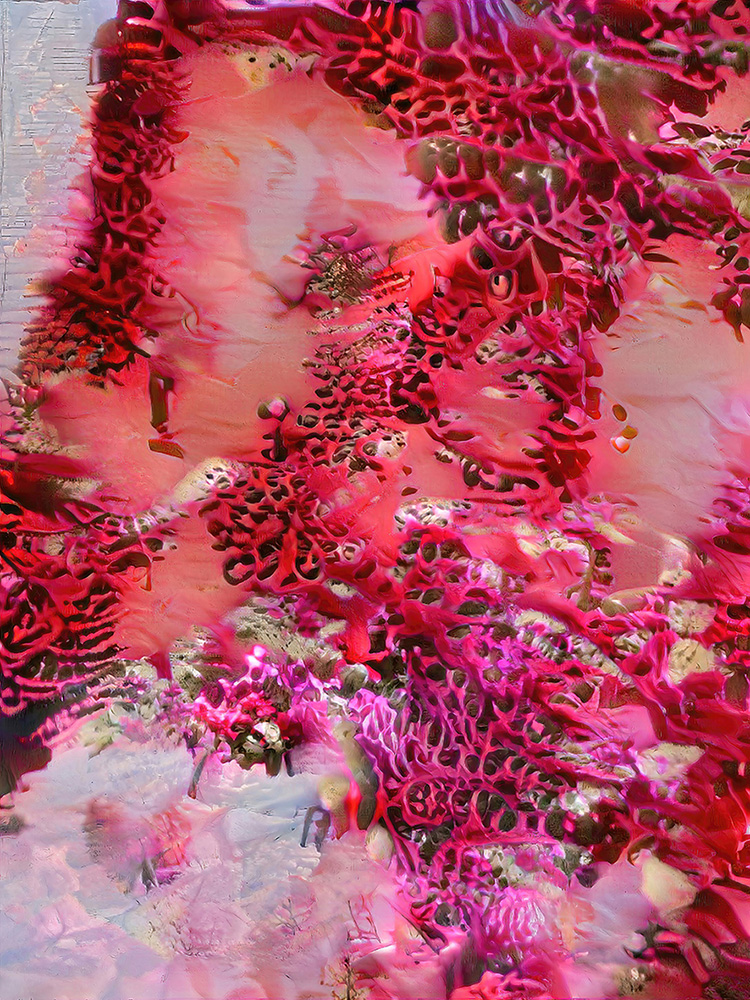
Supporting Context, Metrics, and Exhibition Data
To fully appreciate the scope of "Top Collection Vol. 23," it is necessary to examine the institutional metrics, operational schedule, and structural parameters that support the exhibition.
Event Metadata & Schedule
- Exhibition Top Collection Vol. 23 (Tokyo Photographic Art Museum)
- Dates: January 17, 2027 – (Concluding dates aligned with museum seasonal schedules)
- Venue: Tokyo Photographic Art Museum, 3rd Floor Exhibition Galleries (Ebisu Garden Place, 3-20-4 Yebisu, Shibuya-ku, Tokyo)
- Opening Hours: 10:00 – 18:00 (Extended hours until 20:00 on Thursdays and Fridays; final admission 30 minutes prior to closing)
- Closed: Mondays (or the following day if Monday is a national holiday; seasonal maintenance closures apply)
Associated Public Programs & Workshops
The museum has organized a robust suite of educational programming, artist talks, and symposia designed to engage both scholars and the general public:
- October 18 (Sat), 14:00–15:30: Gallery Talk (Curator × Guest Speaker: Exploring the Intersection of Photography and AI)
- November 1 (Sat), 14:00–15:30: Artist Talk & Demonstration (Featuring Sayuri Ichida and invited researchers)
- December 13 (Sat), 14:00–15:30: Curatorial Roundtable (Featuring Baku Hashimoto and spatial design specialists)
- January 10 (Sat), 14:00–15:30: Symposium: "The Future of Post-Photographic Archiving" (Featuring Asako Fujikura, architectural theorists, and media historians)
Admission Structure
- General Admission: ¥900 (Group discounts available for parties of 20 or more; advanced booking recommended via the official museum portal).
- Concessions: Special rates apply for students, seniors (over 65), and individuals with disabilities. Proof of eligibility is required at the ticket counter.
Official Curatorial Statements and Critical Discourse
The institutional philosophy guiding "Top Collection Vol. 23" is articulated through the curatorial notes provided by the museum’s research division. For over two decades, the Tokyo Photographic Art Museum has collected, preserved, and exhibited works that reflect the shifting definitions of lens-based media.
According to the curatorial team:
"We live in an era where the camera is no longer merely an optical instrument recording light, but a complex computational apparatus. From 3D computer graphics to generative AI, the tools used to produce images have fundamentally altered our relationship with truth and representation. Vol. 23 does not mourn the death of traditional photography; rather, it celebrates its expansion into uncharted territories."
This sentiment is echoed by guest critics and participating artists alike. The exhibition forces a critical pivot away from the binary of "real vs. fake." In works by artists such as Baku Hashimoto and Asako Fujikura, the digital creation is not an illusion designed to trick the eye, but an explicit acknowledgment of constructed reality. The viewer is invited to navigate a space where the indexical trace of the photograph merges with the speculative projection of algorithmic computation.
Furthermore, the integration of historical holdings—ranging from 20th-century documentary works to contemporary experimental prints—provides a necessary anchor. By placing historical pieces in direct dialogue with contemporary digital artifacts, the exhibition demonstrates that photography has always been a constructed, mediated medium. The camera has never been a neutral observer; it has always been an active participant in shaping cultural memory.
Future Outlook: The Evolution of the Photographic Archive in the Age of AI
As "Top Collection Vol. 23" invites audiences to re-evaluate the parameters of visual culture, it simultaneously sets a precedent for how museums must adapt to the challenges of the 21st century. The traditional museum archive, historically built around physical prints, negatives, and tangible objects, must now expand to encompass dynamic digital files, algorithmic scripts, interactive installations, and AI-generated outputs.
The questions raised by the exhibition will undoubtedly reverberate across the international art community:
- How will museums preserve software-dependent and AI-generated artworks for future generations?
- What constitutes authorship when an algorithm or neural network co-creates an artistic work?
- How will the public’s trust in visual documentation shift as synthetic media becomes indistinguishable from reality?
By confronting these questions head-on, the Tokyo Photographic Art Museum reaffirms its position as a global leader in photographic discourse. "Top Collection Vol. 23" is more than an exhibition; it is a critical laboratory for the future of vision itself—a space where history and speculation converge, challenging us to look closer, think deeper, and question the very nature of the images that surround us.
For further information, ticket reservations, and detailed schedules of related public programs, visitors are encouraged to consult the official Tokyo Photographic Art Museum website.






Belum ada komentar. Jadilah yang pertama berkomentar!