For decades, the pursuit of pristine night skies has demanded a certain degree of physical endurance. Astrophotographers and amateur astronomers are universally accustomed to grueling nocturnal rituals: hours of navigating treacherous, unlit mountain passes, hauling heavy tripods through freezing winds, and battling the elements atop isolated peaks just to catch a glimpse of the Milky Way.
However, a paradigm shift is underway in the travel sector, championing a philosophy of absolute ease. At the vanguard of this movement is Kozushima—an outlying volcanic island administered by the Tokyo Metropolis—which has earned the prestigious global designation of a "Dark Sky Place" by the International Dark-Sky Association (IDA). Among its most distinctive attributes, Kozushima stands as the only municipality in Japan where the entire island, residential settlements included, is officially recognized under this dark-sky framework. It is one of only three such designated "Dark Sky Islands" globally.
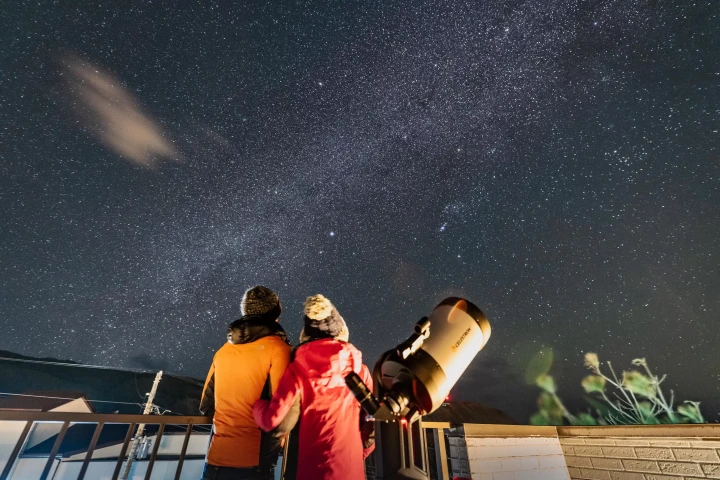
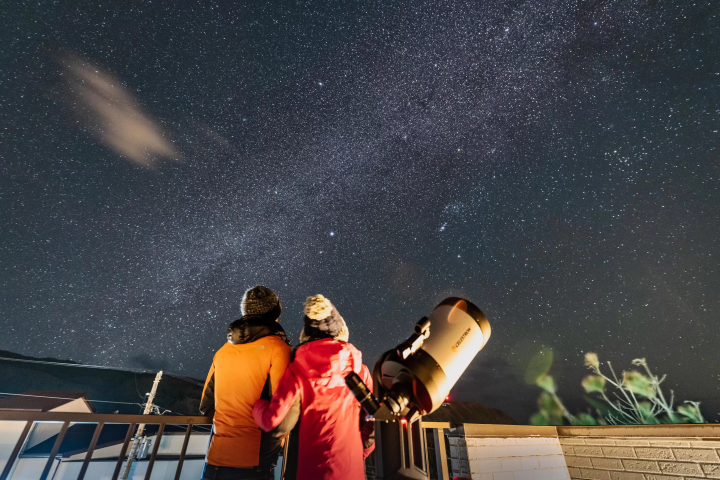
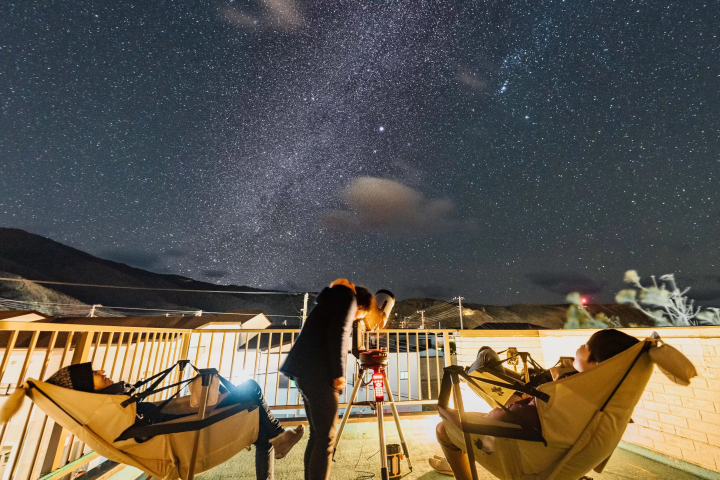
Capitalizing on this geographic and environmental marvel, Vacation House FamiliA has introduced a stress-free travel paradigm designed around a singular, compelling premise: experiencing world-class astrophotography and celestial observation without ever having to venture into the cold, navigate dark roads at night, or handle heavy astronomical gear. By pairing comprehensive light-pollution countermeasures with intuitive hospitality—such as the "Starry Chill Terrace," professional-grade house telescopes, and real-time celestial tracking by knowledgeable staff—FamiliA is redefining modern astro-tourism. This investigative feature explores the mechanics of Kozushima’s nightscape preservation, a meticulously planned multi-day itinerary, logistical considerations, and the future outlook for low-impact island tourism.
Detailed Chronology: A 3-Day Immersive Itinerary at Vacation House FamiliA
To truly absorb the slow-paced rhythm of Kozushima and buffer against the unpredictable maritime weather patterns typical of the Izu archipelago, travel experts and FamiliA management recommend a mandatory minimum stay of two to three nights. Below is a detailed chronological breakdown of an optimized three-day, two-night journey designed to balance active island exploration with effortless nocturnal relaxation.
Day 1: Arrival, Orientation, and the First Nocturnal Reveal
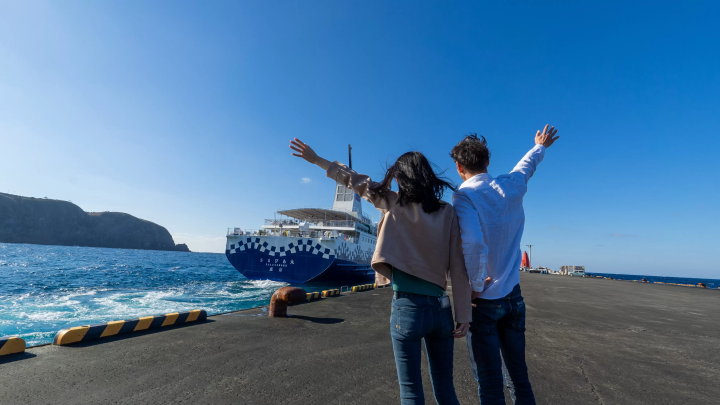
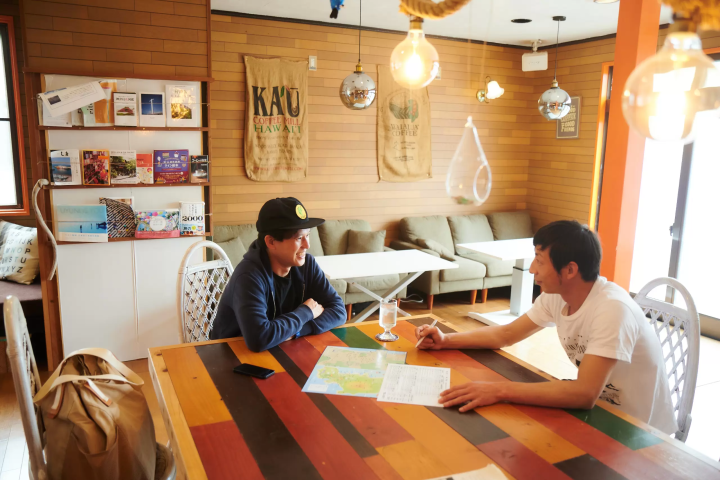
10:00 AM – Arrival and Port Transfer: Passengers disembark at either Maehama Port or Tako Bay, depending on prevailing wind conditions and maritime safety protocols. A pre-arranged complimentary shuttle service from Vacation House FamiliA meets arriving guests at the dock, eliminating the logistical hurdle of transferring luggage across unfamiliar terrain. Upon arrival at the lodge, an English-speaking staff member spreads out a detailed regional map, outlining seasonal attractions, hiking routes, and vital safety considerations.
12:00 PM – Culinary Immersion: Guests partake in a leisurely lunch at a local village eatery, sampling the island’s celebrated catch of the day—ranging from fresh sashimi to local preparations of armored gurnard and striped jack.
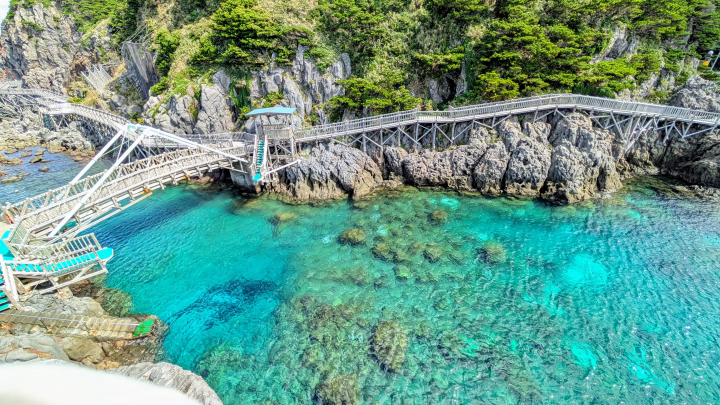
1:00 PM – Autonomous Island Exploration: Afternoon hours are dedicated to independent exploration. Visitors often rent bicycles or embark on foot to navigate the Akasaki Promenade, a dramatic coastal boardwalk winding over crystal-clear azure waters, offering panoramic vistas of the Pacific Ocean completely uninterrupted by urban development.
6:00 PM – Thermal Relaxation: A complimentary evening shuttle transports guests to Kozushima’s famous open-air hot spring facility. Soaking in mineral-rich thermal waters while watching the sun dip below the horizon provides an ideal transition from daytime exertion to nocturnal repose. Following dinner at a local establishment, visitors return to FamiliA.
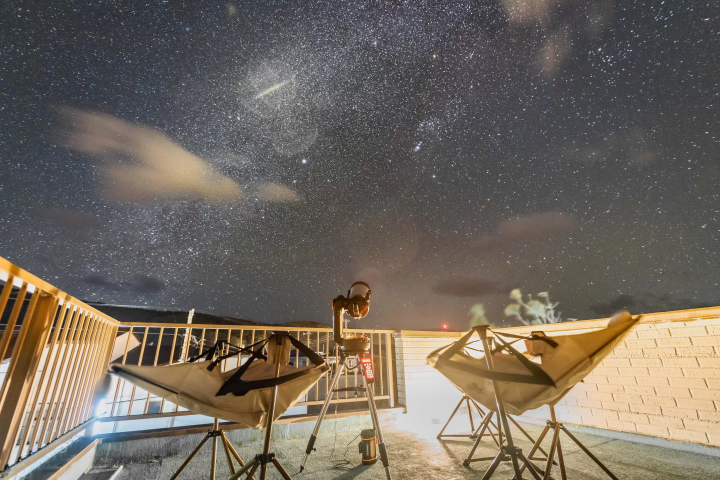
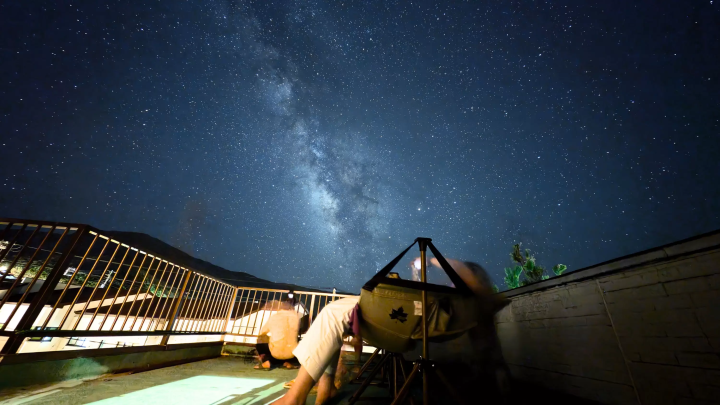
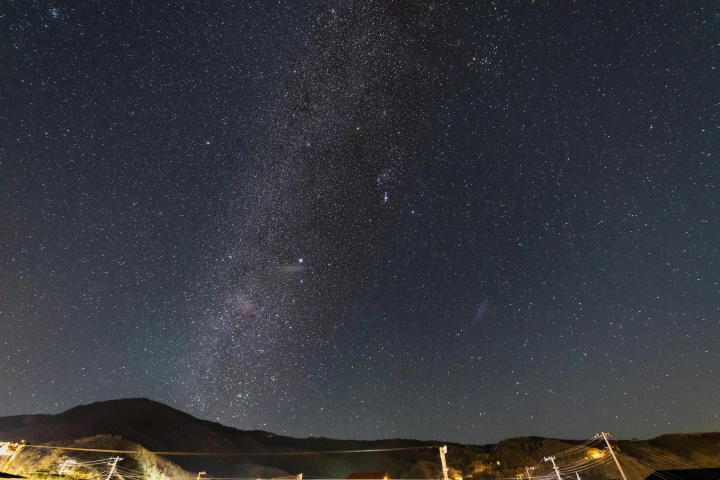
9:00 PM – The First Stargazing Session: Guests take their positions in the hammock chairs of FamiliA’s veranda, christened the "Starry Chill Terrace." With the gentle, rhythmic cadence of ocean waves serving as an acoustic backdrop, the Milky Way unfurls overhead without the need for binoculars or telescopes.
Day 2: Alpine Hikes, Social Connections, and Planetary Discovery
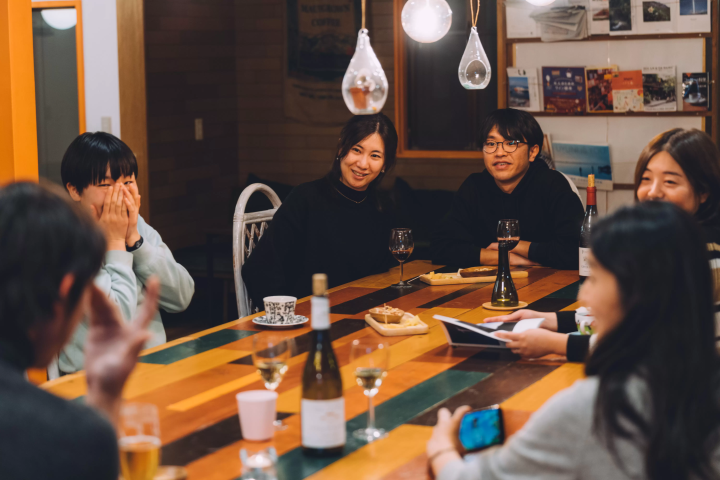
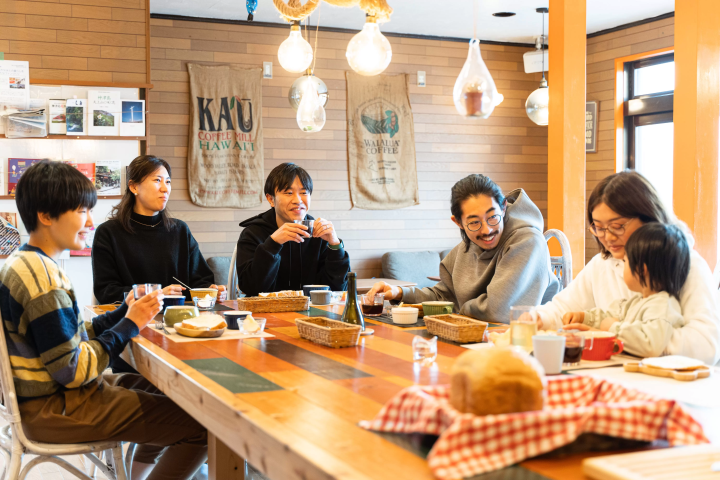
8:30 AM – Communal Breakfast: The morning begins with a shared breakfast table at FamiliA, fostering organic conversations among international travelers, domestic tourists, and resident staff regarding the previous night’s sightings.
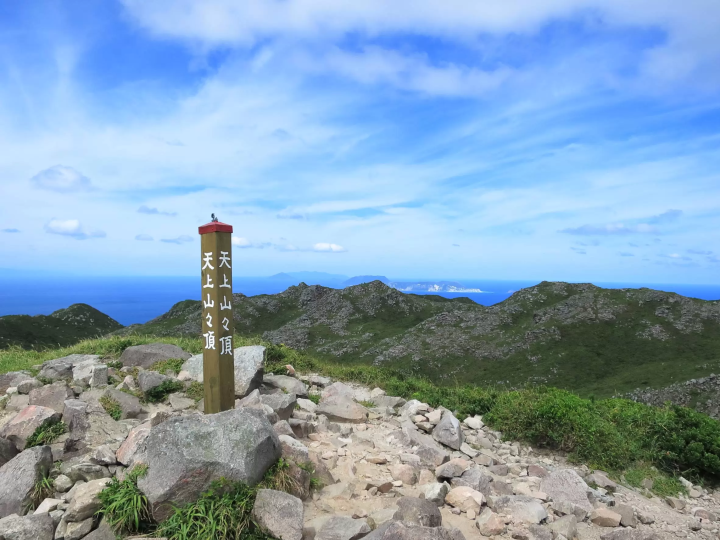
10:00 PM – Trekking Mt. Kaminoyama: Utilizing local bus services or setting out on foot, travelers ascend Mt. Kaminoyama, celebrated as one of Japan’s 100 Famous Flower Mountains. The hike offers ecological insights into endemic flora, dramatic ridge-line views, and a visceral appreciation for the island’s unique volcanic topography.
3:00 PM – Leisure and Reflection: Returning to the lodge by mid-afternoon, guests unwind in the communal lounge, trading travel notes over freshly brewed coffee or leafing through regional literature.
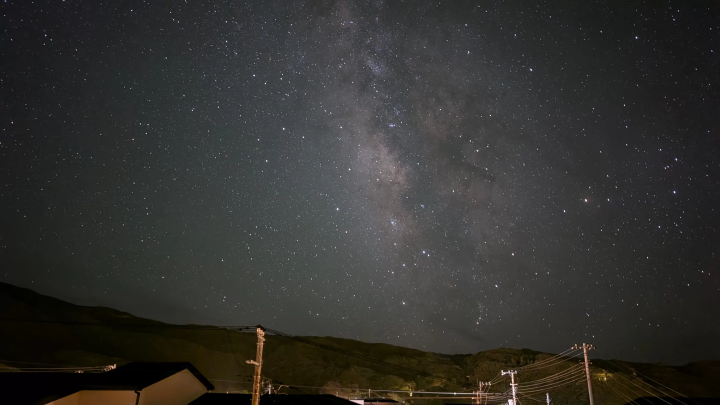
8:00 PM – Impromptu Astrophotography: Staff members actively monitor atmospheric conditions. Upon identifying a sudden clearing in the upper atmosphere, a staff member calls out, "The Milky Way is exceptionally clear right now!" Guests step directly from the lounge onto the balcony. Utilizing FamiliA’s complimentary loaner tripods, visitors successfully capture stellar alignments using standard consumer smartphones.
Day 3: Coastal Strolls and Departure
8:00 AM – Coastal Foraging and Village Walk: Following breakfast, a slow-paced morning walk through the historic village leads guests toward Maehama Pier. Travelers frequently spot wild sea turtles swimming in the shallow emerald waters near the breakwater or forage for smooth, translucent pieces of sea glass along the tideline.
11:00 PM – Departure Transit: FamiliA provides a final complimentary shuttle transfer to the departing ferry terminal or the island’s municipal airport, ensuring a seamless conclusion to a restorative island retreat.
Supporting Context & Metrics: The Science of Kozushima’s Dark Sky
To understand the rarity of Kozushima’s nocturnal environment, one must examine the rigorous standards set by the International Dark-Sky Association (IDA). The Dark Sky Places program certifies locations that actively demonstrate exceptional commitment to night sky preservation through the implementation of quality lighting policies, dark-sky education, and community support.
The Engineering of Light Pollution Mitigation
Achieving and maintaining Dark Sky Island status requires far more than geographical isolation. Kozushima’s local government, in collaboration with residents and commercial enterprises, systematically overhauled the island’s outdoor lighting infrastructure. Key interventions include:
Full Cutoff Fixtures: All municipal and residential exterior lighting fixtures were retrofitted to direct light downward, preventing stray photons from escaping into the upper atmosphere.
Color Temperature Restrictions: High-kelvin, blue-heavy LED lighting was replaced with warm-spectrum amber and low-temperature bulbs, minimizing atmospheric scatter and protecting both nocturnal ecosystems and astronomical viewing clarity.
Community-Wide Compliance: Unlike isolated observatories located on mountaintops far from human habitation, Kozushima integrated dark-sky protocols into the daily lives of its residents. Streetlights, commercial signage, and residential porches adhere strictly to luminance caps.
Meteorological and Lunar Considerations
While Kozushima boasts over 200 clear nights annually, optimizing an astrotourism itinerary requires an understanding of lunar cycles:
The New Moon Advantage: Travelers seeking faint celestial phenomena—such as distant nebulae, interstellar dust lanes, and the full architectural span of the Milky Way—should schedule trips coinciding with the lunar new moon. Minimal ambient moonlight guarantees maximum contrast.
The Full Moon Alternative: Conversely, a full moon does not diminish the island’s appeal; rather, it shifts the observational focus. Visitors utilize high-magnification binoculars provided by FamiliA to study lunar maria and crater rims, or observe the dramatic moonrise emerging from behind the island’s rugged volcanic peaks.
Official Insights: The Philosophy Behind "Not Trying Too Hard"
The operational ethos of Vacation House FamiliA directly addresses modern burnout. In official statements regarding the lodge’s conceptual framework, management emphasizes the elimination of travel friction:
"Many travelers write off astrophotography because the logistics are punishing. They envision shivering on the side of a mountain at 2:00 AM, managing power banks, dew heaters, and equatorial mounts. We wanted to dismantle that barrier to entry. At FamiliA, the boundary between the warmth of an indoor café and the infinity of the cosmos is literally one step. You can hold a cup of hot cocoa or locally produced island sake in one hand, step onto our balcony, and gaze at the rings of Saturn through our house telescope."
Furthermore, the lodge’s real-time sky monitoring service solves the common anxiety of weather gambling:
"Guests no longer need to constantly check third-party weather apps, wondering if their night out will be ruined by transient clouds. Our staff acts as a meteorological bridge. We monitor cloud cover, humidity, and moonrise times continuously. When the sky opens up, we alert our guests instantly, ensuring they never miss a transient celestial window."
Future Outlook: Sustainable Astro-Tourism and Regional Resilience
As global urbanization intensifies and artificial light pollution encroaches upon remaining wilderness areas, certified Dark Sky destinations are experiencing unprecedented demand. However, this growing popularity presents a distinct management challenge: balancing increased tourist influx with the ecological integrity that earned the destination its status in the first place.
Mitigating Over-Tourism Through Minimum Stay Mandates
Vacation House FamiliA’s strict policy requiring a minimum stay of two to three nights serves as an effective model for sustainable tourism management. By discouraging whirlwind, single-day excursions—which heavily strain local infrastructure and offer a high risk of weather-related disappointment—the lodge encourages deeper cultural engagement, longer economic retention per visitor, and lower daily turnover stress.
Infrastructure and Transport Integration
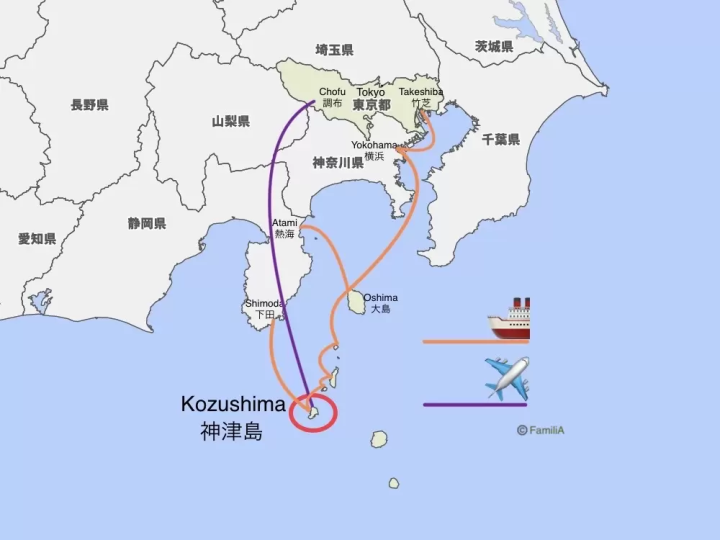
Looking toward the future, accessibility remains a vital metric for Kozushima’s tourism sector. Transportation options span four distinct arteries, each catering to different traveler profiles:
Large Passenger Ships (Salvia Maru): Operated by Tokaikisen, the overnight ferry from Takeshiba, Tokyo, takes approximately 10 hours. It remains the most weather-resilient transport option, boasting the highest reliability rate during rough seas.
High-Speed Jet Ferries: Cutting travel time to approximately 3.5 hours from Tokyo, these vessels operate extensively during summer months. However, schedules fluctuate during spring and autumn due to seasonal wave heights.
Shimoda Ferry (Azalea Maru): Operating from Shimoda Port in Shizuoka Prefecture, this 2.5-hour crossing provides an alternative route for travelers coming from western Japan, though passengers are advised to prepare for open-sea wave action.
Commuter Aircraft: Operated by New Central Airlines, 19-seater propeller planes depart daily from Chofu Airport in Tokyo, delivering passengers to Kozushima’s airstrip in a mere 45 minutes.
As flight and ferry networks continue to coordinate with local hospitality providers like FamiliA—offering integrated shuttle services that adapt dynamically to shifting arrival ports (Maehama Port versus Tako Bay)—Kozushima solidifies its position as the premier blueprint for accessible, low-impact, and luxurious astronomical tourism.
For travelers seeking to reconnect with the cosmos without sacrificing comfort, the path forward is clear: step off the plane or ferry, drop your bags, step onto the veranda, and look up.
For further information on seasonal availability, telescope specifications, or to secure reservations at Vacation House FamiliA, prospective visitors can access the official booking portal at www.familia-family.club.











Belum ada komentar. Jadilah yang pertama berkomentar!