Tokyo — Amidst the neon-lit concrete labyrinth and shifting technological tides of the Japanese capital, the Tokyo Photographic Art Museum has once again established itself as a vanguard of critical curation. Its latest exhibition, The Shaping of Views, Vol. 23, opened its doors on January 17, 2027, inviting audiences into a profound meditation on the evolution, mechanics, and philosophical implications of the constructed image.
Running through the winter and early spring months, this milestone 23rd iteration of the museum’s signature collection series acts as both an archive and a laboratory. It examines how artists have, since the dawn of the 2002 fiscal year and well into the hyper-mediated realities of the mid-2020s, actively constructed, manipulated, and interrogated the photographic and cinematic frame. By juxtaposing historical photographic works with bleeding-edge digital simulations, artificial intelligence, and 3D computer graphics (3DCG), the exhibition challenges viewers to rethink the very nature of visual truth.
Executive Overview: Dismantling the Notion of Objective Reality
For over two decades, The Shaping of Views series has served as the Tokyo Photographic Art Museum’s flagship intellectual enterprise—a dedicated space to probe the shifting boundaries of lens-based media. Vol. 23 arrives at a crucial cultural juncture. In an era where generative AI, hyper-realistic synthetic media, and ubiquitous algorithmic rendering have fractured our collective relationship with visual evidence, the exhibition’s premise feels less like an academic exercise and more like an urgent public necessity.
The curatorial framework pivots around a simple yet unsettling thesis: the camera has never truly recorded unvarnished reality. From darkroom manipulations of the analog age to prompt-engineered synthetic imagery of the AI epoch, image-making has always been an act of editorial fiction.
By gathering works by pioneering contemporary creators such as Sayuri Ichida, Taro Karibe, Zai Nomura, Baku Hashimoto, and Asako Fujikura, Vol. 23 curates a dialogue across generations. It examines how artists utilize physical construction, digital modeling, and computational processing not to deceive, but to reveal deeper truths about the constructed environments we inhabit.
Detailed Chronology & Structural Divisions
The exhibition is meticulously structured into distinct thematic sectors, each curated by the museum’s internal research and curatorial team alongside leading guest scholars. These divisions guide the visitor through a historical and conceptual arc, tracing the lineage from physical miniature models to algorithmic realities.
1. Sayuri Ichida: The Architecture of the Miniature
Opening the exhibition’s dialogue with physical-digital hybrids, Sayuri Ichida’s works—notably Kōseki #009 (2025) and Kōseki #001 (2025)—utilize intricately crafted physical models illuminated with cinematic precision. Originally commissioned through the prestigious Jerwood/Photoworks Awards (with support from the Jerwood Foundation, Photoworks, and Arts Council England), Ichida’s practice bridges the tactile world of sculpture with the illusionistic depth of photography. By photographing painstakingly built miniature architectures under dramatic, theatrical lighting, Ichida collapses the distance between the macro and the micro, forcing viewers to question whether they are looking at a sprawling urban wasteland or a tabletop illusion.
2. Taro Karibe: Deconstructing the Urban Fabric
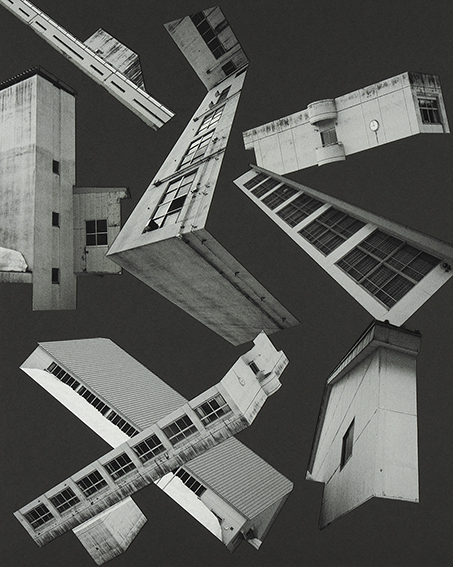
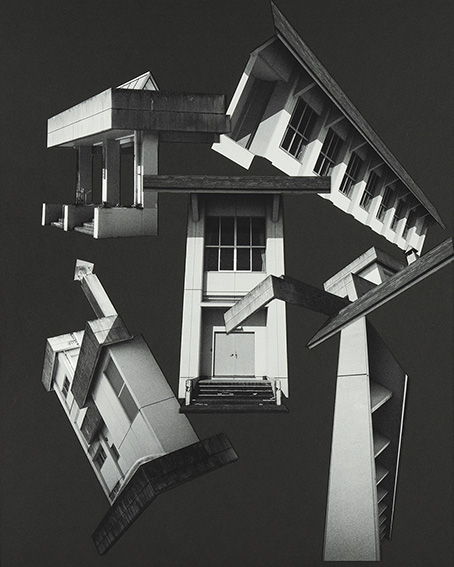
Taro Karibe’s contributions—including #30 (2022) and #188 (2023)—turn their lens toward the mundane yet uncanny structures of contemporary infrastructure. Karibe’s photographic practice examines how humans project desires, anxieties, and systems of control onto built environments. His images capture the uncanny valleys of modern architecture, utilizing precise framing to reveal the psychological weight embedded within concrete stairwells, utility poles, and corporate facades.
3. Zai Nomura: Materiality in the UV Era
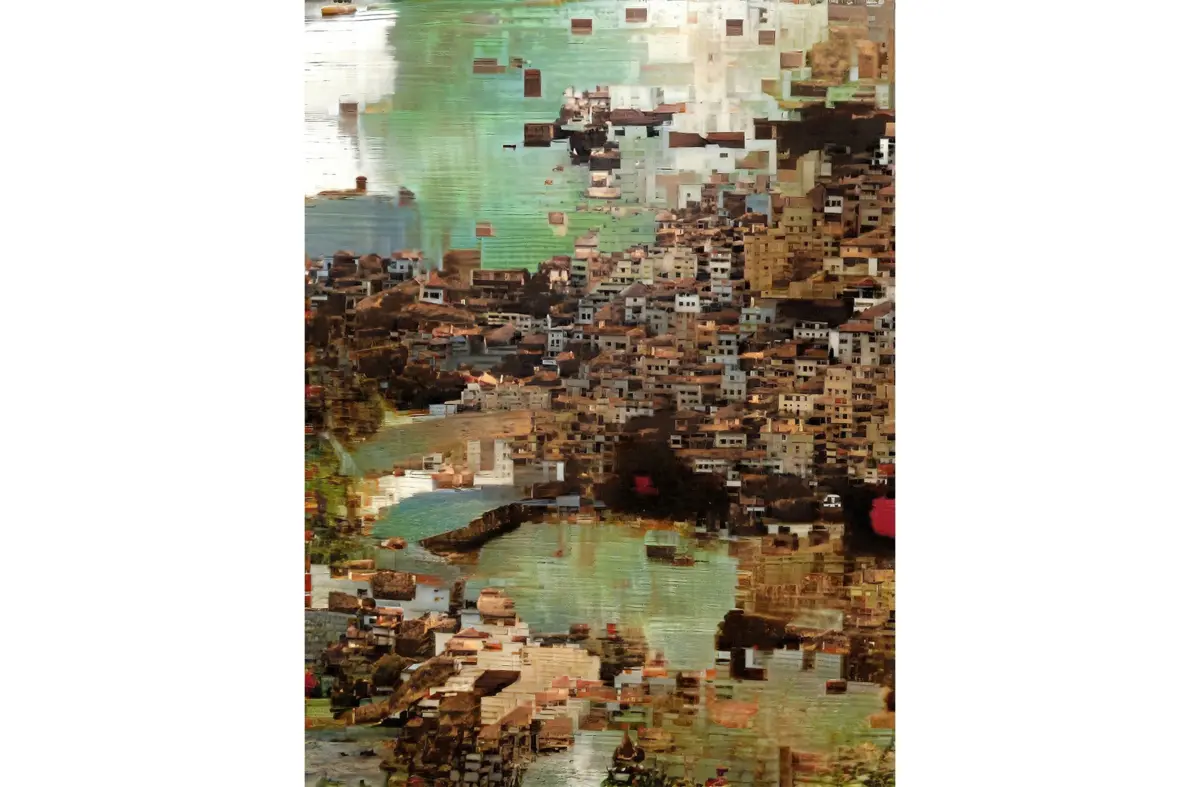
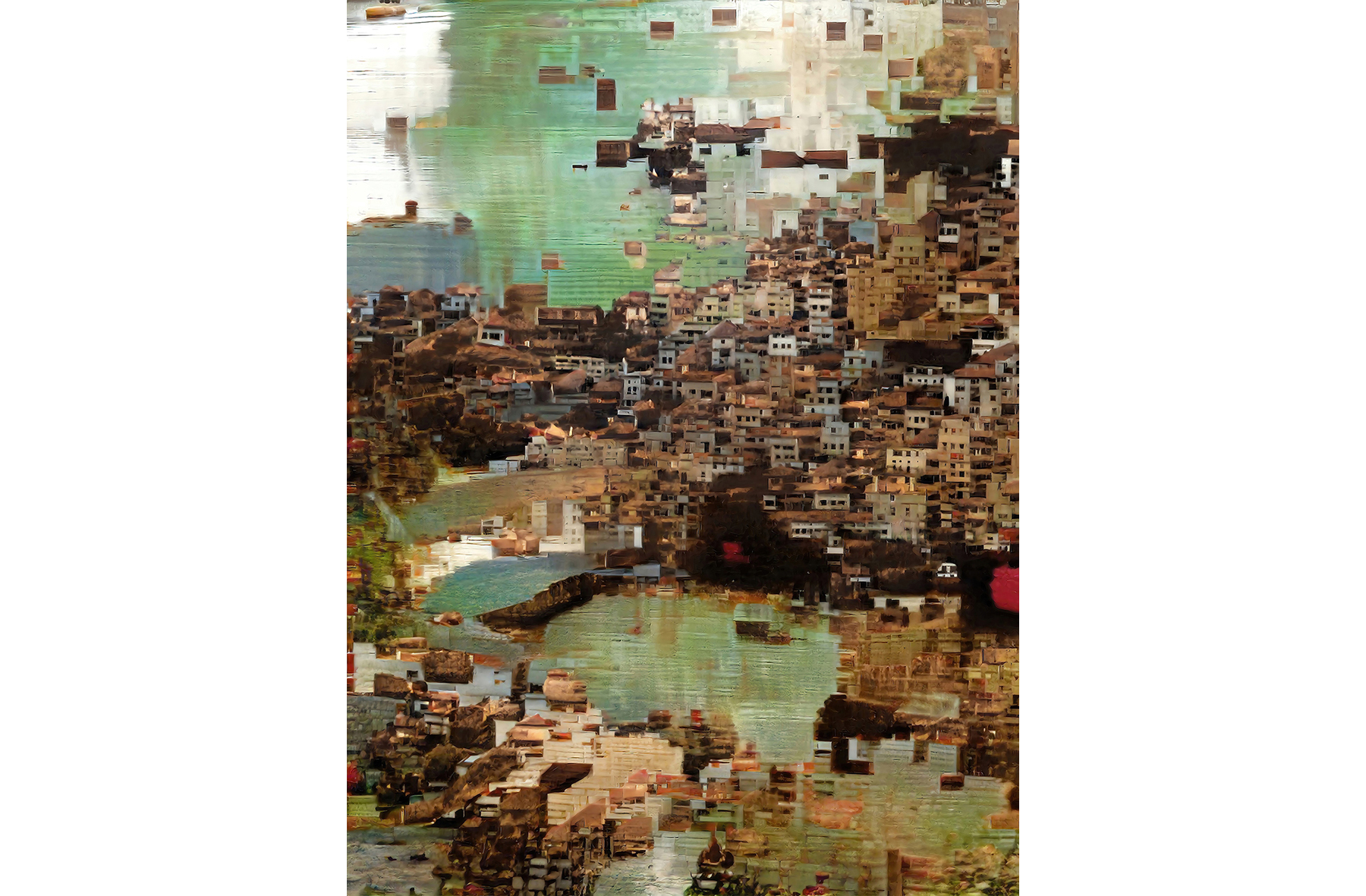
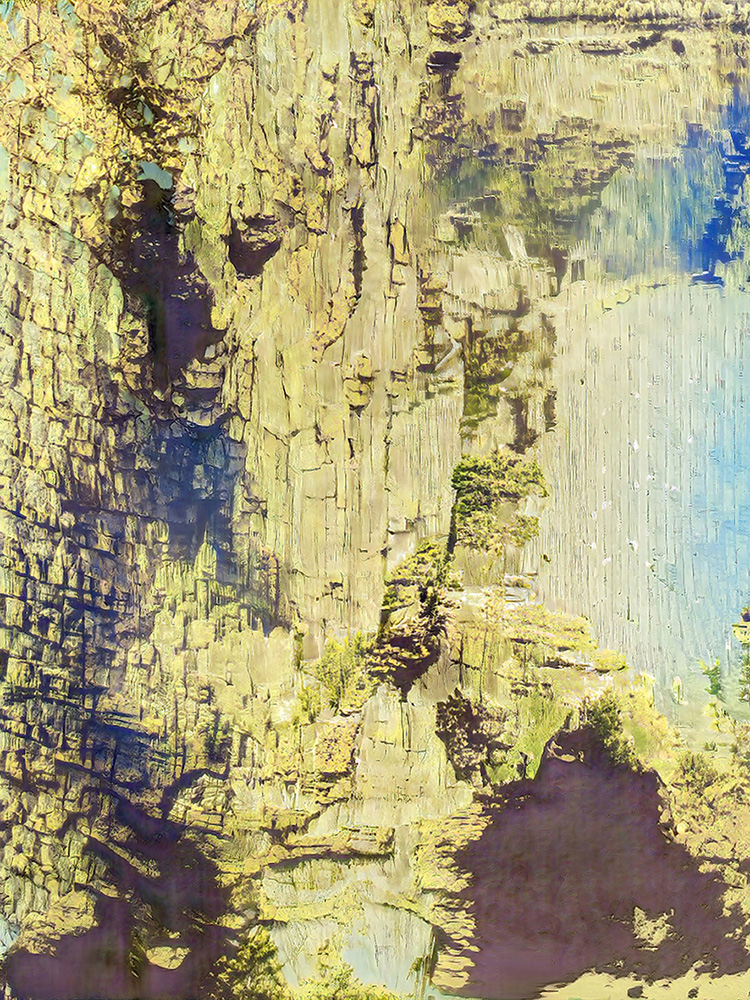
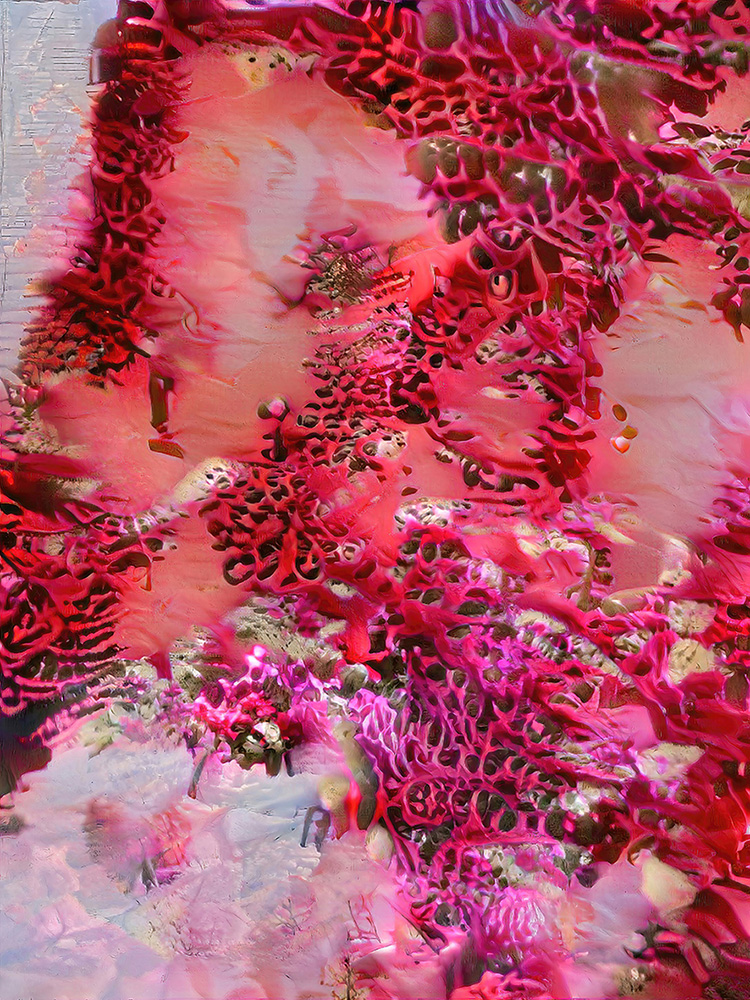
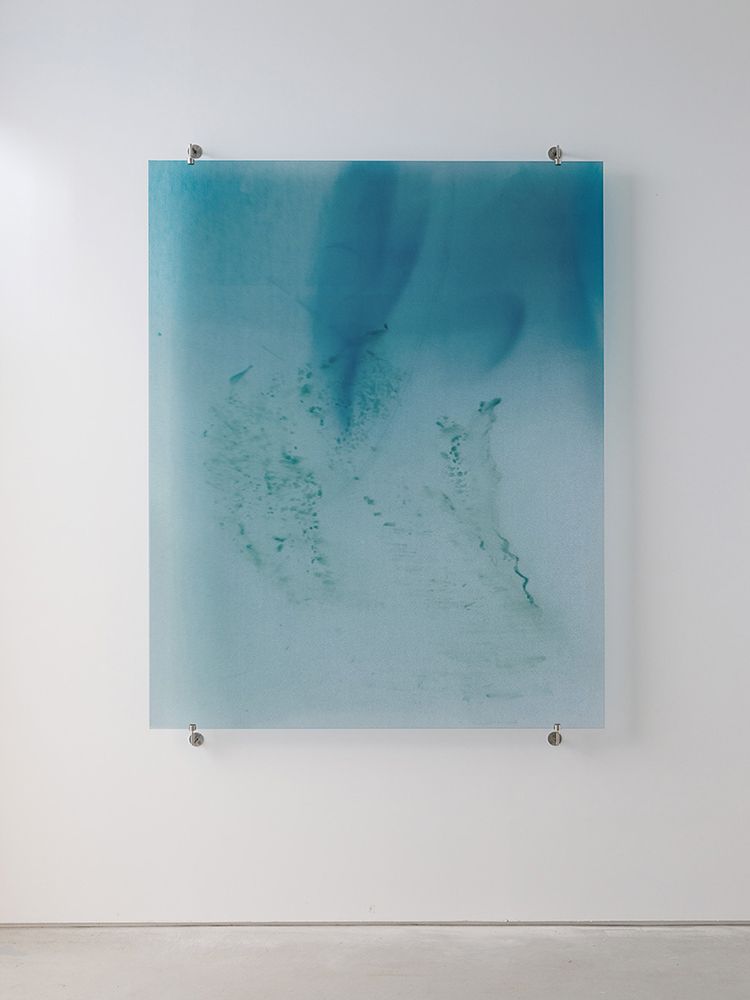
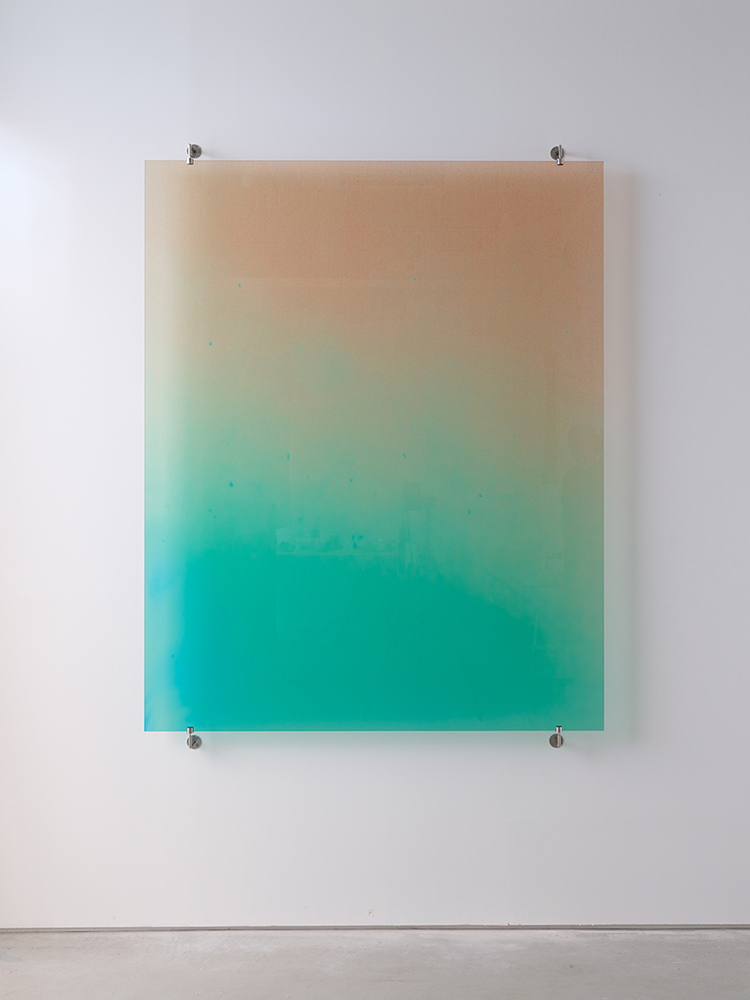
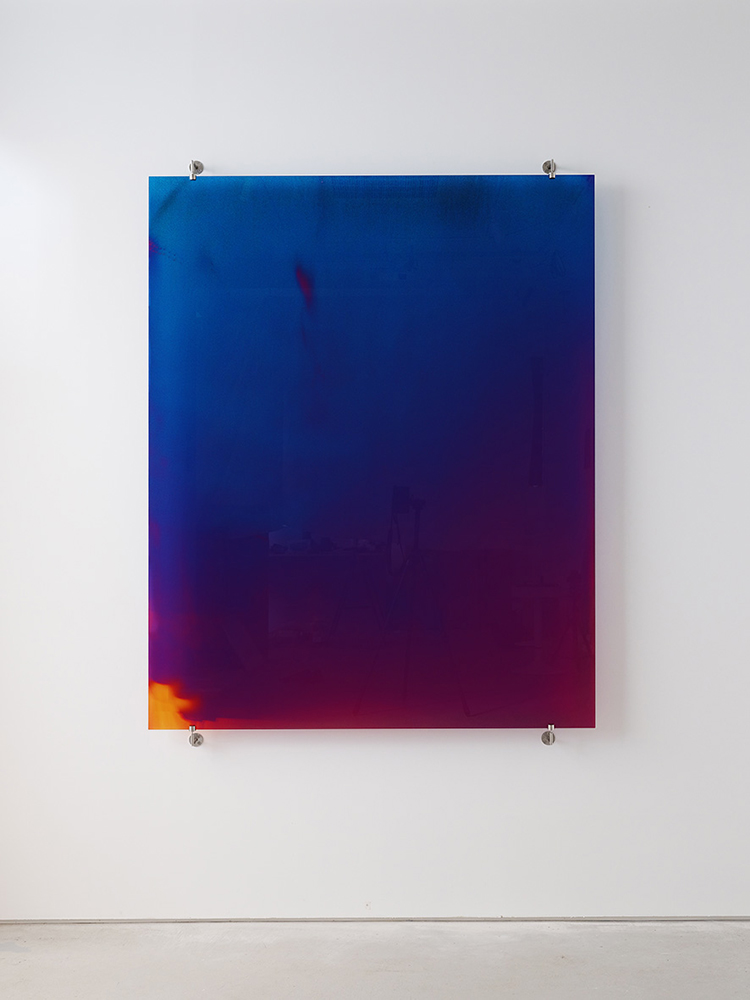
Zai Nomura introduces a visceral material presence to the exhibition through his UV-printed photographic works. Spanning pieces produced between 1981 and 2026, Nomura’s practice interrogates the surface tension of the print. By layering photographic emulsions and digital prints onto unconventional substrates, Nomura bridges the gap between historical photographic techniques and contemporary post-digital materiality. His works reflect on aging, memory, and the physical degradation of both images and the subjects they depict.
4. Baku Hashimoto: Milling Stop-Motion
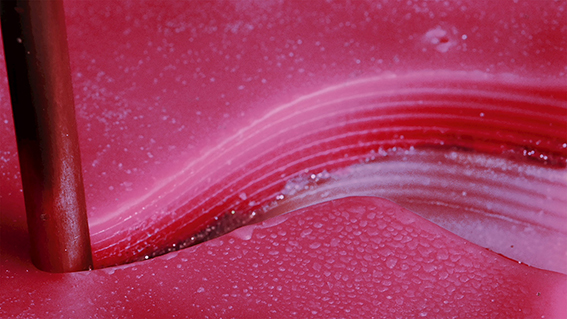
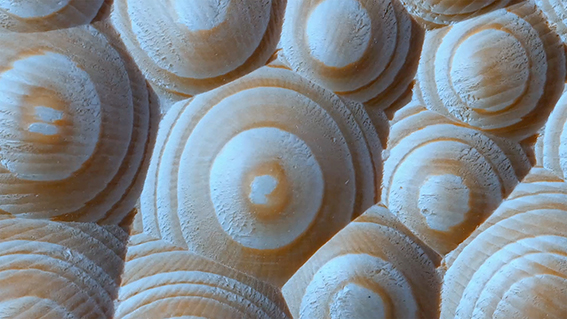
Moving deeper into computational territory, Baku Hashimoto’s Milling Stop-Motion (tentative title, 2024–present) explores the intersection of physical fabrication and digital time. Hashimoto employs algorithmic processes, 3D modeling, and motion-control machinery to create a mesmerizing hybrid of stop-motion animation and digital sculpture. The works capture the kinetic friction of materials being shaped by invisible digital forces, offering a meditation on how digital code dictates physical form.
5. Asako Fujikura: Algorithmic Topographies
Asako Fujikura closes the curatorial circle with 4 Tales of Open Sunrise City (tentative title, 2026). Fujikura’s computer-generated environments and video installations construct fictional urban landscapes that feel chillingly familiar yet entirely unmoored from geographic reality. Utilizing game engines, 3DCG, and procedural generation, Fujikura explores the psychological landscapes of contemporary cities, examining how digital infrastructure mediates human solitude and desire.
Supporting Context & Exhibition Metrics
To fully appreciate the scope of The Shaping of Views, Vol. 23, one must examine the institutional framework and logistical parameters supporting its execution.
Venue: Tokyo Photographic Art Museum (1st Floor Exhibition Gallery)
Exhibition Duration: January 17, 2027 – [Spring Run]
Capacity & Attendance Limits: The 1st-floor gallery accommodates up to 190 visitors concurrently to ensure optimal viewing conditions and crowd circulation.
Special Programming: A robust series of gallery talks, artist-led workshops, and academic symposia run throughout the duration of the exhibition, featuring keynotes from media theorists and participating artists.
Event Date
Time
Featured Program & Guest Speakers
October 18
14:00 – 15:30
Curatorial Dialogue: Sayuri Ichida × Guest Media Theorist
Computational Sculpture: Baku Hashimoto × Digital Media Artist
January 10
14:00 – 15:30
Algorithmic Futures: Asako Fujikura × Cultural Anthropologist
Note: Advance reservations via the museum’s online ticketing portal are strongly encouraged, particularly for weekend lecture series and specialized symposia.
Official Statements & Curatorial Vision
The curatorial team behind Vol. 23 issued a comprehensive joint statement detailing the philosophical underpinnings of the exhibition:
"In an epoch where the line between documentation and generation has dissolved, photography can no longer be understood simply as a passive window onto the world. The works gathered in this exhibition—ranging from physical miniatures meticulously lit by Sayuri Ichida to the procedural cities generated by Asako Fujikura—demonstrate that the camera, the computer, and the algorithm are active participants in reality-creation.
We are no longer asking whether an image is ‘real.’ Instead, we are asking what kind of reality the image brings into existence. By examining how artists construct, distort, and reimagine physical and virtual spaces, Vol. 23 seeks to equip viewers with the critical literacy required to navigate the synthetic landscapes of the 21st century."
This sentiment is echoed throughout the gallery spaces, where wall texts challenge visitors to consider the political and psychological implications of algorithmic vision. As machine learning models increasingly dictate what we see, consume, and believe, exhibitions like The Shaping of Views provide a vital sanctuary for critical reflection.
Future Outlook: The Legacy of the Constructed Image
As The Shaping of Views, Vol. 23 continues its run at the Tokyo Photographic Art Museum through early 2027, its broader implications for the future of contemporary art curation are already becoming clear. The exhibition signals a definitive shift away from the tired dichotomy of "analog purity versus digital contamination."
Instead, contemporary photographic practice is increasingly defined by its promiscuous hybridity—a seamless blending of physical sculpture, optical lenses, 3D modeling, and artificial intelligence. Artists like Ichida, Karibe, Nomura, Hashimoto, and Fujikura are not running away from the technological disruptions of our time; they are dissecting them from the inside out.
For visitors stepping out of the museum’s 1st-floor gallery and back into the sprawling, neon-drenched reality of modern Tokyo, the city looks fundamentally transformed. The billboards, the surveillance cameras, the algorithmic feeds on smartphones, and the towering concrete structures no longer appear as mere background scenery. Through the lens of The Shaping of Views, they are revealed for what they truly are: an ongoing, collectively authored fiction that we continue to build, capture, and question.
For further information regarding ticket reservations, accessibility services, and specialized gallery tours, visitors are advised to consult the official Tokyo Photographic Art Museum website.









Belum ada komentar. Jadilah yang pertama berkomentar!