

Executive Overview
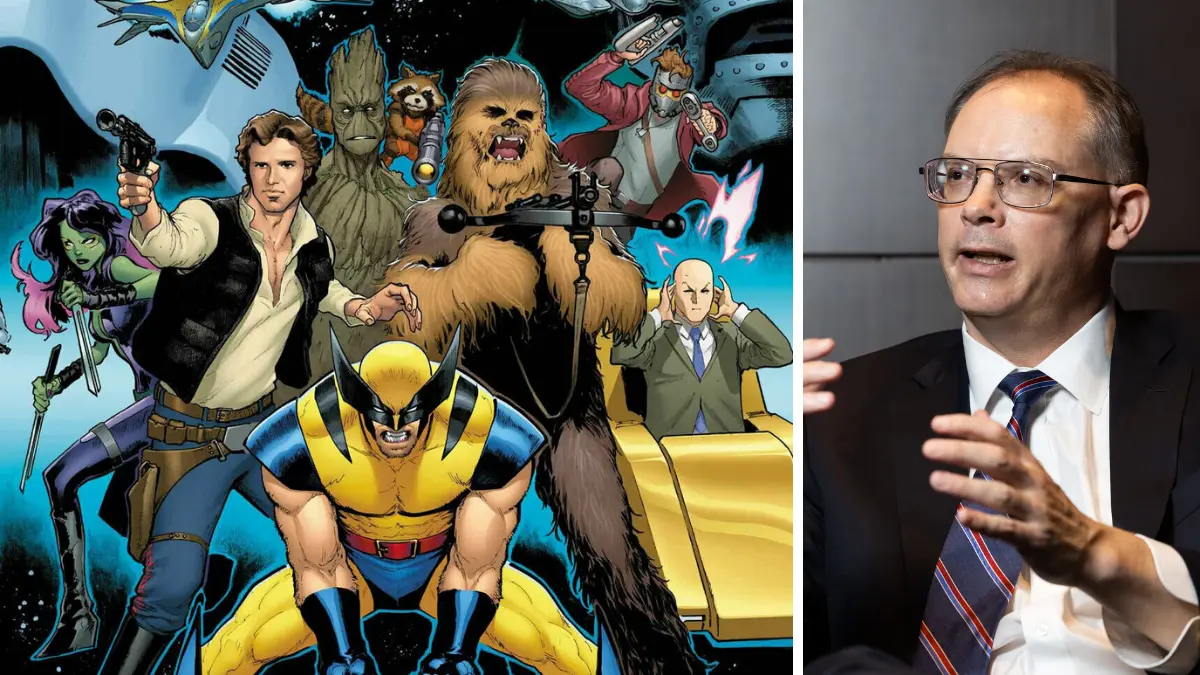
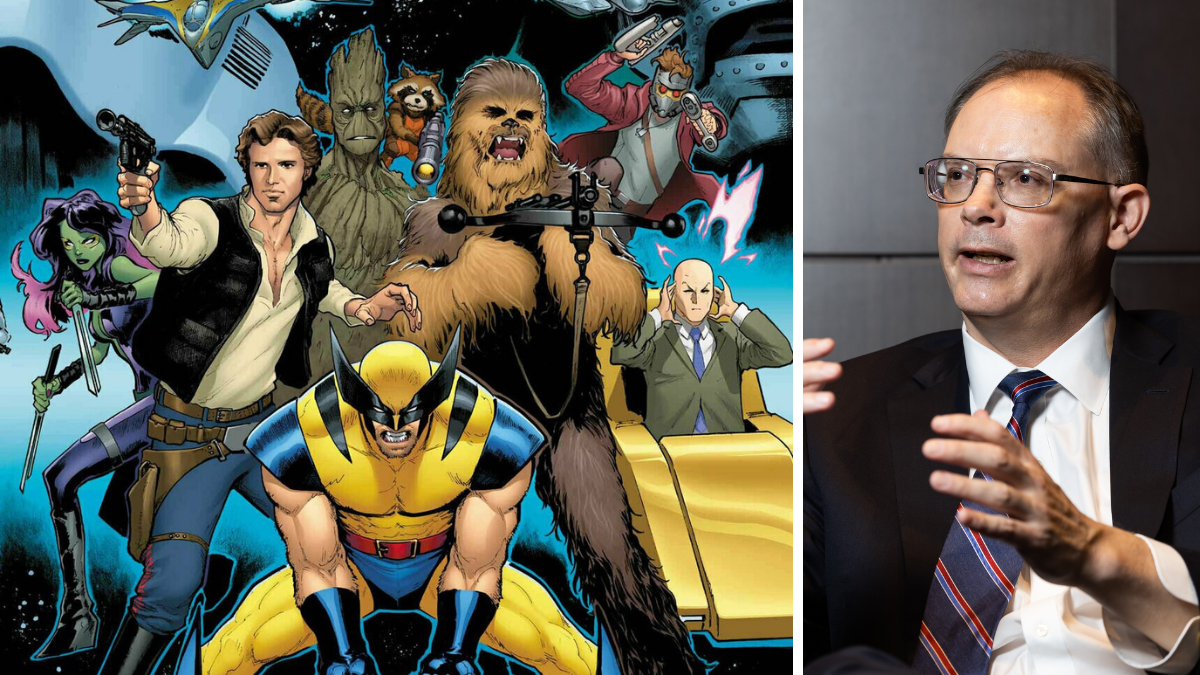
In a seismic shift that underscores the rapid integration of generative artificial intelligence into mainstream triple-A video game production, Epic Games has indefinitely delayed an unannounced, high-profile shooter project featuring a crossover of Disney’s massive Star Wars and Marvel franchises. Originally slated for a March 2027 release, the project has hit a major roadblock as studio executives abruptly instructed development teams to pivot toward an uncompromising "AI-first" production model.
According to internal communications leaked to industry media, development leads have been directed to overhaul their standard pipelines in favor of automated systems. This includes utilizing advanced language models—specifically tools such as Anthropic’s Claude—for narrative and coding support, alongside deploying end-to-end generative AI workflows for asset creation and environmental art.
The indefinite postponement arrives on the heels of a turbulent period for Epic Games, which has struggled with a confluence of economic headwinds, shifting consumer hardware markets, and costly legal battles. By staking the future of one of its most lucrative intellectual property collaborations on unproven, generative technology, Epic Games is signaling a profound cultural and operational pivot—one that has already ignited intense debate across the global gaming community regarding the future of creative integrity, workforce sustainability, and corporate inevitability.
Detailed Chronology: From Pipeline Production to the "AI-First" Mandate
The genesis of the Star Wars and Marvel crossover project was rooted in Epic Games’ continued, highly lucrative partnership with The Walt Disney Company. Disney previously invested $1.5 billion into Epic Games to build a persistent "games and entertainment universe" centered around Fortnite, positioning Epic as a primary interactive storefront for some of the world’s most valuable entertainment franchises.
The unannounced shooter was positioned as a crown jewel in this ongoing collaboration, blending the universe-spanning aesthetics of Lucasfilm and Marvel Studios into a unified gameplay experience. However, internal realities within Epic Games began to strain the project’s timeline well before the recent shutdown.
The Pivot Unveiled
According to industry reports surfacing in mid-October 2026, development teams working on the cross-property shooter were pulled into sudden alignment meetings. Studio leadership informed staff that the March 2027 launch window was officially off the table. Rather than granting extensions to accommodate standard creative workflows, management delivered a sweeping directive: the project must immediately transition to an "AI-first" operational framework.
Under the new directives:
- Generative Scripting and Design: Teams are instructed to integrate platforms like Anthropic’s Claude to draft dialogue, iterate on quest parameters, and generate foundational code structures.
- Automated Art Pipelines: Traditional 3D modeling, texture mapping, and concept art pipelines are being restructured to rely heavily on full AI generation workflows, reducing the reliance on human digital artists for initial asset generation.
- Indefinite Delay: With the underlying production methodology being completely rewritten, studio leadership has declined to provide a revised launch date, leaving the future of the title shrouded in uncertainty.
This abrupt halt highlights the friction that occurs when massive corporate entities attempt to force emerging, highly controversial technologies onto complex creative pipelines designed for human collaboration and artistic iteration.
Supporting Context & Metrics: Economic Strain and the Push for Automation
To understand Epic Games’ sudden embrace of generative AI, one must examine the broader financial and structural pressures facing the company over the past few years. The gaming industry at large has experienced a prolonged post-pandemic cooling period, but Epic has faced unique, compounding challenges.
The Human Cost of Restructuring
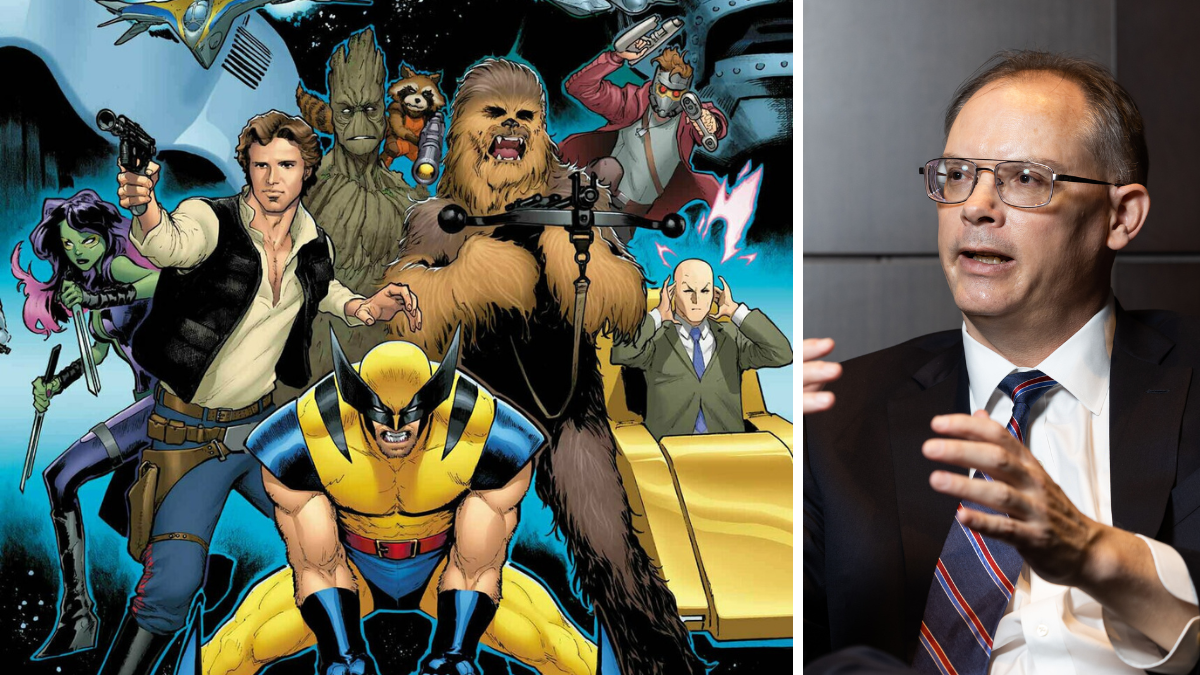
In March, Epic Games executed a sweeping round of layoffs, cutting more than 1,000 employees—roughly 16% of its workforce. In a transparent memo to staff at the time, CEO Tim Sweeney acknowledged the harsh reality of the company’s financial standing:
"We’ve been spending significantly more money than we’re earning, investing in the next evolution of Epic and growing Fortnite as a metaverse ecosystem for players and creators."
Sweeney pointed to a broad deceleration in console hardware sales, the stagnation of consistent seasonal engagement growth for Fortnite, and the staggering financial drain of Epic’s multi-year antitrust litigation against tech giants Apple and Google as primary drivers for the downsizing.
The Financial Logic of Generative AI
Faced with bloated development budgets, ballooning team sizes, and mounting pressure to deliver high-fidelity content at an accelerated pace, publishers across the tech sector are increasingly looking to artificial intelligence as a silver bullet for profitability.
Triple-A game development cycles now frequently span five to eight years, with budgets easily eclipsing hundreds of millions of dollars. By mandating an "AI-first" approach—even on marquee projects backed by Disney’s intellectual property—Epic Games is attempting to drastically compress production timelines and reduce headcount overhead. Whether these automated workflows can successfully deliver the polish and emotional resonance expected of multi-billion-dollar franchises remains the central gamble of the strategy.
Official Statements and Industry Reactions
The disclosure of Epic’s pivot has sent shockwaves through the video game development community, drawing sharp contrasts between corporate optimism and developer anxiety.
Shortly after the initial reports broke, Epic Games CEO Tim Sweeney took to social media platform X to address the industry discourse. While avoiding direct confirmation of every internal directive, Sweeney’s commentary touched upon a broader philosophical stance regarding consumer nostalgia, technological progression, and the inevitability of industry transformation.
"The tech industry knows that it doesn't matter whether you like it or not: you'll get what you're given."Industry analysts and veteran developers have been quick to weigh in on the implications of the move:
- The Homogenization Concern: Critics argue that relying on generative models trained on existing internet data inevitably leads to aesthetic and narrative homogenization. Because Fortnite, Star Wars, and Marvel already share a polished, corporate-mandated digital gloss, critics note that AI-generated content within these ecosystems risks sliding seamlessly into "AI slop"—a frictionless, weightless pastiche of pop culture tropes lacking distinct human voice.
- Labor and Ethical Implications: The pivot has renewed intense scrutiny regarding the displacement of human artists, writers, and programmers. Unions and advocacy groups have condemned the decision to replace specialized creative labor with algorithms, particularly after a year marked by historic job losses across the entire interactive entertainment sector.
Future Outlook: A Harbinger of the Next Era of Gaming?
The indefinite delay of Epic Games’ Star Wars and Marvel shooter and its forced metamorphosis into an AI-first experiment may well serve as a watershed moment for the video game industry.
If Epic Games succeeds in utilizing generative workflows to push out a polished, commercially viable blockbuster, it will undoubtedly embolden other major publishers—such as Electronic Arts, Ubisoft, and Sony—to accelerate their own internal AI integration plans. The economic incentives for corporate boards are simply too high to ignore if automated pipelines can successfully reduce production costs by even a fraction.
Conversely, if the project suffers from critical developmental bottlenecks, narrative incoherence, or a severe backlash from consumers unwilling to pay full price for AI-assisted products, it could serve as a cautionary tale against the hollow pursuit of technological silver bullets.
For now, players, developers, and industry observers are left waiting in limbo. As the line between human-crafted art and machine-generated content continues to blur, the ultimate question facing Epic Games is not just whether they can finish their ambitious Disney crossover, but whether the "Fortnite magic" they seek to automate can survive the removal of the human soul at its core.






Belum ada komentar. Jadilah yang pertama berkomentar!