

Date: May 28, 2026
Category: Market Analysis & Collector Guides
Executive Overview
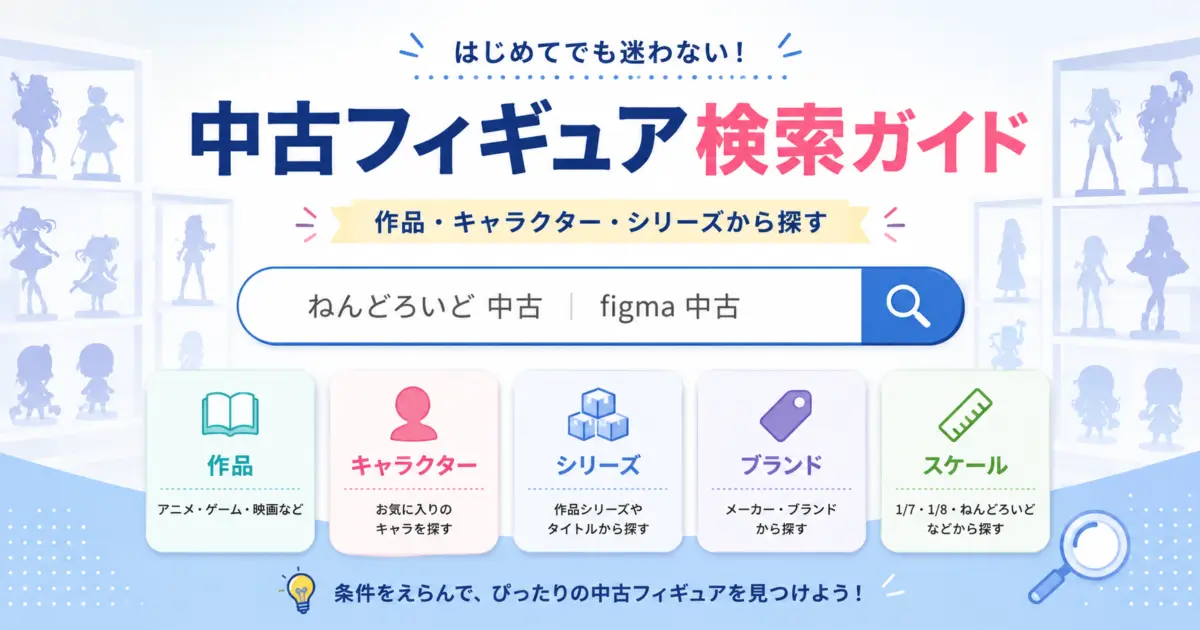
The secondary market for pre-owned hobby figures has experienced unprecedented growth, shifting from a niche subculture into a multi-billion-dollar global industry. Driven by online peer-to-peer marketplaces, specialized collector platforms, and real-time data tracking systems, navigating the ecosystem of buying and selling pre-owned figures has become both more accessible and more complex.
Whether you are looking to offload rare limited-edition pieces from your personal collection or hunt down discontinued holy grails to complete a display shelf, understanding the underlying economics, authentication processes, and transactional safeguards of the secondary market is essential. This comprehensive guide breaks down the current state of the pre-owned figure market, offering actionable insights for both seasoned veterans and new hobbyists alike.
Detailed Chronology: The Evolution of the Pre-Owned Figure Market
To fully grasp the current landscape of the second-hand figure market, it is necessary to examine how the ecosystem evolved from local garage sales and bulletin boards to sophisticated global digital infrastructures.
Phase 1: The Grassroots Era (Early 2000s – Early 2010s)
In the early days of collecting, the secondary market was heavily localized and fragmented. Hobbyists relied primarily on physical meetups, convention dealer rooms, and niche web forums (such as early iterations of Figure.fm and MyFigureCollection community boards). Transactions were characterized by high friction: international shipping was costly, escrow services were rare, and pricing guidelines were largely subjective. Collectors often took significant financial and authenticity risks when purchasing high-value items from overseas sellers.
Phase 2: The Digital Marketplace Expansion (Mid 2010s – 2020)
The proliferation of dedicated e-commerce platforms and the optimization of cross-border shipping changed the paradigm. Auction sites and peer-to-peer marketplaces integrated automated currency conversion, buyer protection guarantees, and standardized grading metrics. Platforms like Yahoo! Auctions Japan became increasingly accessible to international buyers through proxy shopping services, democratizing access to exclusive Japanese releases that previously remained locked behind domestic barriers.
Phase 3: The Data-Driven Boom (2021 – Present)
Today, the secondary market operates with unprecedented transparency. Advanced tracking tools, algorithmic price aggregation, and real-time market indices allow collectors to monitor value fluctuations with stock-market-like precision. Authentication guides, high-definition bootleg comparisons, and verified seller rating systems have drastically reduced fraud, fostering greater consumer confidence and driving institutional interest into what was once considered a strictly alternative asset class.
Supporting Context & Metrics: Understanding Market Dynamics
The valuation of pre-owned figures is dictated by a complex interplay of supply, demand, manufacturing quality, and cultural relevancy. Understanding these metrics can help collectors make informed purchasing decisions and maximize return on investment when selling.
1. Supply and Demand Fundamentals
- Limited Production Runs: Figures produced in strictly limited quantities—such as exclusive convention variants, lottery prizes (Ichiban Kuji), or manufacturer-direct exclusives—tend to appreciate most aggressively on the secondary market.
- Manufacturer Reputation: Premium brands like Alter, Good Smile Company, Hot Toys, and Megahouse generally maintain higher residual values due to their consistent sculpt quality, intricate paint applications, and durable materials.
- IP Longevity: The popularity of the source anime, manga, video game, or comic directly influences secondary demand. Surges in media attention (e.g., a new season airing or a cinematic release) often trigger immediate spikes in secondary market valuations for related character figures.
2. Condition Grading Standards
Unlike sealed retail items, pre-owned figures are subject to rigorous condition assessments. Market standards typically categorize items into specific tiers:
- Mint in Box (MIB) / Unopened: The figure has never been removed from its original packaging, and the packaging itself shows zero to minimal shelf wear.
- Like New (Opened, Displayed Carefully): The figure was removed from its box and displayed in a controlled environment (out of direct sunlight, smoke-free), with all original accessories and packaging included.
- Good / Fair (Minor Flaws): The figure may exhibit minor paint transfer, slight dust accumulation, or missing secondary accessories. The original box may have significant wear, creasing, or tears.
Official Statements and Industry Insights
Industry analysts and veteran collectors emphasize that while the secondary market offers incredible opportunities, due diligence remains the primary defense against counterfeit products and overpricing.
"The secondary market is no longer just a hobbyist dumping ground for unwanted items; it is a sophisticated ecosystem governed by real-time data, verified grading standards, and global consumer expectations," notes a leading market researcher specializing in pop-culture collectibles. "Buyers who take the time to study price trends, inspect seller credentials, and verify item authenticity consistently secure the best long-term value."
Furthermore, prominent aftermarket platforms have implemented stricter verification protocols to combat the influx of high-quality bootlegs, particularly for popular scale figures from franchises like Fate/Grand Order, Genshin Impact, and classic mecha series. Experts advise utilizing proxy services or trusted secondary vendors who offer physical inspection guarantees before funds are released to the seller.
Future Outlook: Trends to Watch in the Collector Ecosystem
As we look toward the remainder of the decade, several key trends are poised to reshape how pre-owned figures are bought and sold:
- Blockchain-Verified Provenance: High-end manufacturers and specialty marketplaces are exploring digital certificates of authenticity linked to physical figures, allowing collectors to verify a piece’s ownership history and authenticity instantly.
- AI-Powered Valuation Tools: Emerging algorithms will soon enable collectors to snap a photo of a figure and instantly receive historical pricing data, current market averages, and condition-adjusted value recommendations.
- Sustainable Packaging and Logistics: With global shipping costs remaining volatile, secondary market platforms are optimizing regional fulfillment hubs to reduce transit times and carbon footprints for cross-border trades.
By staying informed on these evolving dynamics, leveraging robust tracking tools, and adhering to strict authentication protocols, collectors can navigate the pre-owned figure market with confidence, ensuring that every acquisition enhances their collection and every sale yields fair market value.




Belum ada komentar. Jadilah yang pertama berkomentar!