

Executive Overview
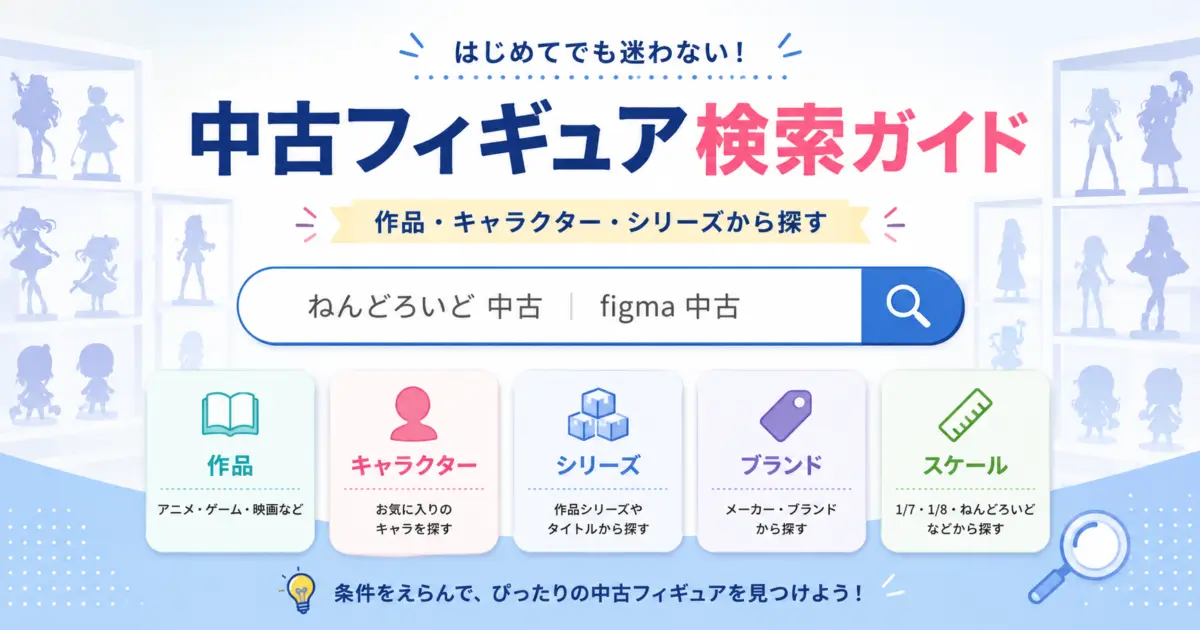
The secondary market for collectible figures has undergone a structural transformation over the past decade, shifting from a niche hobby dominated by independent collectors and specialty convention vendors into a multi-billion-dollar global ecosystem. Driven by accelerated digitization, broader mainstream acceptance of pop culture merchandise, and sophisticated logistics networks, the trade of pre-owned figures now rivals primary retail in both economic scale and consumer engagement.
As prominent online marketplaces—including specialized platforms, auction sites, and major e-commerce aggregators—refine their authentication processes, consumer trust has reached unprecedented levels. This comprehensive report examines the underlying market dynamics, the integration of advanced verification technologies, the changing demographics of collectors, and the future trajectory of the secondary figure economy.
Detailed Chronology of Market Evolution
To understand the current maturity of the secondary figure market, it is essential to trace its evolution from fragmented peer-to-peer exchanges to structured, institutionalized digital marketplaces.
Phase 1: The Grassroots Era (Late 1990s – Early 2000s)
In the early days of modern anime and pop culture collecting, acquiring rare or imported figures required navigating specialized hobby shops, physical conventions, or overseas mail-order services. The secondary market during this era was largely localized and opaque. Transactions relied heavily on message boards, bulletin board systems (BBS), and early online auction platforms where pricing was volatile and authentication risks were exceptionally high. Buyers frequently assumed significant risk regarding product authenticity, shipping reliability, and item condition.
Phase 2: The Digital Transition and Marketplace Expansion (2010s)
As e-commerce matured, dedicated collectors began leveraging global auction sites and specialized forums to buy and sell pre-owned inventory. This period saw the introduction of user-generated rating systems, escrow services, and localized translation tools that bridged cross-border gaps. However, the market remained fragmented. Counterfeit products (bootlegs) continued to circulate widely, presenting a major barrier to entry for novice collectors who lacked the expertise to distinguish authentic manufacturers like Good Smile Company, Alter, or Max Factory from illicit replicas.
Phase 3: Institutionalization and Technological Verification (Present)
Today, the secondary figure market is characterized by robust consumer protections, institutional backing, and advanced technological integration. Leading marketplaces have implemented rigorous verification protocols, professional grading standards, and automated anti-counterfeiting algorithms. The integration of artificial intelligence and machine learning has further streamlined the authentication of rare statues, scales, and figma releases, ensuring that buyers can transact with a high degree of confidence.
Supporting Context & Metrics: The Scale of Modern Collecting
The economic footprint of the secondary figure market extends far beyond casual hobbyist circles. Driven by high-demand limited editions, exclusive convention releases, and characters from globally recognized franchises, transaction volumes have surged across international borders.
Key Economic Drivers
- Global Demand for Limited Runs: Manufacturers often produce limited quantities of high-end PVC figures and statues. Once a primary retail window closes, the secondary market becomes the sole avenue for acquisition, driving up valuation for rare pieces.
- Diversification of Asset Classes: Much like the vintage toy and trading card markets, rare anime and gaming figures are increasingly viewed by select buyers not only as display pieces, but as alternative investment assets.
- Technological Traceability: Modern platforms utilize serial numbers, NFC tags, and blockchain-based provenance tracking to verify authenticity, mitigating the risk of fraud that previously plagued high-value transactions.
Official Statements and Industry Insights
Industry leaders, marketplace executives, and authorized retail representatives have increasingly spoken out regarding the professionalization of the pre-owned market. According to recent whitepapers and executive briefings from major online hobby portals, the strategic focus has shifted heavily toward user trust and logistical transparency.
"The secondary market is no longer a fringe element of the broader pop culture merchandise industry; it is a critical pillar that sustains long-term collector engagement. By establishing rigorous authentication standards and transparent pricing models, marketplaces protect both the consumer and the integrity of the original creators."
— Industry Market Analyst Report
Furthermore, prominent manufacturers have begun collaborating directly with secondary platforms to provide definitive authentication guides, helping buyers identify authorized packaging, official holographic seals, and maker-specific manufacturing stamps. This collaboration has drastically reduced the prevalence of unauthorized bootlegs in secondary circulation.
Future Outlook: Trends Shaping the Next Decade
As the secondary figure market looks toward the future, several key trends are expected to define its development:
- Enhanced Authentication Protocols: Expect wider adoption of digital certificate systems, where physical figures are paired with unique digital identifiers (such as secure cloud-based registries or near-field communication chips) to verify origin and ownership history instantly.
- AI-Driven Valuation Tools: Advanced algorithms will soon provide real-time, data-driven pricing recommendations based on historical sales data, condition grading, and current market sentiment, bringing unprecedented transparency to buyers and sellers alike.
- Sustainable Logistics and Packaging: With growing emphasis on environmental responsibility, secondary marketplaces are optimizing shipping networks and promoting sustainable packaging materials to handle fragile, high-value collectibles safely across global transit routes.
- Regulatory and Tax Harmonization: As cross-border trade in pre-owned collectibles scales, digital platforms are streamlining international customs clearance and localized tax compliance, making global acquisition smoother than ever before.
In conclusion, the secondary figure market has evolved from an informal, high-risk hobbyist exchange into a sophisticated, transparent, and economically vital sector of the global entertainment merchandise industry. Through continued technological innovation and a steadfast commitment to authenticity, the ecosystem is well-positioned for sustained growth in the years to come.






Belum ada komentar. Jadilah yang pertama berkomentar!