

Executive Overview
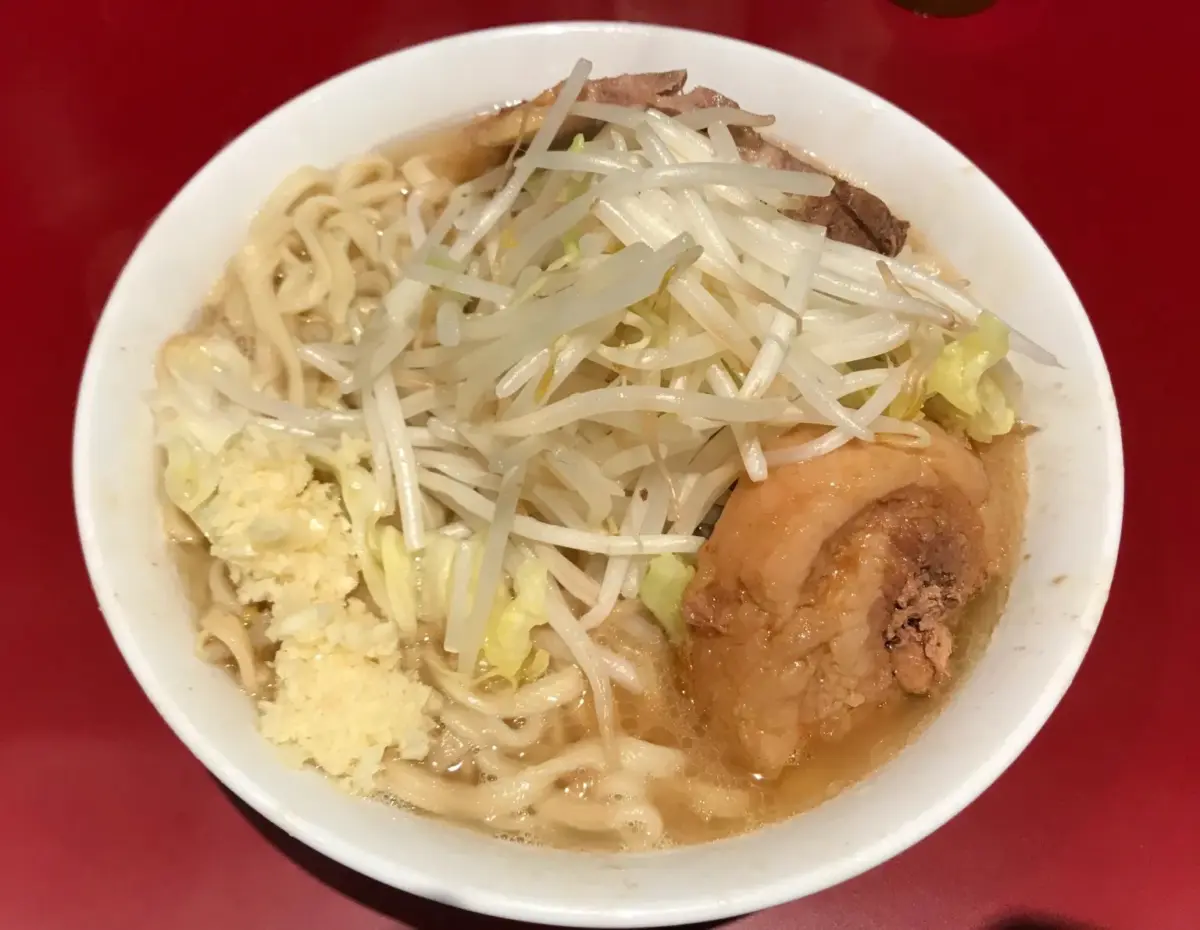
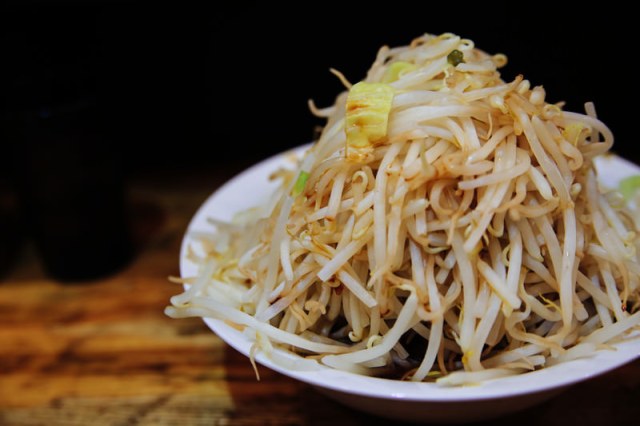
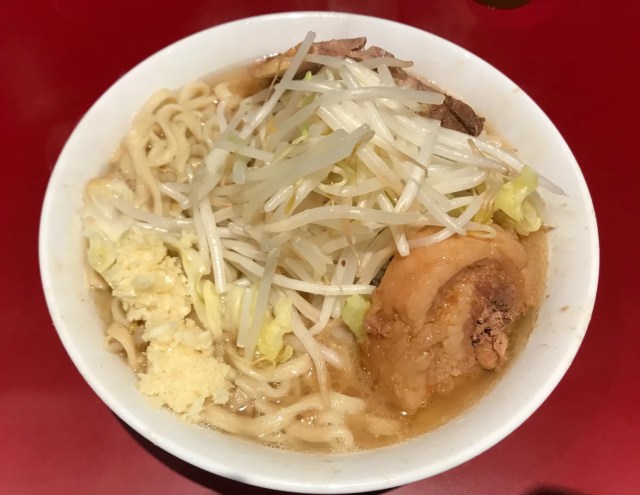
In the culinary landscape of Japan, few phenomena possess the fervent, almost zealous devotion commanded by Jiro-style ramen. Characterized by towering, gravity-defying mounds of blanched bean sprouts (moyashi), thick and chewy noodles, emulsified pork-fat broth, and massive slabs of chashu pork, this style of ramen is more than a meal—it is a subculture. Devotees, colloquially known as Jiro-ians, are notoriously loyal, occasionally exhibiting levels of commitment so fierce they have been documented continuing to eat their bowls as nearby fires engulf restaurant buildings.
Yet, this beloved culinary institution faces an existential threat that originates not from shifting consumer tastes or culinary trends, but from the unglamorous, highly pressurized world of agricultural supply chains. A quiet, compounding crisis has gripped Japan’s bean sprout industry. Spurred by surging inflation, skyrocketing fuel and fertilizer costs, and an unyielding retail ecosystem that fiercely resists price adjustments, the foundation of Japan’s most affordable and iconic vegetable is cracking.
The sudden, unannounced shutdown of Saiki Shokuhin—a major bean sprout producer in the Kanto region surrounding Tokyo—served as a five-alarm warning bell. Across the country, the number of bean sprout producers has plummeted dramatically over the past two decades, dropping from 235 operations in 2009 to a mere 86. As the supply chain deteriorates, ramen shop owners are forced to scour local supermarkets just to secure the basic ingredients necessary to keep their signature dishes on the menu.
This deep dive examines the anatomy of Japan’s bean sprout crisis. By analyzing the macro-economic pressures facing agricultural producers, the structural flaws of retail pricing negotiations, and the ripple effects pulsing through the nation’s beloved ramen economy, we uncover how a 30-yen bag of vegetables exposes the precarious reality of modern Japanese consumer economics.
Detailed Chronology: The Collapse of the Sprout Supply Chain
The structural decline of Japan’s bean sprout industry is not an overnight catastrophe, but rather the culmination of years of suppressed economic pressures finally reaching a boiling point. To understand how a staple agricultural product essential to both home cooking and commercial dining arrived at the precipice of collapse, one must examine the timeline of systemic attrition.
The Decimation of Production Capacity (2009–2026)
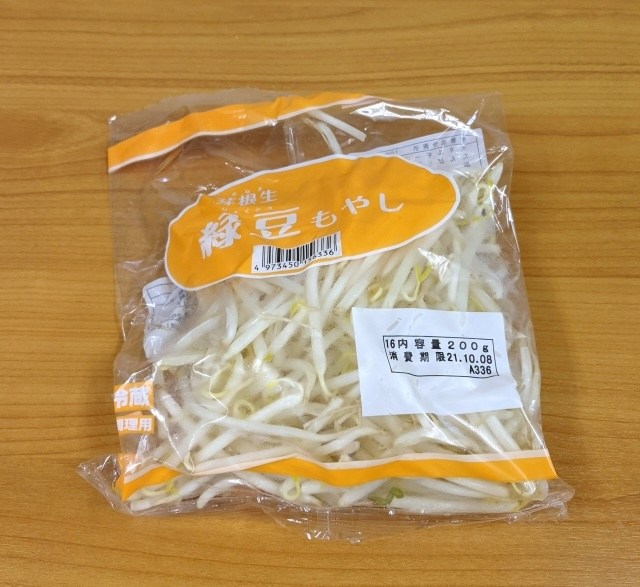
For generations, bean sprouts functioned as the ultimate macroeconomic anomaly in Japan: a fresh vegetable that remained remarkably, almost defiantly, cheap. In supermarkets across the country, standard packs could consistently be purchased for well under 100 yen (approx. $0.63 USD), with discount operations frequently pricing them as low as 19 to 28 yen.
This affordability, however, was built on a razor-thin margin of mass production and absolute price stability. As operating costs—encompassing water, electricity for climate-controlled growth facilities, high-grade seeds, fertilizer, and agricultural packaging—began to climb steadily over the last fifteen years, producers found themselves trapped.
Data from agricultural ministries and industry trackers highlight the devastating toll of this squeeze. Between 2009 and 2026, the number of dedicated bean sprout producers in Japan collapsed by nearly 63 percent, plunging from 235 businesses down to just 86. Independent family farms and mid-sized regional wholesalers alike discovered that the math of modern agriculture no longer closed the loop between production expenses and wholesale revenue.
The Saiki Shokuhin Shock (June 2026)
The chronic illness of the sector flared into an acute emergency in June 2026. Saiki Shokuhin, a cornerstone producer of bean sprouts servicing the densely populated Kanto region, abruptly suspended operations without prior notice to its commercial clients. What initial industry murmurs dismissed as a temporary logistical hiccup rapidly materialized into a permanent shuttering.
The sudden disappearance of Saiki Shokuhin from the market instantly strained regional supply chains. Commercial buyers who relied on predictable, large-volume deliveries found themselves cut off overnight. Major Jiro-style ramen establishments, which consume hundreds of kilograms of bean sprouts daily to maintain their trademark mountainous presentations, were forced into emergency scrambling mode.
The Scramble on Social Media and Store Shelves
In the wake of Saiki Shokuhin’s collapse, Japanese social media platforms became an outlet for anxious restaurant owners and bewildered consumers. Restaurateurs shared accounts of driving from supermarket to supermarket at dawn, clearing out retail shelves of individual consumer packs just to secure enough inventory to open their doors for the day’s lunch service.
Industry analysts quickly pointed out the absurdity—and fragility—of the situation. A Jiro-style ramen bowl devoid of its towering crown of moyashi ceases to be Jiro-style ramen; it loses its textural counterweight, its visual identity, and its structural integrity. For a dining culture built on abundance, the prospect of rationing a vegetable historically treated as infinite was nothing short of dystopian.
Supporting Context & Metrics: The Economics of Cheap Food
To fully grasp why bean sprout producers are going bankrupt while demand remains at an all-time high, one must analyze the complex web of retail pressure, consumer purchasing power, and macroeconomic inflation in contemporary Japan.
[Rising Production Costs: Fuel, Utilities, Seeds, Fertilizer]
                          │
                          ▼
[Rigid Retail Expectations: Supermarkets Refuse Price Hikes]
                          │
                          ▼
[Producer Margin Squeeze: Zero Room for Operational Adaptation]
                          │
                          ▼
[Business Failure: Plunge from 235 Producers (2009) to 86 (2026)]
                          │
                          ▼
[Supply Chain Collapse: Restaurant Shortages & Menu Inflation]
The Deflationary Mindset and Retail Tyranny
Japan has spent decades grappling with the psychological legacy of its post-bubble economic stagnation. Consumers have grown accustomed to decades of flat or declining price points for daily necessities. Consequently, retail giants and supermarket chains fiercely guard their reputations for low prices, viewing any upward adjustment in staple foods as a dangerous catalyst for customer defection.
When agricultural producers approach supermarket buyers to request modest wholesale price increases—even fractional adjustments of a few yen to offset compounding fuel and utility spikes—they routinely encounter aggressive resistance. Supermarket buyers hold immense leverage, frequently threatening to sever contracts entirely and shift their purchasing orders to competing wholesalers who are willing to absorb losses.
This dynamic forces agricultural producers into a destructive race to the bottom. They are compelled to shoulder 100 percent of inflationary cost increases until their operating capital is entirely depleted, ultimately resulting in bankruptcies like that of Saiki Shokuhin.
The Ripple Effect on Japan’s Dining Economy
The crisis in the sprout house directly threatens the operational viability of Japan’s broader dining sector, particularly low-cost eateries. Ramen shops operate on notoriously thin margins, relying on high table turnover and affordable ingredient sourcing to maintain bowls priced generally between 800 and 1,000 yen.
Recent economic headwinds—including the introduction of new yen banknotes requiring costly vending machine upgrades, rising wheat import tariffs, and soaring energy bills—have already pushed countless ramen establishments to the brink. When a foundational bulk ingredient like bean sprouts becomes unstable in supply or subject to sudden price volatility, the delicate financial architecture of these shops begins to fracture.
Official Statements and Public Discourse
The bean sprout crisis has catalyzed a profound national conversation across Japanese media and online forums. Citizens, industry veterans, and economic commentators have weighed in on the systemic structural flaws exposed by the shortage.
Voices from the Digital Town Square
On Yahoo! Japan News and major social platforms, public commentary reflected a surprisingly sophisticated understanding of macroeconomic realities, rejecting simple finger-pointing in favor of systemic critique:
- On the illusion of cheap abundance: "The reason bean sprouts were so cheap was the stable, predictable production behind them. Disrupt that, and it doesn’t just affect restaurants; it destabilizes households as well."
- On corporate bullying in the supply chain: "I used to work as a wholesaler, and supermarket buyers would categorically refuse any price increase, threatening to switch suppliers on the spot. This crisis is manufactured by short-sighted retail buyers who force producers to absorb cost spikes until they go under."
- On consumer responsibility: "I’ve seen packs of bean sprouts selling for 19 yen at the supermarket and always wondered how they stay in business. I am grateful for low prices, but businesses must charge enough to be sustainable. They are so cheap already that even with a price hike, they’d still be affordable."
- On the long-term outlook: "Cheap food is great in theory, but if producers do not make a living wage, the customer ultimately suffers through empty shelves and closed restaurants. We need to fix the economic foundations supporting agricultural production."
Lessons from Iconic Price Increases
Market watchers have noted intriguing historical parallels in how Japanese consumers respond to transparent corporate communication regarding price adjustments. In recent years, legacy snack brands such as Garigari-kun (manufactured by Akagi Nyuko) and Umaibo (manufactured by Yaokin) made national headlines by issuing public, humble apologies for rare, fractional price increases after decades of price stability.
Rather than facing consumer backlash, these companies were met with an outpouring of public support and brand loyalty. Consumers demonstrated a clear willingness to absorb price hikes provided that companies communicated honestly about their operational hardships. Analysts suggest that if agricultural cooperatives or bean sprout associations were to adopt a similar transparent, direct-to-consumer communication strategy—bypassing rigid retail intermediaries—they might successfully implement necessary price corrections without courting financial ruin.
Future Outlook: Can the Mountain Be Saved?
As Japan navigates the mid-2020s economic landscape, the bean sprout crisis serves as a microcosm of larger structural challenges facing the nation: an aging rural workforce, persistent supply chain vulnerabilities, and the unsustainable persistence of deflationary pricing expectations in an inflationary global economy.
┌─────────────────────────┬─────────────────────────┬─────────────────────────┐
│     Short-Term Risk     │     Medium-Term Fix     │    Long-Term Horizon    │
├─────────────────────────┼─────────────────────────┼─────────────────────────┤
│ Continued restaurant    │ Direct-to-consumer      │ Comprehensive reform of │
│ rationing, soaring      │ marketing & transparent │ agricultural supply     │
│ wholesale prices, and   │ price adjustments by    │ chains and fair trade   │
│ potential menu changes  │ producer cooperatives.  │ protections for farms.  │
│ for Jiro-style ramen.   │                         │                         │
└─────────────────────────┴─────────────────────────┴─────────────────────────┘
Resolving the crisis requires a fundamental cultural and economic shift:
- Revisiting Retail Contracts: Supermarket chains must move away from predatory purchasing practices that penalize agricultural suppliers for global inflationary pressures.
- Embracing Realistic Pricing: Consumers must be conditioned to accept marginal price increases on staple agricultural products to ensure producer solvency and long-term supply security.
- Strengthening Agricultural Infrastructure: Government subsidies and technological modernization must be channeled toward supporting climate-controlled indoor farming operations, reducing energy vulnerabilities, and protecting generational farming expertise.
For the legions of Jiro-ians who line up rain or shine for their sacred bowls of noodles, heavy broth, and towering white peaks, the stakes could not be higher. Whether the humble bean sprout can survive the modern economic storm will ultimately determine whether one of Japan’s most vibrant culinary subcultures endures or fades into memory. Until these foundational economic imbalances are corrected, every single bowl of Jiro-style ramen serves as a delicious, fragile reminder of a system straining at the seams.









Belum ada komentar. Jadilah yang pertama berkomentar!