

Date: May 28, 2026
Source: Figure News Desk
Executive Overview
The secondary market for collectible figures has entered a transformative era, driven by shifting consumer demands, advanced authentication protocols, and a broader macroeconomic environment that has redefined how hobbyists buy, sell, and trade. Long gone are the days when the secondary figure market relied solely on informal peer-to-peer exchanges and localized hobby shops. Today, the landscape is heavily influenced by sophisticated digital platforms, real-time pricing data algorithms, and a rising generation of collectors who view figures not just as nostalgic memorabilia, but as viable alternative assets.
Recent data trends—aggregated from major marketplace analytics including Yahoo! Auctions Japan and cross-platform inventory trackers—highlight a significant paradigm shift. Demand for rare, limited-edition, and high-end collectible figures has surged, while simultaneously demanding unprecedented levels of transparency, speed, and safety from online marketplaces. This comprehensive report examines the structural evolution of the secondary figure market, analyzing pricing metrics, the integration of cutting-edge authentication tools, and the shifting dynamics between traditional brick-and-mortar stores and global e-commerce ecosystems.
Detailed Chronology: How the Market Reached This Milestone
To understand the current state of the secondary figure market, it is crucial to retrace the milestones that shaped its trajectory over the past decade.
- The Early Digital Transition (Mid-2010s): The market shifted from physical convention halls and local hobby shops to online auction sites and specialized forums. Trust was largely built on reputation scores and community vouching, leaving buyers vulnerable to counterfeits and inconsistent grading standards.
- The Global Collector Boom (2020–2023): Fueled by global stay-at-home periods, interest in pop-culture collectibles skyrocketed. Platforms experienced record-breaking transaction volumes, exposing the urgent need for standardized pricing databases and verified authentication mechanisms.
- The Rise of Algorithmic Pricing (2024–2025): Marketplaces began implementing AI-driven pricing engines, pulling real-time data from global transactions. This reduced pricing volatility and provided both buyers and sellers with transparent, data-backed valuations for vintage and modern releases alike.
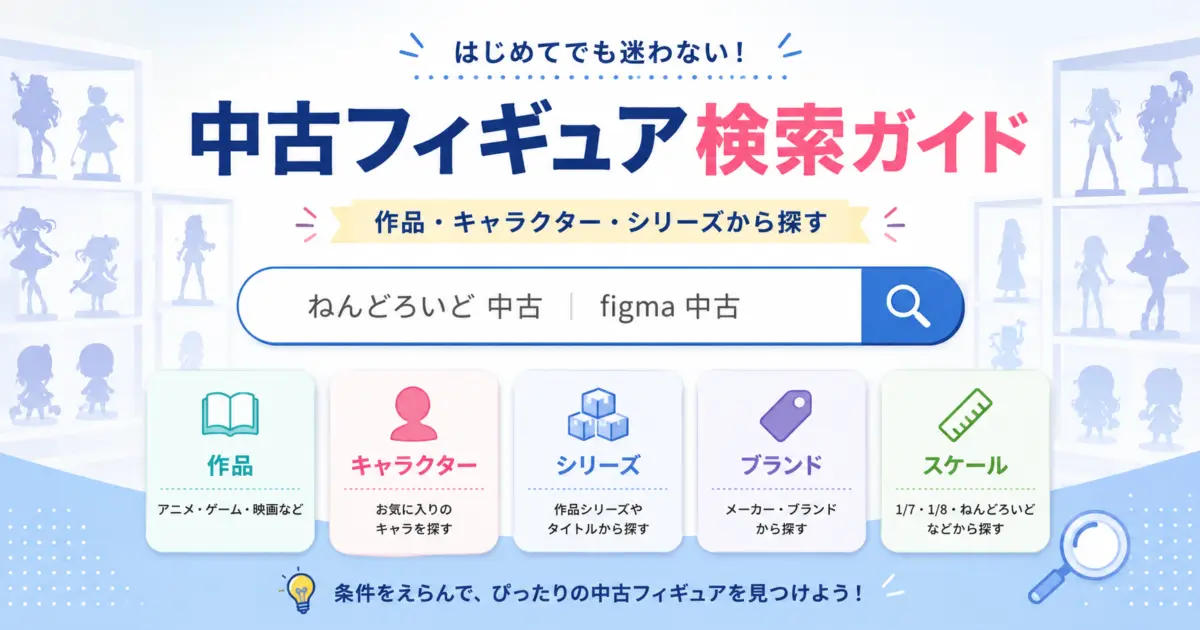
- The Integrated Ecosystem Era (2026): Today, the market operates as a seamless ecosystem. Advanced search guides, automated authenticity guarantees, and instant cross-border shipping have turned regional niches into a unified global marketplace.
Supporting Context, Metrics, and Valuation Dynamics
The mechanics of secondary market valuation have undergone a technological revolution. Pricing a rare figure is no longer a matter of guesswork; it relies on complex data aggregation that tracks condition, accessories, packaging integrity, and historical transaction frequency.
The Impact of Brand and Manufacturer Authority
Data analytics from 2026 clearly segment value retention by manufacturer. Premium brands—such as Alter, Good Smile Company, and Hot Toys—consistently command higher secondary values due to their meticulous attention to detail, limited production runs, and high-grade materials. Conversely, mass-produced prize figures from amusement arcades generally experience faster depreciation, though select limited-run variants still achieve significant spikes on auction platforms.
Condition Grading and Accessories
In the secondary market, "complete in box" (CIB) status remains the gold standard. However, the presence of original packaging, promotional inserts, and interchangeable parts can swing a figure’s market value by upwards of 50%. Modern tracking platforms now utilize high-resolution image recognition and blockchain-backed provenance records to verify whether a figure is missing critical components before it reaches the buyer, drastically reducing dispute rates.
Official Statements and Industry Insights
Industry stakeholders and platform operators have increasingly emphasized the importance of consumer trust. In a recent market briefing, representatives from leading figure-trading networks highlighted the growing collaboration between platform moderators and intellectual property holders to curb the circulation of bootlegs.
"The secondary figure market is no longer a niche subculture; it is a multi-million-dollar global asset class," noted a lead market analyst during a recent Tokyo collectibles symposium. "As consumer expectations evolve, platforms must provide institutional-grade security, lightning-fast logistics, and bulletproof authentication protocols to maintain consumer confidence."
Furthermore, experts point out that secondary market health is a direct indicator of primary market strength. When collectors know they can resell figures without significant loss of value, they are far more willing to invest in high-end, premium pre-orders directly from manufacturers.
Future Outlook: What Lies Ahead for Collectors and Investors
Looking toward the remainder of the decade and beyond, several key trends are expected to dictate the trajectory of the secondary figure market:
- Mainstream Adoption of AI Authentication: Expect automated computer vision tools to become standard across all major trading platforms, instantly flagging counterfeit items based on paint application anomalies, box font discrepancies, and molding seams.
- Fractional Ownership and Asset Tracking: As high-end statues (such as life-sized or museum-grade pieces) break price records, emerging platforms are exploring fractional ownership models, allowing multiple collectors to invest in rare holy-grail items.
- Cross-Border Logistics Optimization: With demand surging internationally—particularly across North America, Europe, and East Asia—logistics networks are streamlining customs clearance and insured shipping for fragile, high-value collectibles.
In conclusion, the secondary figure market in 2026 is characterized by unprecedented maturity. By bridging the gap between nostalgic passion and rigorous data-driven economics, the industry has secured its place as a sophisticated, global marketplace that rewards both the dedicated hobbyist and the astute collector.









Belum ada komentar. Jadilah yang pertama berkomentar!