


Executive Overview
The intersection of Japanese public broadcasting, contemporary audio culture, and theatrical performance continues to evolve in unexpected ways as NHK prepares a major programming block designed to captivate cross-generational audiences. On October 24, 2026, at 21:00 JST, the network will air a special edition of its critically acclaimed culture and audio-drama series, Bistro Voice (ビストロボイス).
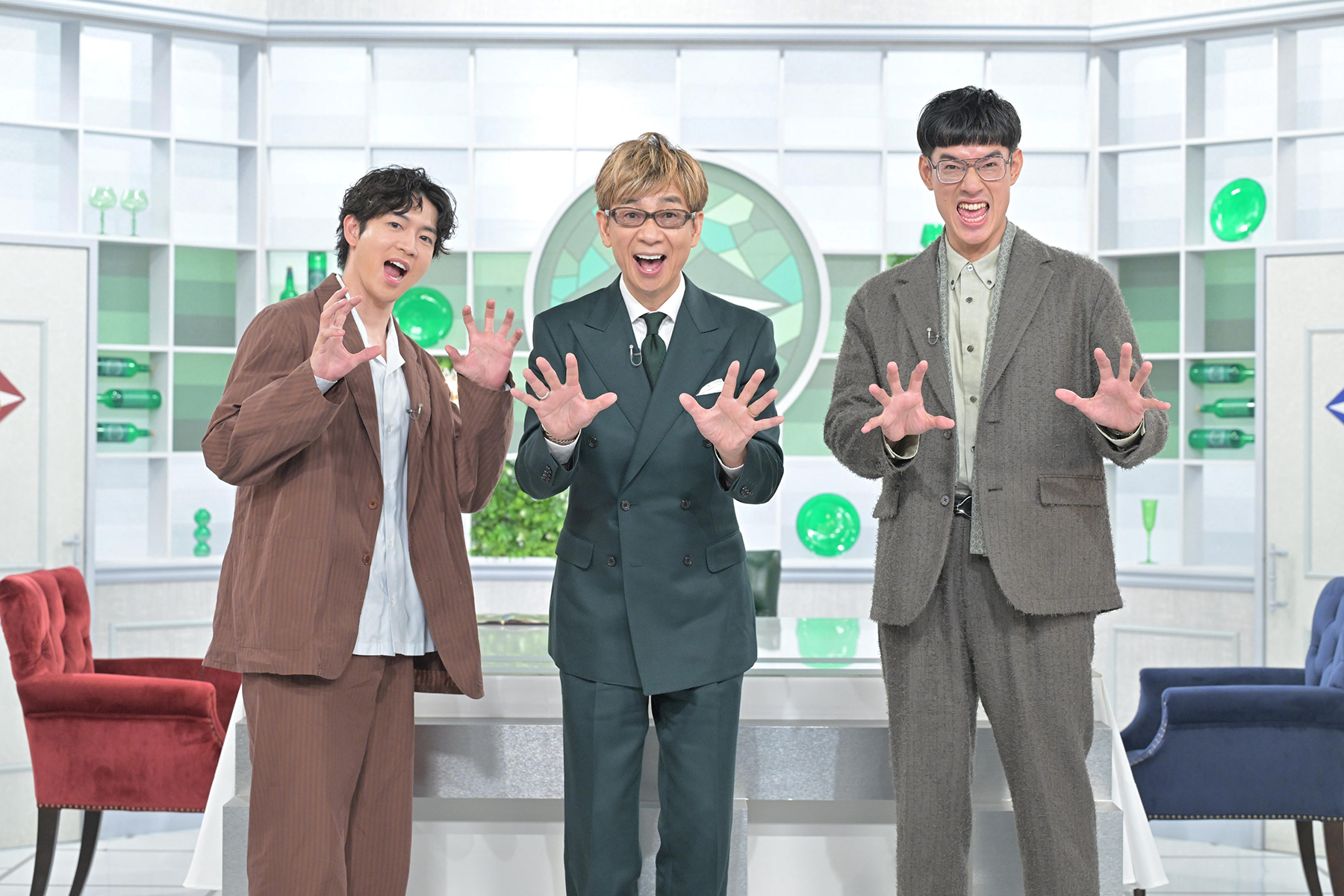
This forthcoming broadcast is not merely another entry in the program’s catalog; it represents a meticulously orchestrated convergence of talent, bringing together the seasoned voice acting and hosting pedigree of Koichi Yamadera with the distinct creative energies of acclaimed actor Yuuhei Matsushita and versatile performer Ayumu Nakajima.
In an era where traditional broadcasting must continually reinvent its touchpoints to engage digitally native demographics, this special broadcast leverages the intimate, immersive nature of audio storytelling while pairing it with high-profile visual and narrative talent. The production positions itself at the vanguard of modern character-driven radio and television crossover events, promising deep narrative resonance, intricate vocal performances, and an unprecedented look behind the curtain of professional voice production.
This comprehensive report examines the structural makeup of the upcoming broadcast, the biographical and professional weight brought by its principal participants, the thematic ambitions of the Bistro Voice franchise, and the broader cultural implications of this high-profile television and radio event.
Detailed Chronology: The Road to the October 24 Special
The genesis of the October 24 broadcast can be traced through a carefully timed rollout of promotional milestones designed to build suspense across both terrestrial and digital platforms. NHK’s programming strategy for Bistro Voice relies heavily on pre-broadcast engagement, utilizing teaser trailers, behind-the-scenes photographic assets, and sequential press releases to prime its audience.
Phase 1: Conceptualization and Casting Announcements
The early stages of production involved locking in the creative pairing of Yuuhei Matsushita and Ayumu Nakajima alongside series anchor Koichi Yamadera. Discussions surrounding the tonal direction of the special emphasized a departure from standard episodic audio dramas, aiming instead for an atmospheric, deeply psychological narrative structure that would challenge both actors. Unlike conventional television dramas where physical blocking and facial expressions carry much of the emotional weight, Bistro Voice requires performers to translate complex psychological states, interpersonal tension, and spatial awareness entirely through vocal timbre, pacing, and sonic texture.
Phase 2: The Promotional Blitz and Asset Distribution
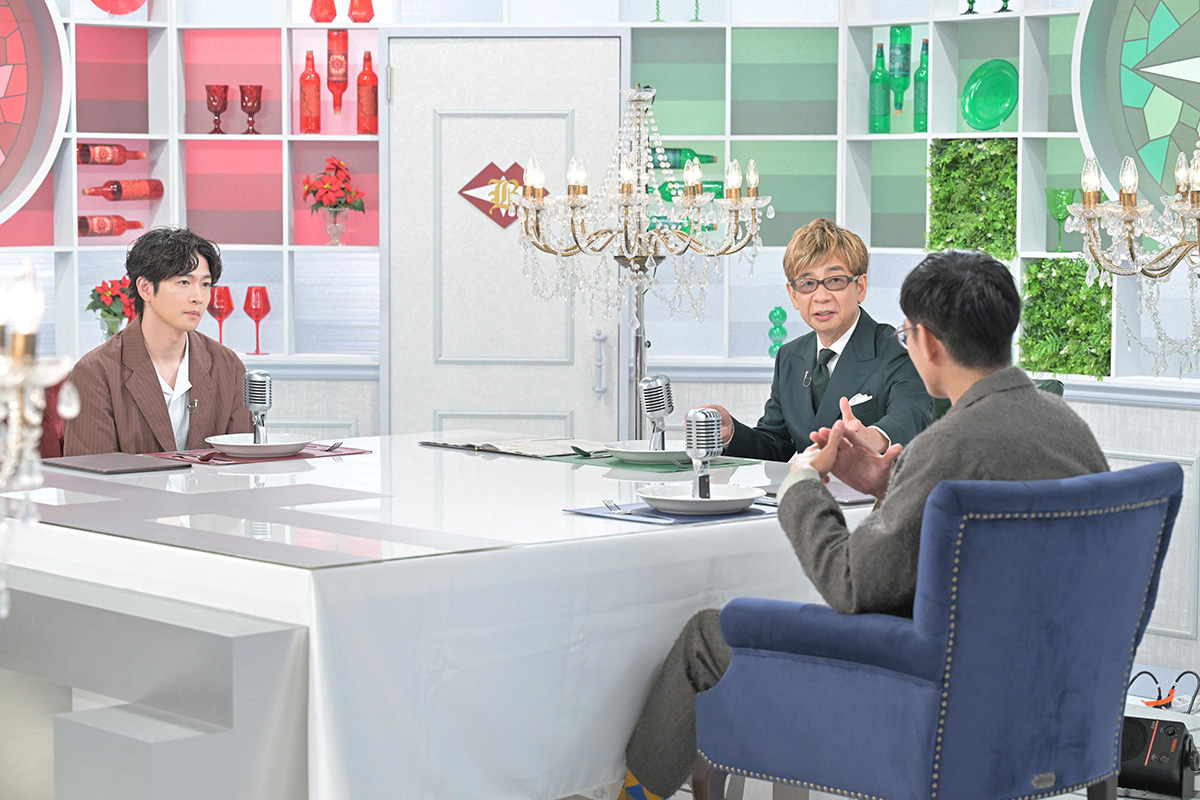
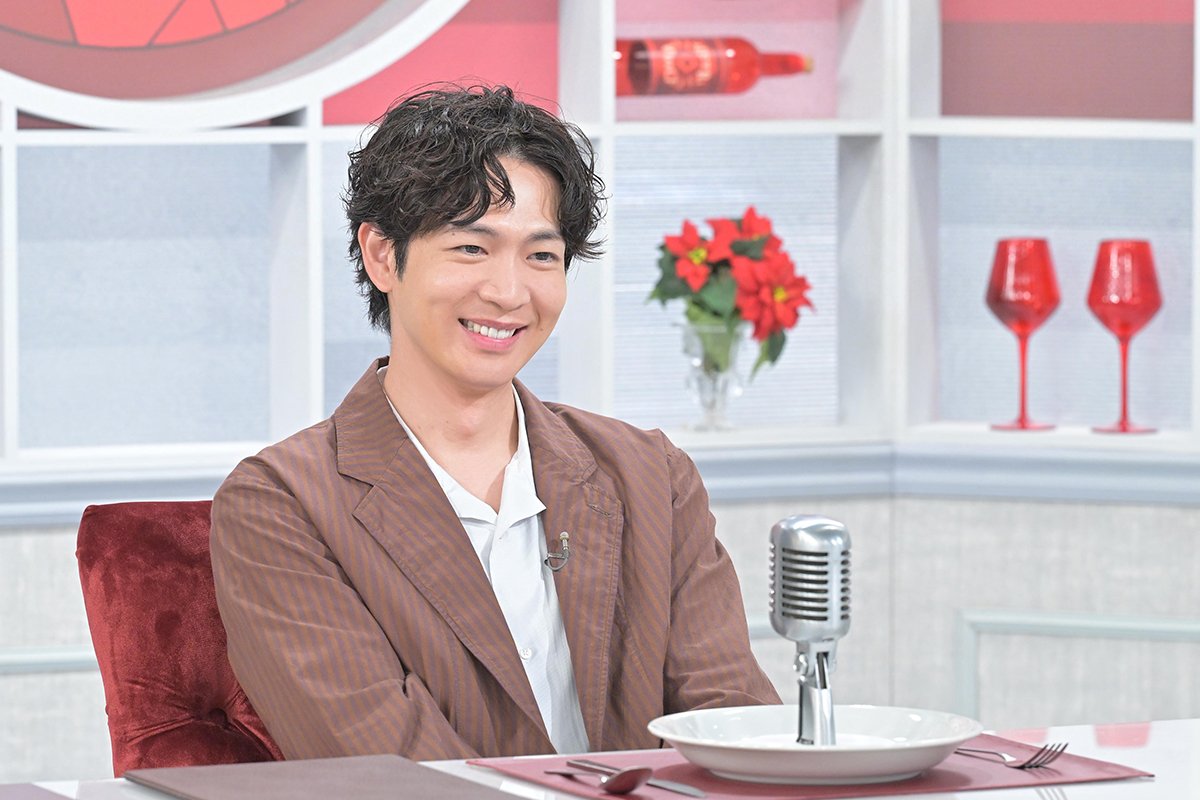
Beginning in mid-October 2026, NHK launched a coordinated media campaign across its digital networks. High-resolution photographic assets capturing the recording sessions—featuring Yamadera directing and interacting with Matsushita and Nakajima inside the soundstage—were released to major entertainment news outlets, including CINRA. These images offered fans a rare glimpse into the intense, collaborative environment of a professional radio drama recording booth.
The visual narrative of these promotional stills emphasized:
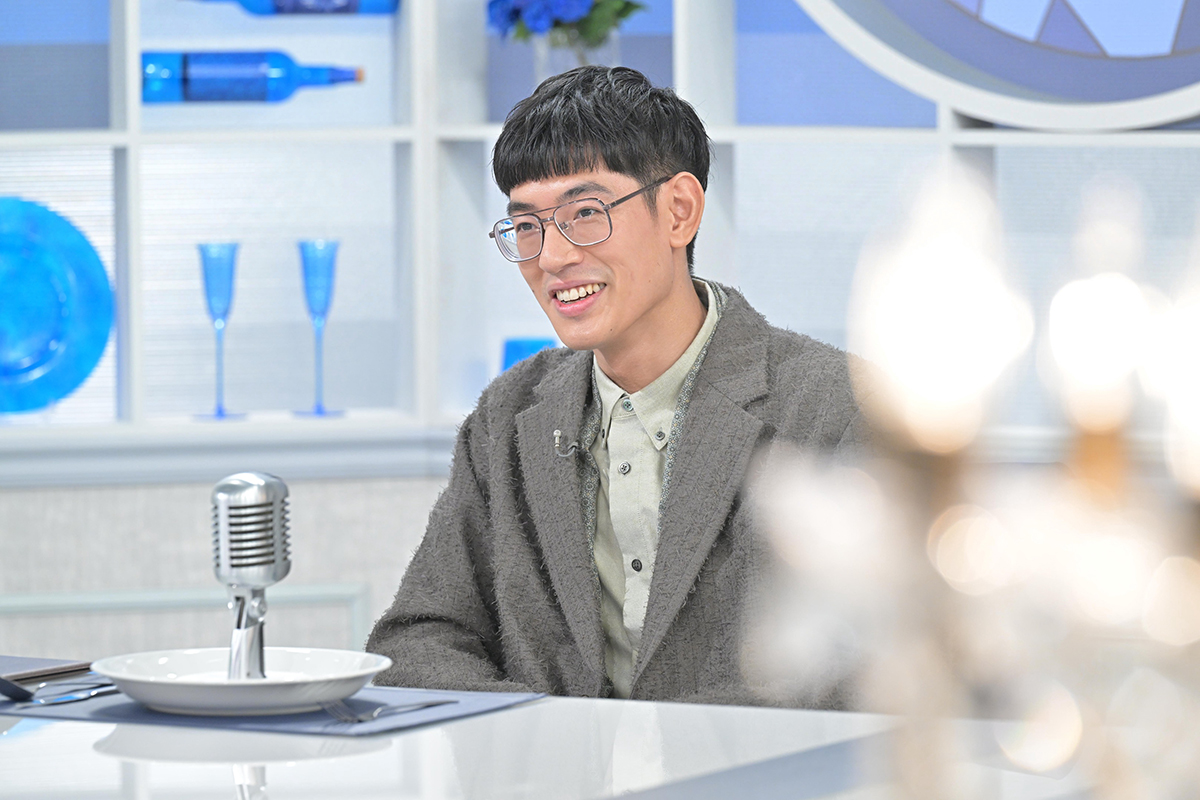
- The intimacy of the microphone setup: Highlighting the physical proximity required to capture subtle vocal nuances, breath control, and micro-expressions of sound.
- The directorial synergy: Depicting Koichi Yamadera guiding the younger actors through emotionally charged passages with meticulous attention to detail.
- The stark contrast of the studio environment: Showcasing the acoustic dampening panels and high-end condenser microphones that serve as the invisible instruments of the craft.
Phase 3: Final Countdown to Broadcast
As the October 24 air date approaches, anticipation has reached a fever pitch within Japanese drama and voice acting communities. Dedicated broadcast landing pages on the NHK portal have seen unprecedented traffic spikes, while social media chatter—driven by fan clubs of Matsushita, Nakajima, and Yamadera alike—has established trending hashtags across various platforms. The final week leading up to the broadcast features institutional countdowns, schedule confirmations, and secondary promotional spots on related NHK cultural programming, ensuring maximum visibility for the 21:00 JST time slot.
Supporting Context & Metrics: The Anatomy of Bistro Voice
To understand the cultural weight of the October 24 special, one must examine the institutional framework of Bistro Voice itself. As an intellectual property, the series occupies a unique niche within NHK’s scheduling matrix, bridging the gap between high art radio theater and accessible popular entertainment.
The Audio Drama Renaissance
In recent years, Japanese broadcasting has witnessed a quiet renaissance in audio-first storytelling. While visual media often dominates modern entertainment consumption, audio dramas have cultivated a fiercely loyal demographic that values imagination-driven consumption. Bistro Voice capitalizes on this by treating sound design not as a mere accompaniment to dialogue, but as the primary architectural element of the narrative world.
Key production metrics for the series include:

- Acoustic Fidelity: Utilization of binaural and multi-channel recording techniques that allow headphone users to experience spatial audio positioning, simulating real-world environments with pinpoint accuracy.
- Script Complexity: Average episode runtimes are dense, featuring layered dialogue that rewards repeated listening and analytical engagement from the audience.
- Talent Curation: The deliberate pairing of seasoned voice-acting legends with mainstream film and television actors creates a dynamic tension in the booth, merging theatrical stage training with elite vocal projection techniques.
The Venue and the Medium
The recording sessions for the special took place within NHK’s state-of-the-art acoustic laboratories in Tokyo. These facilities are engineered to eliminate ambient noise entirely, providing a pristine canvas upon which the performers can paint their vocal performances. The engineering team utilizes vintage ribbon microphones alongside modern large-diaphragm condensers to capture the full frequency spectrum of the actors’ voices—from deep, resonant chest tones to fragile, whispered cadences.
Official Statements and Talent Profiles
The success of any ensemble production rests upon the capabilities of its central figures. The October 24 special features a trifecta of talent whose combined career trajectories span decades of theatrical, cinematic, and vocal achievement.
Koichi Yamadera: The Maestro of the Booth
Serving as the master of ceremonies (MC) and primary director for the session, Koichi Yamadera is widely regarded as one of the most versatile and influential voice actors in Japanese history. Known colloquially in the industry as a "nanairo no koe" (seven-colored voice) artist due to his staggering range, Yamadera’s presence anchors the production.
In official commentary released via NHK’s production desk, Yamadera emphasized the unique challenges posed by the script:
"Working with Matsushita and Nakajima has been an exhilarating reminder of why we tell stories through sound. Without the crutch of visual expression, an actor must bare their soul entirely through the breath. Both actors approached the material not as a secondary voiceover gig, but as a profound theatrical challenge. What audiences will hear on October 24 is raw, unfiltered emotional archaeology."
Yuuhei Matsushita and Ayumu Nakajima: Navigating the Soundscape
Yuuhei Matsushita and Ayumu Nakajima bring their extensive stage and screen credentials to the audio booth, navigating the transition from physical performance to vocal minimalism.
- Yuuhei Matsushita has built a formidable reputation for playing complex, psychologically fraught characters in contemporary Japanese drama. His ability to convey internal turmoil through subtle shifts in vocal tempo was cited by the production team as critical to the special’s narrative arc.
- Ayumu Nakajima, equally renowned for his distinct screen presence and theatrical depth, complements Matsushita’s intensity with a grounded, atmospheric delivery that anchors the dialogue in realism.
In collaborative statements, both actors noted the initial disorientation of performing without physical costuming or set pieces, followed by the liberating realization that the microphone captures emotional truths that might otherwise be masked by physical movement.
Future Outlook: The Evolution of Cross-Media Storytelling
As the broadcasting landscape shifts toward hybrid consumption models, specials like the October 24 edition of Bistro Voice serve as a predictive model for future programming.
Expanding the Digital Footprint
NHK’s strategy for this broadcast extends far beyond the linear television and radio window. Plans are reportedly underway to evaluate listener engagement metrics, streaming replays, and international interest via NHK’s global platforms. The success of this special could pave the way for a permanent expansion of the Bistro Voice brand, potentially including serialized spinoffs, live-stage reading events, and interactive digital releases utilizing advanced spatial audio formats.
Industry Implications
For the broader Japanese entertainment industry, the high-profile involvement of actors like Matsushita and Nakajima in an audio-centric format signals a blurring of lines between "film/TV actors" and "voice actors." As traditional acting circles embrace vocal performance as a core competency, the quality of audio dramas is projected to rise, attracting an even wider demographic of listeners who demand sophisticated storytelling.
Conclusion
The October 24, 2026, broadcast of Bistro Voice on NHK stands as a testament to the enduring power of sound-driven narrative art. Through the masterful orchestration of Koichi Yamadera and the compelling vocal performances of Yuuhei Matsushita and Ayumu Nakajima, the special transcends standard programming to offer an immersive, psychologically rich theatrical experience. As audiences tune in at 21:00 JST, they will bear witness not just to a radio drama, but to a masterclass in modern vocal craftsmanship—a reminder that sometimes, the most profound stories are those whispered directly into the dark.







Belum ada komentar. Jadilah yang pertama berkomentar!