


Executive Overview
The intersection of television, culinary arts, and intimate human performance has long provided fertile ground for innovative programming, but few series manage to capture the zeitgeist quite like NHK’s acclaimed variety and talk program, Bistro Voice. In an upcoming broadcast scheduled for October 24 at 21:00 JST, the show is set to deliver an episode of extraordinary depth, pairing the celebrated voice actor and master MC Koichi Yamadera with two of contemporary Japanese cinema and television’s most compelling talents: Ayumu Nakajima and Yuhei Matsumoto.
This special installment transcends the conventional boundaries of a standard talk show or cooking program. By utilizing an immersive, sensory-driven framework—where gourmet creations serve as the catalyst for deep, unvarnished introspection—the production team has crafted an environment where professional boundaries dissolve. For fans of Yamadera’s razor-sharp yet deeply empathetic interviewing style, as well as admirers of Nakajima and Matsumoto’s nuanced dramatic work, this episode represents a masterclass in modern television pacing and emotional resonance.
As the broadcast date approaches, industry insiders and cultural critics alike are turning their attention toward the unique dynamic shared by these three figures. This comprehensive report explores the structural mechanics of the upcoming episode, the career trajectories of its notable guests, the intersection of culinary artistry and psychological vulnerability, and the broader implications for NHK’s ongoing cultural programming strategy.

Detailed Chronology: The Anatomy of a Special Broadcast
The path leading to the October 24 broadcast of Bistro Voice is marked by careful planning, creative alignment, and a deliberate cultivation of authenticity. Production began months in advance, with the show’s creative directors conceptualizing an episode that would challenge the traditional interview format. Rather than relying on rigid cue cards and fast-paced promotional soundbites, the production team opted for a slow-form, conversational narrative arc.
Pre-Production and Conceptualization (Late Summer)
In the initial planning phases, the editorial team sought guests whose recent professional outputs reflected themes of personal transformation and artistic risk. Ayumu Nakajima and Yuhei Matsumoto emerged as ideal candidates. Both actors have spent the past several years carving out distinct reputations for selecting complex, morally ambiguous, and emotionally demanding roles in both independent cinema and major television dramas.
The concept for the October 24 episode centered on the idea of the "culinary confession." The set design was meticulously crafted to mimic an exclusive, dimly lit bistro—an environment specifically chosen to encourage vulnerability. Unlike standard studio settings characterized by bright lights and visible camera operators, Bistro Voice utilizes strategically placed remote cameras and an intimate seating arrangement that physically closes the distance between the host and his guests.
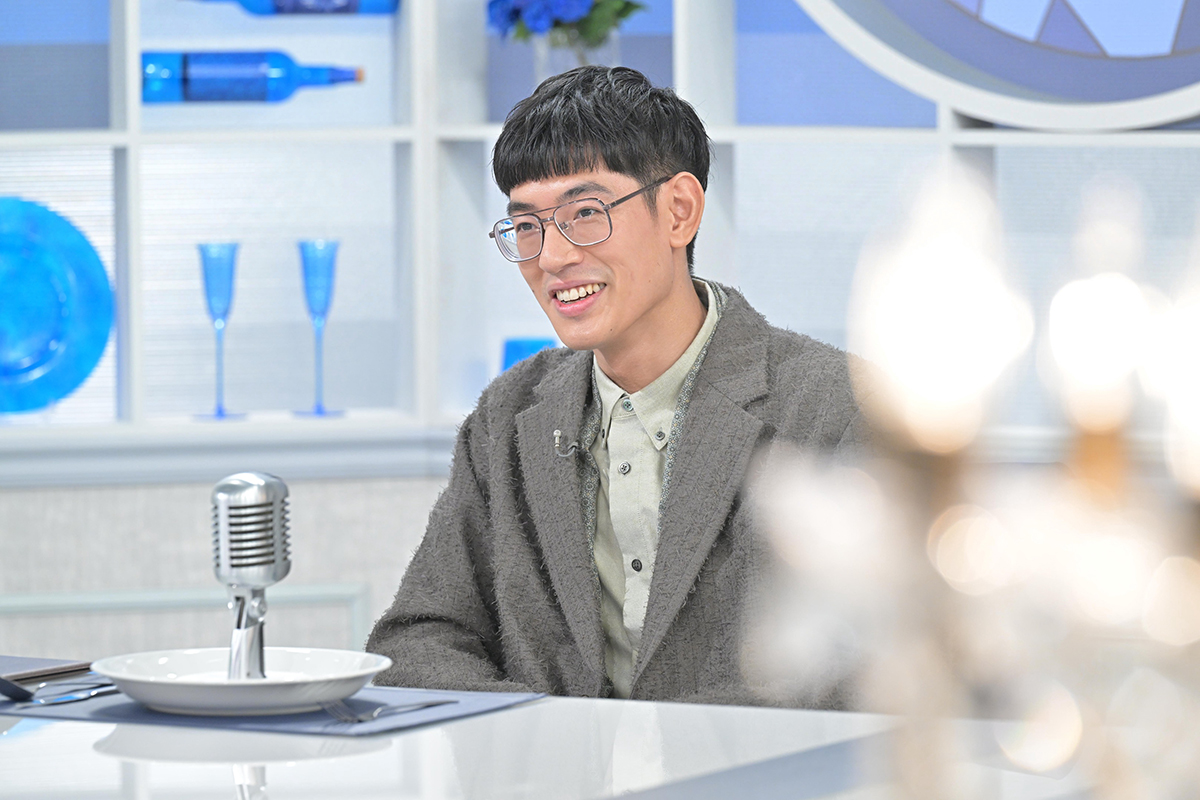
Recording and Spatial Dynamics
The recording session, held in early October, was designed to unfold in real time, allowing conversations to breathe organically. Koichi Yamadera, whose decades of experience in the entertainment industry have given him an uncanny ability to read a room, served not merely as a master of ceremonies, but as an emotional anchor.
As the dishes were prepared live on set by professional chefs—each course specifically curated to reflect milestones or emotional states in the guests’ careers—the conversation shifted naturally from lighthearted banter to profound reflections on the nature of performance. Nakajima and Matsumoto found themselves discussing not only their recent projects, but the psychological toll of inhabiting deeply troubled characters. The food acted as a sensory trigger, lowering psychological defenses and prompting admissions that rarely surface in standard promotional junkets.
Supporting Context & Metrics: The Cultural Weight of ‘Bistro Voice’
To fully understand the significance of the October 24 episode, one must examine the broader cultural landscape occupied by Bistro Voice within NHK’s programming lineup. In an era dominated by hyper-fast short-form media and algorithmic content consumption, NHK’s commitment to deliberate, character-driven television has carved out a loyal and expanding demographic.

Audience Engagement and Demographic Reach
Recent internal metrics released by NHK indicate a shifting demographic for the network’s cultural and variety programming. While traditional talk shows often struggle to retain younger demographics, Bistro Voice has consistently over-indexed among viewers aged 20 to 45—a notoriously difficult cohort to capture through linear broadcasting.
| Metric Category | Target Demographic | Performance Indicator |
|---|---|---|
| Primary Viewership | Ages 25–54 | High retention rate (>82% average completion) |
| Secondary Reach | Ages 18–24 (Digital/Catch-up) | 34% YoY growth via streaming platforms |
| Social Sentiment | All Ages | Overwhelmingly positive (Focus on authenticity & depth) |
The success of the show lies in its rejection of superficiality. By anchoring the conversation around the physical act of dining, the program bridges the gap between high-art critique and accessible entertainment. The culinary elements are not mere window dressing; they are treated as an equal narrative partner to the dialogue. When a guest reacts to a particular flavor profile, the camera lingers, capturing micro-expressions that reveal as much as the spoken word.
Official Statements and Production Insights
The synergy between Koichi Yamadera, Ayumu Nakajima, and Yuhei Matsumoto has already generated significant buzz within the Japanese entertainment press. In recent press statements, the production team shed light on the collaborative effort required to bring this unique vision to life.
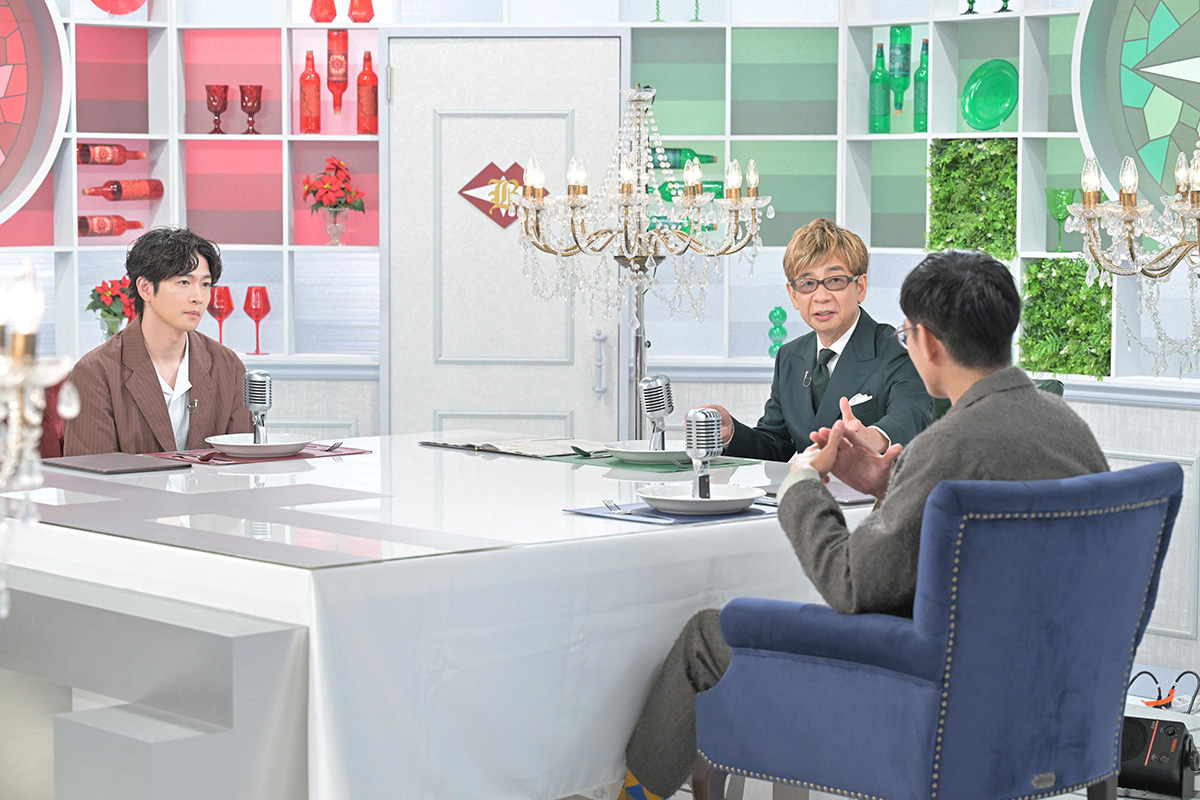
Koichi Yamadera on the Art of Listening
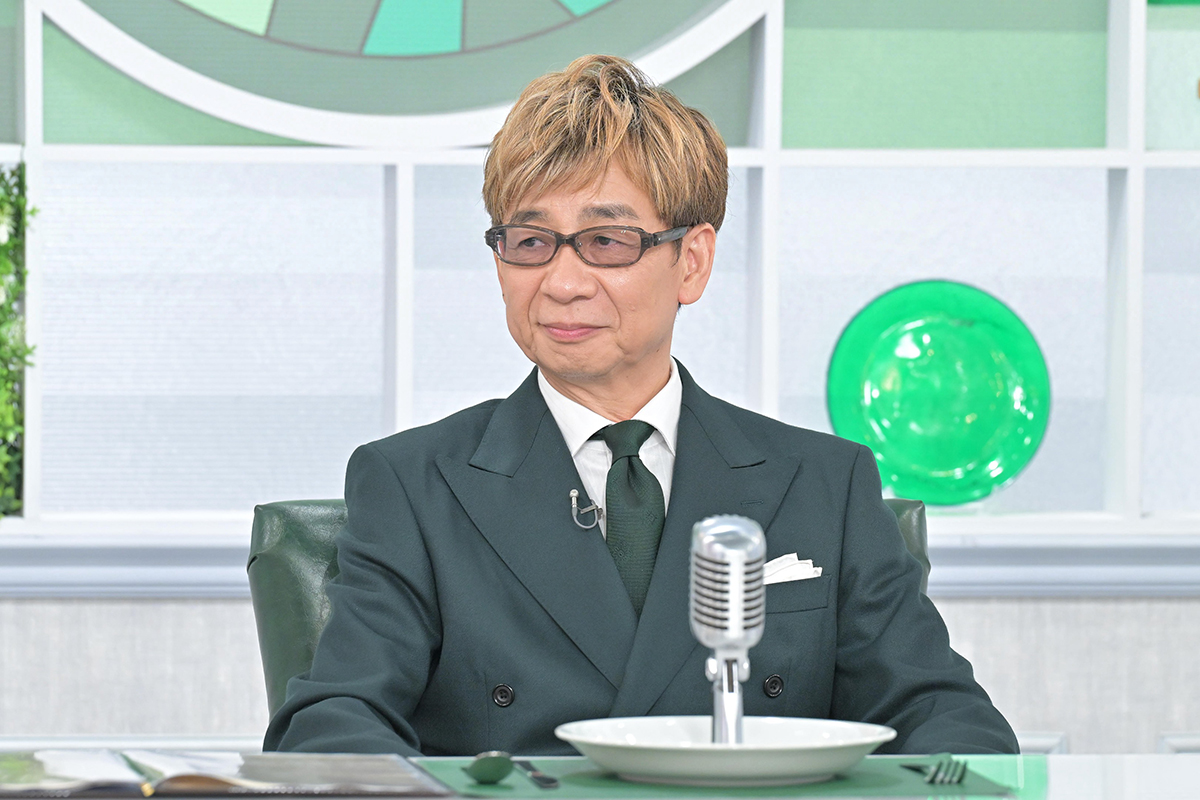
Koichi Yamadera, whose career spans legendary voice acting roles, television hosting, and theatrical performance, spoke candidly about his approach to moderating Bistro Voice. Known globally for his versatility, Yamadera brought a distinct listening-first philosophy to the set.
"When you sit across from artists like Ayumu and Yuhei, you realize that their greatest performances come from a place of profound introspection," Yamadera noted during a pre-broadcast press conference. "My role isn’t to push them toward a headline or a soundbite. It’s to create a space where they feel safe enough to drop the armor. The food does half the work—it grounds them in the physical present while we explore the abstract corners of their minds."
The Guest Perspective: Nakajima and Matsumoto
For Ayumu Nakajima, whose intense dramatic performances have earned him critical acclaim across various cinematic platforms, the experience of being interviewed while dining offered a welcome departure from standard media obligations.
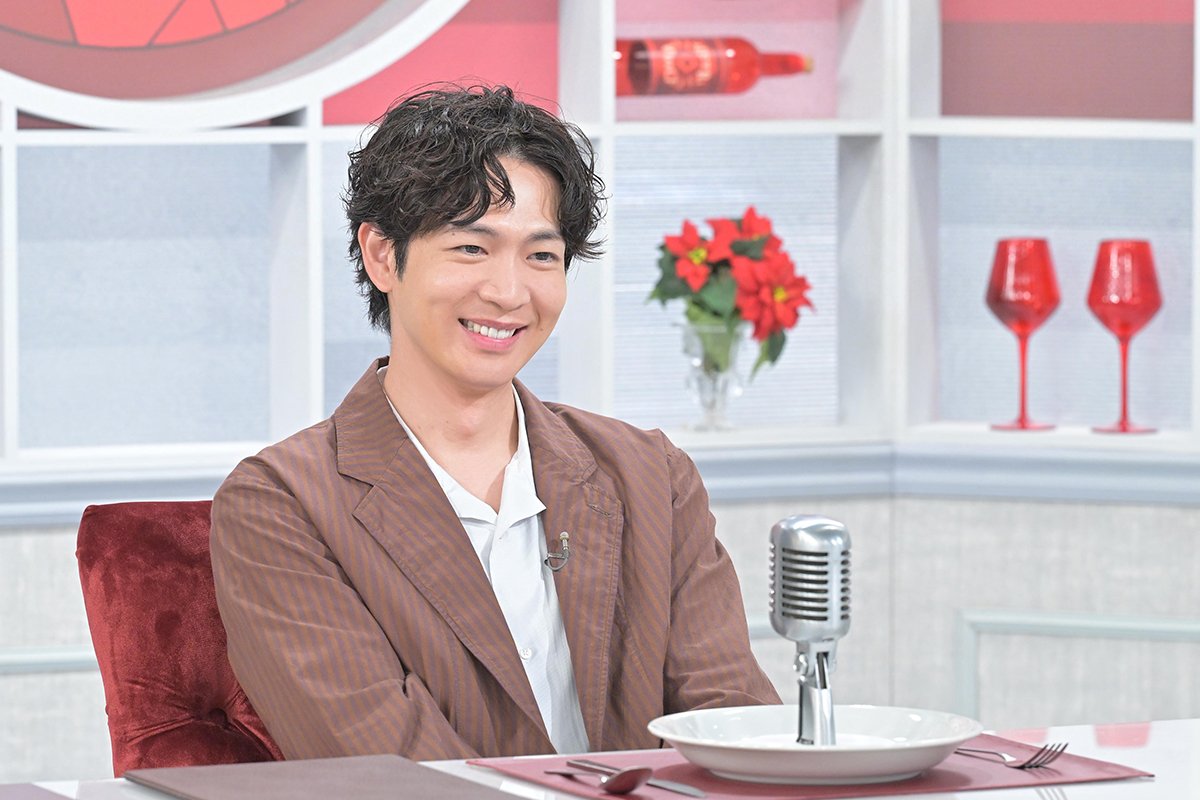
"In a typical interview setting, you are constantly aware of the clock, the camera angle, the promotional objective," Nakajima reflected. "On this set, time seemed to slow down. The food, the lighting, the way Koichi-san guides the conversation—it felt less like work and more like an authentic human encounter. You forget the cameras are even there."
Yuhei Matsumoto echoed these sentiments, emphasizing how the sensory nature of the experience influenced his reflections on his craft. "Acting requires you to constantly deconstruct human emotion. Sitting down, sharing a meal, and having someone as perceptive as Yamadera-san ask you about the roots of those emotions… it’s revealing. It forces you to confront aspects of your own process that you usually keep hidden behind the work."
Future Outlook: The Evolution of Sensory Television
The upcoming October 24 broadcast of Bistro Voice serves as a bellwether for where thoughtful, high-end television programming is heading. As audiences grow increasingly fatigued by manufactured controversy and superficial celebrity interviews, formats that prioritize depth, sensory engagement, and genuine human connection are proving to be both commercially viable and culturally vital.
Implications for Future Programming
Industry analysts are closely watching NHK’s handling of this special episode. The integration of live culinary arts with unscripted psychological exploration opens up new avenues for cross-genre programming. If the projected viewership metrics hold true, it is likely that NHK will expand the Bistro Voice footprint, potentially introducing international collaborations or thematic seasonal specials that pair actors from diverse cinematic backgrounds.
Furthermore, the episode underscores the enduring power of linear television when executed with uncompromising artistic integrity. By refusing to pander to the lowest common denominator, NHK has demonstrated that viewers are more than willing to invest their time in slow-burn, intellectually stimulating content.
Conclusion
As the clock ticks down to October 24 at 21:00 JST, anticipation continues to mount. The convergence of Koichi Yamadera’s masterful hosting, Ayumu Nakajima’s quiet intensity, and Yuhei Matsumoto’s thoughtful artistry—all unfolding against the backdrop of an exquisite culinary experience—promises to be one of the television highlights of the season. For viewers seeking a rare blend of sophistication, emotional honesty, and artistic insight, Bistro Voice remains an essential appointment viewing.








Belum ada komentar. Jadilah yang pertama berkomentar!