

Publication Date: May 28, 2026
Category: Collectibles, Secondary Market Trends, Industry Analysis
Reading Time: 12 minutes
Executive Overview
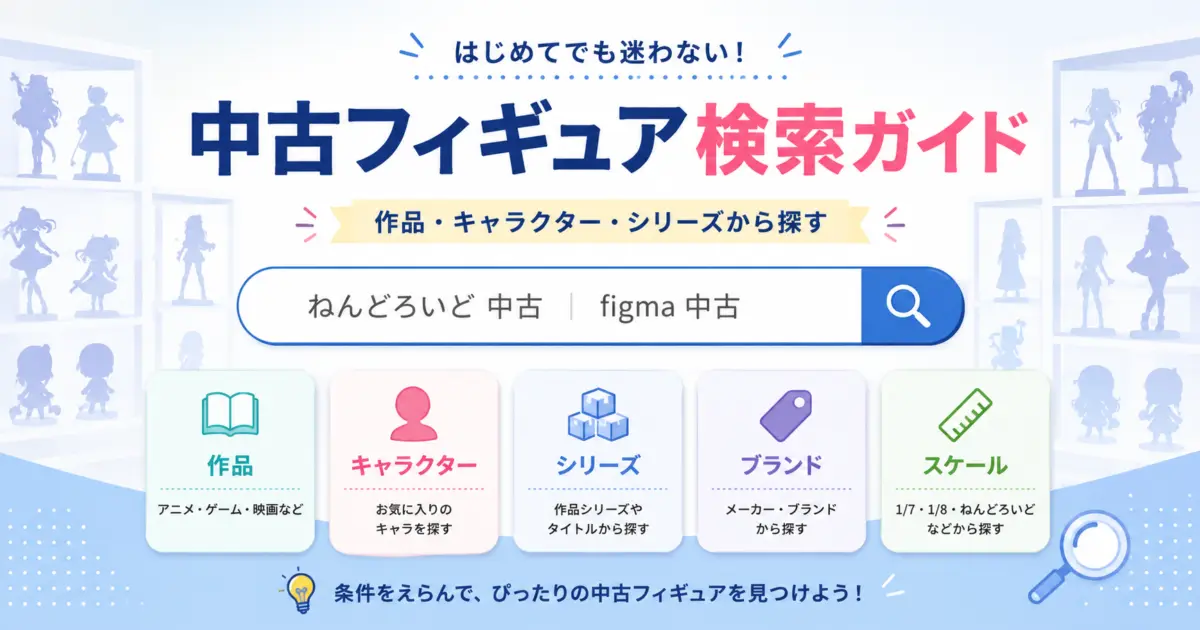
The secondary market for pre-owned anime figures has matured into a multi-billion-dollar global ecosystem. Driven by a surge in international demand, limited production runs, and the ever-growing popularity of Japanese pop culture, buying and selling secondary market figures has transformed from a niche hobby into a sophisticated, highly digitized economy. Platforms such as Yahoo! Auctions Japan, alongside specialized secondary marketplaces, have revolutionized how collectors authenticate, value, and trade rare items.
For both seasoned veterans and newcomers entering the hobby, navigating this vast marketplace requires more than just passion—it demands a deep understanding of pricing metrics, platform mechanics, authentication protocols, and market volatility. This comprehensive report explores the current landscape of the pre-owned figure market, examining the structural shifts, valuation techniques, and future outlook that define modern collectibles trading.
Detailed Chronology: The Evolution of the Secondary Figure Market
To understand the current state of pre-owned figures, it is essential to trace how the marketplace evolved from local brick-and-mortar hobby shops into an interconnected global web of digital storefronts.
Phase 1: The Local Era (Pre-2010s)
Historically, the acquisition of pre-owned figures was restricted to physical storefronts located in specialized districts such as Akihabara in Tokyo or regional import shops worldwide. Collectors relied heavily on physical inspection, word-of-mouth recommendations, and localized print catalogs. Pricing was largely inconsistent, dictated by local supply and demand rather than global market trends. The barrier to entry for international buyers was exceptionally high, often requiring proxy services or expensive travel.
Phase 2: The Digital Bridge (2010–2018)
The advent of cross-border e-commerce platforms and specialized proxy shopping services (such as Buyee, From Japan, and ZenMarket) bridged the gap between Japanese domestic storefronts and global collectors. Auctions hosted on platforms like Yahoo! Auctions Japan became accessible to overseas buyers. During this period, standardized grading systems began to emerge, categorizing items by condition (e.g., unopened, mint in box, displayed with minor wear), which helped establish baseline trust in remote transactions.
Phase 3: The Modern Global Economy (2019–Present)
Today, the secondary figure market operates as a 24/7 global exchange. Advanced data analytics tools, real-time price tracking, and dedicated collectible marketplaces have introduced unprecedented transparency. Platforms now utilize automated translation, integrated shipping calculators, and secure escrow services to facilitate seamless cross-border transactions. As major manufacturers like Good Smile Company, Alter, and Max Factory increase their global output, the secondary market has expanded in tandem, absorbing retired lines and rare exclusives to meet surging international demand.
Supporting Context & Metrics: Understanding Secondary Market Valuation
Valuing a pre-owned figure is both an art and a science. Unlike standardized commodities, collectible figures derive their worth from a complex interplay of scarcity, manufacturer reputation, character popularity, and physical condition.
Key Valuation Metrics
- Rarity and Production Runs: Limited-edition releases, convention exclusives (such as Wonder Festival items), and figures produced in restricted quantities command the highest premiums. Once a manufacturer closes production on a specific sculpt, supply becomes finite, driving prices upward as demand increases.
- Manufacturer Tiering: Figures produced by tier-one manufacturers (e.g., Alter, Good Smile Company, Kotobukiya, and Megahouse) retain their value significantly better than mass-produced prize figures or unbranded items. The precision of the sculpt, paint application, and material quality directly correlate with secondary market resilience.
- Condition Grading Standards: The grading of a figure’s box and physical components dictates its market value:
- Unopened / Brand New (N): Factory sealed, pristine box. Commands maximum value.
- Mint In Box (MIB): Opened solely for inspection or displayed in pristine, dust-free environments with zero wear.
- Opened / Used (A to C): Displays varying degrees of wear, potential sun damage, minor paint transfer, or missing accessories. Prices scale downward based on severity.
Official Statements and Industry Insights
Industry analysts and marketplace operators emphasize that transparency and authentication remain the cornerstones of sustainable growth in the pre-owned sector.
In a recent industry briefing, marketplace representatives highlighted the growing importance of counterfeit detection. "As the market expands, bad actors attempt to flood secondary channels with bootleg PVC figures," notes a leading platform compliance officer. "Our primary initiative is empowering buyers with educational tools, high-resolution comparison guides, and verified seller badges to ensure absolute confidence when purchasing high-value items."
Furthermore, prominent manufacturers have begun acknowledging the secondary market’s role in the broader ecosystem. While primary sales drive initial revenue, a robust secondary market actively sustains collector interest in long-running franchises. When a collector sees that past releases appreciate in value, confidence in pre-ordering upcoming figures increases exponentially.
Future Outlook: Trends Shaping the Next Decade of Collectible Trading
As we look toward the future, several technological and economic trends are poised to reshape how pre-owned figures are bought, sold, and authenticated.
1. Artificial Intelligence and Automated Authentication
Counterfeit figures have long plagued the secondary market. Emerging verification protocols are beginning to integrate AI-driven image recognition tools that analyze box typography, holographic stamps, and minute paint gradient variations to instantly flag fraudulent listings before they reach buyers.
2. Blockchain and Immutable Provenance
For ultra-rare, high-end resin statues and limited PVC releases, the integration of digital certificates of authenticity (backed by secure ledger technology) is gaining traction. This allows collectors to track the complete ownership history, maintenance logs, and verified authenticity of a piece across multiple transactions, much like the fine art market.
3. Sustainability and Circular Economy Integration
With environmental consciousness influencing consumer behavior, the pre-owned figure market is increasingly viewed as a sustainable alternative to fast-consumption models. By extending the lifecycle of PVC and ABS collectibles through robust secondary trading platforms, the hobby reduces waste and encourages a circular economic model that benefits both collectors and the environment.
Conclusion
The market for pre-owned anime figures has evolved from an opaque, localized hobby into a transparent, globalized financial ecosystem. By mastering the nuances of condition grading, leveraging reliable proxy and marketplace platforms, and staying informed on market volatility, collectors can successfully navigate this dynamic landscape. Whether you are looking to liquidate a curated collection or hunt down a rare, long-discontinued grail piece, understanding the mechanics of the secondary market ensures a rewarding and secure collecting journey.







Belum ada komentar. Jadilah yang pertama berkomentar!