Television networks continually search for the elusive combination of pulse-pounding suspense and emotionally resonant character dynamics. With tvN’s gripping period spy romance “100 Days of Deception,” that formula has not only been found—it has been executed with cinematic flair. Set against the stark, politically charged backdrop of Korea during the Japanese occupation, the series follows the harrowing journey of Lee Ga Kyeong (portrayed by Kim You Jung), a quick-witted pickpocket who transforms into an undercover operative for the independence movement.
As Ga Kyeong infiltrates the heart of the enemy administration—the Japanese Government-General of Korea—she crosses paths with Kim Tae Woong, also known by his Japanese alias Sato Hideo (played by GOT7’s Park Jinyoung). Tae Woong is no ordinary bureaucrat; as the adopted son of the Inspector-General of Korea, he holds immense power and occupies a dangerous world of divided loyalties.
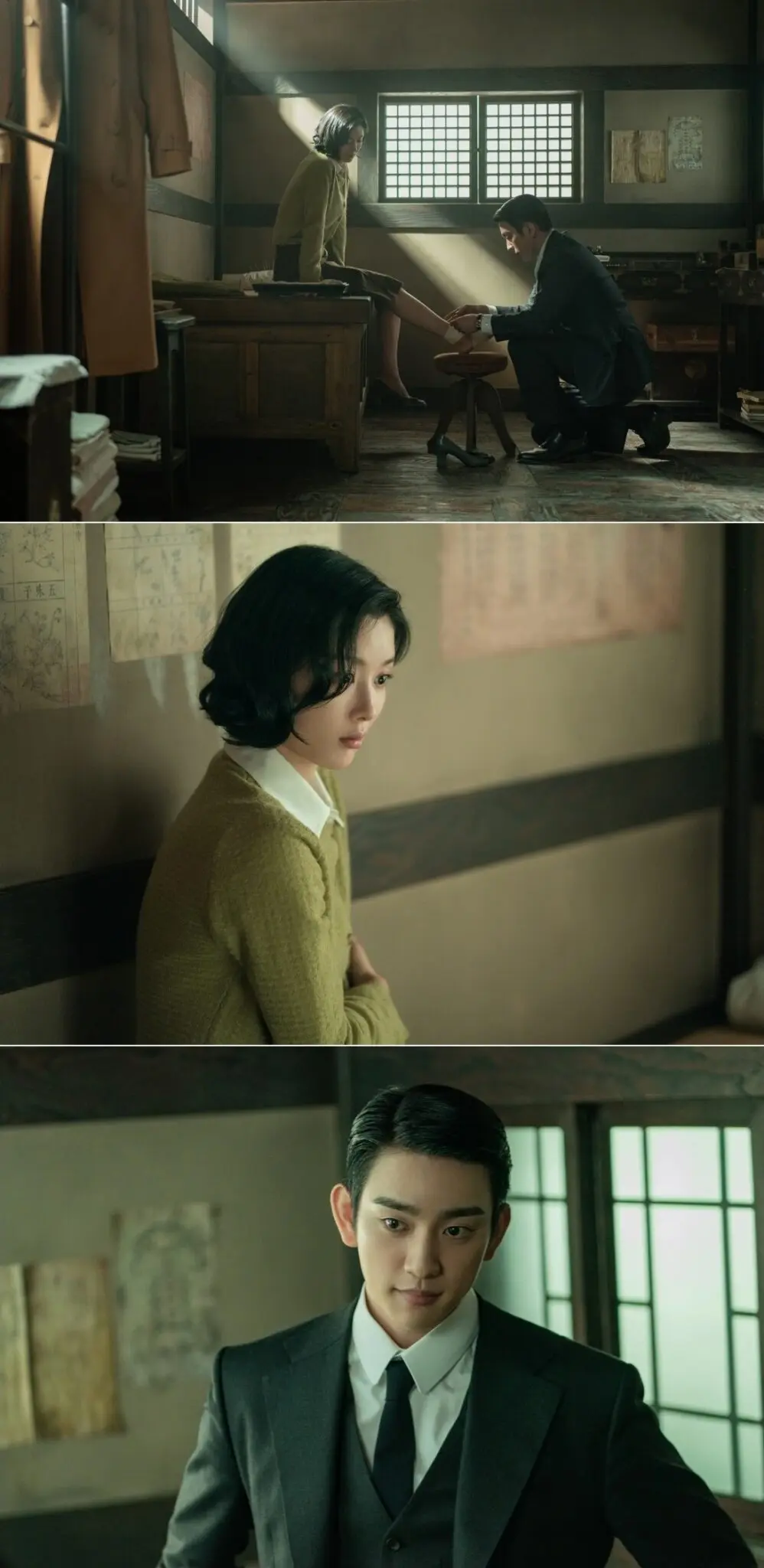
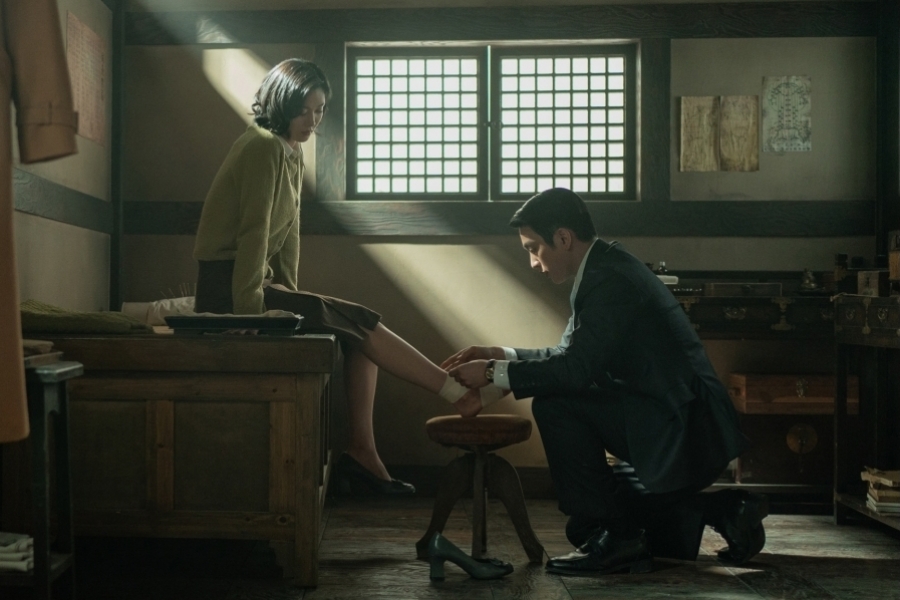
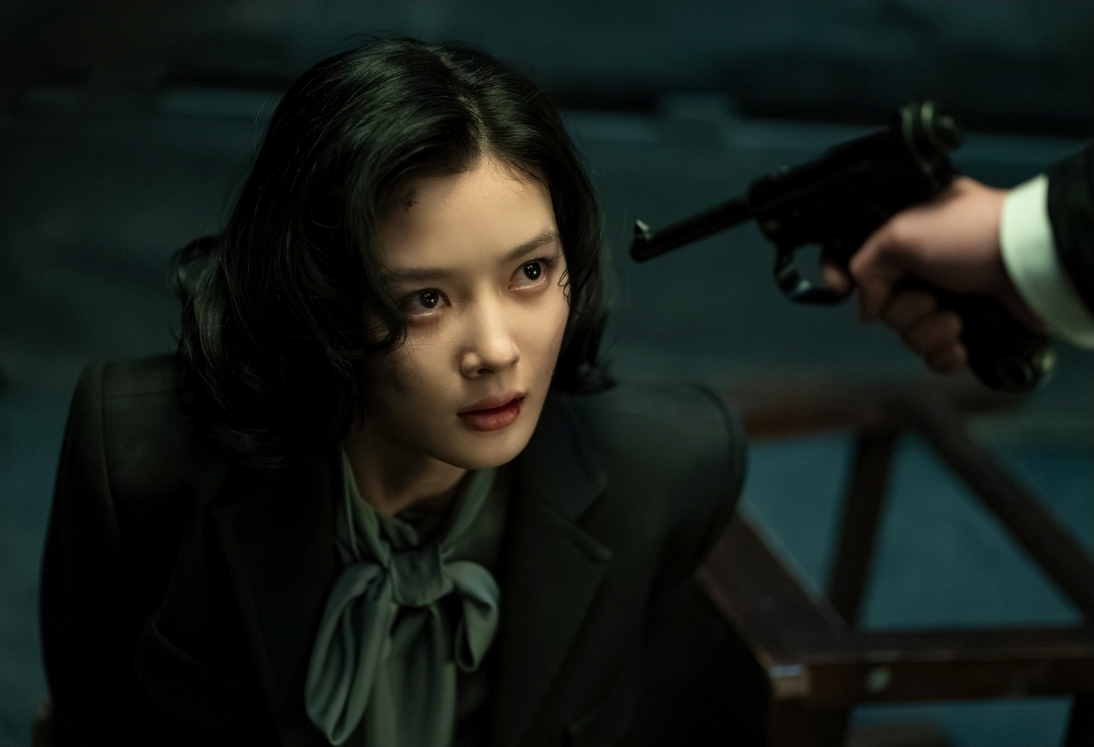
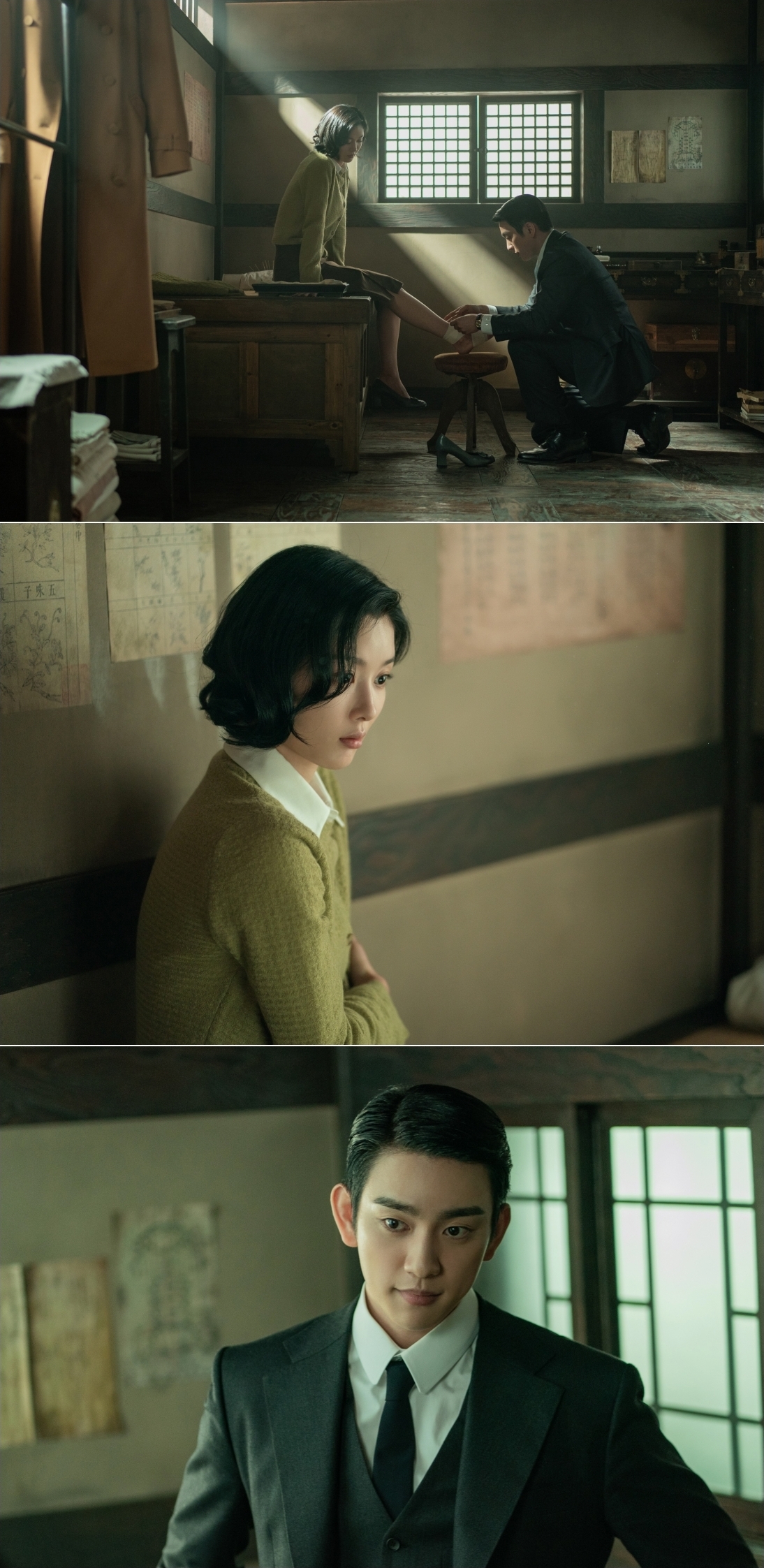
Following a cliffhanger ending in the previous broadcast that left audiences breathless, newly released promotional stills tease an intricate blend of peril and tenderness. From a harrowing abduction scene featuring a gun pointed directly at Ga Kyeong to a quiet, emotionally heavy moment where Tae Woong tends to her injured ankle at a traditional Korean medicine clinic, “100 Days of Deception” is proving to be a masterclass in genre-blending. As the narrative picks up steam ahead of its crucial fourth episode, viewers are invited into a world where every whispered secret could mean death, and every lingering glance threatens to unravel a lifetime of carefully constructed emotional armor.
Detailed Chronology: The Escalating Peril of Lee Ga Kyeong
To understand the weight of the newly revealed production stills, one must trace the rapid escalation of events that have defined the early episodes of “100 Days of Deception.” The story shifted into high gear when protagonist Lee Ga Kyeong accepted a high-stakes proposal from Yoo So Ran (played by Kim Hyun Joo) to serve as a spy for the Gugukdan, a clandestine arm of the Korean independence resistance.
Infiltration and Immediate Betrayal
Trading her life as a survivalist pickpocket for the infinitely deadlier game of espionage, Ga Kyeong assumed a false identity—Geum Seo Hee—to secure employment within the heavily guarded walls of the Japanese Government-General of Korea. This bold move immediately placed her in the direct line of fire, forcing her to navigate an environment where suspicion is the default and discovery carries an immediate death sentence.
It was within these institutional corridors that Ga Kyeong once again crossed paths with Sato Hideo (Park Jinyoung). Hideo, operating as an elite interpreter and holding the formidable status of the Inspector-General’s adopted son, represents both a major obstacle to her mission and an unpredictable variable.
The tension culminated in a heart-stopping cliffhanger. Just as Ga Kyeong began settling into her precarious new reality, a mysterious assailant confronted her, openly accusing her of espionage before forcefully abducting her into the shadows.
The Aftermath of the Attack
Newly released stills from upcoming broadcasts offer a stark look at the immediate aftermath of this abduction. Ga Kyeong is captured trapped in an undisclosed, claustrophobic space, her body bearing the physical toll of a violent struggle. A bloodied lip and beads of sweat matting her forehead paint a vivid picture of torture and psychological torment. Most alarming is the chilling sight of a firearm aimed directly at her face, emphasizing that her cover may have been compromised almost as soon as it was established.
A Quiet Moment of Vulnerability
Yet, in a dramatic shift of tone characteristic of the series’ balancing act, subsequent stills transport the narrative to a much more intimate, hushed setting. Ga Kyeong finds herself isolated with Sato Hideo inside a traditional Korean medicine clinic. Eschewing the cold formalities of their official government surroundings, Hideo kneels before her without hesitation, meticulously bandaging her injured ankle.
Despite the physical closeness, the atmospheric tension in the room is palpable. Both characters pointedly avoid each other’s gaze, their body language revealing a silent war of internal conflict. This scene bridges the chasm between their respective duties and their growing, unspoken emotional connection, hinting that Hideo may be hiding a complex agenda of his own regarding the young operative.
Supporting Context & Metrics: The Historical Backdrop and Star Power
To fully appreciate the narrative tension of “100 Days of Deception,” viewers must examine the socio-political climate that frames the fiction. Period dramas set during the Japanese colonial era in Korea demand a delicate balance of historical reverence and gripping dramatic license. The series utilizes the oppressive atmosphere of the 1900s to amplify the stakes: survival is never guaranteed, and ordinary citizens are forced to make extraordinary, often tragic choices.
The Rise of the Period Spy Thriller
Historically, Korean television has excelled in sageuks (historical dramas) and contemporary thrillers, but the period spy genre occupies a uniquely demanding niche. It requires intricate set designs, meticulous costume recreation, and a relentless pacing that mimics international espionage standards while maintaining deeply personal stakes. “100 Days of Deception” succeeds by anchoring its political intrigue in the visceral, human cost paid by grassroots resistance movements like the fictional Gugukdan.
A Formidable Cast
The success of the series relies heavily on the proven chemistry and star power of its lead actors, Kim You Jung and Park Jinyoung.
Kim You Jung: A veteran actress who transitioned seamlessly from beloved child star to powerhouse leading lady, Kim brings emotional depth and physical grit to Lee Ga Kyeong. Known for her memorable turns in historic and romantic projects—such as her celebrated work in Love in the Moonlight—she anchors the series with a fierce resilience that makes her transformation from pickpocket to spy entirely believable.
Park Jinyoung: Having established a formidable acting career alongside his musical achievements with GOT7, Park brings a brooding, intellectual intensity to the role of Sato Hideo / Kim Tae Woong. His ability to convey multifaceted loyalties with subtle micro-expressions makes his character an enigma, keeping both the audience and his co-stars guessing his true allegiances.
Supporting Ensemble: Featuring seasoned performers like Kim Hyun Joo as Yoo So Ran, the supporting cast provides a thick web of political maneuvering, ensuring that every interaction within the Government-General carries heavy narrative consequences.
Official Statements and Production Insights
The creative minds behind “100 Days of Deception” have been vocal about their design for the series, promising a narrative that refuses to stay confined to a single genre box.
In a recent press statement released by the drama’s production team, representatives elaborated on the dual nature of the upcoming episodes:
"As Lee Ga Kyeong’s activities as a spy begin in earnest, the story will deliver the suspense of the spy genre while also making viewers’ hearts flutter through its romance."
This calculated juxtaposition of mortal danger and romantic tension is precisely what differentiates the series from standard political dramas. The production team further teased the unpredictable nature of the unfolding plot:
"With each new episode, the plot will unfold in an even more unpredictable whirlwind, and the emotional changes in the characters surrounding Lee Ga Kyeong will also be gradually revealed."
These insights suggest that the interactions between Ga Kyeong and Hideo—such as the quiet clinic scene—are not merely brief respites from the action, but rather critical turning points that will redefine the power dynamics between the resistance and the Japanese colonial administration. Every bandage applied, every avoided glance, and every whispered warning serves as a foundational block for a romance forged in the fires of deception.
Future Outlook: What to Expect in Episode 4 and Beyond
As the premiere of the fourth episode approaches on October 18 at 9:10 p.m. KST, anticipation among K-drama enthusiasts has reached a fever pitch. The narrative trajectory points toward an explosive escalation in both the primary espionage plotline and the central relationship between Ga Kyeong and Hideo.
Key Narrative Threads to Watch
The Identity of the Mystery Assailant: Who captured Ga Kyeong at the end of episode three, and how did she manage to escape—or be released—into Hideo’s care? Uncovering the identity of this mole within the administration will likely dictate the immediate safety of the Gugukdan network.
Hideo’s True Allegiances: While Hideo operates as an elite interpreter and the adopted son of the Inspector-General, his willingness to secretly aid and comfort Ga Kyeong raises vital questions. Is he acting out of genuine affection, playing a long game of double-cross, or harboring his own hidden ties to the independence movement?
The Expansion of the Spy Network: Now that Ga Kyeong has officially crossed the threshold into the belly of the beast, her missions for Yoo So Ran will grow increasingly perilous. The logistical hurdles of passing intelligence without arousing suspicion will test her pickpocketing reflexes and her psychological endurance to their absolute limits.
Conclusion
“100 Days of Deception” is rapidly cementing its status as a must-watch television event of the season. By expertly weaving high-stakes espionage, historical gravity, and a slow-burn romance characterized by unspoken glances and quiet acts of care, tvN has crafted a narrative labyrinth that viewers are eager to get lost in. As the fourth episode prepares to air, audiences are left with one lingering question: When everyone around you is wearing a mask, how do you know whose heart you can trust?








Belum ada komentar. Jadilah yang pertama berkomentar!