

Executive Overview
The landscape of Korean historical television—often colloquially referred to as sageuk—is poised for a monumental addition with the upcoming premiere of The Great King Munmu. Directed by Kim Yeong Jo, whose previous directorial triumph Hwarang: The Poet Warrior Youth earned widespread critical acclaim and international adoration, this new drama promises a gritty, politically charged, and emotionally resonant dive into one of the most tumultuous epochs in Korean history.
At the center of this sprawling historical canvas is acclaimed actor Kim Kang Woo, who takes on the pivotal role of Kim Chun Chu—a figure whose evolutionary trajectory from a marginalized politician fighting for mere survival to the formidable King Taejong Muyeol forms the narrative beating heart of the series.
Set against the volatile backdrop of the 7th-century Korean Peninsula, The Great King Munmu chronicles the improbable and hard-fought campaign of the small, geographically vulnerable kingdom of Silla. Surrounded by aggressive, expansionist neighbors—namely the formidable states of Goguryeo, Baekje, and the immense military might of China’s Tang dynasty—Silla faced seemingly insurmountable odds. Yet, through a combination of brilliant military strategy, ruthless political maneuvering, and high-stakes diplomacy, Silla ultimately achieved the historic unification of the Three Kingdoms.
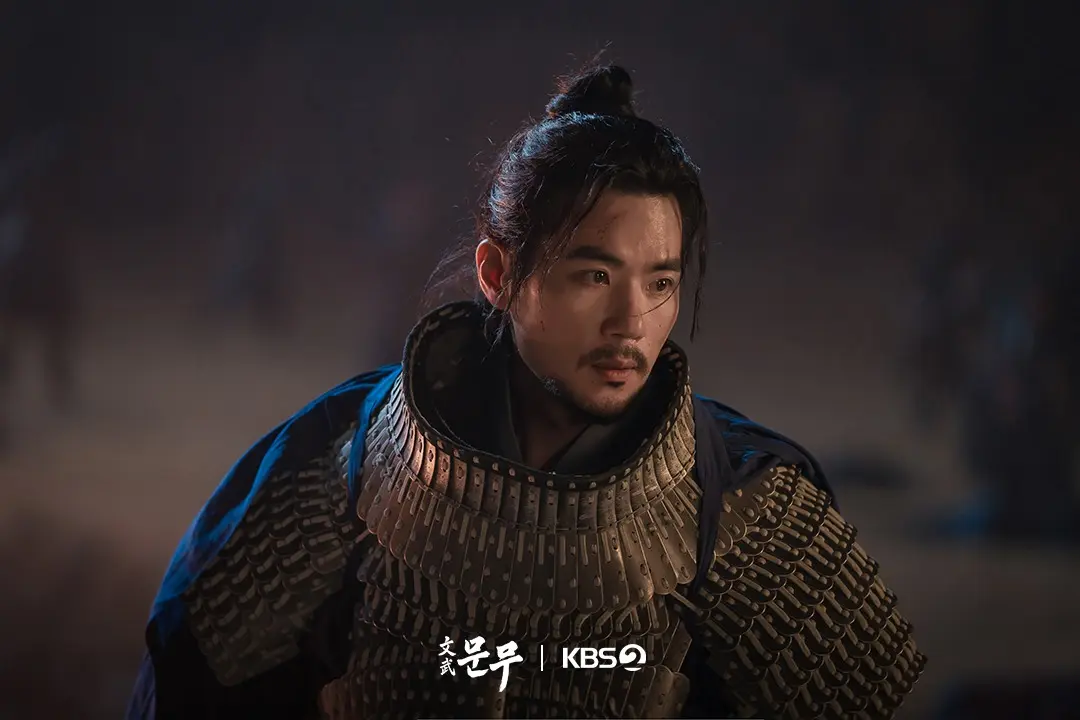
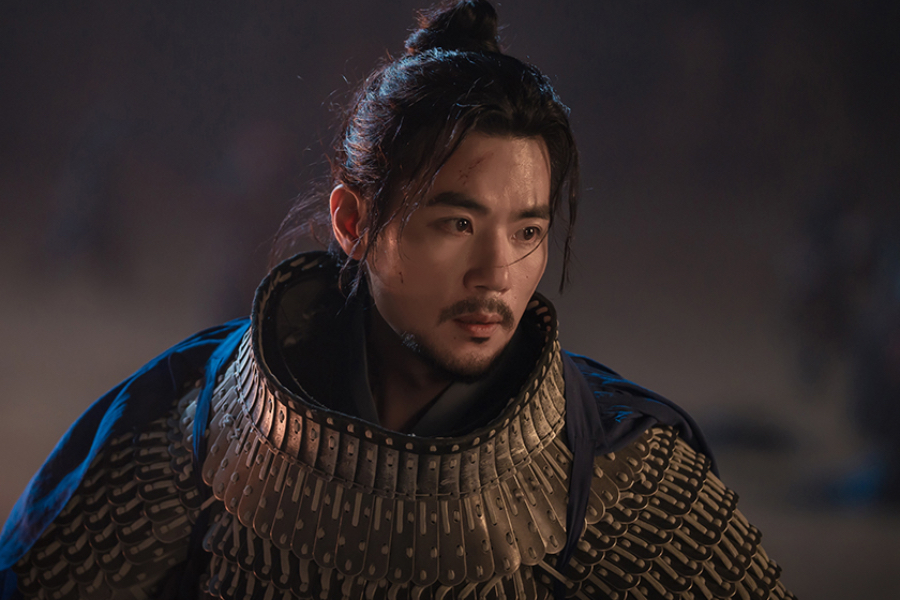
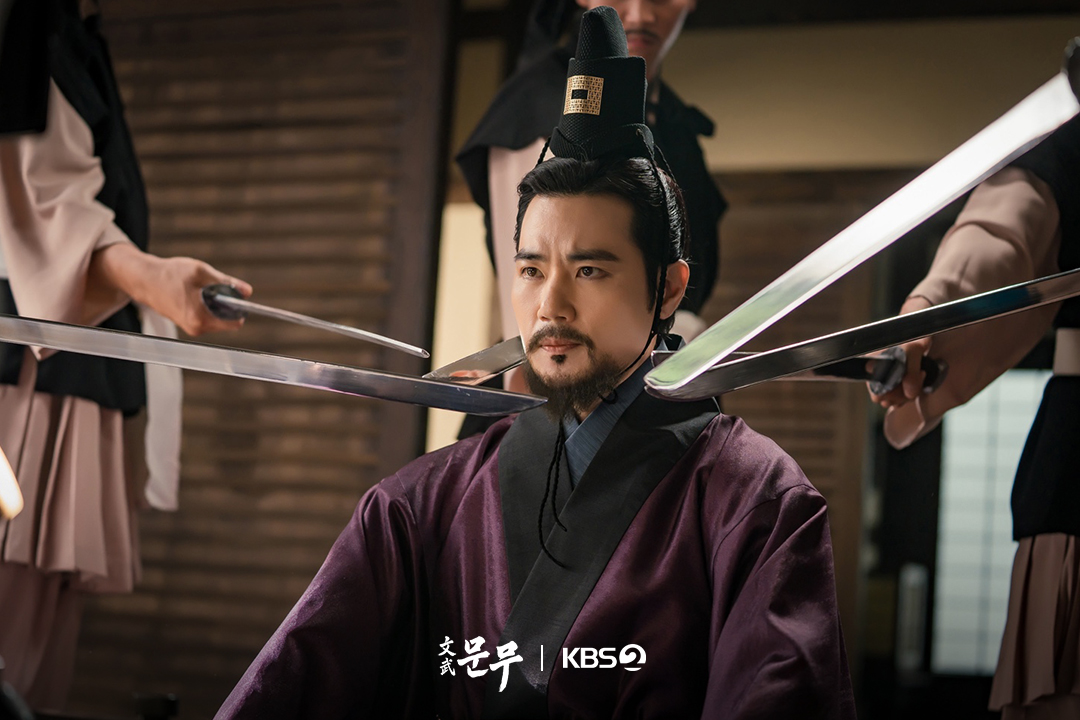
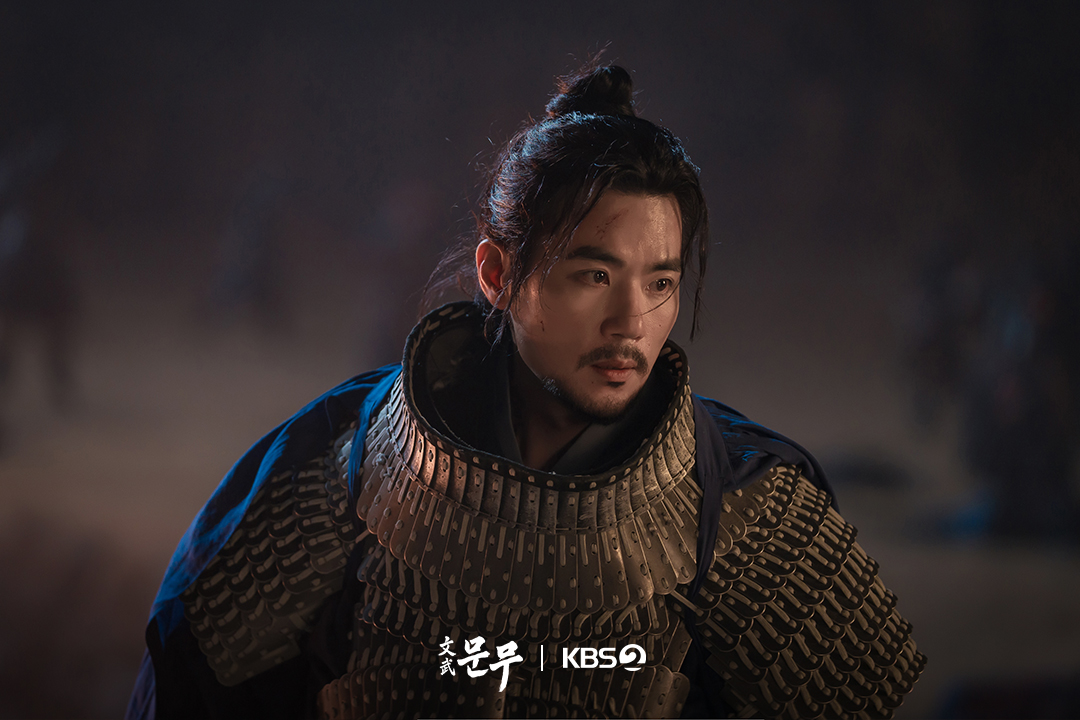
Recently unveiled promotional stills provide a tantalizing glimpse into Kim Kang Woo’s transformative portrayal of Kim Chun Chu. Displaying an intense, piercing gaze and an unwavering, authoritative presence, Kim brings to life a historical monarch defined by a personal philosophy that would shape a nation: "Survival in the present is victory in the future." As anticipation reaches a fever pitch ahead of its November 14 premiere at 9:20 p.m. KST, industry insiders and historical drama enthusiasts alike are preparing for a masterclass in political intrigue and strategic warfare.
Detailed Chronology: The Genesis and Rise of Kim Chun Chu
To fully appreciate the gravity of Kim Kang Woo’s character in The Great King Munmu, one must examine the complex historical and genealogical web that defined Silla’s rigid caste system, known as the golpum (bone-rank) system.
The Burden of Royal Lineage and Early Marginalization
Kim Chun Chu was born into a position of profound political vulnerability. As the grandson of King Jinji—the deposed 25th monarch of Silla—Chun Chu was immediately alienated from the highest echelons of power. Silla’s strict social hierarchy was dominated by the seonggol (sacred-bone) aristocracy, a tightly knit royal bloodline deemed exclusively worthy of the throne. Because his grandfather had been dethroned, Chun Chu found himself relegated to the jingol (true-bone) class.
For years, this lineage placed a ceiling on his political aspirations and left him exposed to the ruthless machinations of rival aristocratic factions. However, rather than succumbing to the limitations of his birth, Chun Chu cultivated a reputation as a shrewd strategist, honing an exceptional grasp of diplomacy and statecraft. He understood early on that in a world dominated by brute force, survival required a sharper weapon: intellect.
The Crucible of Crisis: The Fall of Daeya Fortress
The turning point for Kim Chun Chu—and indeed, for the future of Silla—arrived when the kingdom was plunged into an existential crisis. Baekje, Silla’s bitter and aggressive western rival, launched a devastating military offensive, capturing the strategically vital Daeya Fortress. The loss of this stronghold was not merely a territorial setback; it was a mortal blow that threatened to crack the foundations of Silla’s sovereignty, exposing the capital to direct invasion.
It was in this crucible of fire and desperation that Kim Chun Chu stepped decisively onto the main political stage. Recognizing that traditional aristocratic leadership was failing to meet the threat, he cast aside passive survival tactics. Guided by his foundational belief that "Survival in the present is victory in the future," Chun Chu embarked on a high-stakes campaign of political self-assertion.
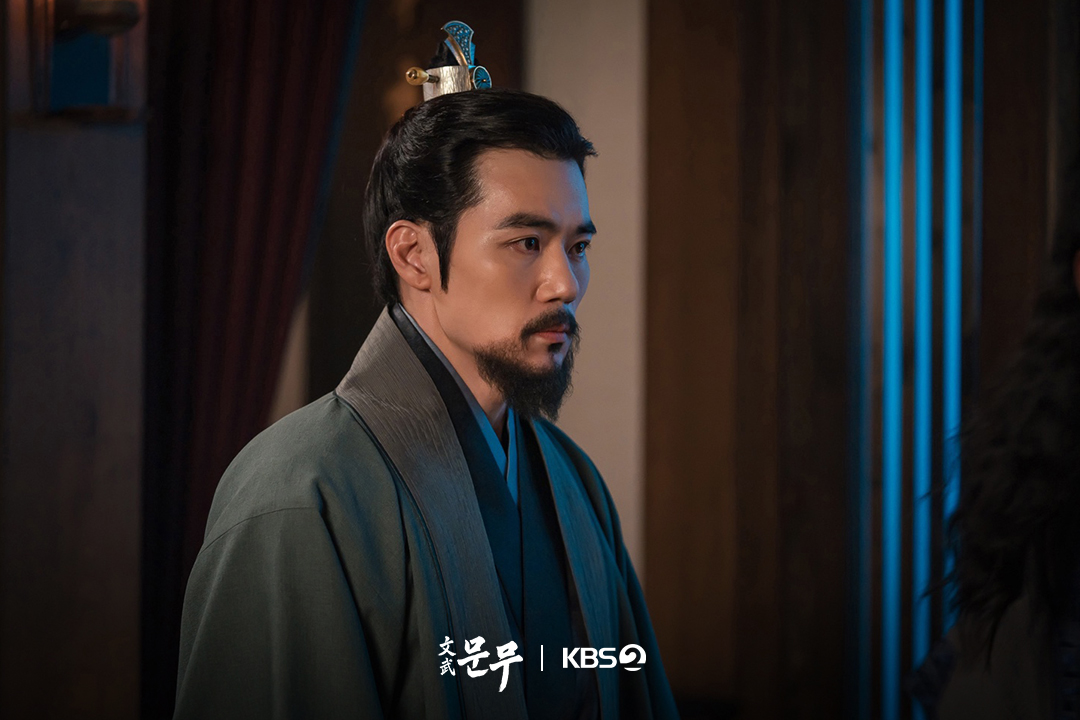
Rather than merely weathering the immediate military catastrophe, he leveraged the crisis to reshape Silla’s foreign and domestic policies. He navigated treacherous diplomatic waters, venturing into hostile territories and participating in tense, life-or-death negotiations with foreign powers—including forging the fateful alliance with China’s Tang dynasty. Throughout these harrowing trials, promotional stills reveal a character who remains preternaturally calm, maintaining his composure even as executioners or hostile warlords loom just out of frame.
Breaking the Ceiling: Ascending to the Throne
Kim Chun Chu’s calculated risks and diplomatic triumphs fundamentally altered the trajectory of Silla. By dismantling domestic opposition, uniting fractured political factions, and securing vital external alliances, he achieved the unprecedented: he became the first person of the true-bone (jingol) class to ascend to the Silla throne.
Crowned as King Taejong Muyeol, Silla’s 29th monarch, Chun Chu completed his metamorphosis. He evolved from a beleaguered politician fighting simply to keep his faction and country alive into a visionary sovereign harboring a much grander, continental ambition: the complete unification of the Three Kingdoms. While his military general and lifelong ally, Kim Yu Shin, would execute campaigns on the battlefield, Chun Chu laid the irreplaceable geopolitical groundwork. This intricate journey of political ascent, psychological resilience, and state-level engineering forms the core narrative spine of The Great King Munmu.
Supporting Context & Metrics: Production Value and Historical Scope
The Great King Munmu is not merely another entry in the crowded historical K-drama genre; it represents a major investment in scale, historical fidelity, and cinematic craftsmanship by the broadcasting network and production team.
Directorial Vision and Production Pedigree
At the helm of this epic is director Kim Yeong Jo, a veteran filmmaker whose past work on Hwarang: The Poet Warrior Youth demonstrated a unique capability for blending youthful ensemble energy with grand historical stakes. Industry analysts note that Kim Yeong Jo’s visual aesthetic relies heavily on rich color palettes, dynamic action choreography, and meticulous attention to period-accurate costume and set design.
For The Great King Munmu, the production scale has been significantly elevated. Early production briefs indicate that the series utilizes state-of-the-art virtual production stages alongside extensive on-location shoots across South Korea’s most dramatic natural landscapes to recreate 7th-century fortifications, royal courts, and blood-soaked battlefields.
Character Ensemble and Dramatic Stakes
While Kim Kang Woo anchors the series as Kim Chun Chu, the drama benefits from a richly populated world of allies, rivals, and foreign adversaries:
- The Strategic Partnership: The dynamic between Kim Chun Chu and the legendary general Kim Yu Shin is expected to be a primary emotional and strategic anchor of the series, showcasing the synergy between political genius and military mastery.
- The External Threats: The inclusion of Goguryeo, Baekje, and the Tang dynasty as active, complex political entities—rather than one-dimensional villains—ensures that the diplomatic scenes carry as much tension and narrative weight as the physical combat sequences.
- Class Conflict: The socio-political friction between the entrenched sacred-bone aristocracy and the rising true-bone reformers provides a relatable, intensely human layer of internal domestic drama that mirrors modern political struggles for meritocracy and reform.
| Drama Metric / Detail | Specification |
|---|---|
| Title | The Great King Munmu |
| Director | Kim Yeong Jo (Hwarang: The Poet Warrior Youth) |
| Lead Actor | Kim Kang Woo (as Kim Chun Chu / King Taejong Muyeol) |
| Primary Theme | Silla’s survival, diplomacy, and the Unification of the Three Kingdoms |
| Premise Era | 7th Century Korean Peninsula (Silla, Goguryeo, Baekje, Tang Dynasty) |
| Premiere Date | November 14 at 9:20 p.m. KST |
| Network Platform | Major Korean Broadcast / Streaming via Viki for global audiences |
Official Statements and Visual Analysis
The release of the latest batch of character stills has offered critics and fans alike a deep dive into the tonal ambitions of the production team.
Decoding the Stills: A Portrait of Resilient Leadership
The newly published photographs underscore Kim Kang Woo’s physical and emotional commitment to the role of Kim Chun Chu. In one striking image, Kim is captured with a fierce, unwavering gaze that cuts through the visual noise of courtly intrigue. His posture is rigid yet relaxed, telegraphing a man who has stared down assassination threats and geopolitical ruin and emerged steeled rather than broken.
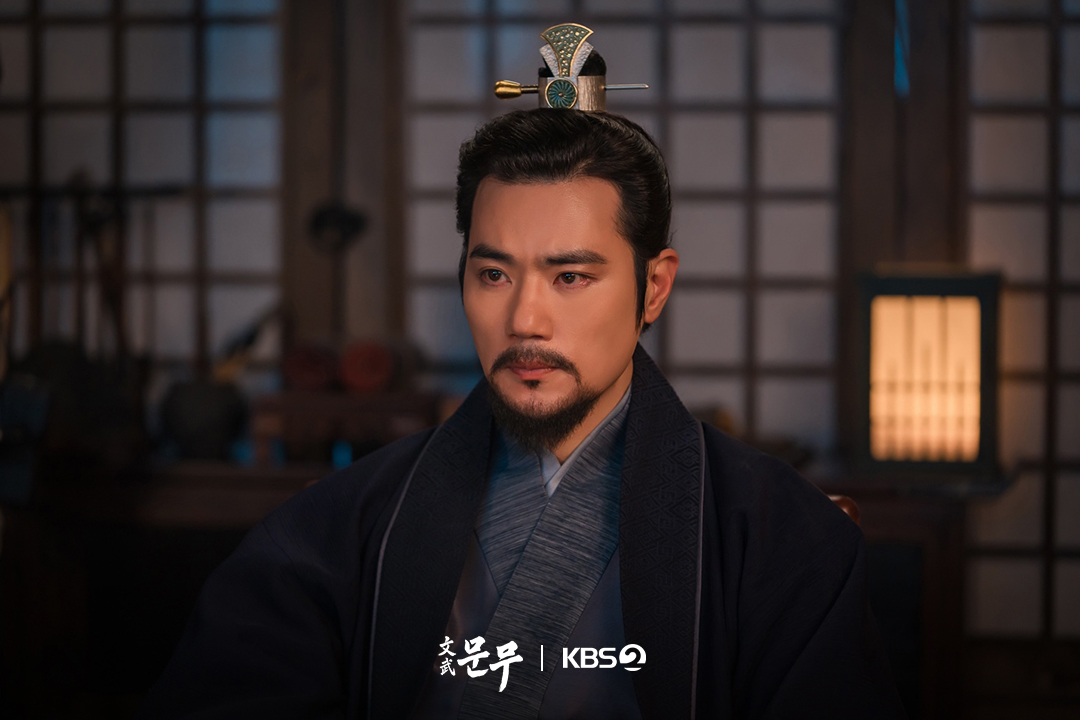
Another still places the character in a volatile, high-stakes diplomatic arena. Surrounded by hostile foreign envoys, Kim Chun Chu exhibits a chilling composure. According to production insiders, these scenes were among the most physically and mentally demanding for the lead actor, requiring precise micro-expressions to convey a mind working three steps ahead of everyone else in the room.
Behind the Scenes: Crafting a Legendary Monarch
Speaking on the casting and the character’s conceptualization, members of the production crew highlighted Kim Kang Woo’s rare ability to portray both vulnerability and absolute authority.
"Kim Chun Chu is not born an absolute ruler; he is forged in the fires of near-defeat and systemic oppression," a production representative noted during a recent press preview. "Kim Kang Woo captures this dual nature effortlessly. Viewers will watch him transform from a cornered politician calculating his next breath into a majestic king calculating the fate of generations to come. His sharp judgment and unflinching risk-taking behavior will redefine what audiences expect from historical protagonists."
Furthermore, the creative team emphasized that the series aims to humanize figures often relegated to dry textbook pages. By focusing on Chun Chu’s internal doubts, his strategic ruthlessness, and his deep-seated patriotism, the drama aims to resonate strongly with contemporary viewers navigating their own eras of uncertainty.
Future Outlook: Expectations and Global Impact
As the November 14 premiere approaches, market analysts and international streaming platforms are projecting high engagement numbers for The Great King Munmu. Historical K-dramas have historically enjoyed robust crossover appeal, particularly when they feature high production values, complex geopolitical plotting, and powerhouse lead performances.
Anticipation on Global Platforms
With global streaming rights secured by platforms such as Rakuten Viki, international fans are already mobilizing online communities to dissect the historical context of the Silla unification era. The inclusion of high-profile supporting works by Kim Kang Woo—such as his recent project The Old Woman With the Knife—on streaming homepages further amplifies his visibility, drawing diverse audiences toward his transition into this monumental historical role.
The Legacy of King Munmu and Taejong Muyeol
While the series bears the name of The Great King Munmu (Chun Chu’s son and successor, who ultimately completed the unification process by expelling foreign Tang forces from the peninsula), the narrative scaffolding heavily relies on Taejong Muyeol’s foundational groundwork. The drama is expected to bridge the gap between father and son, showcasing a dynastic lineage dedicated to a singular, unifying dream.
As television audiences increasingly favor complex anti-heroes, brilliant tacticians, and politically intricate narratives over straightforward black-and-white morality tales, The Great King Munmu arrives at the absolute right time. If the early promotional material, directorial pedigree, and Kim Kang Woo’s commanding presence are any indication, this historical epic is well on its way to cementing itself as a defining television event of the decade.
Mark your calendars: The Great King Munmu premieres on November 14 at 9:20 p.m. KST, inviting viewers to witness the birth of a nation and the rise of a legendary king who dared to out-think an empire.








Belum ada komentar. Jadilah yang pertama berkomentar!