

Executive Overview
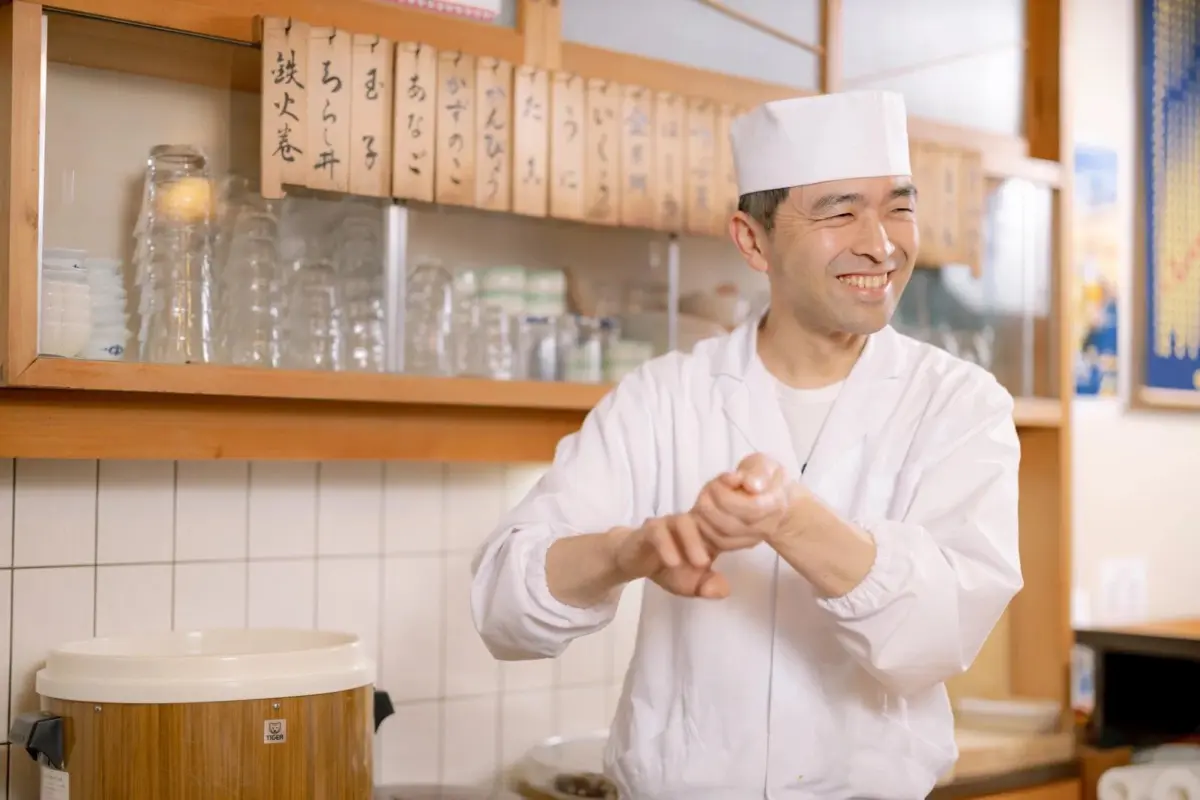
Dining out in Japan is rarely a purely utilitarian act of nutrition; rather, it is a masterclass in cultural nuance, historical continuity, and deeply embedded social hierarchy. Nowhere is this more apparent than at a traditional sushi counter (sushi-ya), where the boundary between guest and artisan is demarcated not just by a wooden counter, but by a complex, centuries-old lexicon of unspoken rules.
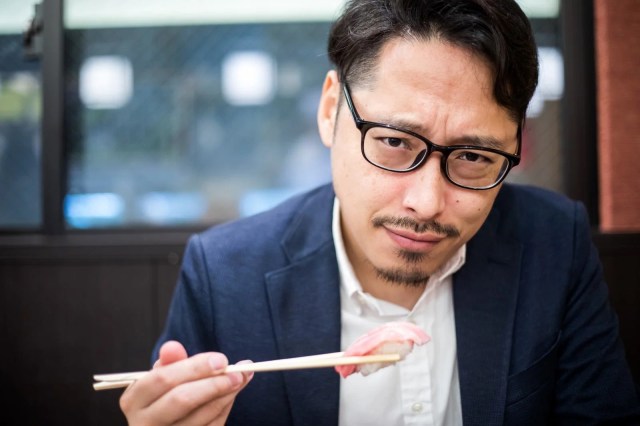
Recently, a seemingly innocuous food preference ignited a viral firestorm across Japanese social media and mainstream commentary platforms. A 30-year-old office worker, finding himself at a high-end sushi counter during a welcome dinner hosted by his new company president, made a seemingly harmless culinary choice: he ordered fatty tuna (toro) at the very beginning of the meal. His reward? A scathing, public reprimand from his new superior, who loudly criticized the selection as a blatant violation of basic adult etiquette and an insult to the art of sushi itself.
This dramatic interpersonal clash has opened a broader national dialogue regarding the rigid expectations of dining etiquette in corporate Japan, the evolving friction between traditional culinary philosophy and modern consumer freedom, and the delicate psychology of the omakase experience. While culinary purists and traditionalists defend the scientific and sensory rationale behind starting a meal with lighter, delicate white fish before progressing to richer cuts, critics argue that such dogmatic rigidity creates an exclusionary atmosphere that alienates younger generations and foreign visitors alike. This investigative report explores the origins of these traditional sushi practices, analyzes the viral incident that brought them to light, and weighs the enduring value of culinary heritage against the modern demand for personalized gastronomy.
Detailed Chronology of an Office Dinner Disaster
The incident that captured the collective imagination of Japanese internet users began as a standard corporate ritual: a welcome dinner designed to integrate a newly hired 30-year-old professional into his firm’s corporate culture. Corporate dining in Japan functions as an extension of the office, where hierarchies are continuously reinforced, social adaptability is tested, and every action—from how one pours a draft beer to the order in which food is consumed—is quietly evaluated by senior management.
The Catalyst: An Order of Toro
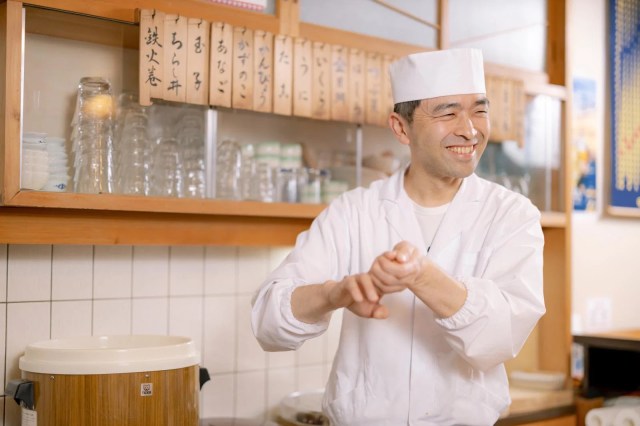
As is customary in high-end counter service, the newly hired employee was given the opportunity to voice his initial preferences to the chef. Craving the rich, melt-in-your-mouth texture of fatty tuna, he placed his order for toro right out of the gate. Within moments, the mood at the table shifted dramatically.
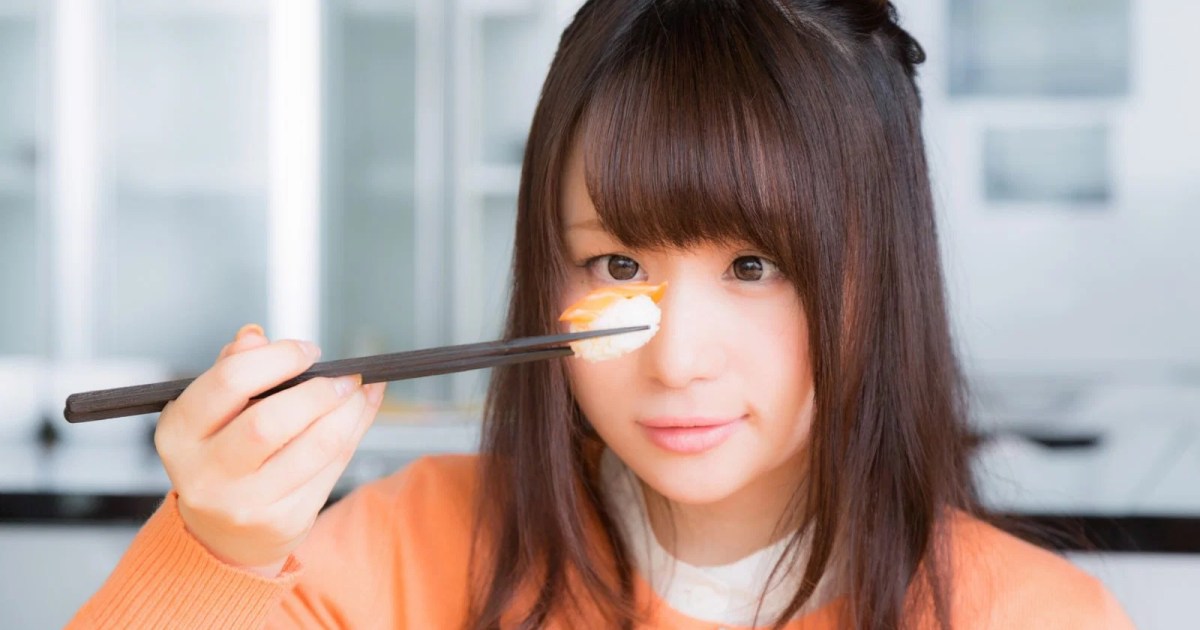
The company president, steeped in traditional expectations of how an educated adult should behave in public, immediately intervened. The president did not merely disagree with the choice; he loudly scolded the employee, labeling the order as fundamentally inconsiderate and indicative of a profound lack of basic social awareness.
Escalation and Cultural Friction
Attempting to defuse the tension and salvage his dignity, the young worker offered an honest explanation: quite simply, he did not particularly care for white fish (shiromai). Rather than accepting this as a matter of personal palate, the president doubled down, delivering a critique that cut to the core of culinary identity. He asserted that anyone who dislikes white fish cannot truly claim to "understand" or "love" sushi at all.
For the 30-year-old employee, the experience was profoundly jarring. Instead of feeling welcomed into a supportive professional environment, he spent the remainder of the evening questioning whether accepting the job offer had been a grave miscalculation. The story, later shared on digital forums and summarized by outlets like Hachima Kikou via Yahoo! News Japan, quickly resonated with thousands of netizens who found themselves polarized between defending traditional etiquette and condemning the president’s heavy-handed pedagogical approach.
Supporting Context & Metrics: The Science and Art of Sushi Sequencing
To understand why the company president reacted with such visceral intensity, one must look beyond mere snobbery and examine the sensory mechanics underpinning traditional Japanese dining. The progression of flavors in a formal sushi meal is not arbitrary; it is meticulously engineered to maximize the palate’s capacity for appreciation.
The Sensory Progression: From Light to Rich
In the world of Edomae sushi, the golden rule of ordering and serving is to transition progressively from light, delicately flavored fish to heavy, oil-rich varieties. This culinary methodology is rooted in the physiological behavior of human taste buds and olfactory receptors.
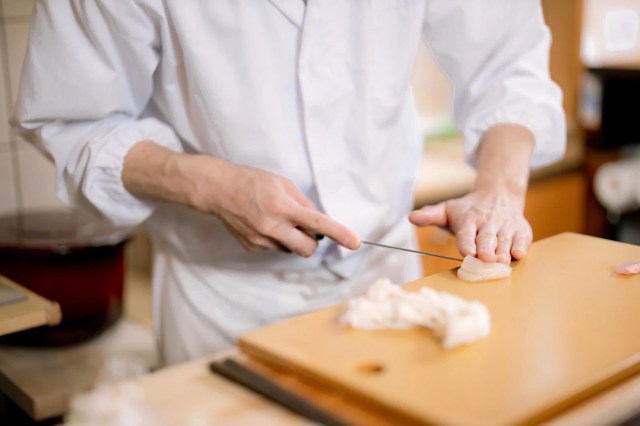
- Delicate White Fish (Shiromai): Varieties such as flounder (hirame), sea bream (tai), and squid (ika) possess subtle, clean, and mildly sweet flavor profiles. These cuts rely on understated umami and a pristine texture.
- Intermediate Silver and Lean Fish (Akami & Hikarimono): As the meal advances, diners move toward medium-oil fish like horse mackerel (aji), sardines (iwashi), or lean tuna (akami), which offer a more robust, iron-rich profile.
- Rich and Fatty Varieties (Torimono & Nitamono): The climax of the meal traditionally belongs to high-fat cuts like fatty tuna (otoro or chutoro), sea urchin (uni), and eel (unagi).
Why Sequence Matters
If a diner were to begin a meal with fatty tuna, the sheer volume of animal fats and intense umami compounds would coat the tongue. The lingering richness would effectively deaden the taste receptors, rendering subsequent bites of delicate flounder or sea bream completely tasteless. The chef’s carefully curated balance of vinegar-seasoned rice (shari) and pristine seafood would be utterly overshadowed.
This sequencing principle is most clearly manifested in the omakase (from the Japanese phrase "I leave it up to you") tradition. When placing one’s culinary fate entirely in the hands of the itamae (sushi chef), the guest is implicitly agreeing to experience this exact narrative arc. The chef builds a story across successive pieces, balancing acidity, temperature, texture, and fat content.
However, modern sociological surveys and dining trends indicate a growing generational divide regarding these practices. While over 70 percent of traditional sushi chefs surveyed in metropolitan Tokyo advocate for the light-to-heavy progression, data from casual dining associations show that younger demographics—particularly those raised on conveyor belt sushi (kaitenzushi) chains—frequently bypass traditional rules in favor of immediate gratification, ordering high-value, rich items right from their seats via digital touchscreens.
Official Perspectives and Industry Insights
The viral debate prompted food critics, veteran sushi masters, and etiquette experts to weigh in on the delicate balance between respect for tradition and the realities of modern gastronomy.
The Traditionalist View: Respect for the Artisan
Master chefs operating high-end counter restaurants often view their establishments as cultural sanctuaries. In these intimate settings—where seating is frequently limited to fewer than ten people—every interaction is shared.
"When a customer comes to a counter and orders haphazardly without regard for the natural harmony of the fish, it disrupts the flow of the kitchen," notes Kenjiro Takahashi, a veteran Edomae sushi chef with over thirty years of experience in Ginza. "We construct a menu like a musical composition. Starting with toro is like starting a symphony with the final, crashing crescendo. It robs the guest of the journey."
Takahashi argues that while a chef will rarely refuse a paying customer’s direct order, deviations from the natural rhythm signal a lack of cultural literacy. Nevertheless, he concedes that modern masters generally refrain from scolding patrons—preferring quiet disappointment to the aggressive pedagogical approach exhibited by the company president in the viral anecdote.
The Modernist View: Personal Pleasure over Dogma
Conversely, contemporary culinary commentators argue that food is, above all, a source of personal enjoyment. The rise of global sushi culture has democratized Japanese cuisine, transforming it from an exclusive aristocratic ritual into a globally beloved comfort food.
Food sociologist Dr. Aiko Nakamura points out that rigid social policing at the dinner table creates unnecessary anxiety. "Dining should be a space for relaxation and connection," Nakamura explains. "When older generations weaponize traditional etiquette to shame younger colleagues, it transforms a meal into an examination of social compliance. If a customer is paying premium prices for fatty tuna, they should be entitled to enjoy it whenever and however they please without fear of professional retribution."
Furthermore, modern dining formats like the recently popularized "Sushi Bus" tours in Tokyo illustrate how the industry itself is actively catering to a more casual, fun-seeking international and domestic demographic where traditional rules are deliberately relaxed in favor of entertainment and accessibility.
Future Outlook: The Evolution of Sushi Etiquette in a Globalized World
As Japanese cuisine continues to evolve on the global stage, the tension between rigid tradition and flexible modernity will undoubtedly persist. The future of sushi etiquette will likely bifurcate into two distinct environments:
- The Ultra-Traditional Counter: High-end, Michelin-starred, and traditional Edomae establishments will maintain their strict adherence to omakase principles. In these spaces, understanding and respecting the light-to-heavy progression will remain a silent hallmark of cultural sophistication. Diners seeking authentic, uncompromised craftsmanship will be expected to surrender control to the master chef.
- The Casual and Mass-Market Sector: Conveyor belt chains, automated ordering platforms, and experiential dining formats will continue to champion absolute consumer autonomy. In these environments, the concept of "wrong" orders will cease to exist, accommodating every permutation of personal taste, from sea urchin starters to beef short-rib sushi.
Ultimately, the cautionary tale of the 30-year-old office worker serves as a valuable cultural barometer. It highlights the high stakes of corporate socialization in Japan while reminding both locals and international travelers that a sushi counter is more than just a restaurant—it is a stage where history, chemistry, and human psychology intersect.
Whether one chooses to begin a meal with the pristine, delicate bite of a sea bream to honor the culinary gods, or dives straight into the decadent embrace of fatty tuna to satisfy an immediate craving, the wisest approach remains grounded in awareness. Know the rules so you can appreciate them, but remember that the ultimate goal of any great meal is, and always should be, genuine enjoyment.






Belum ada komentar. Jadilah yang pertama berkomentar!