

Executive Overview
In a development that has sent ripples through both the global financial markets and the hearts of coffee aficionados, Starbucks Corporation is reportedly preparing to divest its majority stake in Starbucks Japan. According to exclusive reporting by Reuters, citing anonymous insiders intimately familiar with the discussions, Seattle-based leadership is actively evaluating options to offload control of its most lucrative and thriving international market.
Valued at an estimated US$3 billion (approximately 470 billion yen), Starbucks Japan represents a staggering nine percent of the global coffee titan’s entire brick-and-mortar footprint. With nearly 1,900 stores dotting the Japanese archipelago, the subsidiary is far from struggling; rather, it stands as a masterclass in retail localization and sustained profitability.
Yet, this potential sale is not born out of distress, but rather out of a fundamental reassessment of global asset allocation. As Starbucks grapples with slumping profit margins and cultural pushback in its saturated domestic North American market, executive leadership is looking inward. Advised that the hyper-localized Japanese operation holds little direct "perceptive synergy" with the core American brand, Starbucks Corporation is eyeing a strategic retreat from direct oversight in Tokyo.
This prospective maneuver mirrors a broader trend among iconic American brands—such as McDonald’s and 7-Eleven—that have watched their overseas operations evolve into hyper-successful, culturally distinct entities that operate virtually independently of their parent organizations. As the process moves toward a potential initiation phase before the end of the year, stakeholders are left asking a defining question: Have Starbucks U.S.A. and Starbucks Japan finally outgrown each other?
Detailed Chronology
To understand the weight of this impending corporate realignment, one must trace the history of Starbucks’ footprint in Japan, a journey defined by calculated expansion and deep-seated cultural integration.
1996: The Historic Foothold in Ginza
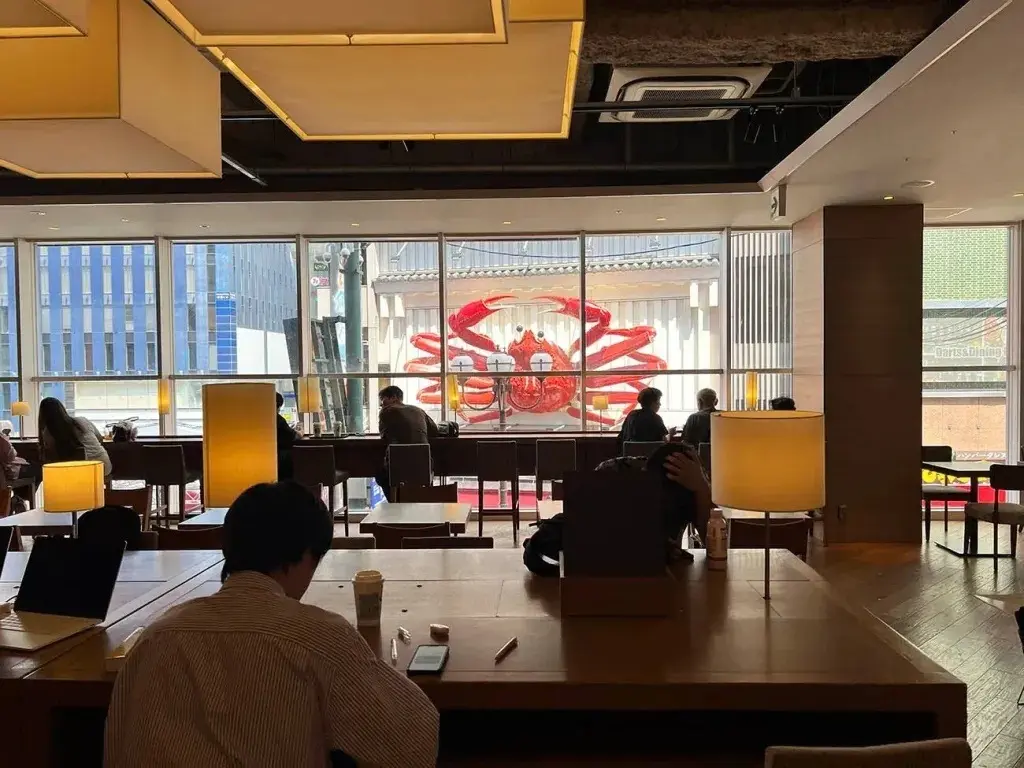
The narrative began nearly three decades ago, in August 1996, when Starbucks opened its very first international location outside of North America in Tokyo’s upscale Ginza district. At a time when Japan’s coffee culture was largely defined by traditional kissaten (classic Japanese coffee houses) or canned vending machine beverages, Starbucks introduced a novel concept: the Western-style "third place." Armed with its American pedigree, the brand quickly captured the imagination—and disposable income—of urban Japanese consumers, establishing instant consumer trust and setting the stage for rapid nationwide growth.
2014: Consolidation of Power
For the first eighteen years of its Japanese operation, Starbucks Corporation shared ownership of the subsidiary with Sazaby League, a prominent Japanese lifestyle company known for ventures like the Afternoon Tea cafe chain and apparel lines such as Agnès b. Sazaby League originally held a controlling 60.5 percent stake in the enterprise.
However, in 2014, Starbucks Corporation made a decisive play for absolute control. Buying out Sazaby League’s remaining shares for a staggering US$914 million, the Seattle parent company converted Starbucks Japan into a wholly-owned subsidiary. In the dozen years following this buyout, the Japanese market blossomed exponentially. The market value of Starbucks Japan doubled, and the store count nearly doubled from the 1,050 locations operating in 2014 to 1,883 stores recorded as of September last year.
2025–2026: The Strategic Pivot
The catalyst for the current divestment discussions materialized quietly. In June of this year, corporate advisors reportedly informed Starbucks executives that the Japanese market—despite its immense financial success—is fundamentally "not central to Starbucks’ core brand identity."
Faced with declining margins and intensifying labor and operational headwinds in the United States, Starbucks Corporation began quietly charting a course to prune its international holdings. By offloading its majority stake in Starbucks Japan, the parent company hopes to liberate substantial liquid capital and refocus its executive bandwidth entirely on domestic market revitalization. According to Reuters, the exact parameters of the stock sale are still being finalized, but the transaction is expected to hand over operational control of the subsidiary, with the formal sales process potentially kicking off before the close of the year.
Supporting Context & Metrics
The sheer scale of Starbucks Japan makes any potential sale a transaction of titanic proportions in the global food and beverage sector. The numbers tell a story of an enterprise that has long since surpassed the status of a mere foreign import.
Financial and Footprint Metrics
- Total Store Count: 1,883 locations across Japan (as of late last year).
- Global Significance: Accounts for approximately 9 percent of all Starbucks coffeehouses worldwide.
- Market Valuation: Estimated at roughly US$3 billion (470 billion yen).
- International Standing: Stands as the largest international Starbucks market directly controlled by the parent corporation outside of the United States.
- Growth Trajectory: Store count has nearly doubled since the 2014 total of 1,050 locations.
The Phenomenon of Hyper-Localization
What drives Starbucks Japan’s extraordinary valuation is its uncanny ability to adapt to local culinary sensibilities while maintaining the sleek, minimalist aesthetic that customers globally associate with the brand. Unlike other multinational chains that force a rigid, standardized global menu onto foreign markets, Starbucks Japan has thrived by embracing seasonal, highly creative, and localized product cycles.
Throughout the year, Japanese coffee lovers are treated to exclusive limited-edition beverages that rarely, if ever, make their way across the Pacific to U.S. menus. Recent examples include:
- The Sweet Potato and Latte Series: Capitalizing on the autumn love for satsumaimo (Japanese sweet potato).
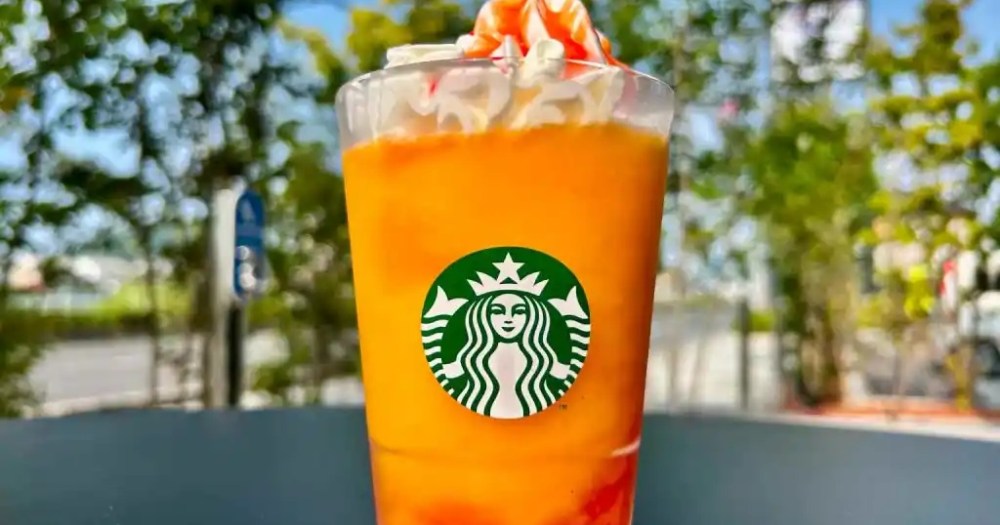
- The Kyoho Grape Frappuccino: A luxurious, seasonal fruit-based beverage blurring the lines between summer and autumn.
- The Mottainai Banana Affogato Frappuccino: An innovative creation designed around sustainability and reducing food waste by utilizing imperfect bananas.
These localized triumphs point to a deeper realization: Japanese consumers do not patronize Starbucks because they are craving an "American" coffee experience. They patronize it because Starbucks Japan has effectively become a Japanese brand with an American lineage.
Conversely, when American consumers scan their local Starbucks menus, they see very little influence originating from the Japanese market—with the notable exception of matcha-based drinks. The operational symbiosis that once justified direct ownership has evaporated. Neither market relies on the other for its daily relevance, success, or cultural cachet.
Official Statements and Industry Perspectives
While Starbucks Corporation has maintained a measured silence regarding the finer details of the Reuters leak, industry analysts and corporate insiders have been vocal about the underlying rationale.
The core argument presented to Starbucks leadership centers on brand focus and resource allocation. "The market is not central to Starbucks’ brand," was the blunt assessment delivered to executives in June. In the eyes of corporate strategists, holding onto a multibillion-dollar asset in East Asia makes less sense when the home turf in North America is crying out for capital investment, operational streamlining, and leadership attention.
However, industry watchers are quick to draw parallels to other foreign retail giants in Japan, warning that ownership shifts can trigger anxieties among local consumer bases. Last year, when Canadian retail conglomerate Alimentation Couche-Tard made a high-profile bid to acquire 7-Eleven Japan and its parent company, the reaction from the Japanese public was immediate and anxious. Loyal patrons expressed acute concern that foreign intervention might disrupt the meticulous supply chains, product quality, and unmatched customer service that define Japanese convenience stores.
Though that acquisition bid ultimately failed, the episode highlighted a distinct Japanese consumer psychology: an inherent suspicion of corporate tinkering with beloved domestic institutions. As news of the potential Starbucks Japan sale spreads, a similar wave of mild trepidation is washing over local fans. They worry that a new owner—whether a private equity firm, a domestic conglomerate, or another multinational entity—might alter the seasonal menu cadence or compromise the distinctive in-store experience that has made Starbucks an omnipresent fixture of Japanese urban life.
Future Outlook
As the calendar ticks toward the end of the year, the trajectory of Starbucks Japan hangs in a delicate balance. What happens next will depend heavily on the structure of the impending deal and the identity of the eventual buyer.
What Stays the Same
For the everyday customer sipping a seasonal Frappuccino in a bustling Tokyo or Osaka café, the immediate future is unlikely to bring drastic changes. The operational infrastructure of Starbucks Japan—its dedicated workforce, its sophisticated supply chain, and its brilliant research and development teams—operates with a self-sustaining momentum. The creative engine that churns out cherry blossom-themed beverages in spring and sweet potato treats in autumn does not rely on directives from Seattle; it relies on an intimate understanding of the Japanese palate.
What Changes Behind the Scenes
For Starbucks Corporation, the sale represents a retreat to core competencies. By offloading its majority stake, the Seattle giant will likely pocket a massive cash windfall—potentially upwards of US$3 billion—which can be redeployed to fix operational bottlenecks, improve digital infrastructure, and elevate the partner (employee) experience across its core North American stores.
The Question of Ownership Identity
The ultimate wildcard is who will assume control of the Japanese subsidiary. Will a domestic investment fund or consortium step in to maintain the status quo, ensuring that local management retains full creative autonomy? Or will another global hospitality player take the helm, introducing new strategic philosophies?
Whatever the ownership structure ultimately looks like, the impending sale of Starbucks Japan marks the end of an era. It serves as a fascinating case study in modern global retail: a brand born in the Pacific Northwest that was so thoroughly adopted, reinterpreted, and perfected by a foreign culture that it ultimately outgrew its parentage, proving that the greatest success a multinational can achieve is to become entirely indispensable to the local world it inhabits.






Belum ada komentar. Jadilah yang pertama berkomentar!