Hokkaido, Japan’s northernmost prefecture, is a land defined by geological drama, sweeping wilderness, and a relatively recent modern history compared to mainland Honshu. While the island lacks the ancient, millennium-old shrines found in Kyoto or Nara, its spiritual architecture reflects a fascinating fusion of indigenous reverence, pioneering grit, geopolitical strategy, and extreme survival. From majestic urban power spots in Sapporo to perilous cliffside sanctuaries on the Sea of Japan, Hokkaido’s shrines offer a profound window into the soul of Japan’s northern frontier.
This comprehensive guide investigates ten of the most culturally significant, architecturally unique, and geographically extreme shrines across Hokkaido. Whether you are a collector of goshuin stamps, a seeker of romantic fortune, or an adventurous traveler drawn to the edge of the map, Hokkaido’s sacred sites present an unmissable dimension of northern travel culture.
Detailed Chronology and Historical Evolution
The timeline of Hokkaido’s spiritual spaces is deeply intertwined with the region’s development, shifting from Ainu indigenous animism to Edo-period coastal trade expansion, and finally to Meiji-era state-sponsored pioneering.
1441–1443: The establishment era of Ota-yama Shrine in Setana, marking early Japanese spiritual presence and maritime prayers on the western coast.
1785:Hokumon Shrine in Wakkanai is originally established, later rebuilt in 1913, serving as a vital northern bulwark for travelers and sailors.
1806: Fisheries pioneer Kahei Takadaya establishes Nemuro Kotohira Shrine to protect the lucrative coastal fishing grounds of eastern Hokkaido.
1869:Hokkaido Shrine (originally Sapporo Shrine) is founded under an imperial decree by Emperor Meiji to enshrine pioneering deities and act as the spiritual bedrock for regional development.
1868–1885: Rapid modernization and settlement see the foundation of Sumiyoshi Shrine in Otaru (1868) and Nishino Shrine (1885), transitioning from quiet local outposts to prominent regional cultural centers.
1915:Nosappu Kotohira Shrine is established on Cape Nosappu, anchoring Japan’s easternmost territorial spirituality.
Supporting Context & Metrics: The Spiritual Geography of Hokkaido
To understand Hokkaido’s sacred geography, one must look at the sheer scale of the region. Spanning over 83,400 square kilometers, the prefecture boasts structural extremes that define its shrine culture:
Geographic Extremes: The island houses both Japan’s easternmost shrine (Nosappu Kotohira Shrine) and its primary northern administrative spiritual hub (Hokumon Shrine in Wakkanai).
Architectural Scale:Hokkaido Shrine in Sapporo occupies a sprawling 180,000-square-meter urban oasis, welcoming between 700,000 and 800,000 worshippers during the New Year Hatsumode period alone.
Seasonal Transformations: Sites like Lake Shikotsu transform entirely in winter, yielding ephemeral ice architecture visited by hundreds of thousands, while historic routes like Ota-yama demand rigorous physical endurance over vertical rock faces.
The 10 Essential Shrines of Hokkaido
1. Hokkaido’s Ultimate Power Spot: Hokkaido Shrine (Sapporo)
Tracing its roots to an imperial mandate by Emperor Meiji, Hokkaido Shrine serves as the spiritual heart of the prefecture. Originally designated as Sapporo Shrine, it enshrines three pioneering deities—Okunitama, Onamuchi, and Sukunahikona—as guardians of regional development, alongside the spirit of Emperor Meiji himself.
Architecturally and historically, the shrine holds unique defensive features. Its second torii gate faces northeast rather than the traditional south or east, a strategic orientation originally designed to guard against southern Russian expansion during the Meiji period. Today, folklore suggests this gate helps visitors sever toxic relationships and unwanted ties.
Beyond spiritual prophylaxis, the shrine is famous for its cultural offerings. Visitors can acquire exclusive Hello Kitty omamori (lucky charms) or obtain handwritten goshuin stamps from calligrapher priests. On the grounds, the traditional Rokkatei Jingu Chaya teahouse serves the legendary Hangan-sama—a grilled rice cake filled with sweet red bean paste, named in honor of Yoshitake Shima, the "Father of Hokkaido’s Development."
2. A Mini Tunnel of Red Gates: Fushimi Inari Shrine (Sapporo)
Nestled in Sapporo’s verdant Fushimi district, Sapporo Fushimi Inari Shrine offers a stunning northern homage to Kyoto’s famous Fushimi Inari Taisha. The shrine grounds feature a striking corridor of 27 vivid red torii gates winding up a gentle slope.
The visual appeal of this shrine shifts dramatically with the seasons: the vermilion arches pierce through vibrant autumn foliage or stand in sharp, poetic contrast against deep winter snowbanks. Located roughly a 15-minute walk from the Mt. Moiwa Ropeway station, it offers seasonal goshuin stamps that attract collectors year-round.
3. The Matchmaker’s Haven: Nishino Shrine (Sapporo)
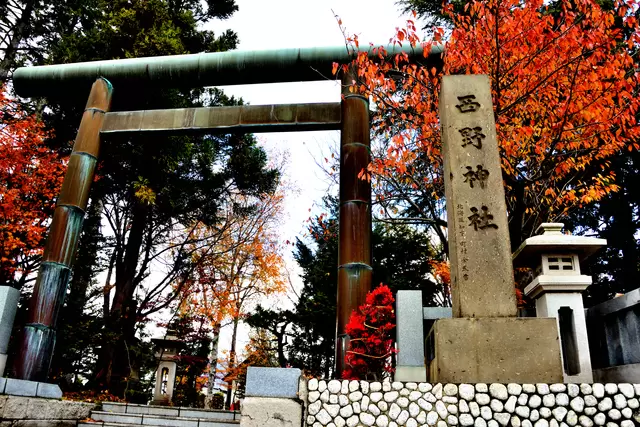
Established in 1885 by early agricultural pioneers, Nishino Shrine transitioned from a quiet local sanctuary to a national destination for romance and marital success following a visit by Japanese celebrity Masaharu Fukuyama.
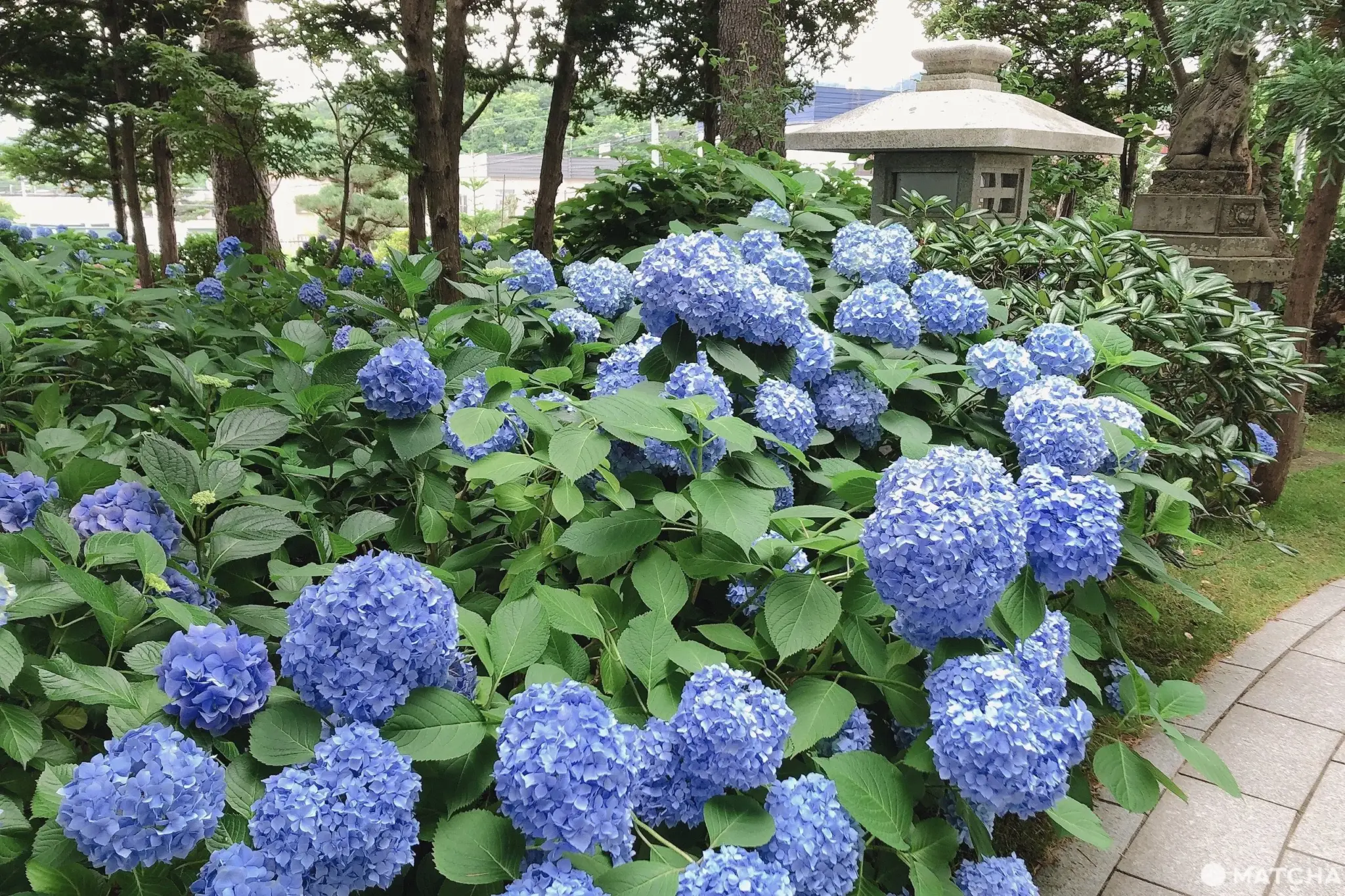
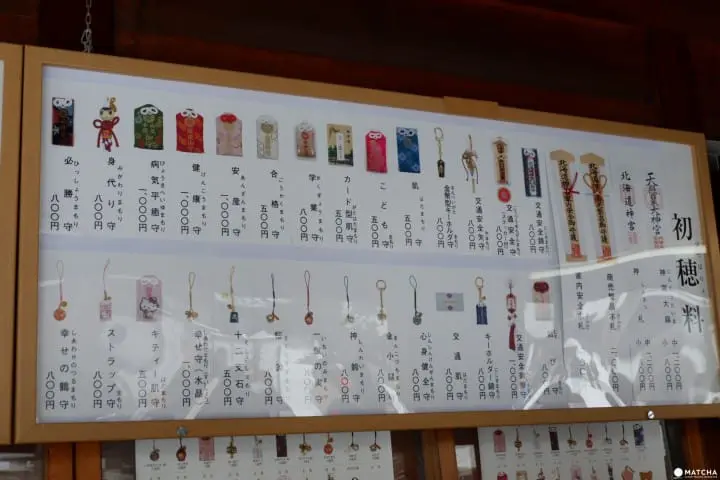
Today, it is widely celebrated as one of the premier spots in Hokkaido for praying regarding love, matchmaking, and healthy relationships. Furthermore, Nishino Shrine boasts one of the most extensive catalogues of omamori in the prefecture, catering to nearly every conceivable modern prayer. The grounds are also famed for stunning floral displays, particularly hydrangeas in July and brilliant foliage in October.
4. The Ephemeral Ice Shrine at Lake Shikotsu Onsen
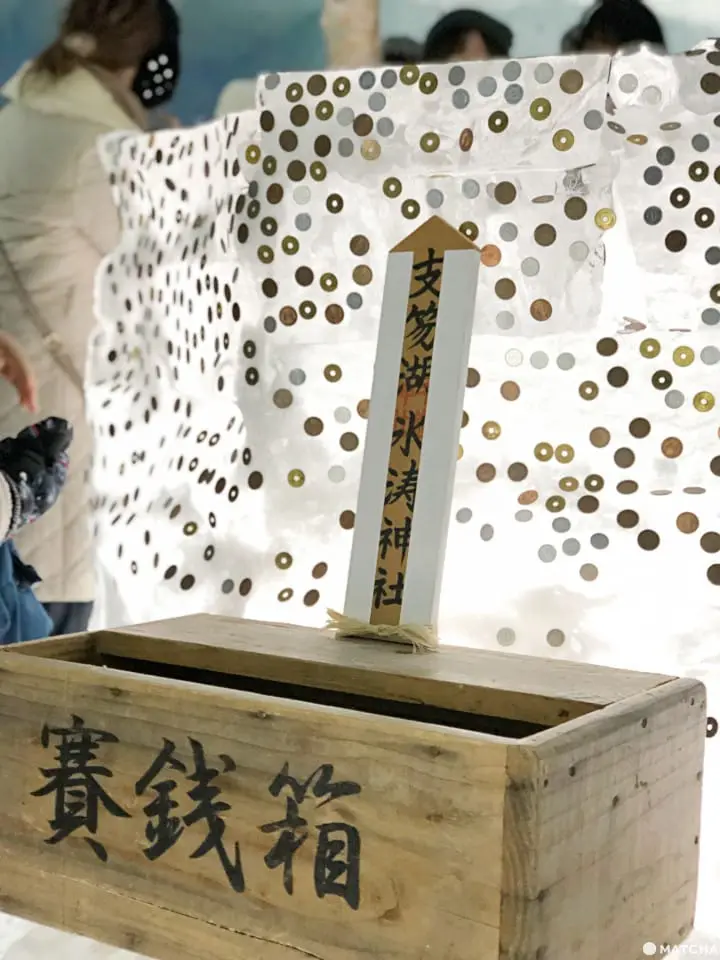
Located approximately 30 minutes by car from New Chitose Airport, Lake Shikotsu Onsen hosts a breathtaking winter spectacle every January: the Lake Shikotsu Ice Festival. At the center of this frozen wonderland stands the Ice Shrine (Hyoto Shrine).
Constructed entirely by spraying and freezing the exceptionally clear waters of Lake Shikotsu, the ice takes on a natural, luminous pale blue hue. Visitors engage in a unique seasonal ritual: pressing coins directly into the vertical blocks of ice as offerings. At night, illuminations and fireworks transform the site into an ethereal, dreamlike landscape.
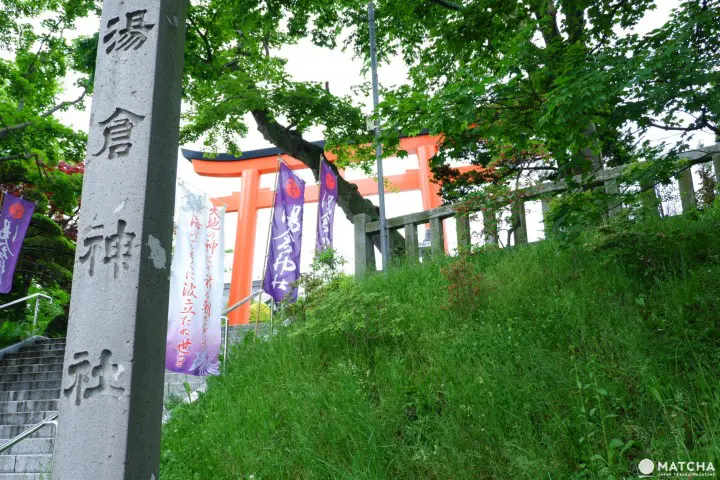
5. Yukura Shrine (Hakodate): Healing Waters and the Lucky Mallet
Situated in the historic Yunokawa Onsen district of Hakodate, Yukura Shrine is anchored in a 500-year-old healing legend. According to lore, when feudal lord Takahiro fell ill, divine guidance led him to bathe in the local thermal springs, leading to a miraculous recovery.
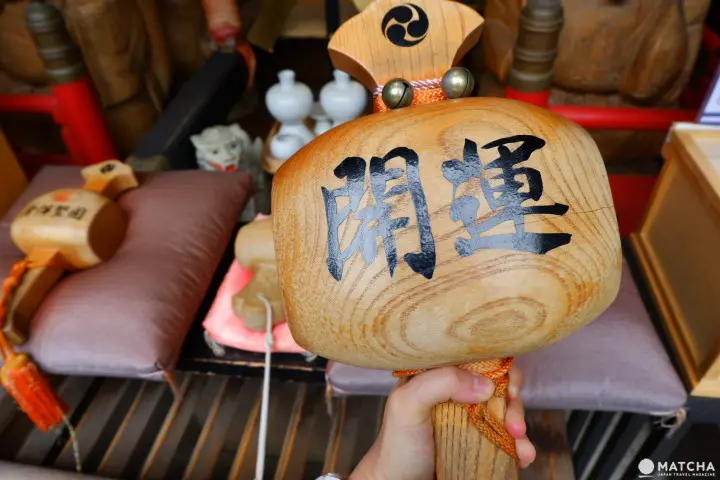
Dedicated to deities of healing and well-being, the shrine invites visitors to interact with sacred artifacts:
Onamuchi’s Lucky Mallet: Worshippers swing the large ceremonial mallet while making a wish.
The Health Mallet: A smaller wooden mallet used to gently tap afflicted areas of the body to pray for physical recovery.
Yukura Shrine also pushes the boundaries of craft artistry, offering pure silk customizable omamori and exquisite goshuincho (stamp books) embroidered with Chishima cherry blossoms over a map of Hokkaido.
6. Sumiyoshi Shrine (Otaru): Coastal Elegance
Founded in 1868, Sumiyoshi Shrine stands as one of Otaru’s three major spiritual institutions. Conveniently located a mere six-minute walk from JR Minami-Otaru Station, it offers what many local cultural critics consider the finest cherry blossom viewing experience in the port city. For summer travelers, the annual Sumiyoshi Shrine Festival (held July 14–16) delivers a classic matsuri atmosphere with traditional food stalls and spirited community engagement.
7. Furano Shrine (Furano): Bold Brushstrokes in the Valley
Positioned roughly a 10-minute walk from Furano Station, Furano Shrine is a vital community center for prayers spanning academic success, health, and romance.
The highlight for many visitors is the shrine’s goshuin stamps, uniquely characterized by the bold, powerful calligraphy executed by an 84-year-old shrine maiden. Additionally, a quaint auxiliary Inari shrine on the property features a pathway of red torii gates that look exceptionally picturesque blanketed in pristine winter snow.
8. The Eastern Frontier: Nosappu Kotohira Shrine and Nemuro Kotohira Shrine
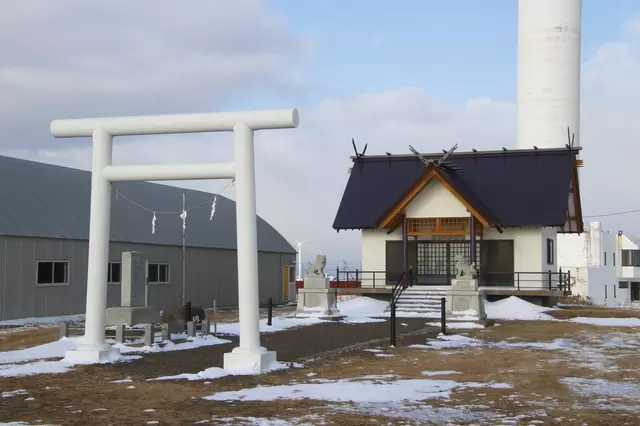
Positioned on Cape Nosappu, Nosappu Kotohira Shrine holds the official title of Japan’s easternmost shrine. Established in 1915 and left entirely unmanned, this coastal site features a striking white torii gate and a monument featuring an eternal flame symbolizing international peace.
For travelers seeking staffed administrative services and goshuin, the fully operational Nemuro Kotohira Shrine—founded in 1806 by fisheries pioneer Kahei Takadaya—operates nearby in central Nemuro, continuing a centuries-old tradition of protecting maritime workers.
9. Hokumon Shrine (Wakkanai): The Northern Anchor
As the spiritual heartbeat of Japan’s northernmost city, Hokumon Shrine in Wakkanai acts as the primary destination for travelers seeking official calligraphy stamps and protective amulets before venturing further north.
Originally established in 1785 and rebuilt in 1913 following a devastating fire, Hokumon Shrine serves as a resilient symbol of northern navigation and safe passage, outranking the geographically extreme but unmanned Soya Misaki Shrine in terms of active cultural infrastructure.
10. Ota-yama Shrine (Setana): Japan’s Most Dangerous Sanctuary
Clinging precariously to the rocky slopes of Mt. Ota in Setana, Ota-yama Shrine (established between 1441 and 1443) is widely regarded as the most perilous shrine in all of Japan. Dedicated to Lord Nobuhiro Takeda (enshrined as Ota Gongen), it historically served as a rigorous site for sailors praying for safe voyages.
The ascent is not for the faint of heart. Visitors must scale an extraordinarily steep wooden staircase before navigating sheer rock faces using safety ropes and crossing a suspended, rust-prone iron bridge. Accompanied by the sounds of coastal wildlife and demanding intense physical endurance, the one-hour climb is undertaken with the belief that a sincere heart and a safe return will manifest absolute divine favor.
Official Statements and Cultural Insights
Cultural preservationists and regional tourism authorities emphasize that Hokkaido’s shrines represent a distinct chapter in Japanese religious history.
"Unlike the ancient religious centers of western Japan, Hokkaido’s sacred sites were forged on the frontier," notes a regional heritage curator in Sapporo. "They represent human adaptability, the blending of indigenous respect for nature with mainland Shinto traditions, and a profound psychological anchor for communities facing harsh sub-arctic winters and untamed wilderness."
Future Outlook
As international and domestic tourism to Hokkaido continues to evolve past traditional ski seasons into year-round exploration, the prefecture’s shrines are increasingly recognized as cultural assets. Investments in multilingual digital guides, preservation of historic structures, and the promotion of seasonal stamp-collecting (goshuin-meguri) ensure these northern sanctuaries will continue to thrive.
Whether seeking the romantic warmth of Nishino Shrine, the urban majesty of Hokkaido Shrine, or the heart-pounding vertical ascent of Ota-yama, travelers venturing into Japan’s northern frontier will find a deeply rewarding and resilient spiritual landscape.














Belum ada komentar. Jadilah yang pertama berkomentar!