

Executive Overview
The consumer extended reality (XR) hardware market has long faced a persistent adoption barrier: the friction between high-end technological capability and consumer-friendly pricing. For years, manufacturers have loaded smart glasses with advanced spatial computing processors, high-end audio suites, complex array cameras, and automated electrochromic tinting systems.
While these features create impressive spec sheets, they inevitably push retail prices past the psychological threshold of the casual consumer, often landing well north of $450 to $600. Furthermore, these component-heavy designs increase overall device weight, causing user fatigue during extended media consumption or travel.
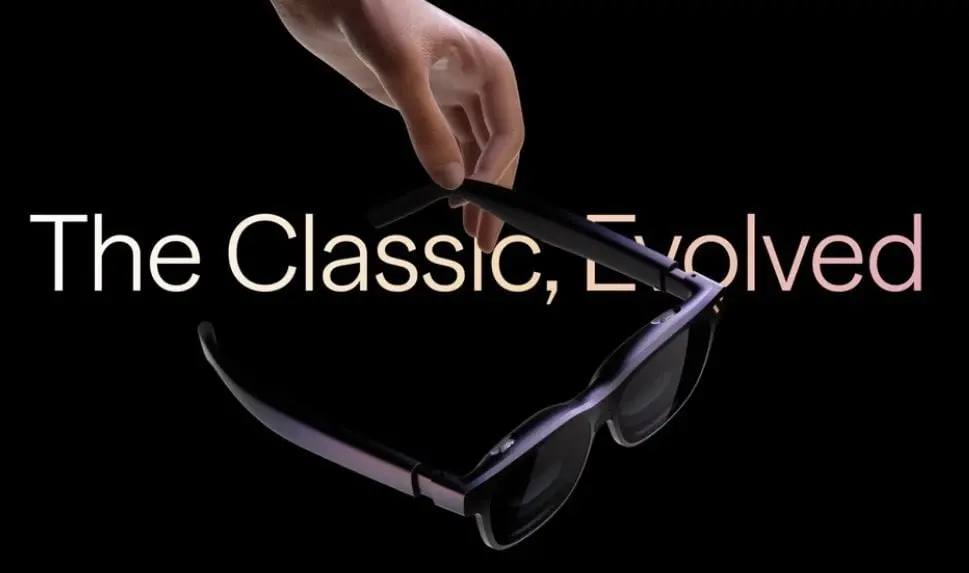
Enter the VITURE Pro 2 XR glasses, launched at an aggressive retail price point of $299.
By strategically shedding several marquee features of its predecessor—most notably the premium Harman-tuned audio system, internal electrochromic dimming, and the proprietary magnetic connector—VITURE has engineered a drastically lighter, streamlined entry-level wearable. Weighing in at a featherlight 63 grams (down from the original Pro’s 77 grams), the Pro 2 pivots away from heavy professional productivity and advanced spatial computing.
Instead, it carves out a focused niche as an ultra-portable, entertainment-centric private display designed for travelers, casual gamers, and media enthusiasts. However, this aggressive cost-reduction strategy involves notable compromises.
Without native head-tracking (0 DOF out of the box), onboard processing chips, or built-in cameras, the Pro 2 asks buyers to weigh the value of comfort and cost against feature richness. This comprehensive analysis investigates the design philosophy, hardware compromises, performance metrics, and market positioning of the VITURE Pro 2 to determine whether its streamlined approach successfully democratizes the XR experience or sacrifices too much utility.
Detailed Chronology and Hardware Evolution
To understand the strategic positioning of the VITURE Pro 2, it is necessary to examine the trajectory of the company’s product line. VITURE initially entered the smart eyewear ecosystem by prioritizing feature parity with high-end competitors, offering robust visual fidelity bundled with lifestyle accessories like mobile docks and electromagnetic dimming filters. However, user feedback highlighted a recurring issue: while the optical engines were praised, the physical weight of the hardware and the premium price tags limited broader market penetration.
The Shift Toward Mass-Market Ergonomics
The development cycle for the Pro 2 centered entirely on weight reduction and user comfort. The original VITURE Pro model, while celebrated for its bright visual output, tipped the scales at 77 grams. For mobile users wearing the glasses on long-haul flights or during prolonged gaming sessions, this mass distribution could lead to nose-bridge fatigue.
Through careful structural redesign, VITURE shaved 14 grams off the device, bringing the Pro 2 down to 63 grams. This was achieved by:
- Slimming the Temple Arms: The structural housing enclosing the internal circuit boards and wiring channels was engineered to be thinner and more aerodynamic.
- Redesigning the Nose Pads: The contact points resting on the user’s face were re-engineered using softer, more compliant elastomeric materials with improved surface grip.
- Adjustable Temple Mechanics: Moving away from rigid, one-size-fits-all frames, the Pro 2 introduces articulated, adjustable temple arms that allow users to customize the clamping force and angle of the arms, ensuring a tailored fit across diverse facial structures.
The Display Pipeline: Retaining Optical Clarity
Despite stripping away several auxiliary systems, VITURE chose to preserve the core display architecture that made its predecessor a favorite for media consumption: the time-tested birdbath optics system.
The glasses project a crisp 1920×1080 resolution per eye, feeding light into micro-OLED panels that simulate a massive virtual screen floating in the user’s field of view. Providing a 50-degree field of view (FOV), the optical stack prioritizes high contrast, deep blacks, and vibrant color saturation over expansive, panoramic spatial computing environments.
This keeps the focus squarely on traditional media consumption—watching movies, streaming TV shows, and playing standard video games—rather than complex multi-window office productivity workflows.
Supporting Context, Trade-Offs, and Technical Metrics
A $299 price tag does not materialize out of thin air. To hit this aggressive target while maintaining a high-fidelity visual experience, VITURE had to make calculated cuts to the hardware feature set. Reviewers and early testers, such as industry analysts Cas and Chary XR, have mapped out the specific hardware shifts that define the Pro 2.
Feature Omissions: What Was Left on the Cutting Room Floor?
| Feature / Component | Original VITURE Pro | VITURE Pro 2 | Strategic Impact / Trade-off |
|---|---|---|---|
| Retail Price | $459 Launch Price | $299 | Massively lowers the barrier to entry, making it an impulse-buy category for casual tech buyers. |
| Device Weight | 77 grams | 63 grams | Dramatically reduces facial fatigue during long-term wear, especially during travel. |
| Audio System | Premium Harman-tuned audio | Standard integrated audio | Eliminates high-end acoustic tuning; requires users to rely on external earbuds for immersive sound. |
| Dimming Tech | Electrochromic dimming | Removed / Simplified | Loses dynamic light adjustment; users must rely on physical light-blocking shades for bright environments. |
| Cable Connection | Proprietary magnetic connector | Standardized direct connection | Removes the quick-release breakaway safety feature in favor of simplified wiring. |
| Spatial Tracking | 0 DOF (Out of the box) / Limited 3 DOF via app | 0 DOF (Native) | Lacks native head-tracking; stationary display anchored to the user’s field of view. |
| Internal Processing | None (Client display device) | None (Client display device) | Relies entirely on host devices (phones, Steam Deck, laptops) for processing power. |
The Audio Dilemma: The Removal of Harman Tuning
One of the most notable sacrifices in the Pro 2 is the omission of the Harman-tuned audio architecture found in the original Pro. Audio performance in early smart glasses often struggled with acoustic leakage and thin sound profiles, an issue VITURE previously addressed by partnering with acoustic heavyweight Harman.
By removing this specialized system, the Pro 2 delivers a more basic audio output. For casual video viewing in quiet environments, the integrated speakers are serviceable. However, in loud transit environments—such as airplanes, trains, or bustling coffee shops—users will find themselves reaching for dedicated wireless earbuds or wired IEMs (In-Ear Monitors) to achieve acceptable sound isolation and fidelity.
Optical Dimming and Environmental Adaptability
The original Pro model featured electrochromic dimming, allowing users to electrically tint the lenses at the push of a button to block out ambient light and enhance virtual screen contrast. The Pro 2 simplifies this approach. Without built-in electrochromic glass, users operating the glasses in brightly lit environments—such as direct sunlight or harshly lit office spaces—must rely on physical light-blocking covers or find shaded environments to maintain optimal display contrast.
Performance, Capabilities, and Operational Limitations
To evaluate whether the VITURE Pro 2 fits into a modern tech setup, one must look closely at its operational boundaries. The device operates strictly as a peripheral display; it contains no internal processing chip, no battery, and no external cameras.
Degrees of Freedom (DOF) and Spatial Tracking
By default, the Pro 2 operates at 0 Degrees of Freedom (DOF). This means the virtual screen is pinned directly to your field of vision—wherever you look, the screen moves with you.
While advanced XR headsets offer 3 DOF or 6 DOF tracking that anchors virtual screens stably in 3D space, the Pro 2 bypasses this complexity. Limited 3 DOF tracking can technically be unlocked through third-party companion software, but this workaround requires configuration, external sensors or host processing, and technical patience. For the vast majority of buyers, the Pro 2 functions as a static, floating private monitor.
Ideal Use Cases
Because of these hardware constraints, the Pro 2 excels in specific, well-defined scenarios:
- In-Flight Entertainment: Weighing only 63 grams, the glasses pair exceptionally well with portable handheld gaming consoles (like the Steam Deck, ASUS ROG Ally, or Nintendo Switch) or smartphones, turning cramped airplane tray tables into private virtual movie theaters.
- Bedtime Media Consumption: Users can lie completely flat on their backs in bed, wearing lightweight glasses while viewing a massive virtual screen on the ceiling, eliminating the neck strain associated with holding heavy phones or tablets overhead.
- On-the-Go Laptop Extensions: Digital nomads working in coffee shops or hotel rooms can instantly deploy a private, crisp 1080p secondary monitor without exposing sensitive on-screen work to prying eyes.
Where the Pro 2 Falls Short
Conversely, users looking for true augmented reality (AR) capabilities will find the Pro 2 restrictive. Because it lacks cameras, depth sensors, and spatial computing chips, it cannot support interactive hand-tracking, room-scale AR applications, or complex 3D modeling environments. It is a screen replacement device, not a spatial computer.
Market Positioning, Pricing Dynamics, and Value Proposition
At $299, the VITURE Pro 2 successfully captures attention by undercutting flagship XR glasses that regularly retail between $450 and $700. This positions the device squarely in the consumer sweet spot for casual technology experiments.
The Refurbished Dilemma
However, market analysts point out a fascinating economic nuance within VITURE’s own product ecosystem: refurbished first-generation VITURE Pro models are frequently available online for under $200.
This creates a competitive friction point for budget-conscious buyers. Consumers must weigh whether the Pro 2’s 14-gram weight reduction and refined temple ergonomics justify paying a $100+ premium over a certified refurbished original Pro, which retains advanced features like Harman audio and electrochromic dimming.
The Accessory Ecosystem Cost
Buyers must also factor in the total cost of ownership. Depending on the host hardware, the Pro 2 may require specialized adapter cables (such as VITURE’s mobile dock or HDMI-to-USB-C converters) to achieve seamless compatibility with iPhones, Nintendo Switches, or legacy gaming systems. These optional accessories can quickly inflate the initial $299 investment if users require multi-device connectivity.
Future Outlook: The Democratization of Wearable Displays
The release of the VITURE Pro 2 marks a strategic inflection point in the consumer XR industry. For years, hardware manufacturers engaged in an escalating feature war, packing expensive sensors, heavy batteries, and complex spatial chips into wearable frames. The result was a technically impressive but prohibitively expensive product category restricted to early adopters and enterprise professionals.
By pivoting toward a "comfort-first, feature-trimmed" philosophy, VITURE has demonstrated that there is a viable, high-volume market for streamlined display glasses. The success of the Pro 2 suggests that many consumers do not want or need standalone spatial computing computers on their faces; they simply want a lightweight, highly private, excellent-quality virtual screen for their existing phones, consoles, and laptops.
What Lies Ahead for Smart Eyewear?
As display panel manufacturing costs continue to drop and micro-OLED yields improve, future iterations of entry-level XR glasses will likely bridge the gap between low weight and premium features. We can anticipate subsequent generations incorporating more efficient power management, native high-refresh-rate displays, and lighter, software-driven spatial tracking solutions that eliminate the need for heavy hardware components.
For now, the VITURE Pro 2 stands as a pragmatic exercise in engineering compromise. It proves that by letting go of luxury audio and complex dimming systems, manufacturers can deliver a comfortable, high-resolution viewing experience at a price point that finally invites the mainstream consumer into the XR conversation.





Belum ada komentar. Jadilah yang pertama berkomentar!