

Executive Overview
The mobile technology landscape stands at a fascinating crossroads. For over a decade, flagship smartphone design has been defined by incremental refinements, iterative camera bumps, and predictable generational cycles. However, recent leaks and insider reports regarding the upcoming Samsung Galaxy S27 Ultra suggest that the South Korean tech giant is preparing to shake up its design blueprint in a profound way.
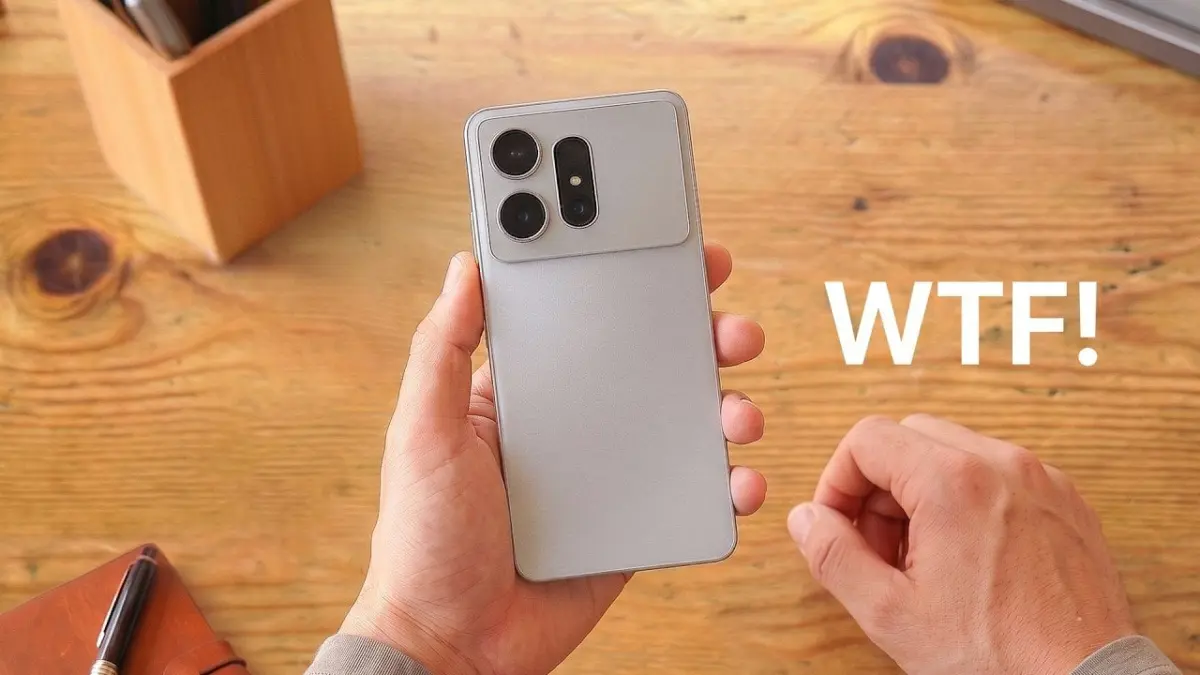
Most notably, early intelligence points to the abandonment of Samsung’s signature vertically stacked, isolated camera rings in favor of a striking horizontal camera module. This structural pivot, alongside the potential integration of a MagSafe-inspired magnetic alignment ring and rumors of a repurposed chassis originally intended for a canceled project, has ignited intense debate among tech analysts, purists, and consumers alike.
This deep-dive investigation explores the shifting paradigms of Samsung’s flagship design language. We examine the functional and aesthetic implications of the horizontal camera layout, evaluate the strategic choice behind a MagSafe-style accessory ecosystem, question the corporate logic of recycling cancelled hardware architectures, and project how these moves fit into Samsung’s broader roadmap—including an aggressive push into the foldable device market by 2027.
Detailed Chronology: The Evolution to the S27 Ultra
To fully comprehend the magnitude of the design shifts rumored for the Galaxy S27 Ultra, one must first trace the evolutionary timeline of Samsung’s modern Ultra lineage.
The Rise of the Vertical Aesthetic (2021–2025)
When Samsung effectively merged its Note series DNA into the Ultra moniker with the Galaxy S22 Ultra, it established a visual language characterized by sharp corners, a boxy silhouette, and a minimalist camera array. Rather than housing lenses inside a monolithic rectangular bump—a practice popularized by Apple and Google—Samsung opted for a "floating lens" design. Each camera sensor protruded directly from the back glass as an independent metallic ring. This distinctive minimalism became an instant trademark, ensuring that anyone glancing at a Galaxy Ultra device from across a room could instantly identify it.
Through successive iterations—the S23 Ultra, S24 Ultra, and S25 Ultra—this vertical layout remained a core pillar of the brand’s identity, even as materials shifted from polished aluminum and curved glass to titanium chassis and flat displays.
The Turning Point: Whispers of the S27 Architecture
By early 2026, supply chain whispers and concept leaks began painting a radically different picture for the late-decade flagship generation. Rumors surfaced indicating that Samsung was evaluating a major structural overhaul. The vertical camera stack was out; a clean, prominent horizontal bridge was in.
Simultaneously, industry insiders revealed that Samsung’s product development pipelines had encountered internal pivots, notably the cancellation of a speculative "Galaxy S26 Edge" project. According to leaked development logs, elements of the engineering framework mapped out for that canceled device—particularly its internal spatial layouts and structural chassis dimensions—were reportedly salvaged and repurposed for the upcoming S27 Ultra lineup.
This historical context transforms the S27 Ultra from a standard generational upgrade into a fascinating study in corporate resource management, risk mitigation, and reactionary design in an increasingly saturated marketplace.
Supporting Context & Metrics: Design Shifts and Market Realities
The smartphone market of the mid-2020s is hyper-competitive, characterized by plateauing hardware innovations and fierce battles over software ecosystems, AI capabilities, and form-factor novelty. In this climate, aesthetic differentiation is both a shield and a sword.
The Horizontal Camera Module: Convergence or Compromise?
The introduction of a horizontal camera array on the Galaxy S27 Ultra represents a dramatic visual departure from Samsung’s recent past. By aligning the camera sensors horizontally, Samsung is moving closer to design topologies favored by competitors such as Apple (with the iPhone Pro series) and various Chinese OEMs like Honor and Xiaomi.
[Traditional Samsung Ultra Layout]      [Rumored S27 Ultra Layout]
    O  (Lens 1)
    O  (Lens 2)                         [  O  O  O  O  ] (Horizontal Bridge)
    O  (Lens 3)
O (Sensor/Periscope) - The Pro-Convergence Argument: Proponents of the new layout argue that a horizontal bridge provides superior physical stability when the phone rests flat on a table, eliminating the annoying "rocking" motion common to vertically aligned multi-lens setups. Furthermore, it creates a cleaner, more uniform aesthetic that aligns with modern minimalist industrial design trends.
- The Brand Identity Dilemma: Critics, however, warn of homogenization. For years, the isolated vertical rings were a walking billboard for Samsung. Adopting a horizontal layout risks blurring the visual boundaries between a Galaxy Ultra and an iPhone Pro Max. In a market where consumer loyalty is heavily tied to prestige and distinct visual identity, trading uniqueness for conformity could backfire.
A Unified Flagship Identity: The S27 Pro and Standard Models
Samsung is not restricting this design shift to the Ultra model alone. Reports indicate that the horizontal layout will also grace the hypothetical Galaxy S27 Pro, establishing a cohesive visual standard across the top tier of Samsung’s portfolio.
However, a bifurcation remains within the broader family:
- Galaxy S27 & S27+: Expected to retain a more traditional, iterative design language to appeal to mainstream buyers who prefer legacy form factors.
- Galaxy S27 Ultra & Pro: Positioned as avant-garde style statements, signaling a clear line of demarcation between standard flagships and ultra-premium offerings.
This segmented approach creates a strategic balancing act. While uniformity strengthens brand architecture among high-end buyers, it risks alienating purists who feel the Ultra line is losing its distinct, uncompromising aesthetic heritage.
The MagSafe-Style Ring: Usability Meets Ecosystem Catch-Up
Another major addition rumored for the S27 Ultra is the integration of a magnetic alignment ring built into the rear chassis—a direct nod to Apple’s immensely popular MagSafe ecosystem.
It is crucial to differentiate Samsung’s likely implementation from Apple’s fully realized ecosystem. While Apple utilizes magnets for high-speed wireless charging, wallet attachments, desktop mounts, and modular battery packs, early indications suggest Samsung’s version will lean heavily toward structural case alignment and mechanical stability rather than deep proprietary accessory interoperability.
- Pros: Ensures third-party magnetic car mounts, stands, and specialized cases snap into place with absolute precision, vastly improving the day-to-day user experience.
- Cons: For a device commanding a top-tier luxury price tag, a functionally limited magnetic ring may feel like playing catch-up to a standard introduced by Apple years prior. Consumers will demand to know whether Samsung intends to foster a robust, first-party magnetic accessory ecosystem or simply leave it to third-party manufacturers.
The Recycled Design Controversy: Strategic Efficiency or Shortcut?
Perhaps the most contentious narrative surrounding the S27 Ultra is the report that its chassis and physical blueprint trace back to a repurposed design originally drafted for the aborted Galaxy S26 Edge.
From a financial and operational standpoint, recycling engineering validation and tooling from a canceled project is a textbook example of corporate efficiency. Semiconductor development, display fabrication, and camera R&D costs are soaring; utilizing existing structural shells allows Samsung to redirect capital toward software, artificial intelligence integration, and next-generation display technologies.
Yet, from a consumer perception lens, this strategy carries severe reputational risks. Flagship smartphone buyers—particularly those purchasing "Ultra" tier devices—expect uncompromised, bespoke engineering built specifically for that generation. If early adopters discover that their thousand-dollar device is wearing a hand-me-down chassis originally slated for an experimental edge model, questions regarding Samsung’s dedication to vanguard design will inevitably arise.
Official Statements and Industry Perspectives
While Samsung has not yet issued formal press releases confirming the precise architectural details of the Galaxy S27 Ultra—as is standard procedure for devices months away from commercial release—industry analysts and supply chain observers have weighed in heavily on the trajectory of the brand.
Market analysts note that Samsung is currently navigating a dual-front war. On one front, aggressive competition from Apple in the ultra-premium traditional slab market demands hardware that feels fresh, modern, and visually striking. On the second front, the rapid acceleration of foldable technologies requires massive capital expenditure, forcing hardware divisions to find clever efficiencies in traditional slab development cycles.
Tech commentators, including insights gathered from prominent channels like TechTalkTV and specialized reporting from Miror Pro, emphasize that the S27 Ultra represents a transitional phase. It is a device caught between the comfortable familiarity of Samsung’s past design language and the urgent necessity to adapt to a unified, accessory-friendly, and cost-optimized manufacturing future.
Future Outlook: Foldables, Flagships, and the Road to 2027
To evaluate the Galaxy S27 Ultra in isolation is to miss the broader strategic chessboard upon which Samsung is playing. The true narrative of Samsung’s 2027 product roadmap extends far beyond traditional slab smartphones.
The 2027 Foldable Expansion
Industry intelligence indicates that Samsung is planning an unprecedented hardware blitz in 2027, featuring five distinct foldable devices. Among these is rumored to be a wider, more ergonomic foldable model designed to directly counter the narrow aspect ratios that have plagued book-style foldables for years.
This aggressive pivot underscores where Samsung sees the true future of mobile differentiation:
- Slab Flagships (S27 Ultra/Pro): Will serve as the mature, reliable workhorses of mobile photography, traditional productivity (via the embedded S-Pen), and mainstream luxury.
- Foldable Form Factors: Will act as the bleeding-edge testing grounds for software multitasking, display innovation, and radical hardware reimagination.
Final Verdict: A Turning Point or a Cautious Step?
The Samsung Galaxy S27 Ultra stands as a profound paradox. By introducing a horizontal camera array, adopting magnetic alignment technology, and streamlining its high-end portfolio, Samsung is modernizing its flagship lineup to align with contemporary market expectations.
However, by allegedly repurposing cancelled chassis designs and moving away from its iconic vertical camera aesthetic, the company risks trading its unique visual identity for mainstream conformity.
As the official launch window approaches, all eyes will be on Samsung to see how it executes this delicate balancing act. Whether the Galaxy S27 Ultra is remembered as a visionary turning point that modernized the brand, or a cautious, cost-cut stopgap on the road to the foldable era, will ultimately be decided by how the market responds when these devices finally land in the hands of consumers.








Belum ada komentar. Jadilah yang pertama berkomentar!