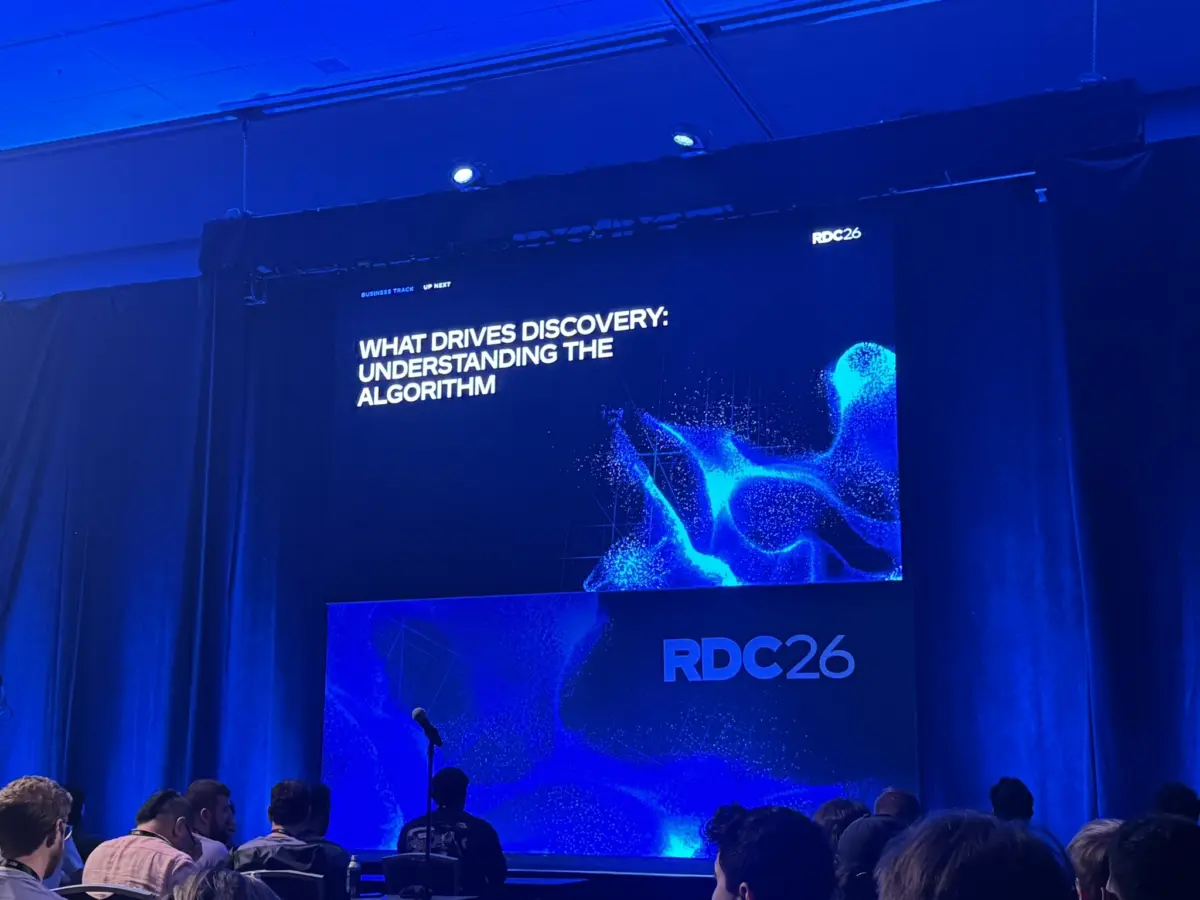
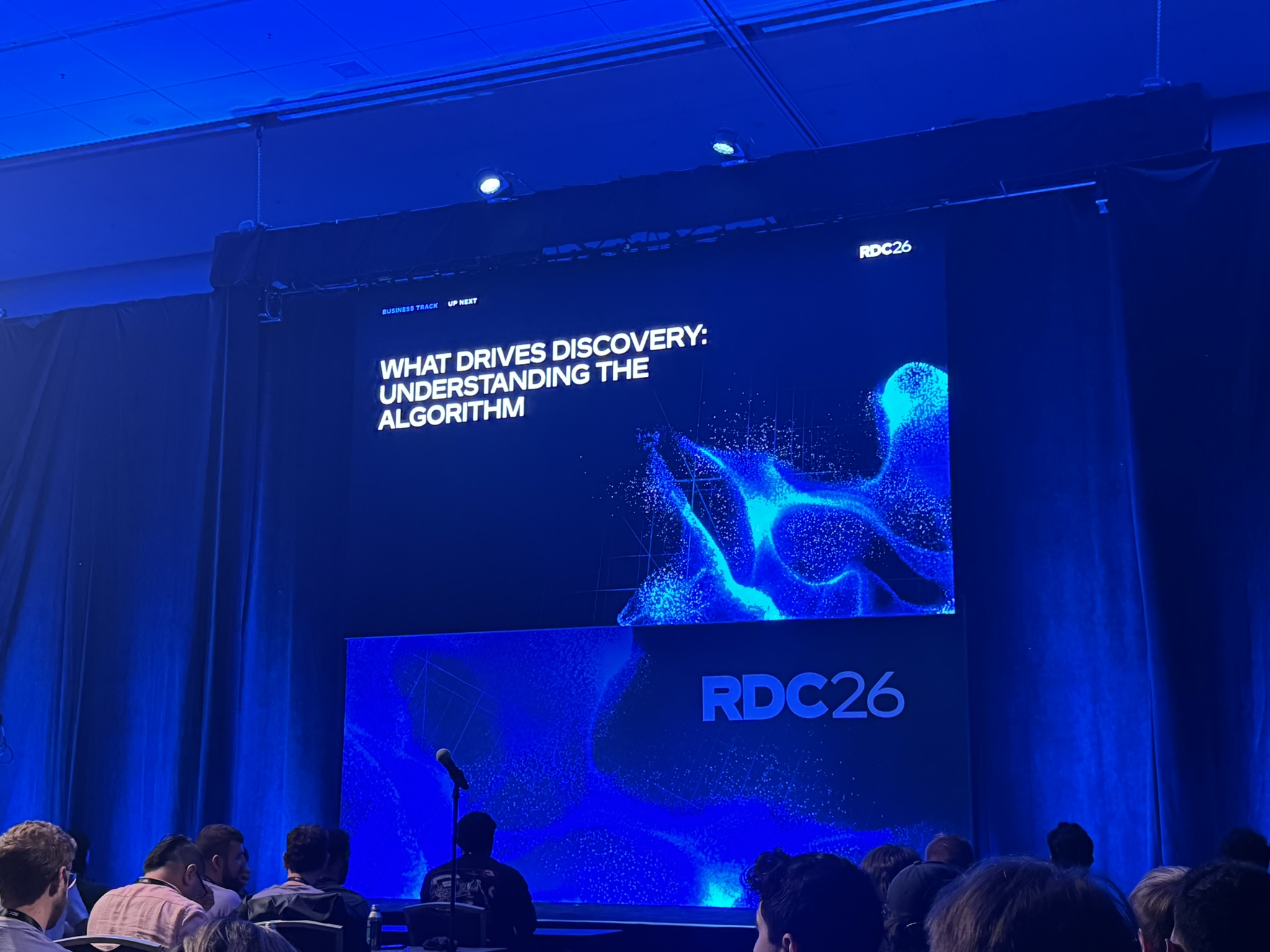
At the Roblox Developers Conference (RDC) 2026, held across global physical hubs and streamed digitally to a community boasting over 40 million concurrent peak active users, one session fundamentally commanded the attention of the platform’s elite builders: "What Drives Discovery: Understanding the Algorithm."
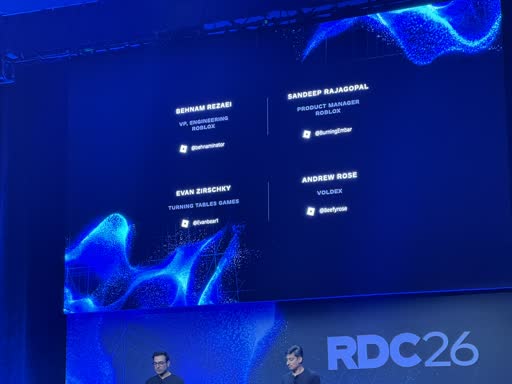
This deep-dive analytical seminar was helmed by Roblox’s core algorithmic and metrics engineering leads, Behnam Rezaei and Sandeep Rajagopal. They were joined on stage by prominent industry heavyweights, including Evan Zirschky, CEO of Turning Tables Games (the driving force behind Driving Empire and major titles with over 70 months of ecosystem tenure), and Andrew Rose, Head of Studio Operations at Voldex—the studio powering titan experiences such as Brookhaven RP and Driving Empire.
The core thesis of the 2026 presentation shattered long-held community myths: Discovery on Roblox is no longer a monolithic lottery system governed by raw lifetime engagement numbers. Instead, Roblox has evolved into a hyper-targeted, multi-tiered ecosystem where the metrics that matter shift dynamically depending on a game’s age, user retention phase, and monetization velocity.
For developers navigating the platform across PC, PlayStation 4 & 5, Xbox One, Xbox Series X|S, Meta Quest, iOS, and Android, understanding this algorithmic shift is no longer optional—it is the definitive line between commercial viability and obscurity.
Detailed Chronology & Session Breakdown
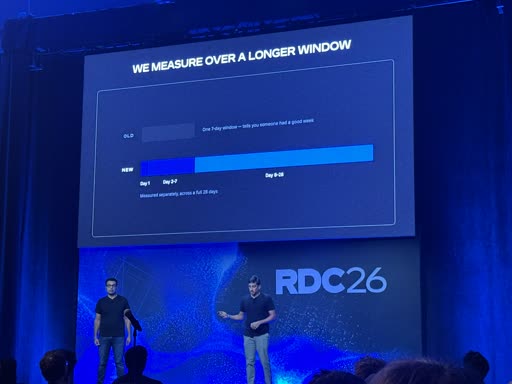
The seminar was structured around a revolutionary premise: "One 7-day window tells you someone had a good week, but the entire lifecycle of a game requires a granular dissection of user behavior across distinct operational epochs."
1. The 28-Day Maturity Framework
Roblox formally introduced a segmented telemetry model tracking user engagement across three distinct phases for any given experience:
Day 1: The Initial Acquisition & First-Impression Window
Days 2–7: The Short-Term Habit Formation Phase
Days 8–28: The Long-Term Retention & Ecosystem Integration Phase
According to Rajagopal, treating a game’s telemetry as a single flat metric is a critical error. Retention statistics, session lengths, active session intervals, and Robux expenditure behave entirely differently on Day 1 compared to Day 28.
2. The Core Telemetry Metrics Matrix
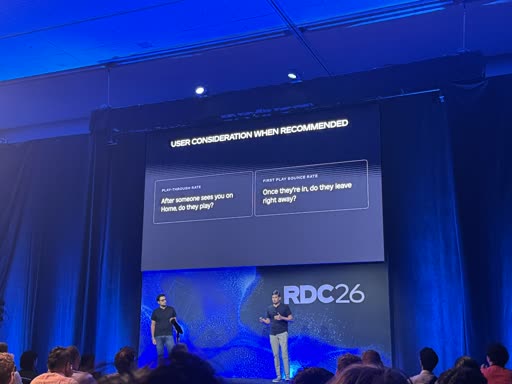
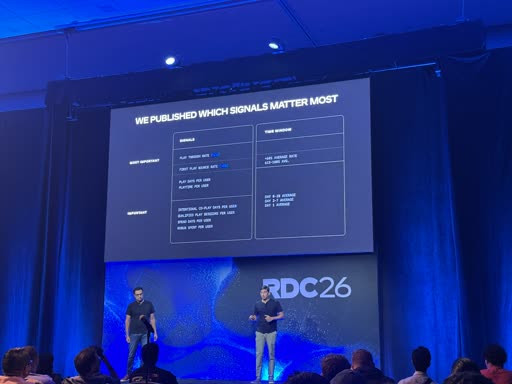
To demystify how the recommendation algorithm indexes experiences, Roblox outlined four foundational metrics that dictate algorithmic weight:
Metric Category
Algorithmic Sub-Metric
Evaluation Horizon
Immediate Engagement
Play Through Rate (PTR)
60-second threshold
Immediate Engagement
First Play Bounce Rate (FPBR)
61 to 180-second threshold
Long-Term Retention
Retention Interval (Retention Time)
Day 1, Day 2–7, Day 8–28
Monetization & Depth
Robux Utility & Average Revenue Per Paying User (ARPPU)
Day 1, Day 2–7, Day 8–28
Supporting Context & Metrics: The Algorithm Unmasked
The 20-Second Rule and First-Minute Optimization
During the opening minutes of the presentation, Rezaei addressed the critical nature of the first 20 seconds of gameplay. If a user drops within the first minute of loading an experience, the recommendation engine flags the onboarding funnel as defective.
To combat this, leading developers are optimizing their introductory phases using two specific time-to-action benchmarks:
The 60-Second Mark: Users must experience core mechanics or receive their first micro-reward within the opening minute. Experiences that fail this test experience algorithmic suppression.
The 180-Second Mark: The longer a user remains engaged within this window, the higher the algorithmic weight assigned to the session, dramatically boosting organic surfacing on the Home page.
The Lifecycle Shift: Early vs. Mature Experiences
A core revelation of the session was the inverse relationship between early-stage and late-stage telemetry.
Early-Stage Experiences: Require aggressive initial acquisition metrics (high click-through rates and low Day-1 bounce rates). If an indie game cannot secure immediate player traction, the algorithm halts distribution.
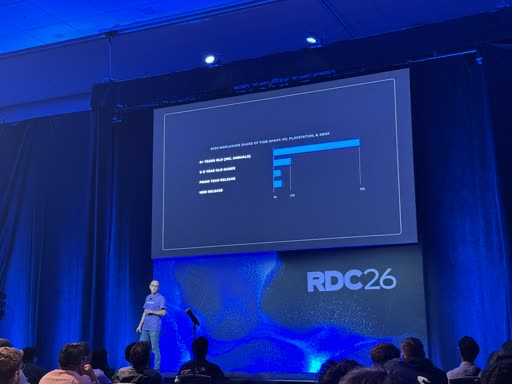
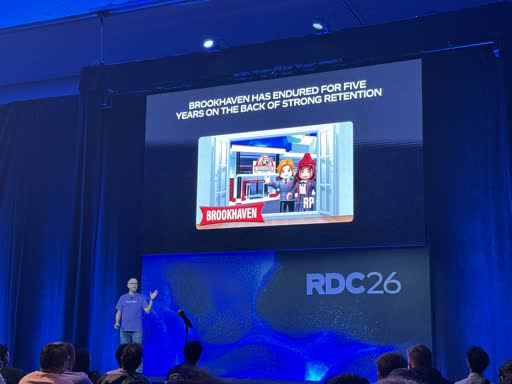
Mature Experiences (70+ Months Tenure): Such as Brookhaven RP, operate under entirely different macro-rules. For established giants, raw acquisition is secondary to deep ecosystem integration. These titles focus heavily on Day 8–28 retention, community-driven social loops, and recurring monetization depth.
As Andrew Rose of Voldex noted during the panel:
"When you run a title that has been in the ecosystem for over five years, your primary battle is not finding new users—it is ensuring that the social fabric of your experience remains robust enough to keep generational cohorts returning daily."
Official Industry Statements & Studio Insights
The integration of developer voices provided concrete proof of how top-tier studios adapt to Roblox’s algorithmic transparency.
Evan Zirschky (Turning Tables Games)
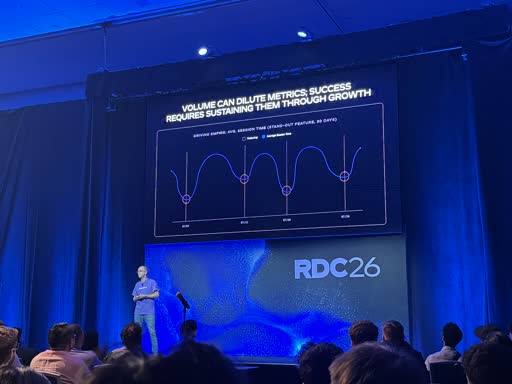
Reflecting on Driving Empire, Zirschky emphasized that retention metrics are deeply tied to hardware evolution. With Roblox expanding rapidly across console ecosystems (PlayStation and Xbox), multi-platform session lengths have surged.
"Console players behave differently than mobile or PC users. They commit to longer session blocks, demand seamless controller optimization, and engage with high-tier monetization structures earlier in their user journey," Zirschky stated.
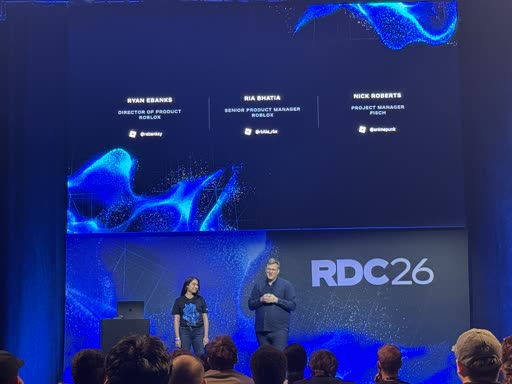
Ryan Ebanks, Ria Bhatia, and Nick Roberts (Fisch)
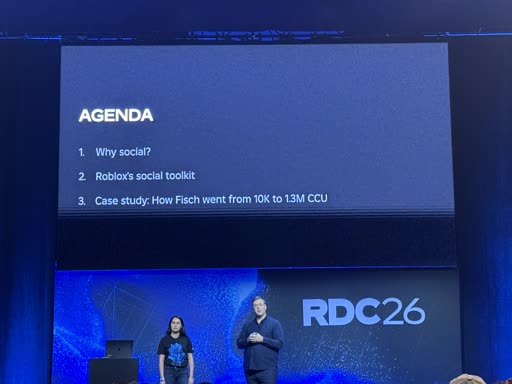
Representing the breakout fishing RPG phenomenon Fisch, Nick Roberts shared data illustrating the game’s meteoric rise to over 130 million concurrent-adjacent plays.
Roberts explained that Fisch succeeded by treating the Roblox discovery engine as an active partner rather than a black box. By utilizing real-time telemetry APIs, the development team monitored retention drop-offs down to the minute. When analytics flagged a minor dip in Day 2 retention among mobile users, the team deployed a rapid hotfix optimizing UI scaling and onboarding friction within 48 hours. The result? A compounding surge in algorithmic visibility that propelled Fisch into the upper echelons of the Roblox charts.
Future Outlook: The Next Frontier of Roblox Development
As RDC 2026 drew to a close, the consensus among Roblox engineers and studio heads was clear: The barrier to entry for discovery is rising, but the analytical tools available to creators have never been more powerful.
AI-Driven Telemetry Integration: Roblox is rolling out advanced Creator Hub diagnostic tools that leverage machine learning to predict churn risks before they impact active player counts.
Cross-Platform Parity: Developers are increasingly required to treat multi-platform optimization as a baseline requirement rather than an afterthought.
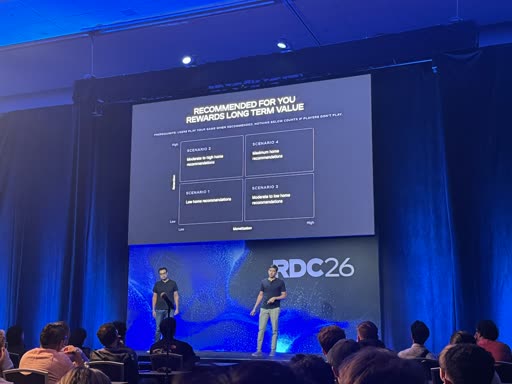
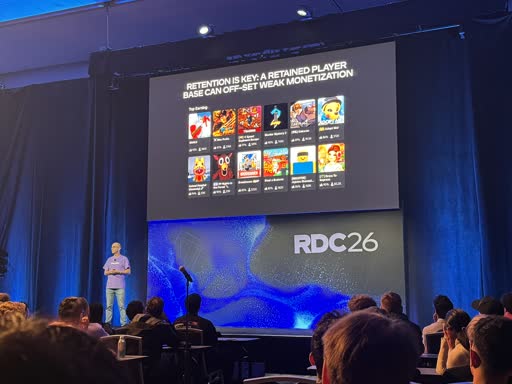
Monetization Transparency: The platform’s shift toward rewarding sustainable, player-first monetization models—rather than predatory, short-term cash grabs—is cementing Roblox’s maturation into a legitimate AAA-adjacent ecosystem.
For developers willing to embrace data-driven iteration, optimize their onboarding funnels, and listen closely to the telemetry feedback loop provided by Roblox’s engineering teams, the future has never been brighter. The algorithm is no longer a mystery; it is a blueprint for success.








Belum ada komentar. Jadilah yang pertama berkomentar!