

Executive Overview
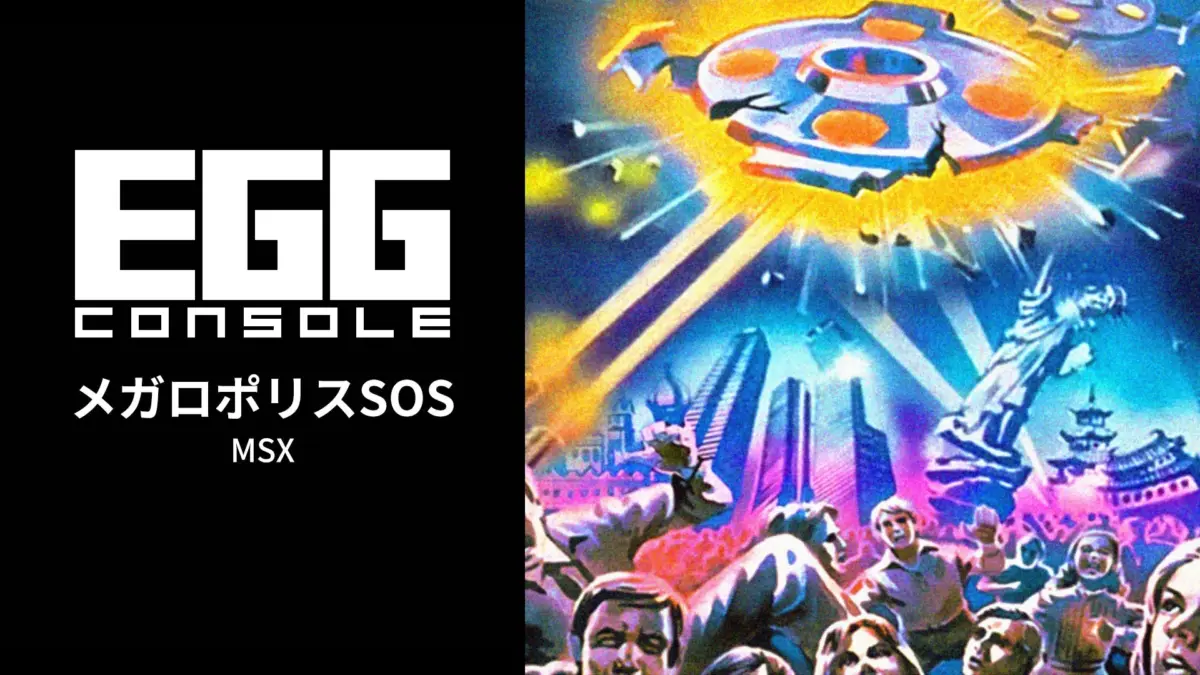
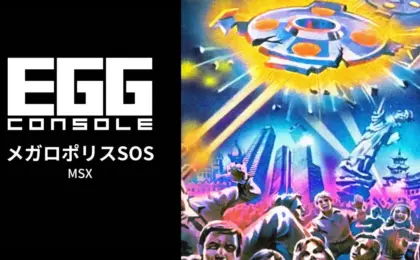
In a continuous effort to preserve and revitalize the rich tapestry of early computer gaming history, D4 Enterprise has officially confirmed the release of a legendary title for its acclaimed retro distribution platform. As of October 22, 2026, the publisher has expanded its expansive digital library with the launch of EGG Console: SOS MSX—marking the 120th entry in the prestigious EGG Console series.
Priced accessibly at 1,200 yen (including tax), this digital release makes a crucial piece of 1980s computing heritage available to modern enthusiasts, collectors, and historians alike. Originally released in 1983 during the formative years of the MSX standard, SOS (frequently styled as SOS MSX) is a pioneering sci-fi arcade-style action game. Developed at a time when home computer architectures were still finding their footing, the game challenged players to defend metropolitan hubs from extraterrestrial threats.
This comprehensive report examines the technical significance of the release, the gameplay mechanics that defined an era, the historical backdrop of the MSX platform, and the ongoing mission of D4 Enterprise to safeguard digital cultural heritage.
Detailed Chronology and Release Logistics
The Announcement and Rollout
The formal deployment of EGG Console: SOS MSX was enacted on October 22, 2026, via D4 Enterprise’s dedicated digital storefront network. The release constitutes a major milestone for the platform, officially hitting the 120-title benchmark for the EGG Console brand.
- Release Date: October 22, 2026
- Platform: EGG Console (PC / Digital Distribution)
- Original Hardware: MSX (1983)
- Publisher: D4 Enterprise Co., Ltd.
- Price: 1,200 JPY (tax included)
- Licensing Partners: MSX Licensing Corporation
Strategic Significance within the EGG Ecosystem
Reaching the 120-game milestone underscores D4 Enterprise’s long-term commitment to software preservation. While contemporary gaming markets are dominated by photorealistic graphics, live-service monetization, and heavy computational demands, the EGG Console initiative serves as an interactive museum. By emulating vintage operating systems and hardware configurations, D4 Enterprise bridges the generation gap, ensuring that foundational titles like SOS MSX are not lost to hardware decay, proprietary media degradation, or corporate restructuring.
Gameplay Mechanics and the Defiance of 1983
Core Premise: Global Defense against Extraterrestrial Incursions
Set against the backdrop of 1983 computer technology, SOS places the player in the role of a planetary defender. The narrative framing is straightforward yet effective for its time: hostile Unidentified Flying Objects (UFOs) are descending upon Earth, intent on planetary devastation. To survive, the player must pilot a defense mechanism capable of tracking, intercepting, and destroying incoming alien vessels before they breach urban fortifications.
[Alien UFO Fleet Inbound]
       │
       ▼
[Global Defense Grid (6 Major Cities)] ──► [Player Interceptor Unit]
       │                                            │
       ├─► NYC, LON, TKY, MOW, PEK, PAR             │
       ▼                                            ▼
[Resource Allocation & Damage Control] ◄── [Strategic Counter-Attack]
Strategic Depth and Resource Management
Unlike many linear arcade shooters of the early 1980s, SOS MSX introduces a layer of spatial strategy and resource allocation. The game is not merely about rapid-fire destruction; it is an exercise in crisis management across a global theater.
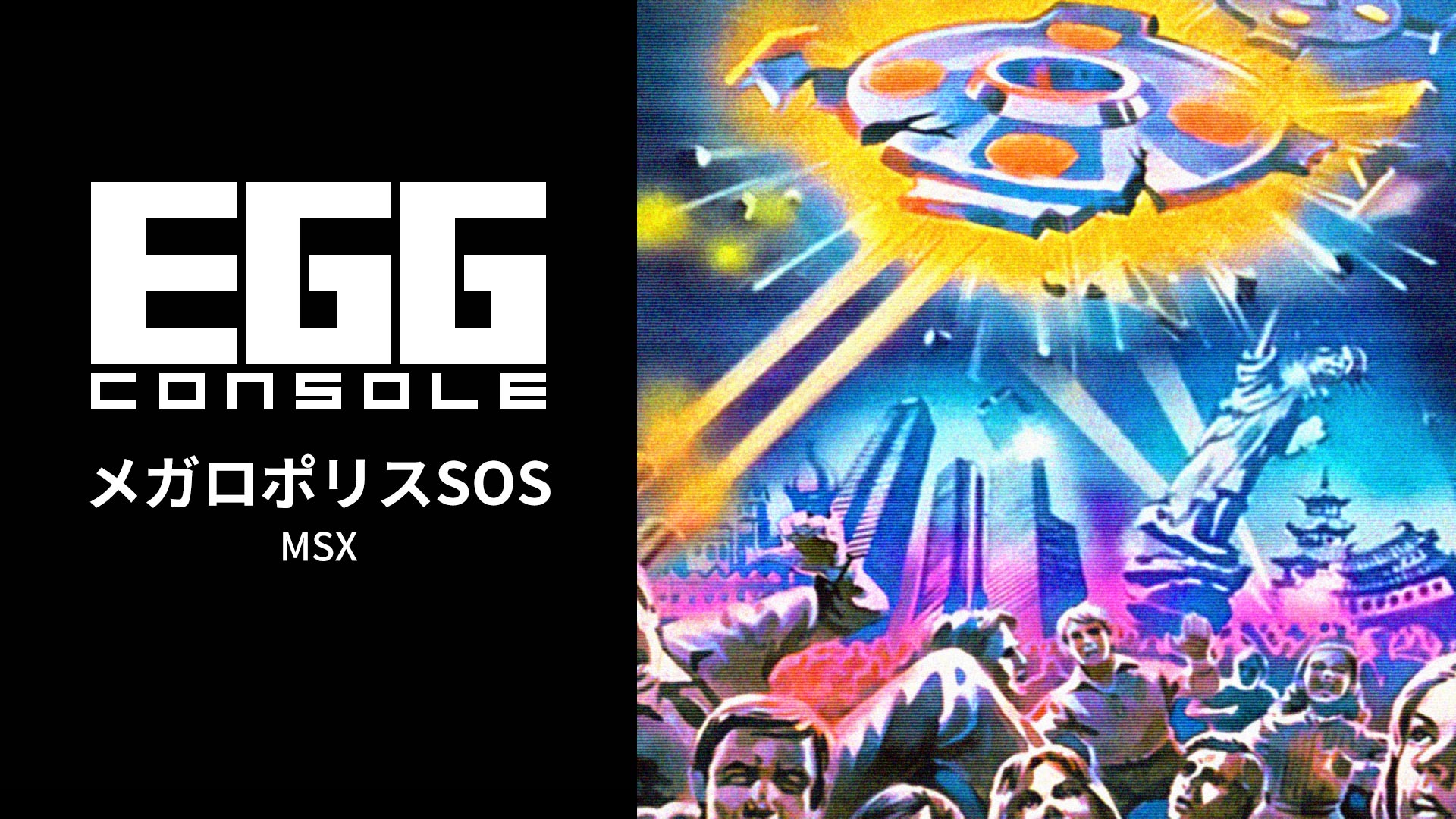
The battlefield is divided across six major world capitals:
- NYC (New York City, United States)
- LON (London, United Kingdom)
- TKY (Tokyo, Japan)
- MOW (Moscow, Soviet Union / Russia)
- PEK (Beijing, China)
- PAR (Paris, France)
Players must constantly monitor the safety status of these metropolitan areas. Because alien forces attack simultaneously on multiple fronts, leaving one city undefended can lead to catastrophic regional collapse. The core gameplay loop requires careful calculation: do you commit your resources to intercepting high-altitude threats, or do you redirect defensive fire to protect a critical city that is currently under heavy bombardment?
This duality between twitch-based arcade action and global tactical decision-making gives SOS MSX an unexpected layer of replayability, setting it apart from simpler contemporaries.
Supporting Context and Metrics: The MSX Phenomenon
Understanding the MSX Architecture
To fully appreciate SOS MSX, one must understand the hardware ecosystem for which it was designed. Introduced in 1983 by ASCII Corporation and Microsoft, the MSX standard was an attempt to create a unified hardware architecture for home computers—similar to how VHS standardized home video cassettes.
Japanese electronics giants—including Sony, Panasonic, Yamaha, and Sanyo—manufactured MSX-compatible machines. This standardization allowed software developers like the creators of SOS to write code targeting a single hardware specification that could run across multiple manufacturer devices. Although the MSX standard achieved monumental success in Japan, the Netherlands, and parts of South America, it struggled to capture dominant market share in the United States, making titles like SOS rare cultural artifacts for Western retro gaming enthusiasts.
Software Preservation Metrics and Industry Impact
The market for retro digital distribution has matured significantly over the past decade. According to industry tracking data compiled across digital archives, interest in vintage computing platforms (such as the MSX, PC-8801, X68000, and FM Towns) has seen a steady upward trajectory among millennial and Gen-Z software historians.
| Metric Category | Data Point / Statistic | Historical Context |
|---|---|---|
| EGG Console Milestone | 120th Title Released | Demonstrates sustained catalog growth for D4 Enterprise. |
| Original Release Window | 1983 | Marks the dawn of the Japanese home computer gaming boom. |
| Geographic Targets | 6 Global Cities (NYC, LON, TKY, MOW, PEK, PAR) | Early instance of global-scale crisis management in video games. |
| Pricing Strategy | 1,200 JPY (Inclusive of Tax) | Standardized micro-pricing model for retro emulation titles. |
Official Statements and Copyright Framework
The release of EGG Console: SOS MSX operates under strict legal agreements and intellectual property protections. D4 Enterprise has secured all necessary distribution rights in cooperation with rights-holders and licensing bodies.

Legal Notices and Trademarks
- Publisher Attribution: © D4Enterprise Co., Ltd.
- Licensing Attribution: © MSX Licensing Corporation. All Rights Reserved.
- Trademark Clause: ‘MSX’ is a registered trademark of the MSX Licensing Corporation, utilized under official license for digital distribution platforms.
Industry analysts note that navigating the labyrinth of 1980s software licensing is one of the greatest hurdles in retro game preservation. Many original development studios dissolved decades ago, leaving orphaned codebases. The collaboration between D4 Enterprise and the MSX Licensing Corporation serves as an industry benchmark for how classic software can be legally cleared, emulated, and marketed to modern consumers without infringing upon historical intellectual property rights.
Future Outlook: The Ongoing Mission of Digital Preservation
What Lies Beyond the 120th Title?
With the successful deployment of SOS MSX as the 120th entry in the EGG Console library, questions naturally arise regarding the future roadmap for D4 Enterprise. Industry insiders suggest that the publisher shows no signs of slowing down its curation efforts.
The vast libraries of the MSX, PC-9801, and Sharp X68000 platforms contain thousands of unlocalized or digitally forgotten masterpieces. As emulation technology becomes increasingly robust—incorporating pixel-accurate rendering, customizable control schemes, save-state functionality, and digital manual integration—platforms like the EGG Console transform from simple storefronts into vital digital archives.
Conclusion
EGG Console: SOS MSX is much more than a nostalgic trip back to 1983. It is a testament to the ingenuity of early computer game designers who managed to evoke global tension, strategic resource management, and fast-paced action within the strict hardware limitations of early 8-bit systems.
For historians, collectors, and modern gamers eager to explore the roots of digital entertainment, D4 Enterprise’s latest release offers a masterclass in classic game design. Available now for 1,200 yen, SOS MSX invites a new generation of players to step into the command chair and defend the capitals of the world once more.


Belum ada komentar. Jadilah yang pertama berkomentar!