

Executive Overview
In the fast-paced ecosystem of digital content creation, few platform updates carry as much weight as the coveted verification badge. For creators, this small visual marker represents authenticity, institutional validation, and a shield against digital impersonation.
On September 19, 2019, video-sharing giant YouTube announced a sweeping overhaul of its verification program, a decision intended to clear up widespread user confusion and address tens of thousands of annual impersonation complaints. Instead of solving the platform’s systemic identity crises, the proposed changes triggered an unprecedented wave of backlash from creators, who feared losing their hard-earned status under arbitrary new rules.
Barely 24 hours later, in an extraordinary about-face, YouTube executives capitulated. Acknowledging that the rollout had "completely missed the mark," the platform issued a formal apology and walked back its most aggressive proposals. Existing verified channels were permitted to keep their badges without appealing, and the 100,000-subscriber eligibility threshold was temporarily preserved ahead of a redesigned application window.
This deep-dive retrospective examines the anatomy of YouTube’s 2019 verification crisis—exploring the internal data that prompted the initial change, the sudden mechanics of the creator revolt, the structural flaws in platform communication, and the enduring lessons for digital governance in the social media era.
Detailed Chronology: From Concept to Capitulation
To understand how a routine policy update morphed into a full-scale public relations disaster, it is necessary to examine the precise sequence of events that unfolded across late September 2019.
Phase 1: The Initial Announcement (September 19, 2019)
YouTube’s journey toward policy reform began with a well-intentioned diagnosis of platform health. For years, the company had processed tens of thousands of complaints annually regarding bad actors impersonating legitimate creators. Simultaneously, internal user research revealed a startling misconception: nearly one-third of surveyed YouTube users mistakenly believed that a verification checkmark signified YouTube’s endorsement of a channel’s content, rather than a factual confirmation of its identity.
In an effort to decouple verification from editorial endorsement and combat rising impersonation trends, YouTube announced a radical redesign of the program:
- The Sacking of Legacy Badges: The platform declared that millions of legacy channels would lose their traditional checkmarks. Under the proposed rules, creators would have to requalify under new, highly subjective metrics emphasizing "prominence" and a "clear need for proof of authenticity," regardless of their subscriber counts.
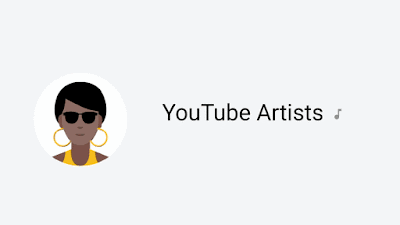
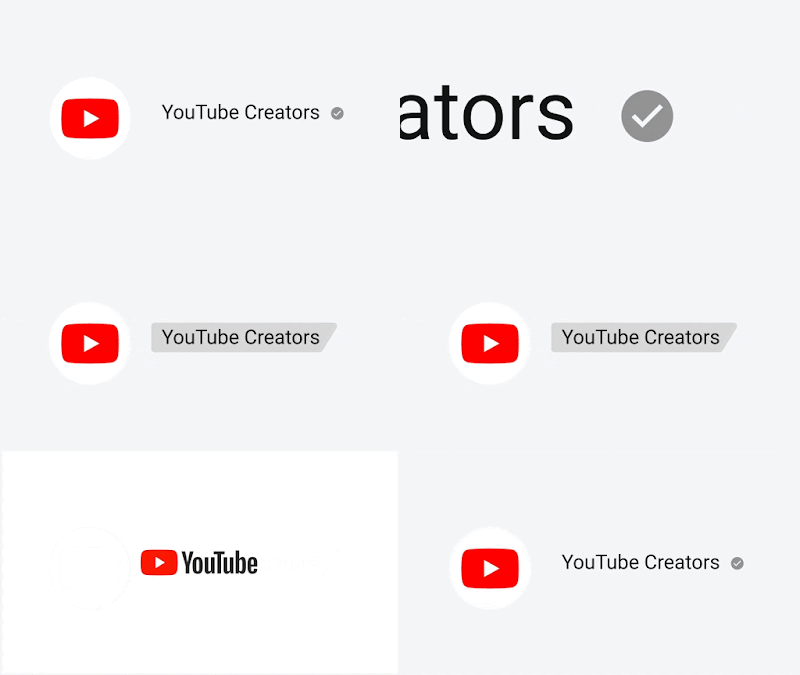
- Redesigned Aesthetics: YouTube unveiled a brand-new visual look for the verification badge. The iconic checkmark was slated to be replaced by a more dominant visual treatment that filled the background of channel names, designed to display consistently across comments, search results, and community posts. Furthermore, the specialized music notes used for Official Artist Channels were set to be phased out in favor of the new universal identifier.
Phase 2: The Creator Backlash
The reaction from the creator community was swift, unified, and overwhelmingly hostile. Thousands of mid-tier and long-standing creators—many of whom had crossed the historic 100,000-subscriber threshold years prior—woke up to find that their verification status was scheduled for arbitrary revocation.
Independent creators, educational channels, gaming personalities, and niche experts took to Twitter, Reddit, and YouTube itself to voice their outrage. Critics pointed out several glaring issues with the proposed policy:
- Devaluation of Hard Work: Many creators felt that having over 100,000 subscribers was a reliable, objective baseline of community investment. Stripping verification from these channels felt like a demotion.
- Vague Metrics: The introduction of "prominence" as a deciding factor favored mainstream celebrities and corporate media entities over native YouTube creators who had built their brands organically from the ground up over a decade.
- Lack of Communication: Creators complained that YouTube rolled out the massive policy shift without consulting community leaders, beta testing the changes, or providing clear guidelines on how appeal processes would function.
Phase 3: The Rapid Retreat (September 20, 2019)
Realizing the gravity of the insurrection, YouTube’s product and communications teams mobilized a rapid response. By 3:00 p.m. on September 20, 2019—less than 24 hours after the initial announcement—the company published a candid retraction and update.
The emergency statement was notable for its directness and lack of corporate deflection:
"While rolling out improvements to this program, we completely missed the mark. We’re sorry for the frustration that this caused and we have a few updates to share."
YouTube conceded three vital points:
- Grandfathering Existing Badges: Channels possessing a verification badge prior to the announcement would keep it permanently, bypassing the need for an appeal.
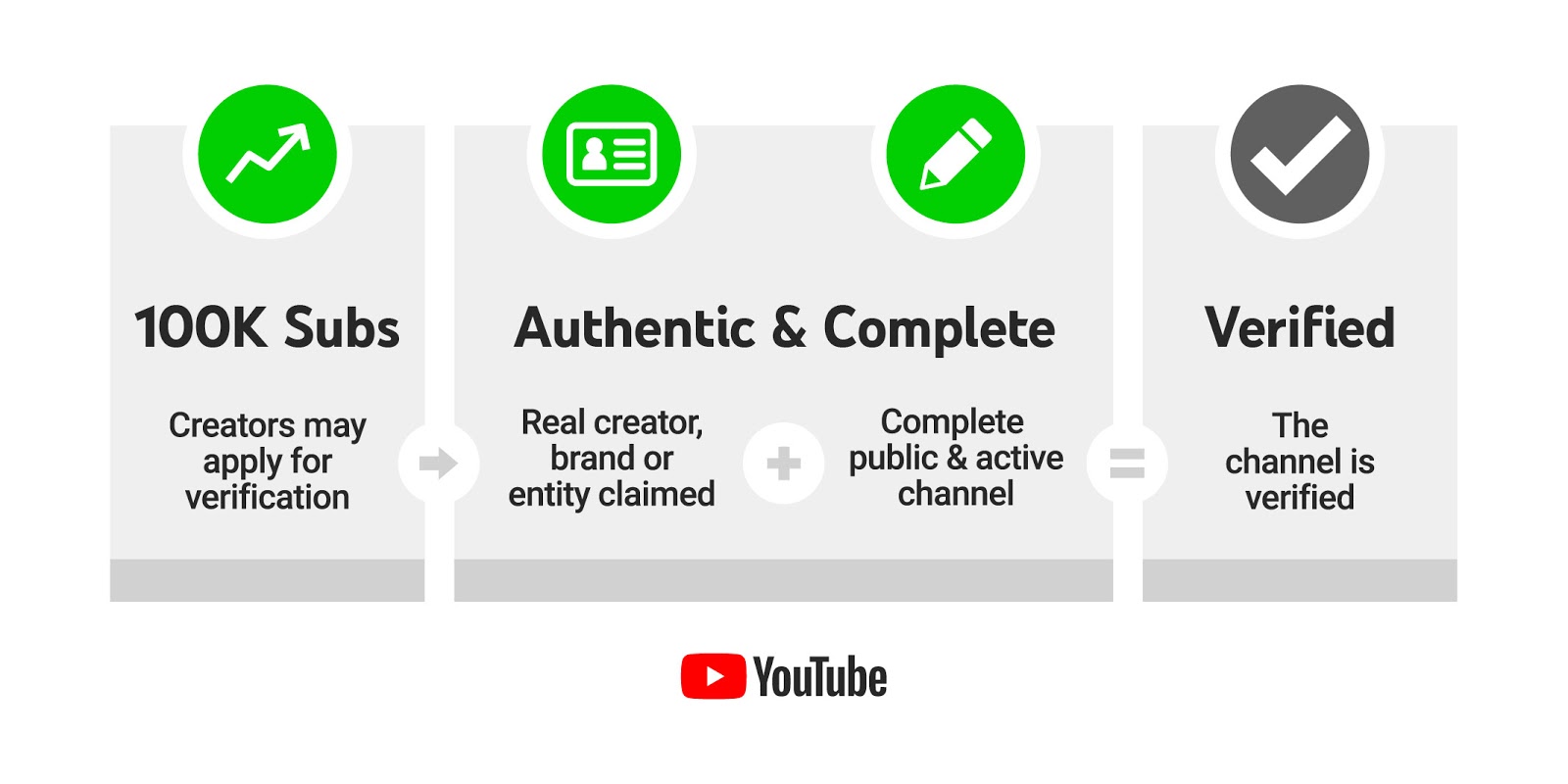
- Preserving the Subscriber Threshold: The traditional baseline allowing channels with over 100,000 subscribers to apply for verification would remain intact, with the application window slated to reopen by the end of October.
- Delaying the Aesthetic Overhaul: Because of the wide-ranging feedback and necessary adjustments to the program’s core architecture, the rollout of the new visual badge design was pushed back to the following year.
Supporting Context & Metrics: Why YouTube Tried to Change
While YouTube’s execution was widely criticized, the underlying problems the platform attempted to solve were very real and increasingly dangerous. As digital ecosystems mature, the mechanics of trust evolve, presenting unique challenges for user experience designers.
The Scale of Impersonation
As of 2019, YouTube was hosting billions of hours of content consumed by over two billion monthly active users. This massive scale made it a prime target for bad actors. Impersonation on YouTube generally falls into three categories:
- Scam and Phishing Operations: Impersonators copying popular crypto-currency or tech channels to host live-stream giveaways designed to steal funds from unsuspecting viewers.
- Malicious Parody and Harassment: Accounts masquerading as public figures or whistleblowers to spread misinformation or damage reputations.
- Algorithmic Parasites: Channels stealing video archives of prominent creators and utilizing look-alike names to siphon ad revenue and search traffic.
Receiving "tens of thousands of complaints" annually placed an immense operational burden on YouTube’s Trust and Safety teams. The verification program was originally designed in an era when YouTube was a smaller, boutique video-sharing site. By 2019, the 100,000-subscriber rule—which automatically made a channel eligible for a checkmark—was buckling under the weight of subscriber inflation, automated bot farms, and bought accounts.
The Semantics of the Checkmark
The psychological hurdle identified by YouTube’s researchers was equally profound: the cultural weight of the checkmark. Across the broader internet ecosystem—pioneered by Twitter (now X), Instagram, and Facebook—verification had historically been co-opted as a status symbol rather than a security measure.
When users saw a checkmark next to a channel name, mainstream consumer psychology dictated that they viewed the content as approved, endorsed, or fact-checked by the platform itself. When a verified channel occasionally uploaded controversial, rule-breaking, or misleading content, users flooded support channels accusing YouTube of endorsing those views.
YouTube’s attempt to reframe the badge purely as an "identifier of identity" rather than an "endorsement of content" was a logical platform hygiene strategy. However, by coupling this semantic shift with the threat of stripping existing badges from established creators, the company alienated the very ecosystem it relied upon for survival.
Official Statements and Institutional Analysis
The 2019 verification debacle offered a fascinating case study in corporate crisis management and developer-community relations. Industry analysts dissected the event as a textbook example of disconnect between platform product managers and grassroots communities.
The Anatomy of a Miscalculated Rollout
In post-mortem analyses, tech policy commentators highlighted several structural missteps made by YouTube:
- Ignoring the Emotional Value of Badges: To a product manager, a verification badge is a database entry and a UI component. To a creator who spent eight years building a channel from zero to 500,000 subscribers, the badge is a digital merit badge representing validation, professional survival, and community standing. Striking it away without warning felt like a personal betrayal.
- Failing to Anticipate the Power of Collective Voice: YouTube historically struggled with direct creator communication. The rapid mobilization of creators across social media platforms created a unified front that forced management to act within hours rather than weeks.
- The Danger of Retroactive Rule Changes: Changing the rules of the game after participants have achieved success under previous frameworks is a cardinal sin in community management. Grandfathering existing users—a standard practice in regulatory and policy transitions—was glaringly omitted from the original 2019 proposal.
YouTube’s Pivot Toward Collaboration
Following the September 20 reversal, YouTube committed to a more measured, iterative approach to platform updates. The revised roadmap emphasized:
- Identity-First Review: Ensuring that when the application process reopened in late October 2019, reviewers focused strictly on whether a channel was attempting to impersonate another entity, rather than imposing subjective editorial judgments on a creator’s "prominence."
- Clarity in Design: Acknowledging that any future visual changes to the badge must be communicated far in advance, giving creators time to understand why UI changes are occurring and how they impact viewer perception.
Future Outlook: The Evolution of Platform Trust
The events of September 2019 left a permanent mark on how YouTube approaches feature deployment and creator relations. Looking back from the vantage point of modern digital media governance, the lessons learned during the verification crisis continue to ripple through the platform’s policy decisions.
The Modern Verification Landscape
Today, the digital verification landscape has undergone another massive transformation across the entire internet. Platforms like Meta, X, and others have experimented with subscription-based verification models (such as Meta Verified and X Premium), fundamentally altering what a checkmark signifies once again—shifting the paradigm from identity authentication or prominence to a paid service tier.
YouTube, by contrast, has largely maintained a policy rooted in authentication, creator protection, and objective eligibility criteria. The platform successfully deployed its updated badge designs and refined its review criteria in the months following the 2019 crisis without sparking further revolts. By listening to its community, admitting fault quickly, and abandoning punitive retroactive measures, YouTube restored a fragile trust that could have easily been broken permanently.
Key Takeaways for Digital Governance
- Transparency Breeds Resilience: Platforms must transparently share the data behind policy changes. If YouTube had led its initial announcement with the data on user misunderstandings and the staggering volume of impersonation complaints, the community might have been more receptive to reform.
- Never Retroactively Penalize Established Users: Protecting the accumulated status of legacy users is paramount when updating platform architecture.
- Agility is Mandatory: YouTube’s ability to reverse a deeply flawed policy in less than 24 hours demonstrated a rare corporate agility. In the modern creator economy, listening to the grassroots is not just good customer service—it is a business imperative.
Ultimately, YouTube’s verification crisis of 2019 serves as a masterclass in the delicate balance between platform security and creator autonomy. As the internet continues to grapple with deepfakes, AI-generated content, and sophisticated identity fraud, the challenges of digital verification will only grow more complex. Yet, the enduring lesson of those chaotic 24 hours remains clear: platforms cannot govern successfully without the trust, respect, and active partnership of the creators who build them.



Belum ada komentar. Jadilah yang pertama berkomentar!