

Executive Overview
There are few culinary experiences quite as universal in their comfort as a steaming bowl of homemade pasta. Yet, the physical labor, generational knowledge, and intuitive artistry required to produce a perfect batch of tortellini, ravioli, or tagliatelle by hand represent a vanishing craft. In an era defined by fast-paced lifestyles, hyper-convenient pre-packaged foods, and the relentless digitization of domestic life, the ancient tradition of hand-rolling pasta is quietly fading—even within the sun-drenched kitchens of rural Italy.
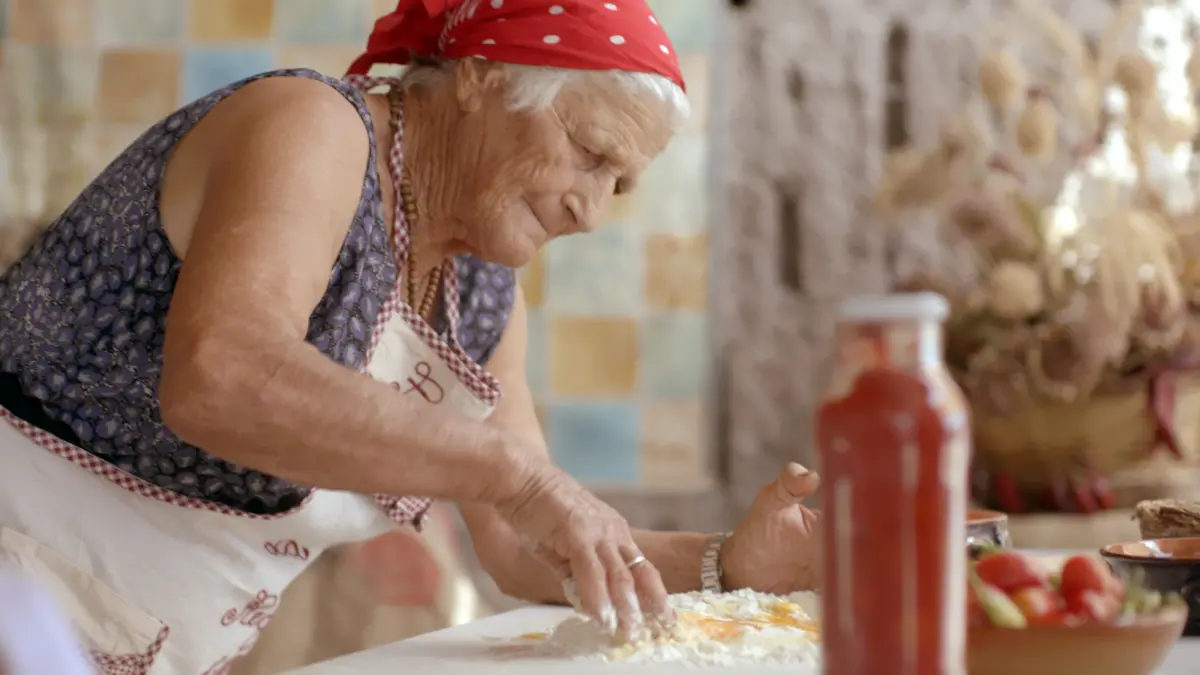
Enter Pasta Grannies, a globally acclaimed digital media phenomenon founded by food writer, author, and producer Vicky Bennison. What began as a modest YouTube channel to catalogue a disappearing way of life has blossomed into an international cultural touchstone. For over half a decade, Bennison has traversed the length and breadth of Italy, peering into the domestic sanctuaries of the country’s nonnas (grandmothers) as they flour their wooden boards, crack farm-fresh eggs, and knead dough with hands shaped by decades of muscle memory.
This deep dive examines the genesis of Pasta Grannies, analyzing how a grassroots digital archive evolved into a vital instrument for cultural preservation. By leveraging modern video-sharing infrastructure, Bennison and her subjects have bypassed traditional culinary gatekeepers, creating a direct, living repository of intangible cultural heritage. This report explores the chronological development of the channel, the sociological impacts of digital preservation on rural aging populations, the metrics of its explosive global growth, official reflections from the creators and platform partners, and the future outlook for traditional gastronomy in a hyper-digital world.
Detailed Chronology: From a Simple Idea to a Global Phenomenon
The Genesis (Pre-2015): Recognizing a Vanishing Art
Long before the first video was uploaded, Vicky Bennison was an established author and food writer living and working across various parts of the world, including East Africa, South America, and eventually, Italy. Settling in the Le Marche region of Italy, Bennison became intimately familiar with the local culinary ecosystem. She noticed a stark generational disconnect: while older women possessed encyclopedic knowledge of regional pasta shapes, sauces, and dough-making techniques, their grandchildren were increasingly detached from the kitchen.
Modernization, urbanization, and changing career paths meant that young Italians had less time to spend standing beside their grandmothers for hours on end, learning the subtle art of dough hydration and thumb-rolling. Bennison realized that when this specific generation of women passed away, centuries of unwritten culinary evolution would vanish with them.
The Launch and Early Years (2015–2017): Capturing the Unseen Italy
Armed with a camera, a deep respect for Italian culture, and an acute ear for authentic storytelling, Bennison launched the Pasta Grannies YouTube channel. The premise was deceptively simple: visit elderly Italian women in their home kitchens, film them making their signature pasta dishes from scratch, and record the stories of their lives.
In the beginning, growth was organic and slow. The early videos captured the raw, unfiltered reality of rural Italian kitchens—often noisy with background chatter, illuminated by natural window light, and dominated by the rhythmic scraping of metal bench knives against wooden kneading boards. Bennison served as interviewer, camera operator, and translator, gently guiding the nonnas through their routines while allowing their unique personalities to shine through.
The Tipping Point (2018–2020): Viral Expansion and Mainstream Crossover
As internet audiences grew increasingly fatigued by over-produced, highly stylized studio cooking shows, the authentic, comforting, and unpretentious nature of Pasta Grannies struck a profound emotional chord. Algorithms favored the deeply engaging watch times and high viewer retention generated by watching nonnas expertly shape hundreds of orecchiette in minutes.
The inflection point arrived when major culinary publications, lifestyle magazines, and digital platforms began profiling Bennison and her subjects. In 2019, Bennison published the companion cookbook Pasta Grannies: The Official Cookbook, which became an international bestseller. This multimedia expansion cemented the brand’s status, transitioning it from a niche YouTube channel into a premier authority on traditional Italian home cooking.
Global Recognition and Institutional Partnership (2021–Present)
By the turn of the decade, Pasta Grannies had amassed millions of loyal subscribers and hundreds of millions of views. The channel caught the attention of YouTube’s global creators team, leading to formal collaborations, documentaries, and case studies highlighting how digital platforms can be weaponized for cultural conservation. Today, the channel operates as a well-oiled archival machine, continuing to unearth rare regional specialties from the most remote mountain villages of Valle d’Aosta down to the sun-baked coastlines of Sicily.
Supporting Context & Metrics: The Anatomy of a Digital Archive
To understand the magnitude of Pasta Grannies, one must examine the intersection of demographic shifts, culinary anthropology, and platform metrics.
The Sociological Challenge: Intangible Cultural Heritage
According to the United Nations Educational, Scientific and Cultural Organization (UNESCO), intangible cultural heritage encompasses traditions or living expressions inherited from our ancestors and passed on to our descendants. Traditional foodways—specifically regional, hand-made culinary practices—fall squarely into this category.
However, unlike physical architecture or artifacts, culinary techniques are fragile. They rely on oral transmission and tactile imitation. When a traditional practice is abandoned due to industrialization, it dies out within a single generation. In Italy, the proliferation of supermarket-bought, extruded dried pasta and automated production lines threatened to homogenize a food culture historically defined by hyper-local micro-variations.
Pasta Grannies intercepted this cultural bottleneck. By recording these women, the project transformed ephemeral domestic knowledge into a permanent, searchable, and globally accessible database.
Quantitative Reach and Engagement Metrics
- Subscriber Base: The channel boasts over 900,000 dedicated subscribers on YouTube, with engagement rates far exceeding industry averages for cooking channels.
- Global Audience Demographics: Viewership spans multiple continents, with primary concentrations in the United States, the United Kingdom, Australia, Canada, and Italy itself. Ironically, many young urban Italians use the channel to reconnect with the culinary traditions of their grandparents’ provinces.
- Video Library: Hundreds of meticulously catalogued episodes document over a hundred distinct regional pasta shapes—many of which are exclusive to a single valley, town, or even family lineage.
- Cross-Platform Synergy: The digital footprint extends beyond YouTube, encompassing a vibrant Instagram community, a newsletter, and physical literary products that generate sustainable revenue to fund ongoing expeditions.
Official Statements and Perspectives
The success of Pasta Grannies is best understood through the voices of those who created it, supported it, and starred in it.
Vicky Bennison on the Mission of Preservation
Reflecting on the core philosophy driving the project, Vicky Bennison has frequently emphasized the democratization of knowledge facilitated by modern technology:
"YouTube is just the most fantastic way for these women to pass on their skills and traditions to their grandchildren, their great-grandchildren, and the rest of the world."
Bennison has noted that the nonnas are rarely motivated by fame or monetary gain; rather, they are driven by a deep-seated maternal and communal desire to share what they know. To be asked to share their craft is viewed as an honor—a validation of a lifetime spent laboring in domestic spaces that patriarchal or industrial societies have historically undervalued.
The Nonnas: Guardians of Tradition
While the women featured on the channel come from diverse socioeconomic and geographic backgrounds, they share a common philosophy regarding food. Statements captured across various episodes reveal a unified ethos:
- On Quality and Patience: "You cannot rush the dough. The flour speaks to you; you must listen to its dryness, feel the humidity in the air, and adjust your hands accordingly."
- On Family and Community: "Feeding people is how we show love. When the table is empty, the house is cold."
Many of the featured grandmothers—some well into their nineties—have expressed astonishment that people in Tokyo, New York, and Sydney are watching them roll out dough on kitchen tables that have fed generations of local farmers and laborers.
Platform and Cultural Observers
Media analysts and culinary historians have praised the project for subverting traditional television production norms. Rather than casting telegenic chefs with polished culinary school degrees, Pasta Grannies elevates everyday women whose credentials are earned through decades of unheralded domestic labor.
YouTube representatives who accompanied Bennison on location in Italy noted that the project exemplifies the platform’s highest calling: enabling passionate creators to unearth hyper-local stories and project them onto a global stage, bridging generational divides that physical distance and modern lifestyles have widened.
Future Outlook: The Legacy of the Nonnas
As Pasta Grannies looks toward the future, its mission is shifting from mere documentation to active inspiration. The challenge ahead lies in translating digital viewership into real-world action.
Educating the Next Generation of Home Cooks
The ultimate metric of success for Pasta Grannies is not view counts or ad revenue, but the number of kitchen boards dusted with flour across the globe. Through detailed tutorials, step-by-step masterclasses embedded in the cookbook, and the accessible nature of the video library, the brand is actively lowering the barrier to entry for novice cooks.
Viewers who once viewed handmade pasta as an intimidating, restaurant-only luxury are now hosting weekend pasta-making parties, experimenting with semolina flours, and investing in traditional wooden rolling pins (mattarelli) and brass stamp cutters (chitarra).
The Evolution of Food Media
The success of Pasta Grannies serves as a blueprint for future cultural preservation projects. In an age dominated by flashy, fast-cut food videos designed for immediate dopamine hits, the channel proves that audiences still crave authenticity, slow television, and deep human connection.
Conclusion
Pasta Grannies has achieved something remarkable: it has taken the quietest, most private corner of Italian domestic life—the grandmother’s kitchen—and turned it into a global classroom. In doing so, it has ensured that the flour-dusted fingers, ancestral recipes, and resilient spirits of Italy’s nonnas will not be lost to time, but will instead live on in the hearts, minds, and kitchens of a connected world.






Belum ada komentar. Jadilah yang pertama berkomentar!