

Executive Overview
In the digital age, the modern town square is not defined by physical geography, but by shared virtual spaces. Over the past decade, YouTube has evolved from a simple repository for home videos into a vibrant, multi-billion-user ecosystem capable of mobilizing unprecedented cultural and financial resources. Nowhere is this transformation more evident than during the holiday season, when the platform’s creator economy unites in an extraordinary display of altruism.
This year’s "Season of Giving" has shattered previous benchmarks for digital philanthropy, proving that internet fandoms can translate into tangible, real-world impact on a massive scale. Across the globe, independent content creators, massive production teams, and millions of viewers have converged to support causes ranging from pediatric cancer research and global reforestation to animal rescue and educational equity.
What began years ago as sporadic, isolated charity streams has matured into a sophisticated, highly coordinated philanthropic phenomenon. By leveraging their unique relationships with audiences, creators are bypassing traditional fundraising bottlenecks. They are engaging younger demographics who rarely consume legacy media, establishing a new paradigm for charitable giving. This report provides an in-depth examination of the events, campaigns, figures, and collaborative efforts driving YouTube’s Season of Giving, analyzing how the platform continues to redefine the mechanics of modern generosity.
Detailed Chronology of the Giving Season
The final sprint of YouTube’s Season of Giving is characterized by a rapid succession of high-profile charity events, meticulously scheduled to maximize audience engagement during the peak of the holiday shopping and giving season. The chronology of this philanthropic surge reveals a coordinated effort by top-tier creators to maintain continuous momentum across the platform.
Early November: The Reforestation Push #TeamTrees
The groundwork for the season’s grand finale was laid weeks in advance by Jimmy Donaldson (MrBeast) and former NASA engineer Mark Rober. Entering its critical final weeks in November, the #TeamTrees campaign represented a masterclass in digital mobilization. Launched with the simple, viral premise that every single dollar donated equates to one tree planted, the initiative set an aggressive target: raising $20 million to plant 20 million trees by January 1, 2020.
Throughout November, the campaign transitioned from a viral novelty into a sustained global movement. Creators across all follower tiers integrated the #TeamTrees widget into their videos, establishing a cascading effect of awareness. By maintaining a constant presence in the YouTube algorithm, the campaign ensured that environmental stewardship remained top-of-mind for millions of users as they headed into the holiday season.
Giving Tuesday: The Game Theorists’ Nine-Hour Marathon
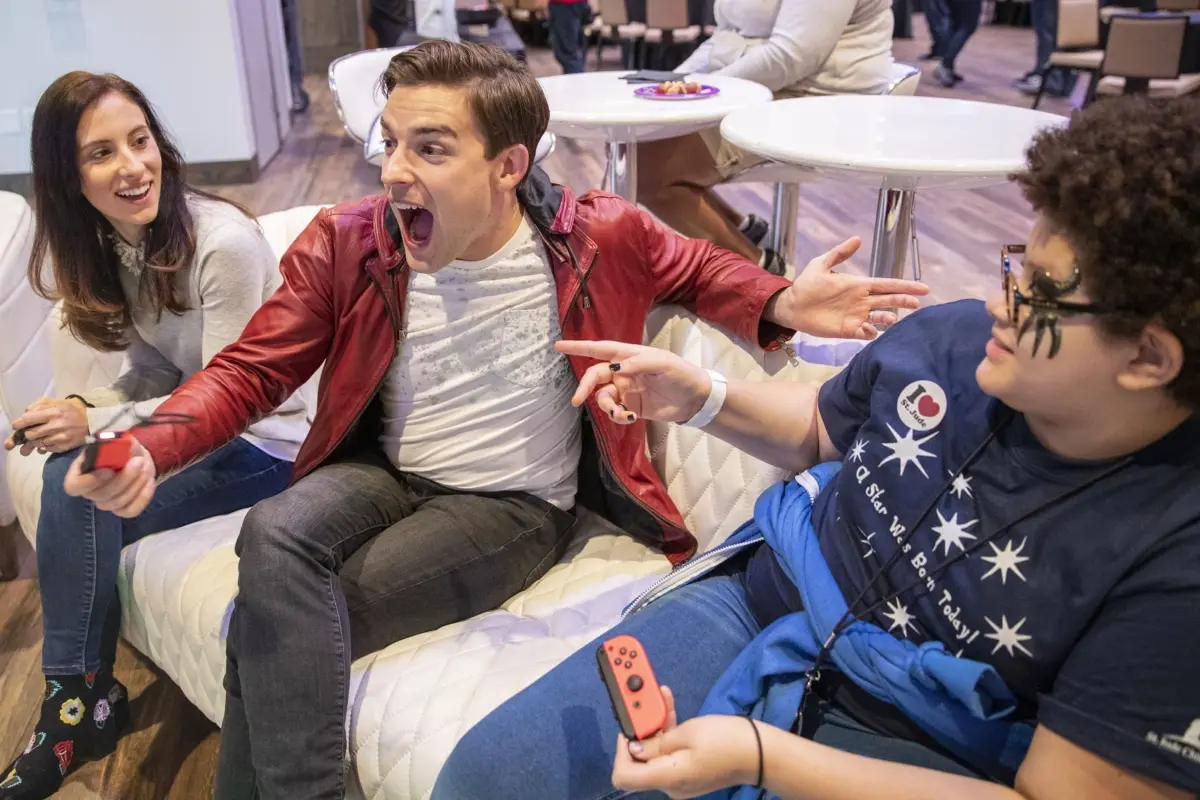
The absolute apex of the Season of Giving arrived on Giving Tuesday, anchored by a landmark, all-day livestream hosted by MatPat and Stephanie Patrick of The Game Theorists. Staged in direct support of St. Jude Children’s Research Hospital, the nine-hour broadcast redefined the scale of creator-led charity events.
The event featured an unprecedented roster of internet talent, breaking down traditional genre silos. Creators spanning culinary arts, comedy, science communication, and gaming united for a singular mission: defeating childhood cancer and other life-threatening diseases. Among the heavyweights participating were:
- Binging with Babish (Andrew Rea)
- The Completionist (Jirard Khalil)
- Dawko (Lewis Dawkins)
- Jackie Aina
- Because Science (Kyle Hill)
- Markiplier (Mark Fischbach)
- Miranda Sings (Colleen Ballinger)
- NateWantsToBattle (Nathan Sharp)
- TheOdd1sOut (Robert James Rallison)
- Rhett and Link (Good Mythical Morning)
- Rosanna Pansino
- SomethingElseYT (Adam Ortiz)
- The Try Guys
- VSauce3 (Jake Roper)
The broadcast was further galvanized by high-stakes incentives. Scott Cawthon, the elusive creator of the globally renowned Five Nights at Freddy’s franchise, introduced a brilliant gamified donation mechanic. Cawthon pledged a personal donation of $500,000 to St. Jude on the condition that the audience and hosts could successfully uncover hidden "easter eggs" within an unreleased, custom-built game within one hour of its launch on Tuesday. This interactive element transformed passive viewers into active participants, driving concurrent viewership figures into the hundreds of thousands and injecting unprecedented adrenaline into the fundraiser.
Mid-to-Late December: Sustained Community Initiatives
As the dust settled on Giving Tuesday, the Season of Giving transitioned into a decentralized ecosystem of specialized community fundraisers. This period highlighted the diversity of causes championed by the YouTube ecosystem:
- Project for Awesome (P4A): Hank and John Green (the Vlogbrothers) hosted their legendary annual charity drive, leveraging their dedicated community to raise millions for charities like Partners In Health and Save the Children through a combination of perks, merchandise, and curated community video submissions.
- Educational Equity: Platforms like Khan Academy executed targeted livestreams under the "All in for Education" banner, addressing systemic gaps in learning access.
- Animal Welfare: Grassroots rescue organizations like Hope For Paws utilized YouTube’s direct-giving tools to fund emergency veterinary care and shelter operations, demonstrating that niche, high-compassion channels could command substantial financial support.
To streamline this vast influx of content, YouTube curated a dedicated algorithmic playlist, guiding users through the top-performing charitable broadcasts and ensuring that smaller, high-impact channels retained visibility alongside mega-creators.
Supporting Context & Metrics
To truly understand the weight of YouTube’s Season of Giving, one must examine the hard metrics and structural shifts underpinning the creator economy. Philanthropy on YouTube is no longer a matter of passing the digital hat; it is a sophisticated, data-driven enterprise supported by robust platform infrastructure.
The Power of Micro-Donations at Scale
The success of campaigns like #TeamTrees—which secured an astonishing $5 million within its first 48 hours—proves the immense financial power of aggregated micro-donations. Traditional philanthropy has long relied on high-net-worth donors or corporate endowments. In contrast, the YouTube model democratizes giving. When millions of viewers contribute $1, $5, or $10 increments, the cumulative total rivals traditional capital campaigns, while simultaneously fostering a deep sense of shared ownership among the audience.

| Campaign / Initiative | Primary Cause | Key Milestone / Metric | Platform Integration |
|---|---|---|---|
| #TeamTrees (MrBeast & Mark Rober) | Global Reforestation | $20M goal ($5M raised in first 48 hours) | Native donation widgets, #TeamTrees tag (3,800+ videos in week 1) |
| St. Jude Giving Tuesday Livestream (The Game Theorists) | Pediatric Cancer Research | 9-hour marathon with 15+ top creators; $500k Cawthon match | Live chat integration, real-time donation tickers |
| Project for Awesome (Vlogbrothers) | Multiple Global Charities | 13th annual event; millions raised annually | Perks-based fundraising, community video curation |
| All in for Education (Khan Academy) | Accessible Learning | Targeted educational resource funding | Livestream fundraising tools |
Platform Infrastructure as a Catalyst
Much of this season’s success can be attributed to YouTube’s continuous refinement of its native monetization and fundraising tools. Features such as "Super Chat," "Super Stickers," and integrated donation buttons embedded directly beneath video player interfaces have eliminated friction. Previously, viewers had to navigate away from content to third-party sites like GoFundMe or Kickstarter, experiencing drop-off rates due to cumbersome verification processes. By keeping the transaction on-platform, conversion rates have skyrocketed, turning every piece of viral entertainment into a seamless point-of-sale for charity.
Furthermore, the algorithmic amplification of charitable content plays a crucial role. YouTube’s recommendation engine, traditionally optimized for watch-time and click-through rates, adapts during key philanthropic windows to surface prosocial content. This ensures that creators who pivot toward altruism are not penalized in the rankings, but are instead rewarded with broader reach across the platform.
Official Statements and Industry Perspectives
The convergence of entertainment and philanthropy has prompted reflections from platform leaders, veteran creators, and beneficiary organizations alike. These perspectives underscore the cultural shift toward radical transparency and community-driven impact.
Reflecting on the ethos of the platform during a year-end corporate address, YouTube representatives emphasized the unique nature of its user base:
"The spirit of generosity and support is one of the things that makes our community so special. On behalf of everyone at YouTube, thank you to all of the creators, fans, and friends who are using their voices to make the world a better place."
Creators who have transitioned from commercial entertainment to high-impact philanthropy note that modern audiences demand authenticity and purpose. MatPat of The Game Theorists, speaking on the evolution of creator responsibilities, highlighted the immense platform privilege that comes with digital stardom:
"When you have an audience of millions tuning in every single day, you have a responsibility to point that massive spotlight toward things that genuinely matter. We can play games, we can theorize, we can entertain—but when we have the power to help fund a cure for pediatric cancer alongside our community, that becomes the most important thing we do all year."
Beneficiary organizations have similarly praised the digital pivot. Representatives from St. Jude Children’s Research Hospital noted that partnerships with digital creators introduce critical, life-saving missions to younger demographics who consume little to no traditional television programming. The ability of creators to translate complex, often clinical fundraising appeals into engaging, interactive entertainment has fundamentally modernized non-profit marketing.
Future Outlook: The Evolution of Digital Philanthropy
As the current Season of Giving concludes, industry analysts and platform strategists are already looking toward the future. The success of this year’s initiatives signals permanent changes in how charitable organizations will approach fundraising in the coming decade.
1. Mainstreaming of Gamified Philanthropy
The integration of gaming mechanics into fundraising—such as Scott Cawthon’s hidden easter egg challenge—has set a new benchmark for audience retention and engagement. Future charity streams will likely move beyond passive donation calls, incorporating augmented reality (AR), interactive voting, and real-time collaborative puzzles that unlock corporate matching funds. This gamification transforms charity from a somber obligation into an engaging, communal event.
2. Decentralized and Cross-Platform Coalitions
The era of the solitary influencer charity stream is giving way to massive, highly coordinated cross-platform coalitions. As demonstrated by The Game Theorists’ Giving Tuesday marathon, pooling audiences across distinct entertainment verticals (gaming, culinary arts, education, and comedy) breaks down algorithmic echo chambers. Future philanthropic campaigns will increasingly operate as decentralized global networks, coordinating simultaneous pushes across YouTube, Twitch, TikTok, and emerging spatial computing platforms.
3. Corporate Accountability and Creator-Led CSR
Brands are recognizing that traditional corporate social responsibility (CSR) initiatives often lack the organic emotional resonance of creator-led movements. Moving forward, major corporations are expected to allocate larger portions of their philanthropic budgets directly to creator-led initiatives, serving as passive financial matching partners rather than primary campaign architects. This shift respects the intimate trust established between creators and their communities while injecting corporate capital where it is most needed.
Conclusion
YouTube’s Season of Giving has transcended its origins as a seasonal novelty, solidifying its place as one of the most powerful philanthropic forces in modern media. By fusing the boundless creativity of internet culture with the infrastructure of digital platforms, creators and their audiences have proven that the internet—often criticized for fostering isolation and division—possesses an unmatched capacity for collective empathy and world-changing generosity.








Belum ada komentar. Jadilah yang pertama berkomentar!