Six years can feel like an eternity in the hyper-accelerated landscape of modern independent music. Trends rise, peak, and dissolve into algorithmic obsolescence in a fraction of that time. Yet, for singer, songwriter, and multi-instrumentalist Vivian McConnell—better known to the indie world as V.V. Lightbody—the half-decade-plus hiatus between full-length releases has not resulted in creative erosion. Instead, it has yielded an artistic distillation.
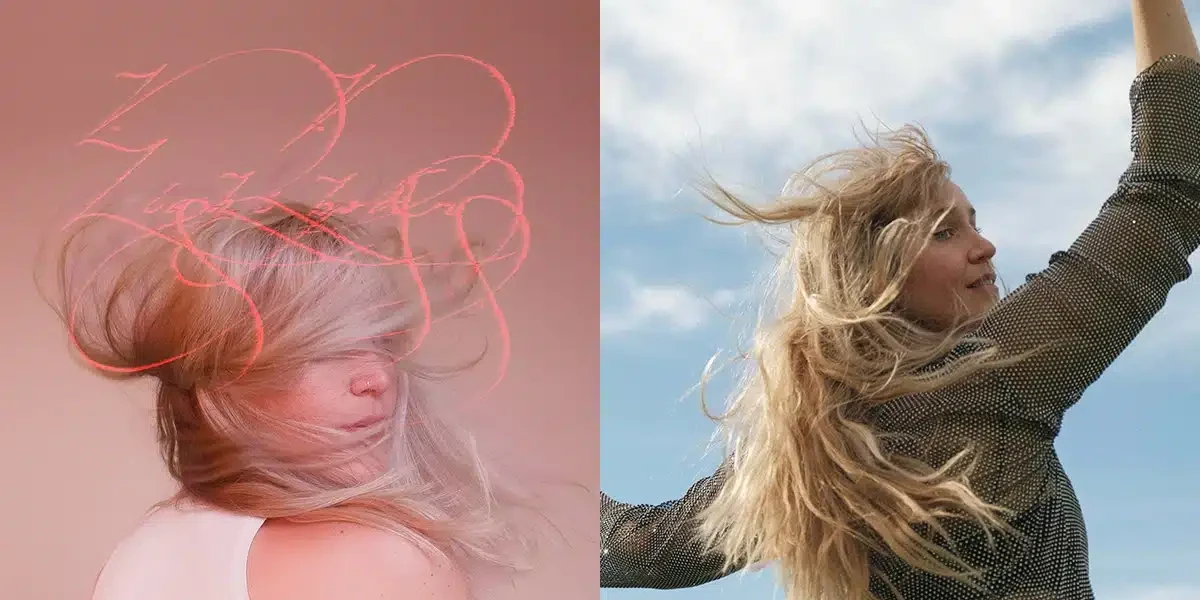
Released via Egghunt Records, Period Piece arrives as a triumphant, beautifully textured masterclass in contemporary chamber-folk and dream-pop. Following her acclaimed 2020 LP, Make a Shrine or Burn It, Lightbody’s latest record picks up the thread of her signature sonic aesthetic while expanding its parameters. Characterized by shimmering acoustic guitars, honeyed vocal harmonies, and an unexpected palette of flutes, vintage synthesizers, and sweeping strings, Period Piece is both down-to-earth and quietly intoxicating.
This review-analysis explores the anatomy of Lightbody’s long-awaited return. By examining the album’s thematic undercurrents, its intricate arrangements, and the collaborative ecosystem that brought it to life, we trace how Period Piece establishes a timeless precedent for independent artistry in the mid-2020s—proving that patience, precision, and profound lyrical vulnerability remain an unbeatable formula.
Detailed Chronology & Production History: From Make a Shrine to the Studio
To understand the sonic architecture of Period Piece, one must first examine the temporal and creative gap that preceded it. In 2020, as the global music industry ground to a sudden, unpredictable halt, V.V. Lightbody released Make a Shrine or Burn It. That record cemented her reputation as a purveyor of relaxed, sophisticated indie-pop that seamlessly blended breezy melodies with wry, observant lyricism.
When the world reopened, McConnell did not rush back into the traditional cycle of immediate album production and relentless touring. Instead, she spent the intervening years quietly honing her craft, collaborating with fellow musicians, and refining a distinct compositional voice. The recording sessions for Period Piece reflect this unhurried gestation period. Rather than leaning on digital shortcuts or artificial volume inflation, Lightbody and her core circle of collaborators built the album’s soundscape organically, tracking instruments with a tactile warmth that recalls the golden eras of 1970s soft-rock and sophisticated bedroom-pop.
Central to this sonic evolution is Lightbody’s multi-instrumental dexterity, augmented by an enviable roster of Chicago’s finest indie-classical and rock instrumentalists. Musicians such as Macie Stewart, Sam Cantor, Emma Hospelhorn, and Jack Henry Lickerman contributed to the sessions, bringing a level of compositional nuance rarely found in standard indie-rock fare. The result is an album where every instrument—from the breathy rasp of a flute to the spiky, angular whine of an electric guitar—feels vital, intentional, and meticulously placed.
Supporting Context & Musical Analysis: Lyrical Wit and Sonic Architecture
Period Piece opens with a disarming moment of meta-commentary that instantly breaks the fourth wall between artist and audience. On the opening track, "Practice Smiling," Lightbody sings:
“Should I practice smiling? / It’s been a while / And am I happy to see ya? / Crow’s feet show you’re still the glint in my eye.”
It is a clever, self-aware nod to the protracted six-year interval since her last major dispatch. Yet, far from resting on the laurels of a welcome homecoming, the track immediately establishes the album’s core musical ethos: shimmering acoustic strums, infectious mid-tempo rhythms, and an overarching sense of atmospheric luxury.
Navigating Modern Relational Complexities
Lightbody’s approach to lyrical storytelling—particularly regarding the intricate mechanics of interpersonal relationships—remains entirely her own. She avoids tired tropes, opting instead for specific, sharply observed vignettes that weaponize mundane details to reveal profound emotional truths.
On the standout track "Best Problem," she explores the minor, petty resentments that accompany watching an ex-partner or universally desired friend move through the social sphere. Singing with a delicate, dry edge, she notes:
“At the bar, I see your exes / Looks like they’re hitting it off / Must be nice to know that your rejection / Has set the scene for someone else.”
The track exemplifies Lightbody’s lyrical superpower: taking an emotionally complex, slightly uncomfortable social dynamic and rendering it with grace, humor, and melodic sweetness.
Ethereal Narratives and Genre-Defying Hybrids
While chugging, mid-tempo rhythms form the heartbeat of Period Piece, the album thrives on its sudden stylistic pivots. "Robocaller," a dreamy, ethereal ballad featuring the sublime guest harmony work of Cassandra Jenkins, tells the bizarre yet poignant story of an isolated individual falling in love with an automated spam caller. It is whimsical without being twee, grounding its surreal premise in a genuinely affecting vocal delivery.
Perhaps the album’s most impressive sonic achievement is "Patience of a Pilot." Operating as an otherworldly mirage, the track uses the claustrophobic yet suspended reality of an airline flight as a cunning metaphor for emotional limbo and romantic anticipation.
Meanwhile, tracks like "Two Swans" pivot toward a bluesy, mid-tempo groove driven by spiky, angular guitar work and hazy, new wave synthesizers. It demonstrates that beneath the lush, pastoral surface of Lightbody’s music lies a sharp, unpredictable edge—a restless creative spirit that refuses to be neatly pigeonholed.
Official Statements & Critical Reception: The "Cate Le Bon" of the Meadow
Critical reception of Period Piece has been overwhelmingly enthusiastic, positioning the record as one of the most thoughtfully crafted independent releases of the year. Industry observers have pointed to Lightbody’s singular ability to straddle the line between accessibility and avant-garde arrangement.
Official press materials and early critical reviews have often deployed a striking imagery to capture her essence, describing her sound aptly as akin to "Cate Le Bon strolling through an overgrown meadow." This juxtaposition—the architectural, post-punk structural intelligence of artists like Le Bon meeting the organic, organic warmth of classic folk-pop—captures the dual nature of Lightbody’s artistry.
Speaking on the collaborative spirit of the record, Lightbody has emphasized the importance of trusting the collaborative process. By bringing in arrangers and players who understood the emotional weight of her compositions, she was able to elevate simple chord progressions into cinematic vignettes. The frequent deployment of the flute throughout the record—not merely as a guest texture, but as a foundational melodic voice—stands as a testament to this collaborative boldness.
The album culminates in its breathtaking closing track, "Blue Within Blue." Bridging traditional country-folk melodies with avant-garde dream-pop, the song feels completely untethered from a specific decade. With flutes weaving through delicate acoustic strums, the track carries a timeless emotional resonance that could easily see it covered by legends ranging from Patsy Cline and Roy Orbison to modern luminaries like Aldous Harding. As Lightbody softly declares, "I’m blue within blue / I’m on a dune with you," the unadorned simplicity of the language locks into place with the music’s cosmic weight.
Future Outlook: Where V.V. Lightbody Goes From Here
With Period Piece, V.V. Lightbody has done more than simply deliver a long-awaited follow-up; she has redefined her artistic identity for a new era. The six-year wait between albums, initially a daunting prospect for fans and industry watchers alike, now reads as a necessary crucible from which an elevated artistic vision emerged.
As Egghunt Records pushes Period Piece into the global marketplace, the future looks exceptionally bright for Vivian McConnell and her collaborators. The album’s cross-genre appeal—touching upon indie-folk, chamber-pop, dream-pop, and alt-country—ensures that it will resonate across diverse listening demographics.
Looking forward, the primary question facing V.V. Lightbody is not whether she can maintain relevance, but rather how she will choose to leverage the profound momentum of this release. If Period Piece is any indication, McConnell’s creative trajectory is defined by a refusal to stagnate, a commitment to lyrical honesty, and an uncompromising dedication to sonic beauty. Fans should certainly hope they do not have to wait another six years for the next chapter, but if the resulting art is of this caliber, patience remains the ultimate virtue.










Belum ada komentar. Jadilah yang pertama berkomentar!