

Executive Overview
In an era dominated by calculated deckbuilders, passive auto-shooters, and sprawling city-management simulations, the gaming landscape occasionally yearns for something purely visceral. Enter Stuntboost, developed by Byting Games—a high-octane, first-person momentum platformer that defies easy categorization. Released quietly to Steam without a multi-million-dollar marketing campaign or an army of influencers, the game currently sits with a "Very Positive" rating and just over 250 reviews. Yet, despite its modest footprint in the grand theater of contemporary releases, it has swiftly emerged as a critical darling for enthusiasts of high-skill movement mechanics.
Described variously as a skateboarding game that features cars, a platformer equipped with an obsessive speedometer, and an affectionate tribute to the miniature bedroom maps of early-2000s first-person shooter modders, Stuntboost is an anomaly. It demands precision, punishes hesitation, and rewards mastery with an intoxicating adrenaline rush. Priced at an accessible seven dollars, it offers a masterclass in level design, quality-of-life integrations, and kinetic flow. This report explores how Stuntboost bypassed traditional discovery channels to become the definitive indie sensation of early 2026, analyzing its mechanical DNA, community-driven rivalries, and the broader implications for the physics-based action genre.
Detailed Chronology & Mechanical Evolution
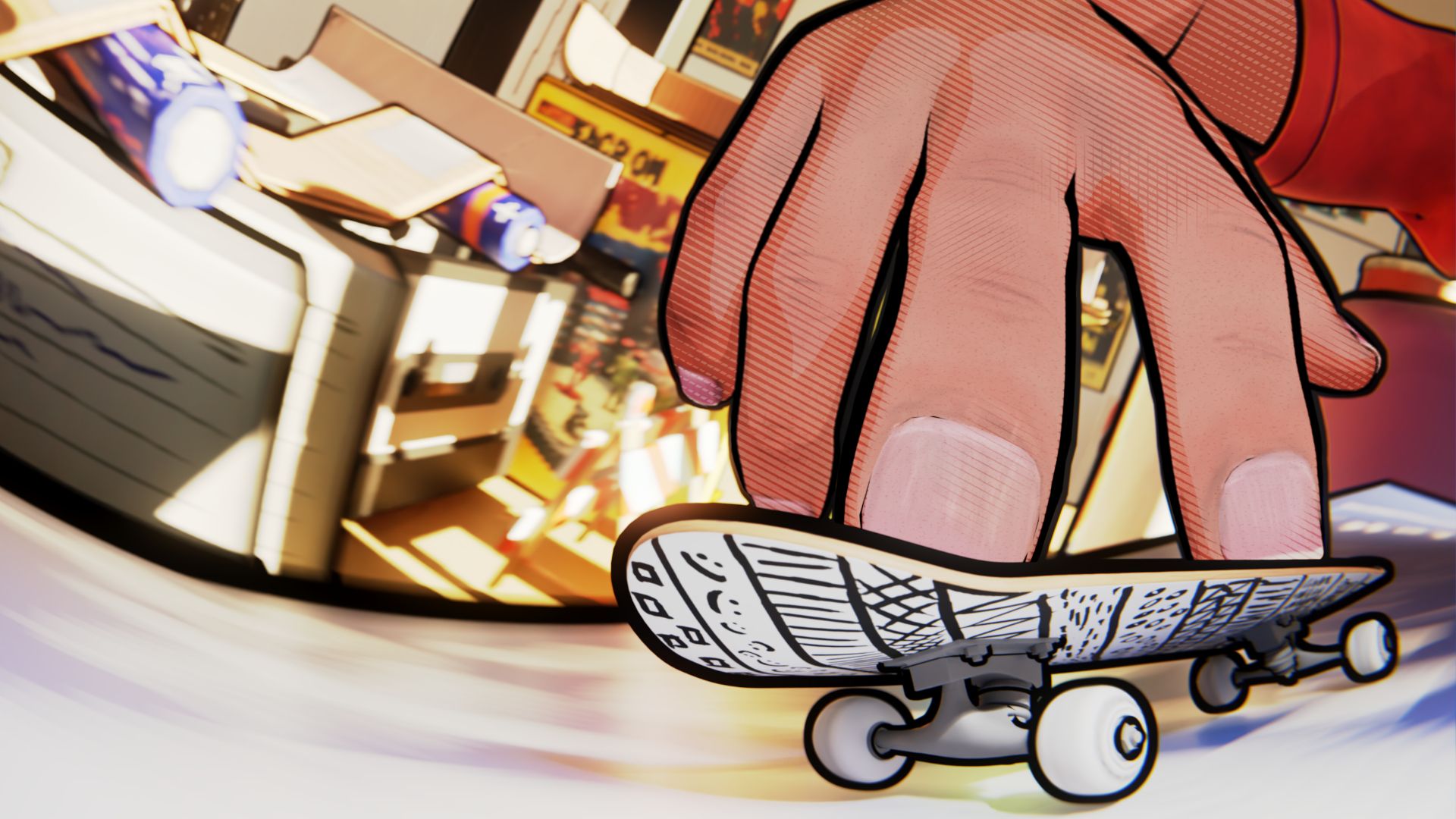
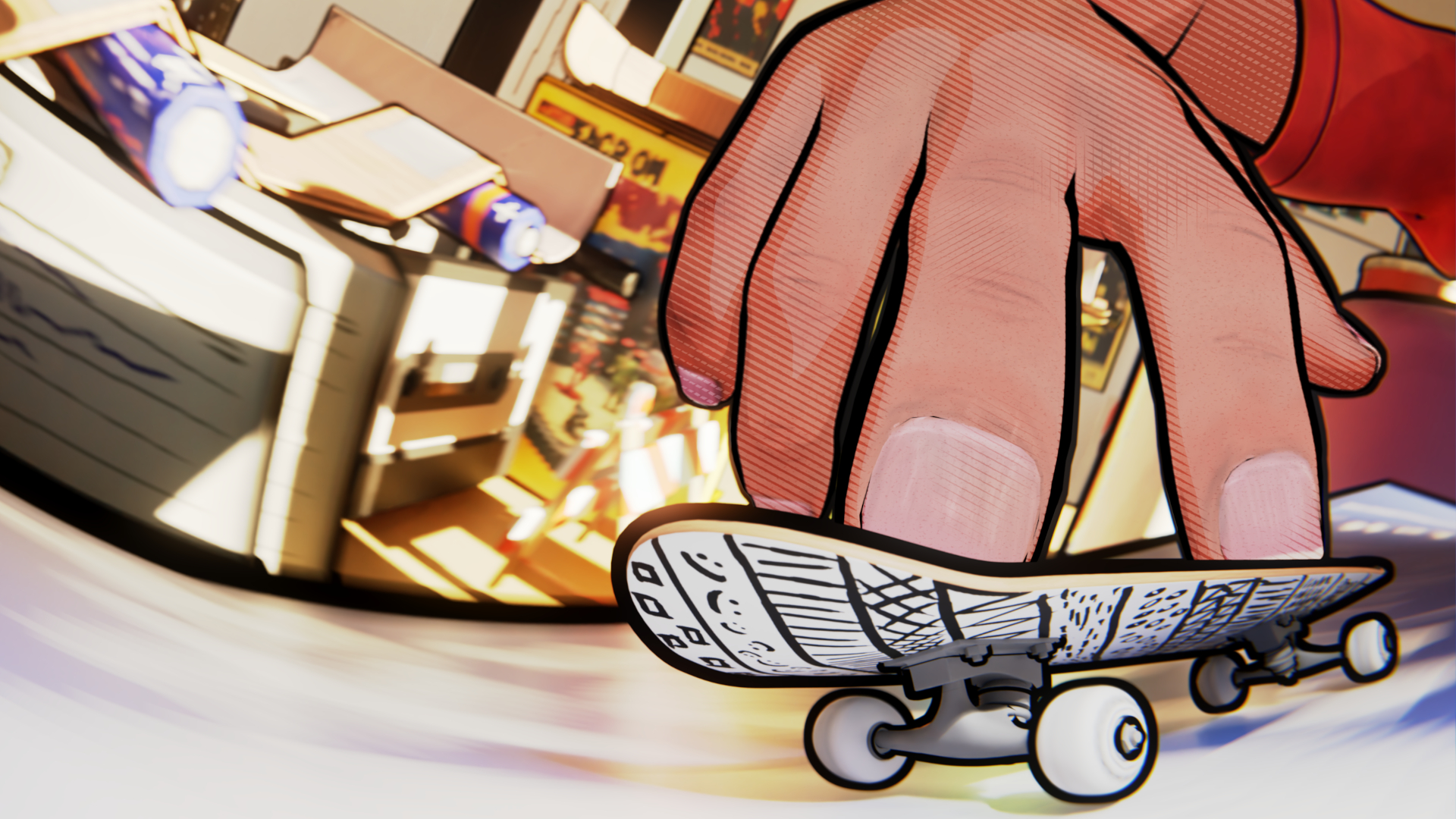
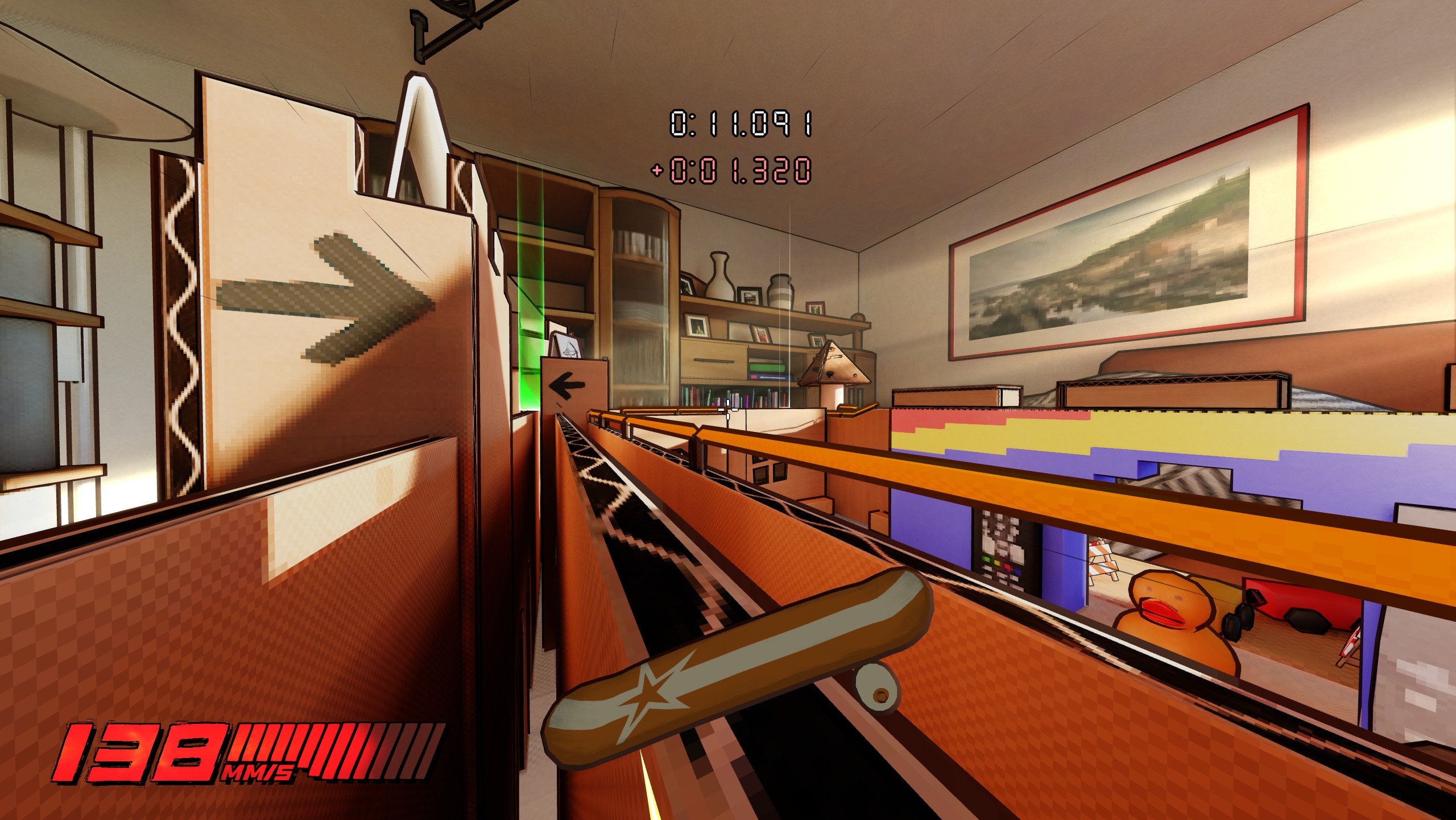
The trajectory of Stuntboost’s release has been a classic "slow burn." Debuting on Steam with little initial fanfare, the title initially risked falling into the abyss of digital storefront obscurity. Its visual presentation—reminiscent of toy fingerboards, cardboard obstacle circuits, and household items repurposed as architectural marvels—conjures the imagery of a casual, family-friendly racer akin to Hot Wheels. However, this aesthetic is a deliberate mechanical misdirection.
Upon launching the game, players are greeted by an unusual advisory warning: Stuntboost is best experienced with a mouse and keyboard. This directive immediately separates it from traditional console-centric skateboarding titles. Built fundamentally around a streamlined three-button configuration—jump, crouch, and grind—the game strips away extraneous inputs to focus entirely on the accumulation, retention, and vector manipulation of speed.
As players progress through the game’s initial world of over 40 meticulously designed levels, the mechanical depth unfolds:
- The Skateboarding Foundation: The core traversal relies on snap turns, vertical ramps, and continuous sliding. Every sloped surface transforms into an invitation to eke out fractional velocity gains.
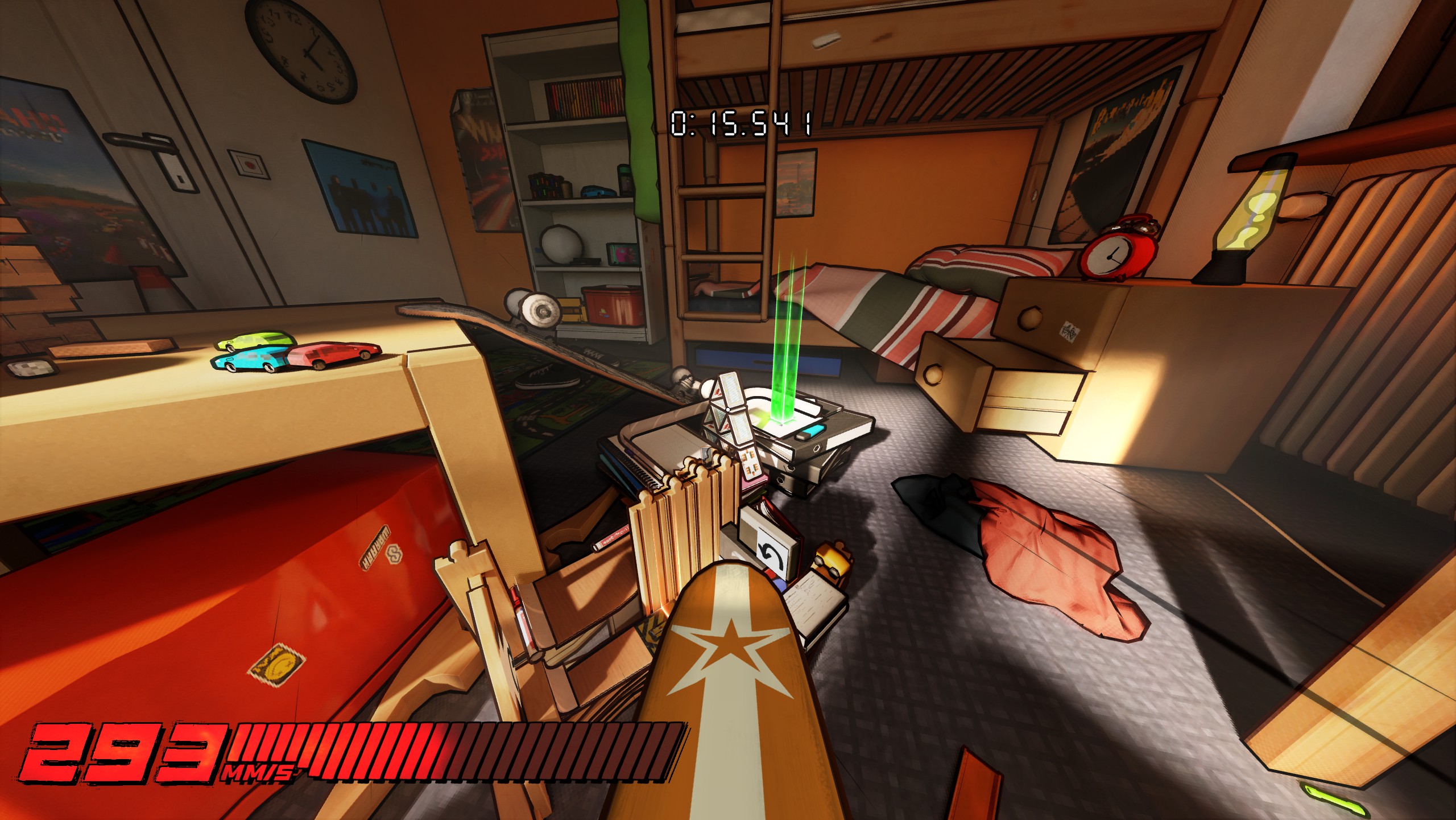
- Advanced Community Tech: Through iterative play and the study of ghost replays, players quickly discover high-level techniques such as varial kickflips, grind hopping, and speed storage. The environment acts as an accomplice; ordinary household objects—ranging from dinner plates and playing cards to three-ring binders—function as high-velocity springboards capable of launching the player across entire chambers.
- Vehicular and Alternative Diversions: Later worlds expand the gameplay loop beyond the standard skateboard. Players encounter drift-heavy car levels that fundamentally alter cornering physics, free-roam scooter levels peppered with classic S-K-A-T-E collectables, and uncompromising longboards that sacrifice the ability to jump in favor of pure, terrifying momentum.
Supporting Context & Metrics
To understand Stuntboost’s viral, albeit insular, success, one must examine the lineage of momentum-based games that paved its way. Comparisons to titles like Trackmania and Neon White are inevitable, yet Stuntboost successfully carves out a distinct mechanical philosophy.

| Feature / Metric | Stuntboost | Trackmania | Neon White |
|---|---|---|---|
| Core Focus | Uncapped first-person speed & physics | Precise racing lines & cornering | Card-based platforming & combat puzzles |
| Braking Mechanics | Non-existent; full speed at all costs | Essential for optimal times | N/A (Action-oriented pacing) |
| Camera Perspective | First-Person | Third-Person / Chase Cam | First-Person |
| Price Point | ~$7.00 USD | Varies (Free-to-play tiers + subscriptions) | ~$24.99 USD |
| Level Structure | Non-linear, open-routing sandbox tracks | Linear racing tracks with distinct checkpoints | Linear puzzle-platformer arenas |
While Trackmania treats speed as a resource to be managed through calculated braking and apex-hugging, Stuntboost is an exercise in unadulterated acceleration. There is no brake pedal. The game actively encourages players to look past intended pathways, rewarding lateral thinking and creative macro-routing.
Furthermore, Stuntboost distinguishes itself through exemplary quality-of-life features that often elude higher-budget productions:
- Staged Information Reveal: Friend rankings and leaderboards remain concealed until the player successfully clears a track at least once, preventing intimidation and encouraging organic exploration. Global leaderboards unlock specifically upon achieving a diamond medal.
- Dynamic Ghost Systems: Players can summon the ghost data of friends or top-tier global competitors.Crucially, full replays of other players can be viewed only after the user has discovered the same shortcuts utilized in those runs, preserving the joy of self-discovery while providing a roadmap for mastery.
- Hidden Collectibles: Each level houses a hidden tape, unlocking a free-cam mode ideal for scouting advanced routes, alongside bonus tower gauntlets and a comprehensive speedrun mode.
Official Statements & Developer Insight
Though Byting Games has maintained a relatively lean public relations profile, relying instead on organic word-of-mouth and community amplification on platforms like Discord and Reddit, the design philosophy embedded in the game speaks volumes. The development team engineered Stuntboost not as a cinematic spectacle, but as a pure-play sandbox for movement purists—often referred to affectionately by the community as "FPS movement sickos."
In developer notes and update logs accompanying the game’s launch window, the studio emphasized the importance of improvisational freedom over rigid scripted paths. By leaning heavily into physics-driven momentum rather than animation-locked trick systems, Byting Games crafted an environment where player skill directly correlates with spatial awareness and camera precision.

Community sentiment has echoed this design ethos. Prominent speedrunning figures and content creators have highlighted how the game manages to replicate the intoxicating rush of early source-engine bunny-hopping and Quake movement mods, translated into a modern, highly polished package. The emergence of fierce, localized friend-group leaderboards has transformed casual evening play sessions into tense, millisecond-shaving competitions reminiscent of the golden age of arcade score-chasing.
Future Outlook
The trajectory for Stuntboost points toward a sustained, passionate community lifecycle rather than a brief, explosive flash in the pan. As more players discover the title through grassroots recommendations, the multiplayer leaderboards and daily challenge systems are slated to become fiercely contested battlegrounds.
The broader gaming ecosystem often overlooks titles that do not neatly fit into established commercial templates. Deckbuilders and roguelikes currently dominate indie capital, leaving a distinct market gap for physics-driven, high-velocity skill expressions. Stuntboost has successfully proven that players are actively hungry for experiences that make them "feel alive and dangerous."
Looking ahead, the primary challenge for Byting Games will be supporting this vibrant community with additional content drops, potentially expanding the scale of its household-themed environments or introducing robust level-editing tools. If the modding community and speedrunning underground embrace Stuntboost with the same fervor they afforded classics like Celeste or Trackmania, this seven-dollar indie diamond in the rough has all the ingredients necessary to cement its legacy as a cult-classic masterwork of 2026.







Belum ada komentar. Jadilah yang pertama berkomentar!