

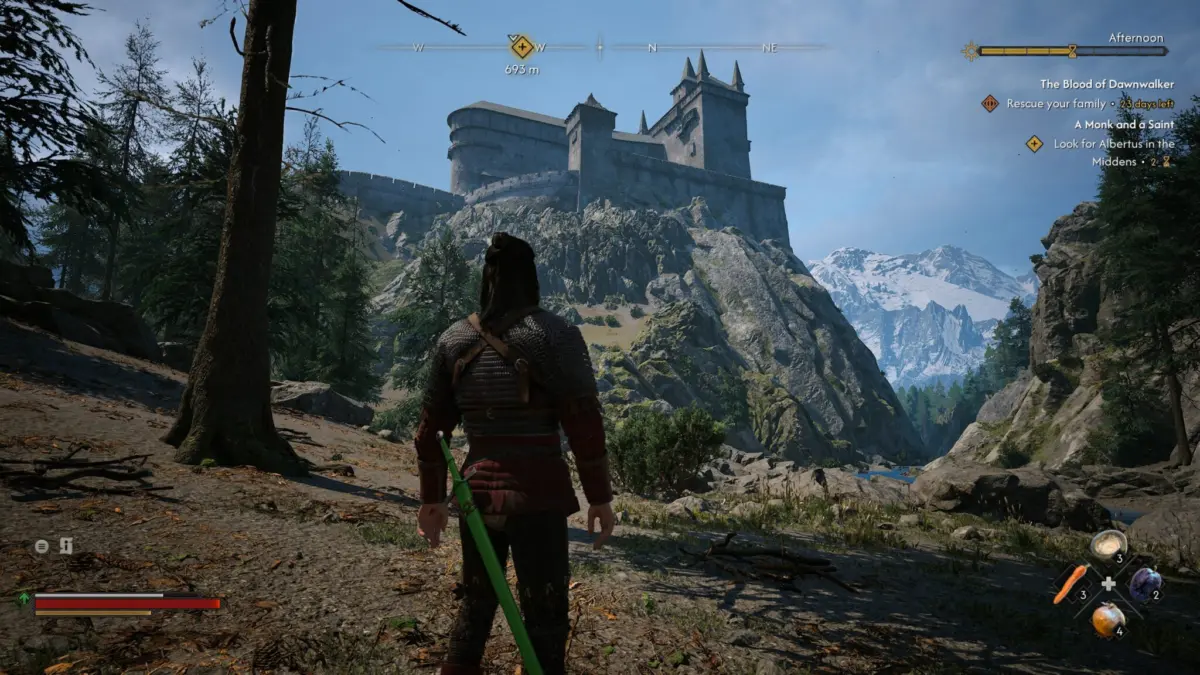
Developed by Rebel Wolves and published by Bandai Namco, The Blood of Dawnwalker emerges as a grim, uncompromising blockbuster action RPG that dares to drag players through the bleakest mud of 14th-century Romanian folklore. Set for release on September 3, 2026, with an expected price point of $70 / £60, the game is built upon a dark heart reminiscent of The Witcher 3, yet it pushes into territories far more macabre, melancholic, and punishing.
The verdict from critics is clear: The Blood of Dawnwalker is a resolutely miserable horror RPG boasting brilliant systemic concepts, even if it occasionally lacks the courage to let its most daring mechanics fully bare their fangs. Blending tactical directional swordplay, a high-stakes temporal calendar, and a suffocating atmosphere of European miserablism, it stands as one of the most distinctive and visually hypnotic open-world titles in years—despite stumbling over a few familiar, well-trodden open-world tropes.
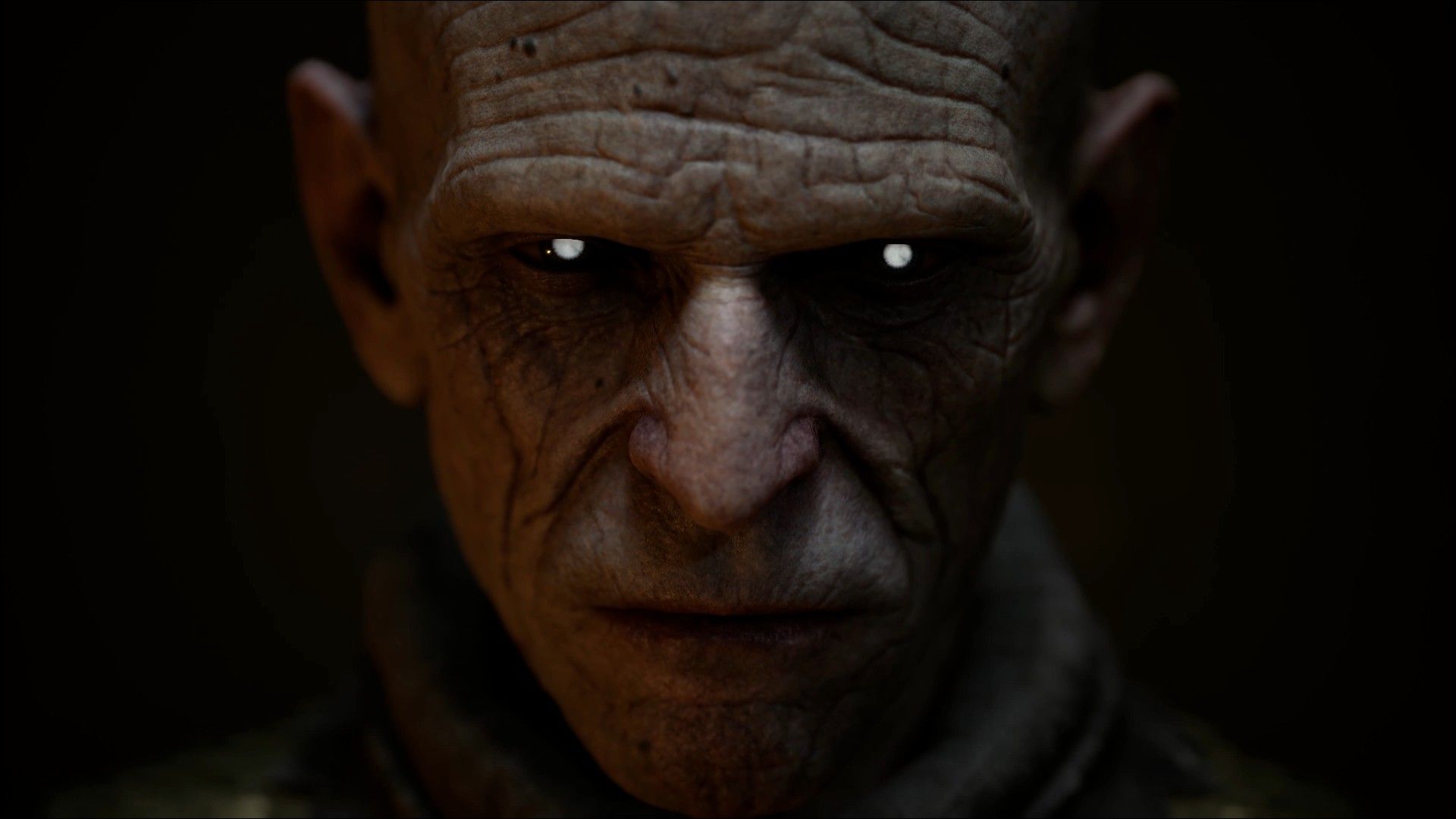
Detailed Chronology: The Tragedy of Coen of Laslea
The Fall of Laslea and the Rise of the Vrakhiri
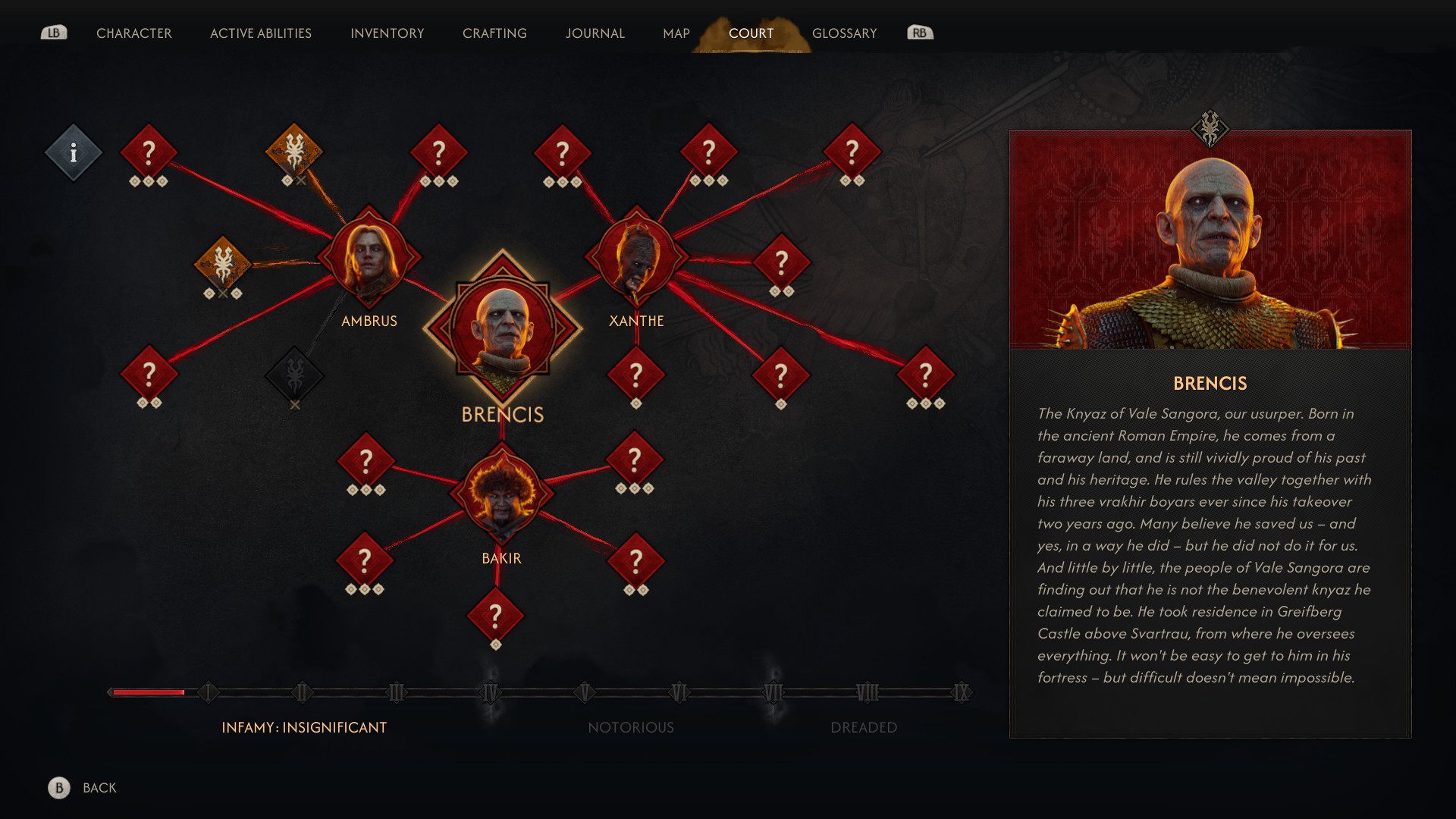
The narrative unfolds in the rugged, folklore-heavy Vale Sangora in 1300s Romania. Players step into the boots of Coen of Laslea, a humble peasant working the unforgiving land. The region’s brutal feudal hierarchy, formerly lorded over by the tyrannical Skender Dragosti, has recently been dismantled by Brencis—a century-old, warfaring vrakhir (vampire) who grew sick of watching valuable human blood go to waste.
While Brencis trades Skender’s overt, chaotic sadism for an industrial-scale, bureaucratic harvesting of peasant blood, the cost of this "progress" remains catastrophic. When the slightest spark of dissent flares up in Laslea, Brencis and his enforcers descend upon the settlement, razing it to the ground and abducting Coen’s family.
The Dawnwalker Transformation and the 30-Day Countdown
Coen’s ordinary life shatters completely when he is violently transformed into a "Dawnwalker"—a hybrid existence that grants him vampiric powers by night while retaining his mortal form by day. This dual nature allows Rebel Wolves to sidestep standard vampire tropes; Coen doesn’t need to cower from sunlight, utilizing human weapon-craft and witchcraft by day, while unleashing devastating supernatural vampiric abilities after sundown.
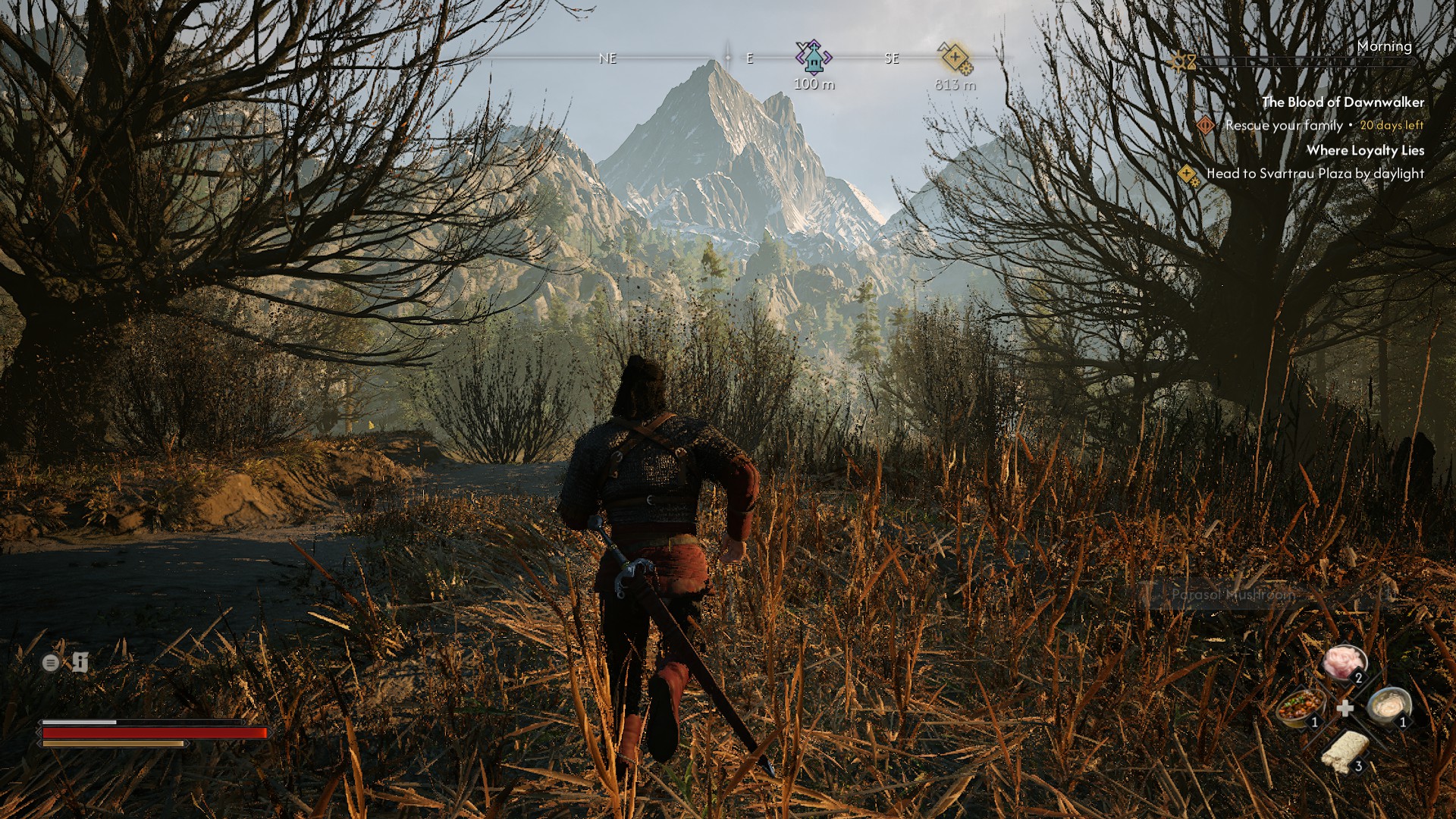
However, Coen’s quest for vengeance and familial rescue operates under a strict, ticking clock. Brencis’s grand coronation is scheduled to take place in precisely 30 days. Once that milestone passes, Coen’s family is doomed. This temporal constraint introduces a revolutionary structural mechanic: a calendar system broken down into 16 daily units of time. Every major action—from advancing core investigations, unlocking skill trees, or mastering new combat proficiencies—costs precious time.
[Day 1: Awakening & Village Destruction]
       │
       ▼
[Days 2-20: Tactical Time Management & Skill Mastery]
       │
       ▼
[Day 30: Brencis's Coronation / Ultimate Showdown]
Supporting Context & Mechanics: Systems and Worldbuilding
Combat Mechanics: Directional Steel and Supernatural Flourishes
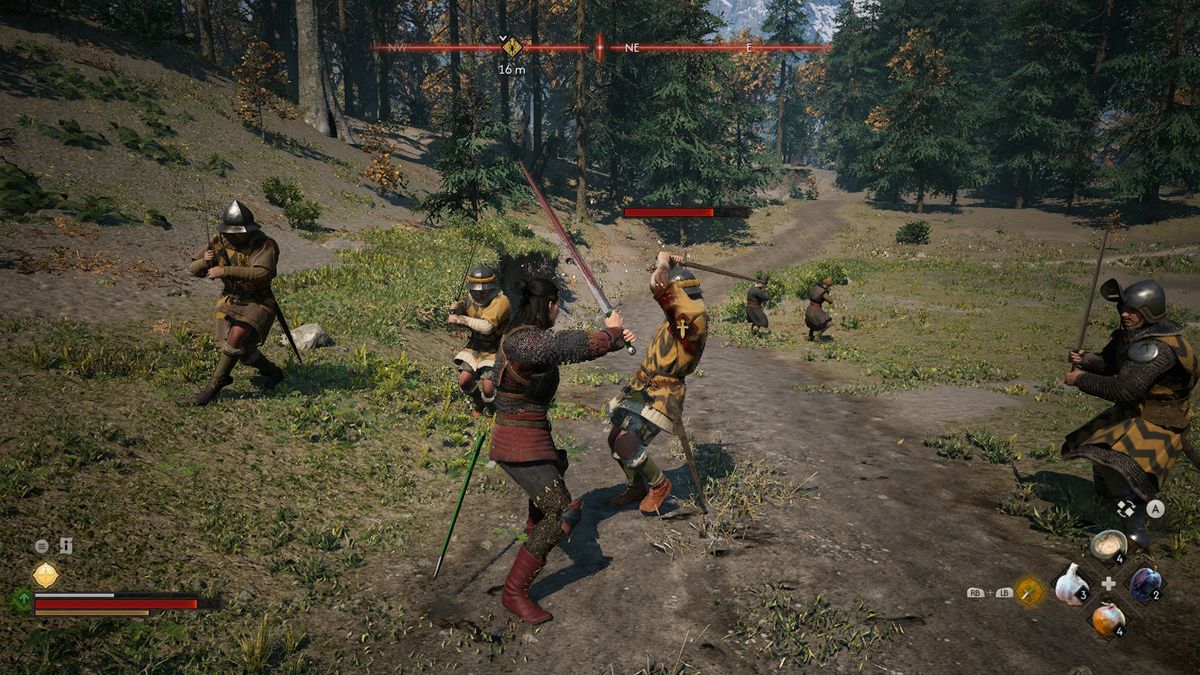
The Blood of Dawnwalker channels the tactile, directional combat philosophy seen in titles like Kingdom Come: Deliverance, requiring players to read enemy swing trajectories and parry accordingly. However, Rebel Wolves wisely keeps the system accessible by overlaying a clear, readable intent marker for incoming blows.
Beyond steel, Coen’s combat repertoire blossoms into a dizzying display of dark sorcery and blood magic:
- Shadowstep: Warp behind targets instantly to drain their health pools.
- Spectral Crows: Summon chaotic, blinding waves of avian phantoms mid-strike.
- Sanguine Control: Boil an enemy’s blood from afar, extract their soul temporarily, or completely possess foes to turn the tide of battle.
The Illusion of Time Pressure
Drawing comparisons to titles like Persona and Majora’s Mask, the 16-unit daily calendar transforms questing into a cerebral tactical puzzle. Players must weigh the efficiency of assassinating Brencis’s regional vassals to weaken his regime versus engaging in local side-tasks or cultivating romances.
Interestingly, while the calendar instills a palpable sense of anxiety during the opening hours, it ultimately proves largely illusory. By day 20, a well-managed Coen becomes virtually unstoppable. While this deflates some of the existential panic, it grants players an unprecedented degree of choice regarding how, when, and on what terms they choose to approach the game’s brutal endgame.
Aesthetic and Environmental Design
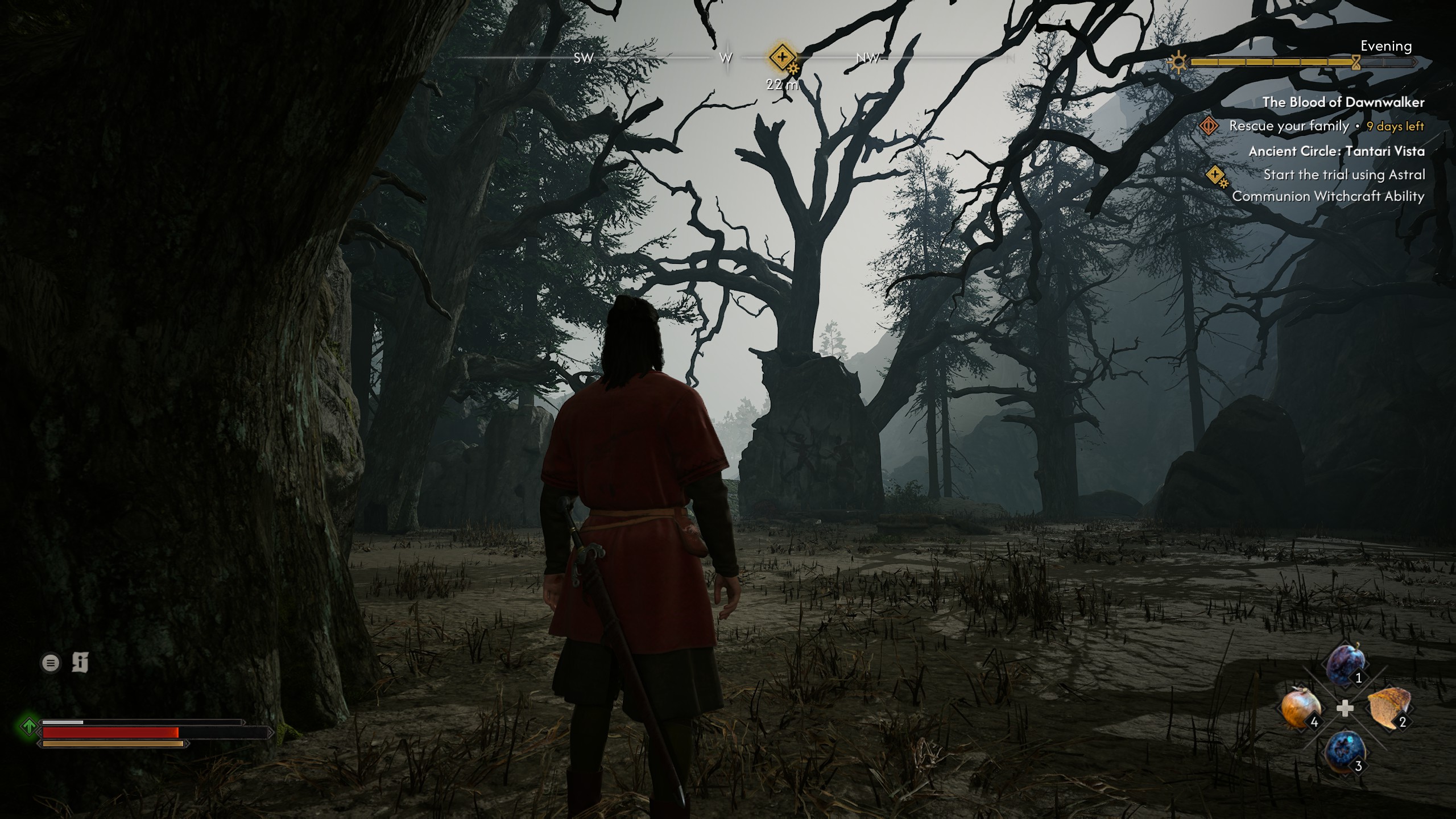
Sangora’s open world avoids the trap of feeling like a generic theme-park sandbox. Inspired by Caspar David Friedrich’s romantic landscape paintings and the grim aesthetics of Tolkien-themed black metal album art, the fir forests, alpine highlands, and muddy backroads evoke a profound sense of pre-enlightenment dread. It is an environment meant to be inhabited slowly—whether on foot or galloping in wolf form by night—capturing the exhausting misery of hand-to-mouth peasant life without romanticizing historical tragedy.
Official Statements & Critical Consensus
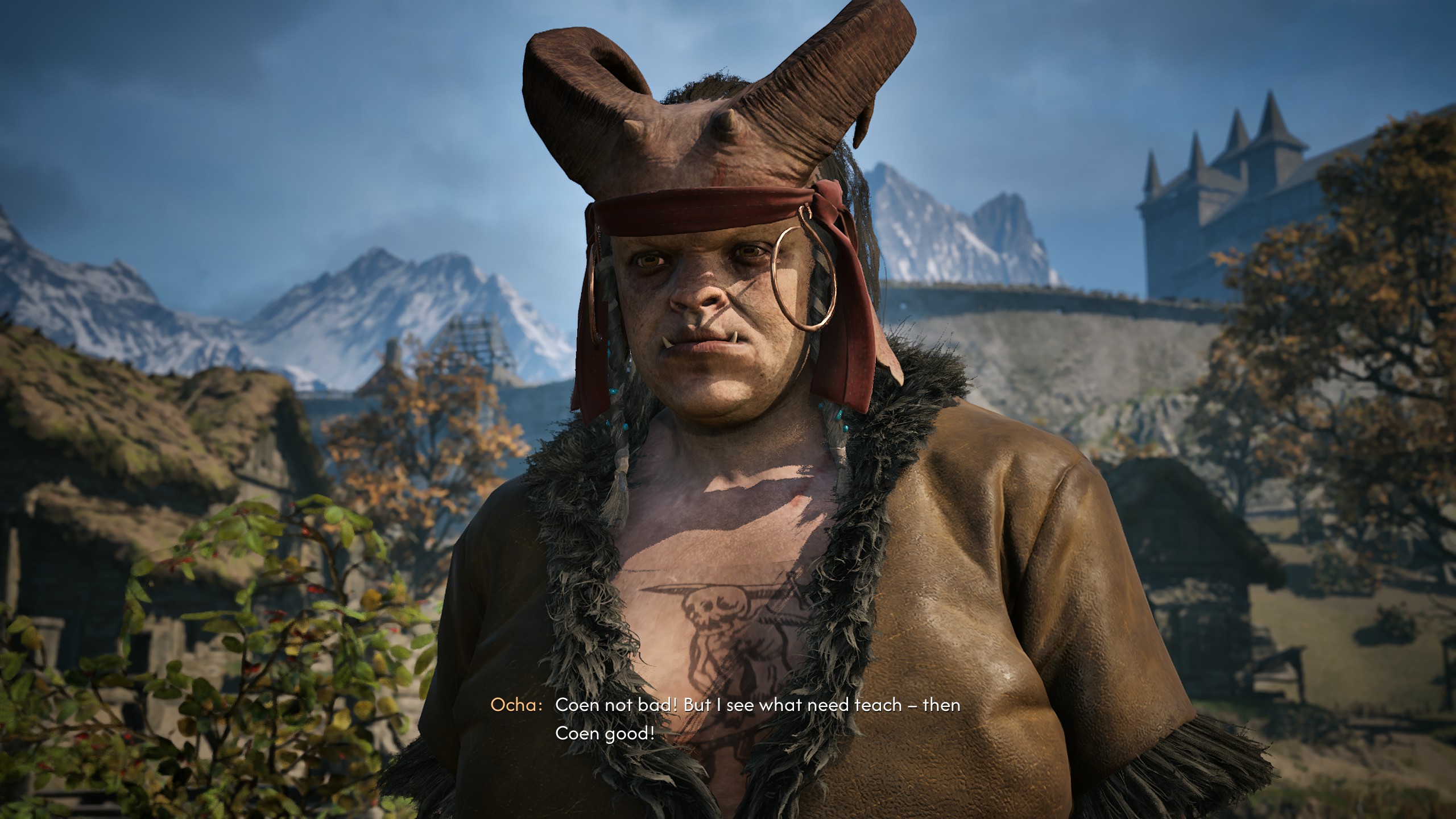
Rebel Wolves has positioned The Blood of Dawnwalker as a deliberate pivot away from traditional, power-fantasy RPGs, striving instead to anchor player choices in moral ambiguity. The studio’s narrative philosophy centers on the idea that in a world structured entirely around exploitation, there are no clean hands or righteous victories.
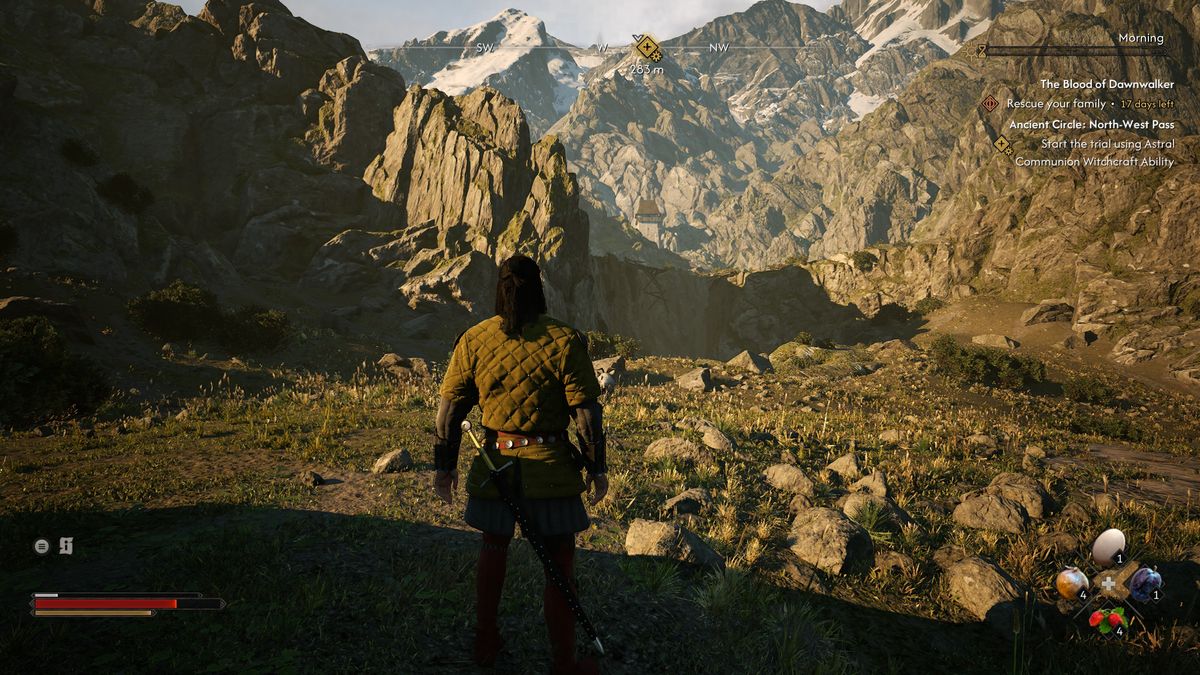
Critical consensus highlights this uncompromising vision as both the game’s greatest triumph and its primary frustration. Reviewers note that while the worldbuilding and combat are masterclass achievements, the team pulled back on the reins regarding the calendar system’s potential punishments, fearing it might alienate mainstream players. Had the developers leaned fully into the unforgiving nature of its time constraints, The Blood of Dawnwalker might have secured a permanent legacy as a generational masterpiece. Instead, it settles for being a brilliantly dark, deeply haunting experiment that occasionally relapses into predictable open-world tropes—such as Ubisoft-style climbing towers and repetitive objective markers.
Future Outlook
As the industry looks toward the September 2026 launch window, The Blood of Dawnwalker stands as a definitive statement of intent from Rebel Wolves. Running remarkably well on modest hardware (maintaining steady frame rates even on lower settings), the technical foundation is rock-solid.
Whether Bandai Namco and Rebel Wolves will expand this grim universe through post-launch expansions or direct sequels remains to be seen. However, the lasting impression left by Coen’s bleak crusade through Sangora proves that there is an eager audience for mature, uncompromising European miserablism in blockbuster RPG design. If future iterations can muster the absolute courage to let their most punishing survival mechanics bite without compromise, the Dawnwalker IP has all the raw arterial fuel needed to become a legendary modern franchise.








Belum ada komentar. Jadilah yang pertama berkomentar!