

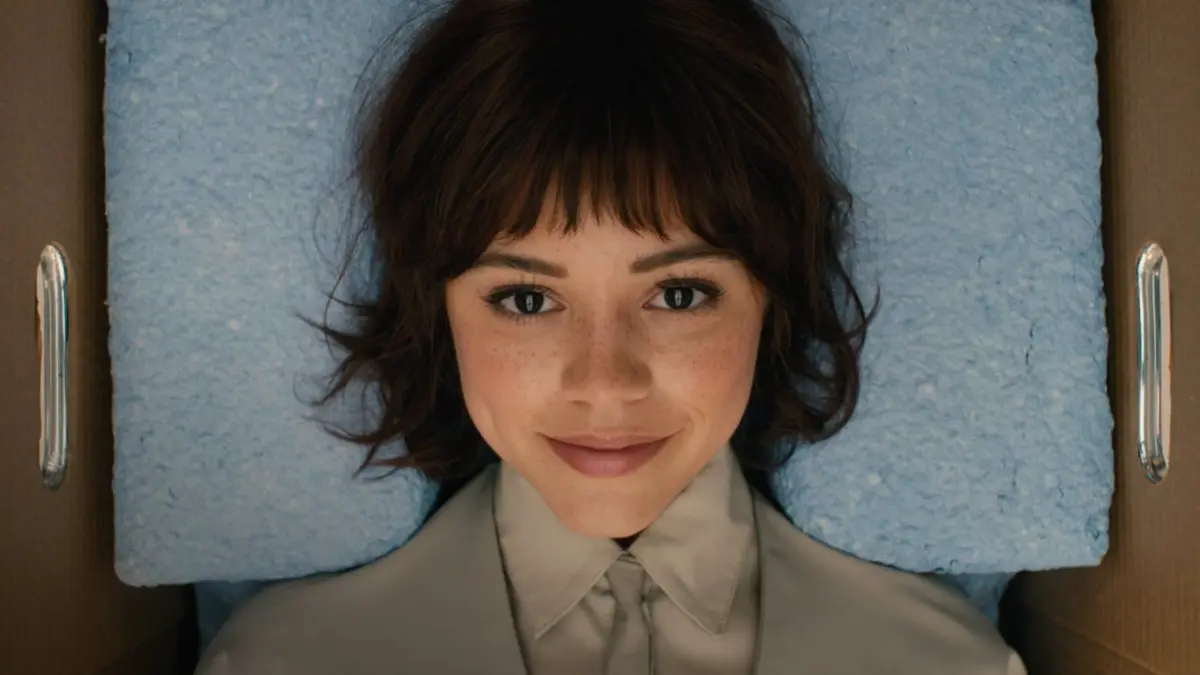
The cinematic landscape of 2026 has delivered its share of ambitious literary adaptations, yet few have sparked as much critical debate as Taika Waititi’s cinematic translation of Kazuo Ishiguro’s best-selling dystopian novel, Klara and the Sun. Distributed amid high expectations following its prominent placement on the festival circuit—including the 2026 BFI London Film Festival—the feature film brings together a powerhouse ensemble cast led by Jenna Ortega and Amy Adams. Yet, it has emerged as a textbook case of tonal dissonance, leaving audiences and critics polarized over how a filmmaker’s signature stylistic choices can profoundly reshape, and occasionally undermine, source material of a deeply philosophical nature.
Set against a bleak, near-future backdrop where society is reeling from the long-term structural collapses of World War III and an increasingly pervasive technological bubble, the narrative centers on Klara, an "Artificial Friend" (AF) designed specifically to combat adolescent loneliness. When Klara is purchased by a grieving, fractured family harboring heavy secrets, the stage is set for a poignant exploration of grief, artificial intelligence, human modification, and the elusive definition of love.
However, co-written by Waititi and Dahvi Waller, the film struggles to reconcile Ishiguro’s melancholic, subdued prose with Waititi’s trademark eccentric comedy. While individual performances—particularly Jenna Ortega’s committed, physical portrayal of Klara—demonstrate flashes of brilliance, the project ultimately falters under the weight of an overwhelming comedic cadence. Rather than utilizing humor as occasional relief, the production leans heavily into an ironic, heightened absurdity that flattens the grounded world-building, leaving critics questioning whether the visionary director was fundamentally mismatched for the material.
Detailed Chronology
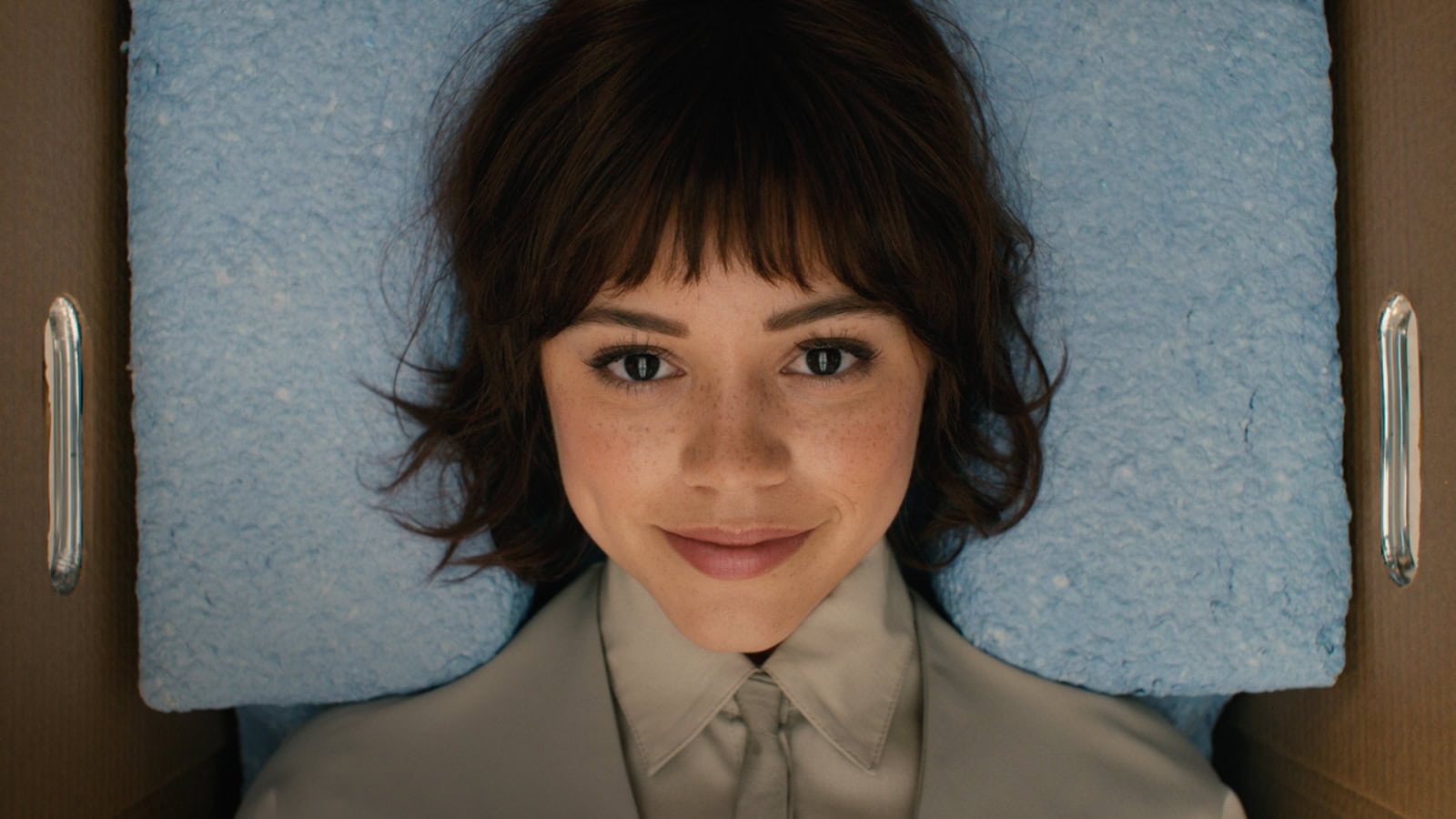
The developmental timeline of Klara and the Sun traces a path from celebrated contemporary speculative fiction to a high-profile, heavily scrutinized multi-million-dollar production. Kazuo Ishiguro’s original novel hit bookshelves to widespread critical acclaim, celebrated for its quiet, observant prose told entirely from the perspective of an artificial entity learning the nuances of human emotion, mortality, and faith.
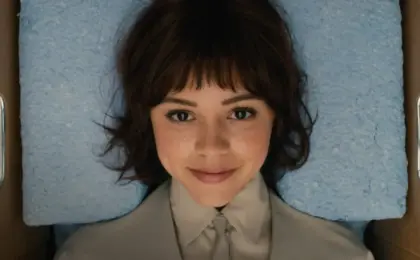
Transitioning the property to the screen involved a protracted adaptation process, eventually landing in the hands of director Taika Waititi and co-writer Dahvi Waller. As production ramped up, casting announcements generated immense industry buzz, securing an eclectic mix of seasoned dramatic actors and rising stars. Jenna Ortega was cast as the titular robot Klara, joined by Amy Adams as Chrissy, the complex and desperate mother, and Mia Tharia as Josie, the terminally ill teenager at the center of the domestic drama. Supporting roles were filled by Natasha Lyonne as the enigmatic store manager, Aran Murphy as Rick, and veteran character actors like Steve Buscemi and Rachel House.
Following principal photography and post-production, the film entered the festival circuit in late 2026, premiering to a mixed critical reception. Reviewers at major showcases, such as the BFI London Film Festival, immediately homed in on the film’s structural tension. The narrative arc—moving from Klara’s bewildered days in the storefront alongside older, hyper-sexualized robotic models, to her integration into a rural farmhouse with Josie and Chrissy—unfolded at a rapid, breathless pace. Critical consensus noted that crucial plot beats, such as the revelation of Klara’s inferior model line potentially malfunctioning or the deeply guarded secret of Josie’s fatal illness, were frequently undercut by slapstick or off-putting comedic framing. Despite these narrative fractures, the film’s third act occasionally pivoted toward the emotional gravity native to Ishiguro’s novel, providing fleeting glimpses of the profound sci-fi drama that might have been.

Supporting Context & Metrics
Evaluating Klara and the Sun requires a careful examination of its world-building elements, thematic ambitions, and critical reception metrics. The film establishes a distinct sociotechnological hierarchy, though critics have pointed out that its world-building remains frustratingly underdeveloped within its sub-two-hour runtime.
Key Thematic and World-Building Elements
- The Artificial Friend (AF) Ecosystem: Robots like Klara are engineered to eradicate isolation for tech-dependent teenagers. However, the film introduces darker lore—such as older models malfunctioning and causing human fatalities—only to treat these concepts as throwaway lines rather than exploring the broader societal terror of rogue AI.
- Genetic Enhancement: A core conflict of the narrative involves Josie and her peers undergoing genetic alteration at their parents’ behest to guarantee intellectual and physical superiority, setting them apart for elite academic tracks. This commentary on parental anxiety and commodified perfection is largely sidelined to make room for rapid-fire comedic vignettes.
- Visual Storytelling: One of the film’s most praised technical achievements is Klara’s subjective point-of-view perspective. The cinematography mimics a rendering engine, wherein surrounding environments briefly pixelate and struggle to load, symbolizing her artificial processing of human reality.
- The Sun as a Deity: Much like in the novel, Klara views the sun not merely as a star, but as a divine, nourishing entity capable of healing the sick. While this adds a layer of eerie innocence to her character, the script struggles to integrate this mysticism smoothly alongside modern sci-fi tropes.
Critical Reception Metrics
Critical sentiment, as reflected in early festival reviews and trade publications, places the film in a complicated middle tier:
- Performances: Universally praised. Jenna Ortega’s physical commitment (standing on one leg, adopting rigid expressions) and Mia Tharia’s emotional vulnerability anchor the otherwise erratic scenes.
- Direction & Tone: Heavily criticized. The consensus highlights a severe tonal mismatch where Waititi’s signature irony dilutes the high-stakes emotional core, earning the project a middling score (averaging around 2.5 out of 5 stars across multiple specialized outlets).
- Adaptation Fidelity: Regarded by literary fans as a missed opportunity to translate Ishiguro’s deeply existential text into a measured, haunting speculative drama.
Official Statements & Industry Perspectives
While major studio press releases ahead of the release emphasized the prestigious source material and the star-studded ensemble, subsequent commentary from critics and industry insiders has focused primarily on the challenges of cross-genre adaptation.
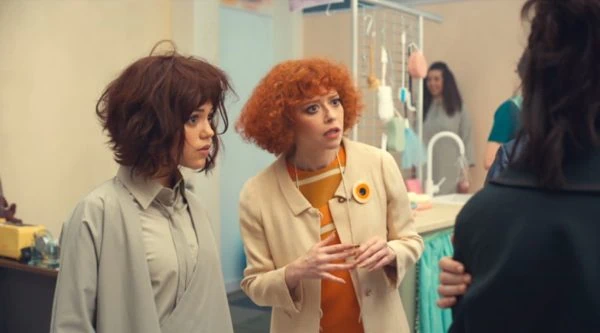
When the project was first announced, producers championed the pairing of Kazuo Ishiguro’s visionary narrative with Taika Waititi’s distinct directorial voice, predicting that a fresh visual perspective would prevent the adaptation from falling into standard, overly somber sci-fi tropes. However, post-release reviews have challenged this premise. Critics have argued that the creative team underestimated the delicate balance required to adapt speculative fiction that relies on silence, internal monologue, and existential dread.
Speaking on the challenges of the production, reviewers have frequently defended Waititi’s comedic pedigree—acknowledging his past successes with works like Jojo Rabbit—while simultaneously drawing a hard line regarding its application here. As noted by industry analysts, the issue is not a deficiency in the filmmaker’s comedic talent, but rather a fundamental miscalibration of tone. By turning nearly every supporting character—from the store manager played by Natasha Lyonne to the genetically altered teenagers—into a vehicle for quirky humor, the production inadvertently transformed a tear-jerking, philosophical exploration of love and mortality into an uneven tragicomedy that often alienates its audience.
Future Outlook
The release of Klara and the Sun marks a significant moment in contemporary cinema’s ongoing relationship with high-profile literary adaptations and dystopian narratives. As streaming platforms and studios continue to hunt for pre-sold intellectual properties with philosophical depth, this project serves as both a cautionary tale and a subject of intense academic and critical study.
In the near term, the film’s polarizing reception is unlikely to damage the burgeoning careers of its principal cast members. Jenna Ortega continues to cement her status as a versatile generational talent capable of navigating complex physical and emotional roles, while Amy Adams and the supporting ensemble remain heavily sought-after fixtures in prestige projects.
However, the longer-term legacy of Klara and the Sun will likely be defined by the "what-ifs." It stands as a stark reminder of the perils of authorial imprint—demonstrating how an auteur’s unmistakable signature can sometimes overwhelm the delicate atmospheric requirements of source material. For future filmmakers looking to adapt quiet, existential speculative fiction, the film will undoubtedly serve as a critical reference point on the delicate balancing act between commercial stylistic branding and the uncompromising emotional truth of the written page.



Belum ada komentar. Jadilah yang pertama berkomentar!