

Executive Overview
In an era dominated by live-service giants, microtransactions, and high-budget franchise sequels, independent developers continue to serve as the beating heart of genuine creative innovation in the video game industry. Recognizing this vital ecosystem, Apple has officially kicked off its annual “Indie Games Week” celebration on the iOS App Store.
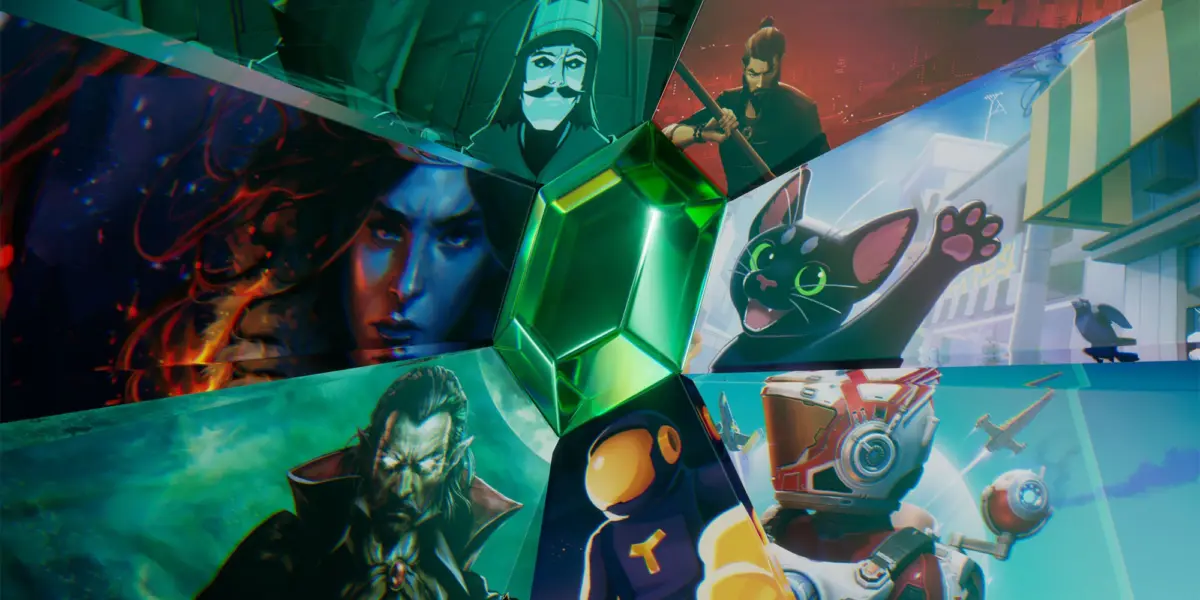
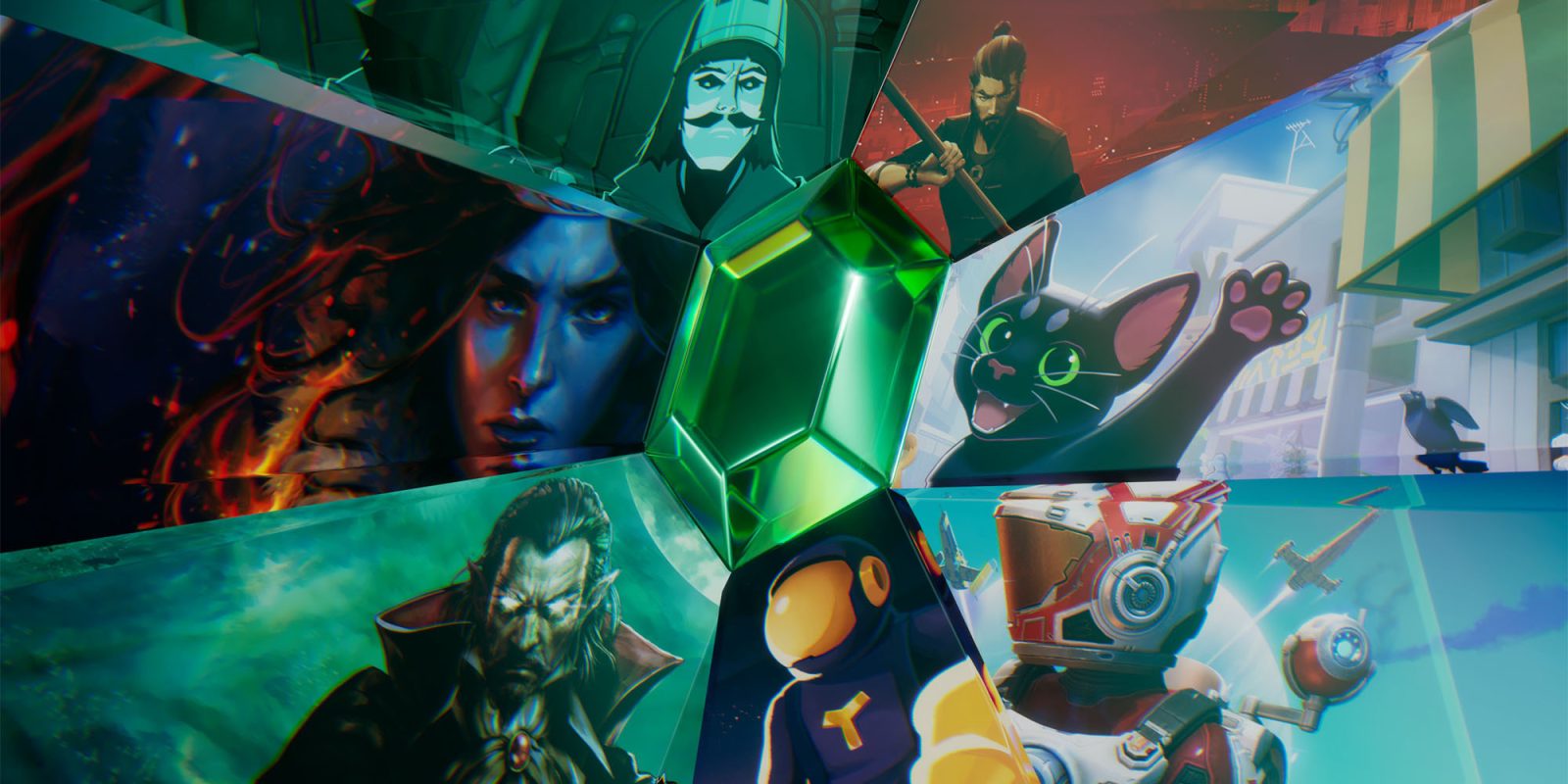
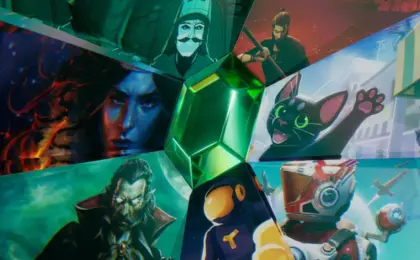
The week-long event places a global spotlight on a curated selection of breakout titles—highlighting seven remarkable new and upcoming games that push the boundaries of storytelling, visual artistry, and mechanical design on mobile devices. Designed to elevate solo creators and boutique studios, Indie Games Week acts as a powerful reminder of the App Store’s capacity to turn daring, unconventional visions into worldwide phenomena.
According to Apple, this year’s highlighted titles exemplify the very best of what independent developers bring to the table: immersive narratives, stunning art styles, and mechanics that refuse to play it safe. As mobile hardware becomes increasingly capable—boasting console-quality processing power, advanced ray tracing, and seamless controller integration—indie developers are utilizing Apple silicon to deliver experiences that rival traditional gaming platforms.
Detailed Chronology: The Evolution of Indie Support on the App Store
To understand the significance of Indie Games Week, it is necessary to examine how Apple’s relationship with independent developers has evolved over the nearly two decades since the App Store’s inception in 2008.
Phase 1: The Wild West of Early Mobile Gaming (2008–2012)
In the early days of the App Store, the marketplace operated much like a gold rush. Simple, touch-based novelties dominated the charts. While breakout indie hits like Angry Birds and Cut the Rope proved that independent studios could achieve astronomical success, the ecosystem lacked curation for niche, art-house, or narrative-driven games. Discoverability was a major hurdle for developers who didn’t have massive marketing budgets.
Phase 2: The Curation Era and the Birth of Apple Arcade (2013–2019)
Recognizing that the App Store risked drowning in low-effort clones, Apple overhauled its editorial approach. The tech giant introduced a redesigned App Store in iOS 11, placing human-curated stories, developer spotlights, and "Game of the Day" features front and center. This shift was monumental for indie developers, who suddenly had a fighting chance to have their work showcased to millions of users without spending a dime on ad acquisition.
By 2019, Apple doubled down on this commitment by launching Apple Arcade, a subscription service explicitly designed to champion ad-free, premium indie and family-friendly games free from in-app purchases.
Phase 3: Hardware Evolution and Modern Showcases (2020–Present)
Today, mobile hardware has fundamentally transformed. With devices like the iPhone 15 Pro and iPhone 16 Pro running AAA console ports like Resident Evil and Death Stranding, the line between mobile and traditional gaming has blurred. However, Apple has maintained that indie games remain the vanguard of pure gameplay innovation. Events like Indie Games Week have become institutionalized moments on the calendar, serving to cut through the noise of the modern digital marketplace and celebrate the artisans of software development.
Supporting Context & Metrics: The State of Independent Mobile Gaming
The indie gaming market is currently experiencing a golden age, but navigating the digital storefronts has never been more challenging. Understanding the economics and demographics of mobile indie development provides crucial context for why Apple’s promotional pushes are so vital.
The Discoverability Dilemma
With millions of applications available on the App Store, discoverability is the single greatest threat to independent studios. Unlike major publishers—such as Electronic Arts, Tencent, or Activision—indie developers rarely possess the capital to run multi-million-dollar user acquisition campaigns. Organic reach, word-of-mouth, and editorial promotion are often the only lifelines a small studio has.
When Apple features a game during events like Indie Games Week, the impact can be life-changing for a small studio. Historically, a feature on the App Store’s Today tab can result in:
- An exponential spike in downloads: Featured titles frequently see traffic increases ranging from 300% to over 1,000% during their promotional window.
- Enhanced investor and publisher confidence: Being hand-picked by Apple validates a game’s quality, making it easier for indie developers to secure future funding or port deals.
- Community momentum: Editorial placement helps cultivate a dedicated player base that converts into long-term advocates for the studio’s future projects.
The Power of Apple Silicon
From a technical standpoint, mobile chips have outpaced expectations. Apple’s custom silicon (ranging from the A-series chips in iPhones to M-series processors in iPads and Macs) provides exceptional graphical fidelity and energy efficiency. Independent developers are uniquely positioned to take advantage of these technological leaps. Unburdened by massive legacy codebases, indie studios can build games specifically tailored to leverage features like MetalFX Upscaling, ProMotion high-refresh-rate displays, and Haptic Touch feedback, creating tactile, deeply immersive experiences that feel entirely native to the Apple ecosystem.
Official Statements: Championing Creative Risk
Apple’s leadership has consistently underscored the importance of nurturing independent creators. In the official press release accompanying the launch of Indie Games Week, Carson Oliver, Apple’s head of App Store Worldwide, offered a compelling perspective on why these creators matter so much to the broader tech and gaming landscape:
"Indie games are constantly pushing the boundaries of creativity to deliver unique gameplay experiences to Apple users, and we wanted to take a moment to celebrate these games and the teams that take creative risks to push gaming forward. Whether from a solo developer or a growing studio, the App Store gives bold ideas a global stage — turning daring visions into worldwide hits. We’re thrilled with the incredible games launching on the App Store this week and amazed by their breathtaking artistry, brilliant design, and deeply moving stories."
Oliver’s comments touch upon a fundamental truth of the medium: while triple-A blockbusters provide technical benchmarks, indie games frequently provide the emotional and conceptual breakthroughs that redefine what games can achieve as an art form. By framing the App Store as a "global stage," Apple is reinforcing its positioning not merely as a digital retailer, but as a cultural patron.

Future Outlook: What Lies Ahead for Mobile Indies
As we look toward the future of the App Store and the broader mobile gaming ecosystem, several key trends are set to shape how independent developers build and distribute their games:
- Cross-Platform Parity: With the growing adoption of universal purchases and cloud saves across iOS, iPadOS, macOS, and tvOS, indie developers are increasingly building games designed to be played seamlessly across all Apple devices. A player might start a puzzle game on their iPhone during a morning commute, continue it on an iPad during lunch, and finish it on a Mac or Apple TV in the evening.
- The Rise of Spatial Computing: The introduction of visionOS and Apple Vision Pro opens an entirely new dimension for independent developers. While current indie showcases focus heavily on iPhone and iPad, the future of spatial gaming holds immense promise for indie developers willing to experiment with mixed reality, eye-tracking mechanics, and immersive spatial audio.
- Subscription vs. Premium Models: As consumer fatigue grows regarding ad-supported free-to-play titles riddled with microtransactions, services like Apple Arcade and curated premium storefronts offer a sustainable alternative. Expect to see more indie developers opting for upfront purchases or subscription integration to preserve the artistic integrity of their game design without relying on predatory monetization tactics.
Conclusion
Apple’s Indie Games Week is much more than a temporary marketing banner on the App Store; it is a vital celebration of human imagination and perseverance. Behind every indie game is a story of sleepless nights, financial risk, and unyielding creative passion—whether from a lone developer coding in a spare bedroom or a tight-knit team of visionaries sharing a cramped studio.
By providing these creators with a global megaphone, Apple helps ensure that the video game industry remains vibrant, diverse, and endlessly surprising. As mobile hardware continues to evolve, the partnership between cutting-edge technology and independent artistry will undoubtedly yield experiences that we cannot yet even begin to imagine.
Are you planning to check out any of Apple’s featured indie games on the App Store this week? Which mobile indie titles have left the biggest impression on you over the years? Let us know your thoughts in the comments below.






Belum ada komentar. Jadilah yang pertama berkomentar!