


Executive Overview
The intersection of digital illustration and physical collectible manufacturing represents one of the most dynamic, highly competitive, and rapidly growing sectors in the modern pop-culture merchandising industry. At the vanguard of this artistic movement is Mika Pikazo, a globally renowned illustrator celebrated for her vibrant color palettes, electrifying character designs, and distinctively dynamic aesthetic. Known widely for her iconic character contributions to megahit mobile franchises such as Fate/Grand Order (FGO), Pikazo has cultivated a massive, devoted international following.
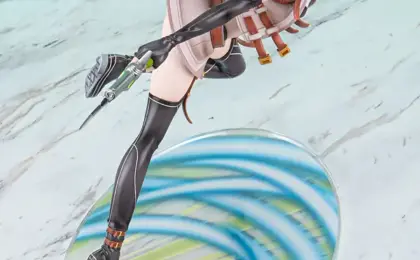
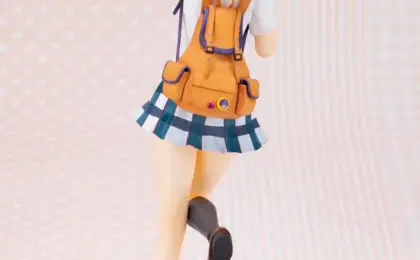
Recently, the global collector community turned its collective gaze toward a monumental announcement: the official release of a newly painted, highly anticipated Mika Pikazo completed figure. This collectible is not merely a piece of merchandise; it is a masterclass in translation, expertly bridging the gap between flat, two-dimensional digital pixels and three-dimensional tactile reality.

This comprehensive report examines the multifaceted journey of bringing Mika Pikazo’s signature artistic vision into the physical realm. Through exhaustive analysis of production methodologies, design choices, sculptural intricacies, and market reception, we explore how master sculptors and painters manage to preserve—and even elevate—the frantic energy and kaleidoscopic vibrancy characteristic of Pikazo’s universe.
Detailed Chronology: From Digital Canvas to Physical Collectible
The conceptual genesis of a figure designed by an illustrator of Mika Pikazo’s caliber requires an intricate, multi-staged process that can span well over a year from initial concept approval to final shelf-ready release.

Phase 1: Conceptualization and 2D-to-3D Adaptation
The journey begins on the digital drawing board. Mika Pikazo’s signature style relies heavily on high-contrast lighting, saturated neon highlights, complex layered hair styling, and deep emotional resonance conveyed through expressive eye designs. Translating these stylistic choices into a 3D architectural blueprint presents immediate challenges. Sculptors must interpret angles, volumes, and depth cues that exist solely in the illustrator’s 2D perspective.
During this foundational phase, close collaboration between Pikazo and the manufacturing studio’s lead sculptors is paramount. Every strand of hair, fold of fabric, and proportion of the character’s anatomy is scrutinized to ensure that the physical prototype maintains the iconic silhouette that fans fell in love with on social media and exhibition galleries.

Phase 2: Prototyping and Sculptural Refinement
Once the digital sculpt is approved, physical and digital prototyping takes center stage. Modern manufacturing employs advanced computer-aided design (CAD) software alongside high-precision 3D printing to create the initial master molds. However, machine precision alone cannot capture the organic fluidity of Pikazo’s art. Master artisans step in during the post-processing phase to hand-carve subtle anatomical shifts, enhance dynamic drapery movement, and adjust the weight distribution of the figure to ensure long-term structural integrity.
Phase 3: Color Engineering and Paint Application
Color is the heartbeat of Mika Pikazo’s work. Her trademark aesthetic utilizes a complex interplay of warm and cool tones, unexpected shadow colors (such as purples and deep blues in skin tones), and glowing translucent effects.

The painting stage is arguably the most critical juncture in the figure’s production lifecycle. Specialized paint technicians utilize a combination of airbrushing, hand-painting, and precise masking techniques to replicate Pikazo’s signature gradients. Special attention is paid to the eyes, where multi-layered pad printing brings the character’s intense, captivating gaze to life, ensuring that the figure looks equally stunning from every viewing angle.
Supporting Context & Metrics: The Rise of High-End Illustrators in Figure Collectibles
The collaboration between manufacturers and celebrated illustrators like Mika Pikazo is indicative of a broader macroeconomic shift within the figure-collecting hobby. Historically, scale figures were predominantly derived from established anime, manga, and video game intellectual properties where the 3D model was a direct translation of an existing animated model sheet.

In recent years, however, independent illustrators and original character designs have captured a massive share of the high-end collector market. Figures based on original artwork command premium prices, often outperforming traditional anime merchandise in terms of pre-order velocity and secondary market value.
Market Metrics and Consumer Demands
- Design Complexity: Modern collectors increasingly favor dynamic poses, complex bases, and intricate accessory packages over static, museum-pose statues.
- Material Evolution: The standard use of ATBC-PVC and ABS plastics allows for sharper edge definition on accessories and clothing, minimizing warping over time while maintaining durable structural support.
- The "Pikazo Effect": Merchandise featuring Mika Pikazo’s designs consistently sees heightened demand due to her prominent role in high-profile multimedia projects, vtuber character designs (such as Kaguya Luna and Hakos Baelz), and major art exhibitions. Her distinct visual branding acts as a powerful quality assurance stamp for consumers.
Official Specifications and Product Details
For collectors and enthusiasts tracking the technical dimensions and manufacturing specifics of the Mika Pikazo completed figure, the official specifications provide a clear picture of the physical artifact:

- Product Name: Mika Pikazo-chara 1st Anniversary Completed Figure (Original Title Translation / Commemorative Release)
- Scale & Height: Non-scale, approximately 150mm in height (compact yet highly detailed desktop display size).
- Materials: High-quality ATBC-PVC and ABS construction, featuring specialized translucent parts for hair and accessory elements.
- Sculpting Credits: Produced by industry-leading sculptors specializing in dynamic character representation.
- Painting & Production: Expertly painted utilizing advanced gradation and masking techniques to faithfully capture the illustrator’s vivid palette.
- Release Information: Distributed via major hobby retailers, including exclusive pre-order windows on platforms like AmiAmi.
Future Outlook: The Evolution of Illustrator-Driven Collectibles
As manufacturing technologies continue to advance—incorporating more sophisticated UV-reactive paints, eco-friendly material composites, and increasingly precise 3D-scanning capabilities—the boundary between illustration and sculpture will continue to blur.
The success of the Mika Pikazo completed figure sets a high watermark for future collaborations between digital artists and physical manufacturers. It proves that collectors are no longer satisfied with passive representations of their favorite characters; they demand physical manifestations of an artist’s soul, captured in vibrant color and flawless sculptural execution.

For both dedicated fans of Mika Pikazo and general collectors of high-end figures, this release stands as a testament to what is possible when visionary art meets uncompromising manufacturing excellence. As the market looks toward the horizon, one thing remains certain: the era of illustrator-driven collectibles has only just begun, and the future is brilliantly, blindingly bright.






Belum ada komentar. Jadilah yang pertama berkomentar!