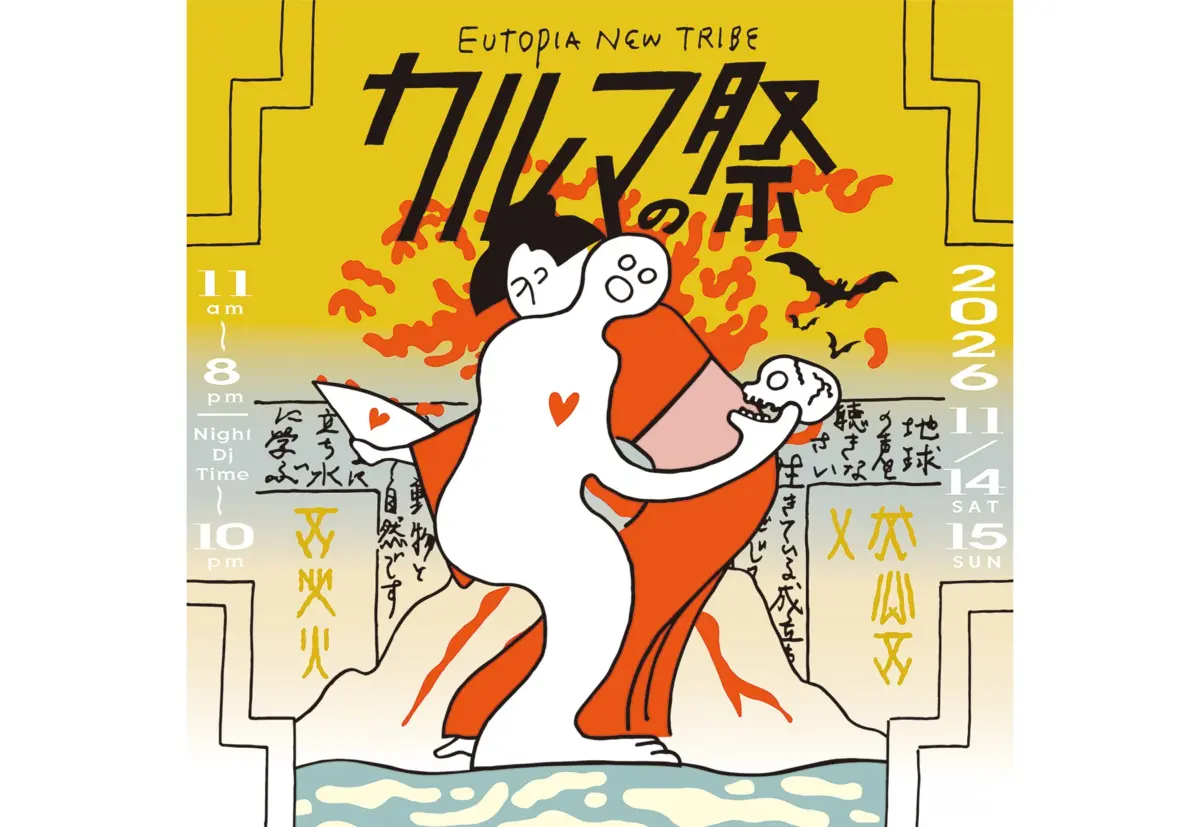
The intersection of contemporary art, independent design, and immersive community placemaking finds a vibrant new home this autumn as the art brand CALMA, spearheaded by visionary creator Ryo Okamoto, mounts its premier annual showcase. Entitled «カルマの祭 2026» (The Festival of Karma 2026), the highly anticipated multidisciplinary event is scheduled for November 14 and 15, 2026. Set against the breathtaking natural topography of "ON THE HILL"—a premier architectural and scenic landmark situated in Kakogawa City, Hyogo Prefecture—the two-day festival promises to upend conventional expectations of regional contemporary exhibitions.
By fusing avant-garde visual arts, spatial design, acoustic soundscapes, and curated culinary arts, CALMA aims to transform the rolling hills of Hyogo into a living, breathing canvas. The event underscores a broader cultural shift within Japan’s regional creative economies, proving that world-class artistic interventions are no longer the exclusive purview of metropolitan hubs like Tokyo or Osaka. Instead, destinations like Kakogawa are rapidly evolving into incubators for experimental expression, sustainable lifestyle design, and boundary-pushing communal gatherings.
Detailed Chronology & Event Blueprint
The 2026 edition of the CALMA Festival builds meticulously upon the conceptual framework established during its critically acclaimed predecessor. Spanning two intensive days, the schedule has been carefully calibrated to balance daytime contemplative exploration with nocturnal sonic immersion.
Day One: Saturday, November 14, 2026
10:00 AM – Gates Open: Visitors arrive at the expansive "ON THE HILL" grounds, greeted by site-specific architectural installations and environmental sculptures curated by Ryo Okamoto and invited collaborators.
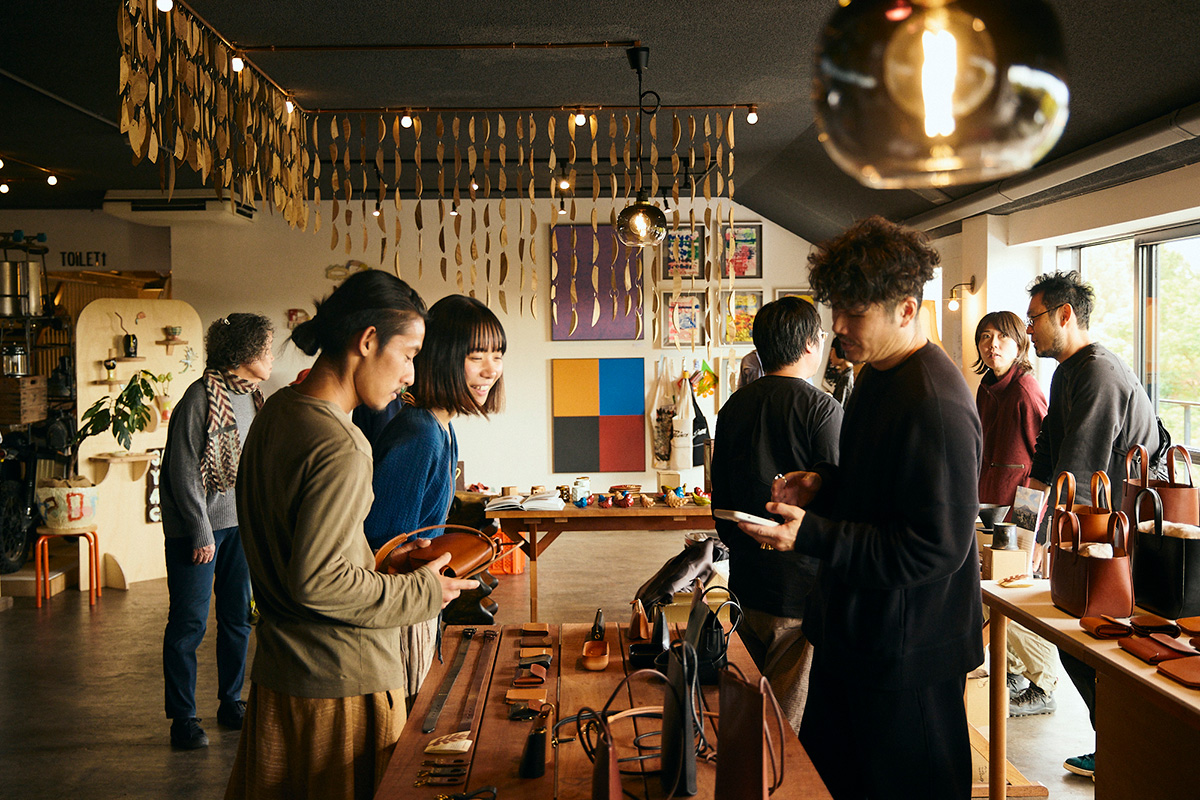
11:00 AM – 5:00 PM – Immersive Exhibitions: Daytime programming features multi-sensory art installations, pop-up design boutiques, and collaborative workshops. Attendees are invited to wander through open-air galleries that intentionally dissolve the boundaries between natural topography and human-made artifacts.
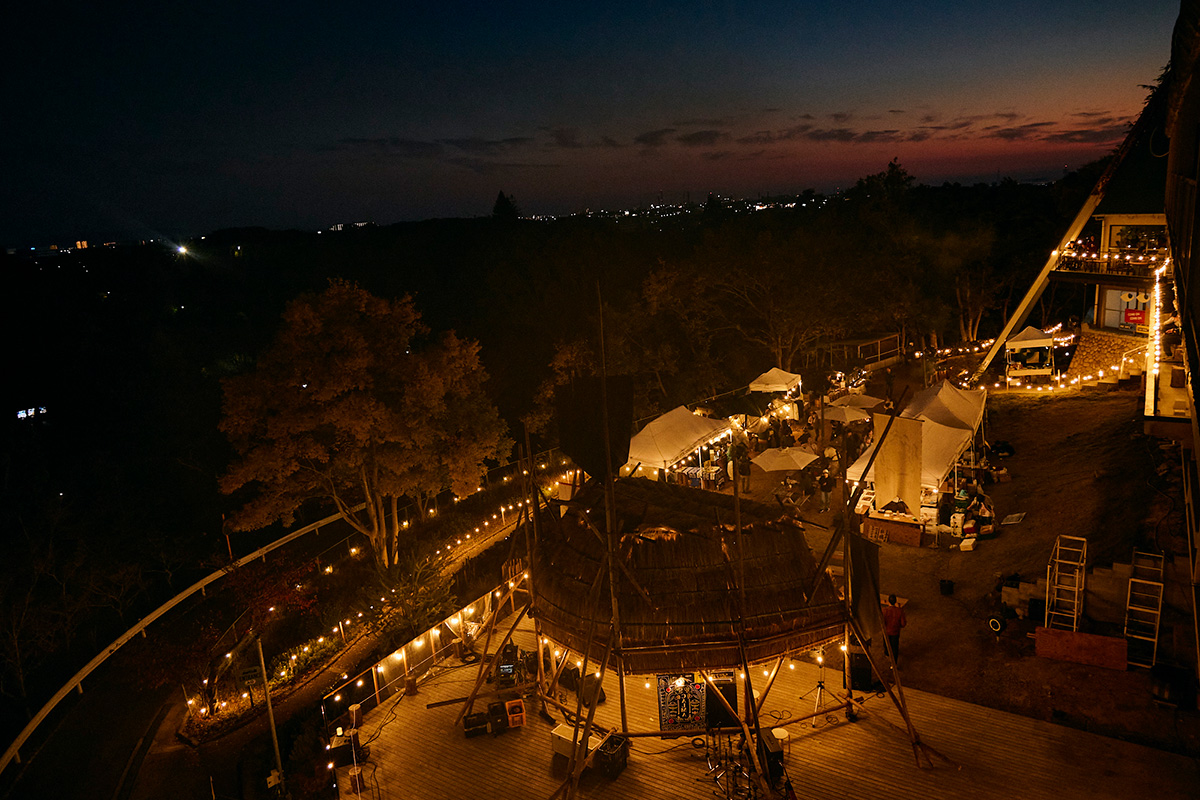
5:00 PM – 8:00 PM – Sunset Transition: As the sun dips behind the Hyogo skyline, the festival shifts gears. Ambient soundscapes envelop the grounds, preparing visitors for the nocturnal shift while offering a curated selection of artisanal foods and local beverages.
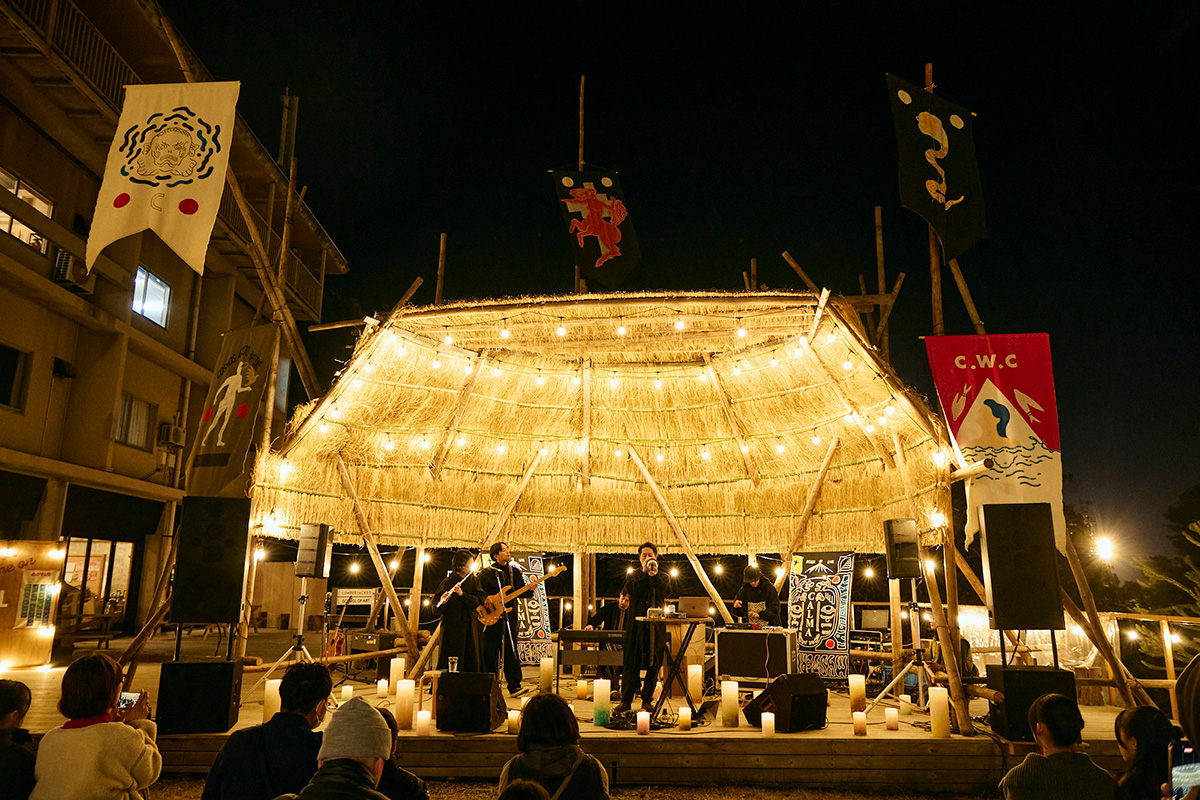
8:00 PM – 10:00 PM – The Night Session (DJ & BAR): The atmosphere electrifies as "ON THE HILL" transforms into an open-air lounge. Acclaimed selectors and sound artists take over the decks, anchoring an intimate night bar experience under the stars.
Day Two: Sunday, November 15, 2026
10:00 AM – Grounds Reopen: A fresh wave of visitors returns for Sunday programming, which includes artist-led panel discussions, interactive design showcases, and live sonic performances.
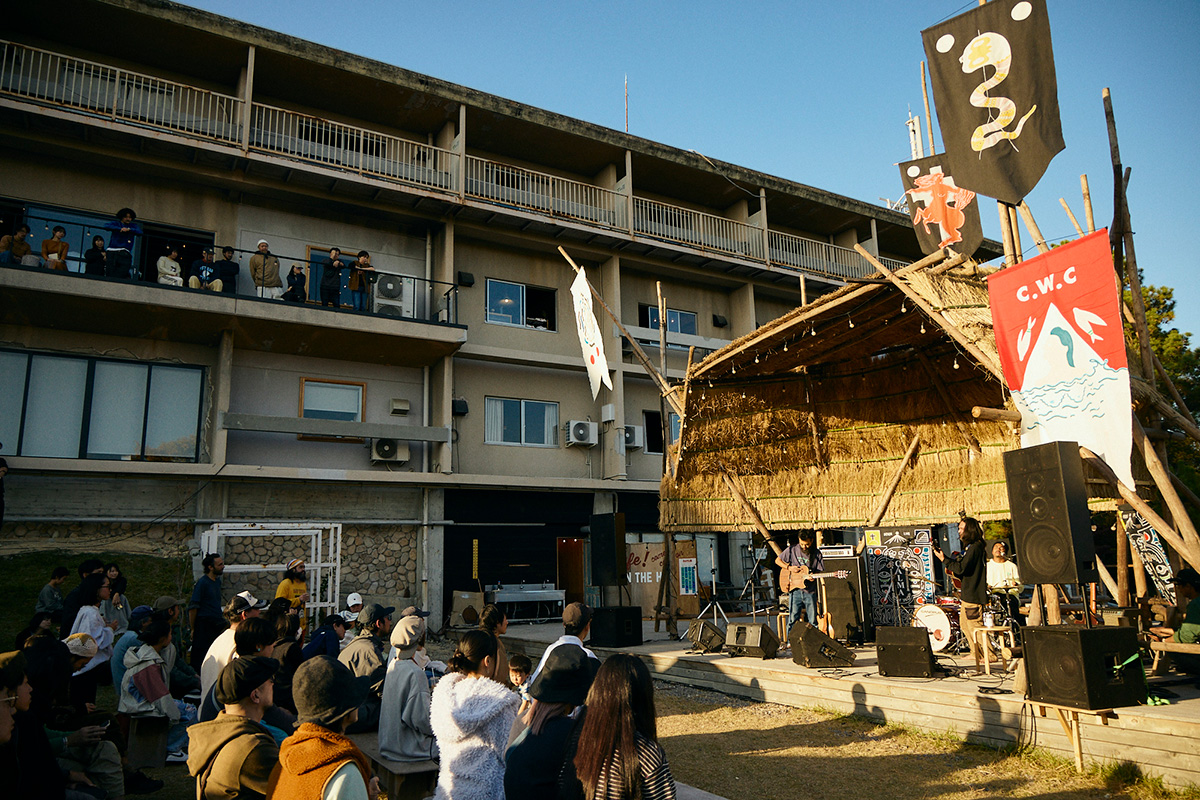
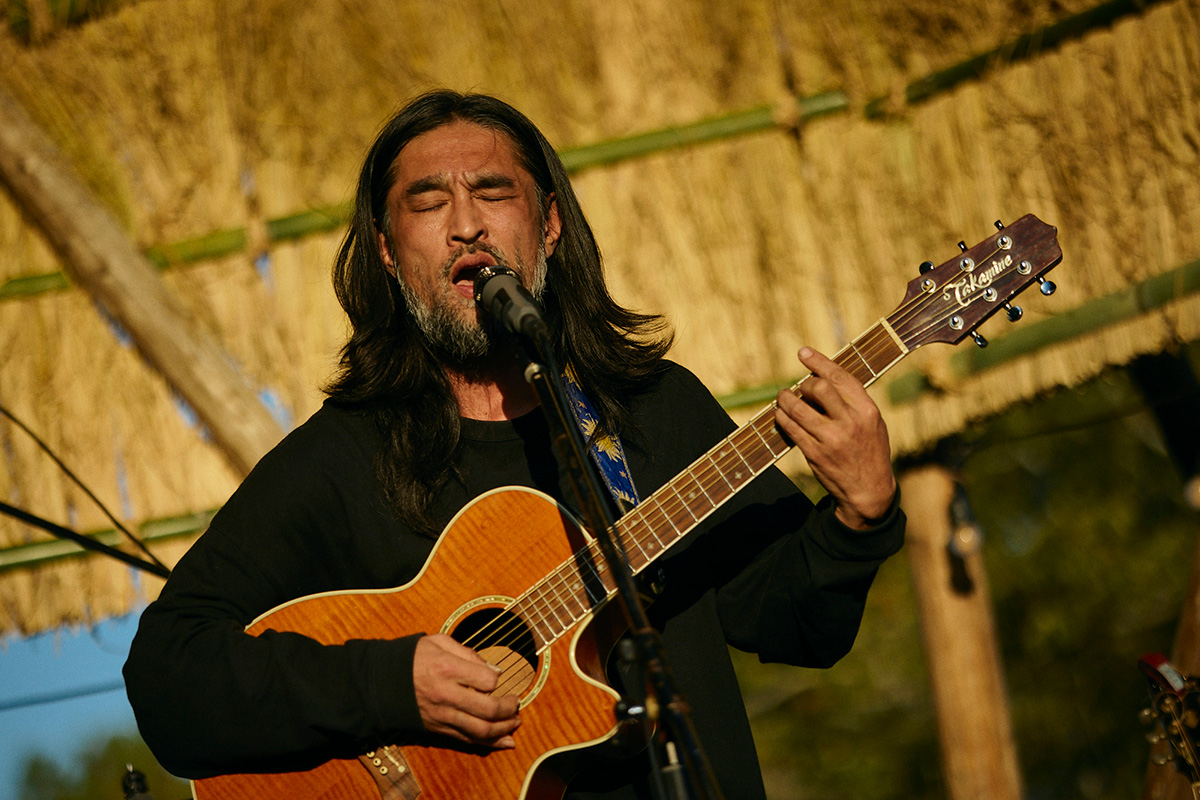
1:00 PM – 4:00 PM – Featured Live Performances: Afternoon sets by pioneering musical acts anchor the day’s cultural offerings, creating a dynamic interplay between live instrumentation and the surrounding environmental art.
8:00 PM – 10:00 PM – Grand Finale Night Session: The festival concludes with a final collaborative DJ and bar session, leaving attendees with lasting impressions of sound, space, and community.
Supporting Context & Artistic Metrics
To fully understand the weight of The Festival of Karma 2026, one must examine the multidisciplinary ethos of CALMA as a brand. Ryo Okamoto has consistently positioned CALMA not merely as an art label, but as an ecosystem of lifestyle design. The 2026 iteration scales up its operational footprint significantly compared to previous years, incorporating over 50 distinct creative entities, independent designers, spatial planners, and sonic architects.
The Venue: ON THE HILL
The choice of "ON THE HILL" in Kakogawa City is far from arbitrary. Perched atop an elevation that commands panoramic views of the surrounding valley, the venue offers a masterclass in modern spatial design. Its minimalist architecture, characterized by expansive glass panes, exposed concrete, and harmonious integration with the natural landscape, provides a pristine backdrop for avant-garde installations. The site’s inherent spatial acoustics and multi-tiered layout allow for a seamless transition between the contemplative silence of daytime gallery viewing and the vibrant pulse of nighttime soundscapes.
A Curated Lineup of Sonic and Visual Innovators
The 2026 roster reads as a definitive who’s-who of Japan’s underground and experimental cultural vanguard. Headlining the musical and sonic curation are:
Ichiko Aoba with HIMI: Known for her ethereal folk stylings and haunting vocal delivery, Aoba’s collaboration with contemporary singer-songwriter HIMI promises an unforgettable acoustic journey.
THG, HIMI & Manaw: A collaborative unit pushing the boundaries of contemporary R&B, ambient pop, and acoustic instrumentation.
SOFT: Renowned for their hypnotic, genre-defying grooves that bridge dub, ambient, and psychedelic electronica.
DJ KENSEI: A legendary figure in Japan’s hip-hop and eclectic vinyl culture, bringing decades of crate-digging mastery to the night sessions.
And a carefully curated roster of emerging artists and selectors who represent the bleeding edge of domestic independent music.
Official Statements and Curatorial Vision
While the physical manifestations of the festival are striking, the philosophical underpinning of CALMA remains its most compelling asset. In promotional statements released ahead of the November event, the creative collective emphasized the festival’s role as a sanctuary for tactile, human-centric experiences in an increasingly digitized world.
"We live in an era dominated by transient digital stimuli," notes the editorial board at CINRA, covering the event’s developmental trajectory. "CALMA’s festival acts as a deliberate antidote. By anchoring art, music, and design within the physical topography of the earth—specifically within the sweeping landscapes of Kakogawa—the event forces us to slow down, to touch, to listen, and to reconnect with physical space and communal presence."
Ryo Okamoto’s curation philosophy relies heavily on the concept of shizukeshi (tranquility) juxtaposed against visceral emotional impact. The installations are deliberately designed to be touched, inhabited, and experienced dynamically rather than viewed from behind a velvet rope. This democratization of high art ensures that seasoned collectors and first-time festival-goers alike find equal footing within the experience.
Future Outlook and Regional Impact
The economic and cultural implications for Kakogawa City and the broader Kansai region cannot be overstated. As regional municipalities increasingly look toward cultural tourism and creative placemaking to stimulate local economies, the CALMA Festival serves as a gold standard for sustainable, high-value event production.
By drawing international and domestic design tourists to Hyogo Prefecture, the event bolsters local hospitality, artisanal food producers, and regional transport infrastructure. Furthermore, it establishes Kakogawa as a forward-thinking canvas for contemporary Japanese creativity—a place where the old-world serenity of regional landscapes meets the cutting edge of global art and design.
As preparations finalize for the November 14–15, 2026 dates, anticipation continues to swell across design circles, architectural forums, and underground music communities. For those seeking to witness the vanguard of Japanese creative culture in an environment that honors both nature and human ingenuity, The Festival of Karma 2026 stands as an unmissable destination on the global cultural calendar.
For continuous updates, ticketing information, and artist schedules, visitors are encouraged to monitor the official CALMA Instagram channel (@calma.rt) and associated cultural features.











Belum ada komentar. Jadilah yang pertama berkomentar!