

Executive Overview
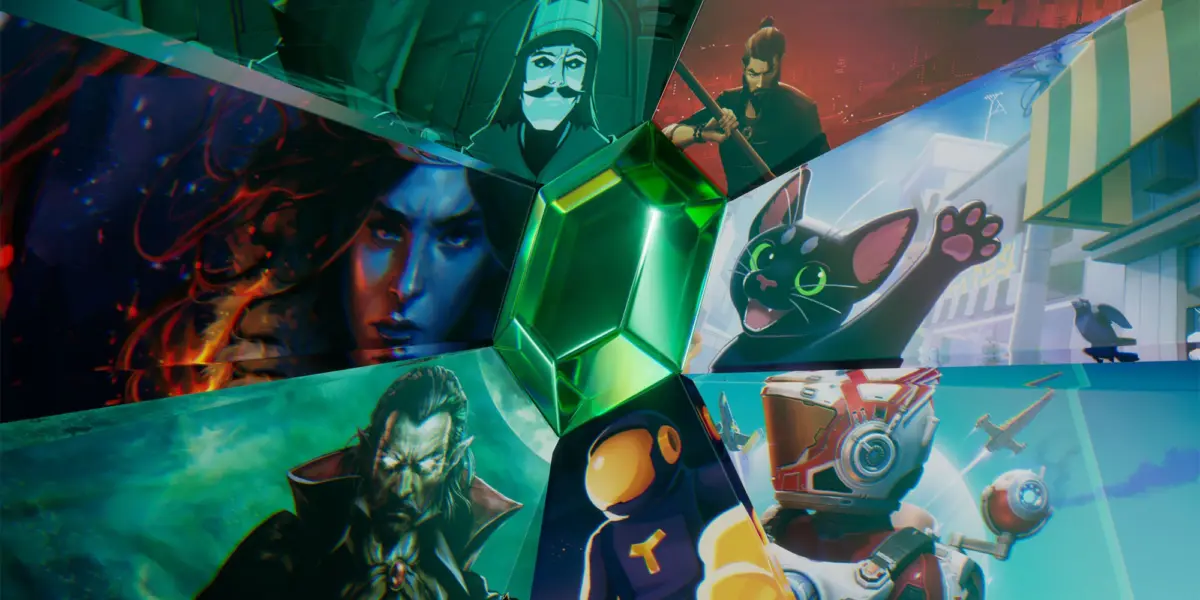
In an era dominated by high-budget, triple-A mega-productions and live-service behemoths, independent developers continue to serve as the beating heart of genuine gaming innovation. Recognizing this vital ecosystem, Apple has officially kicked off its annual “Indie Games Week” celebration on the App Store. The week-long showcase is designed to put a global spotlight on fresh, daring, and creatively ambitious titles that have recently launched or are slated to debut on iOS devices in the near future.
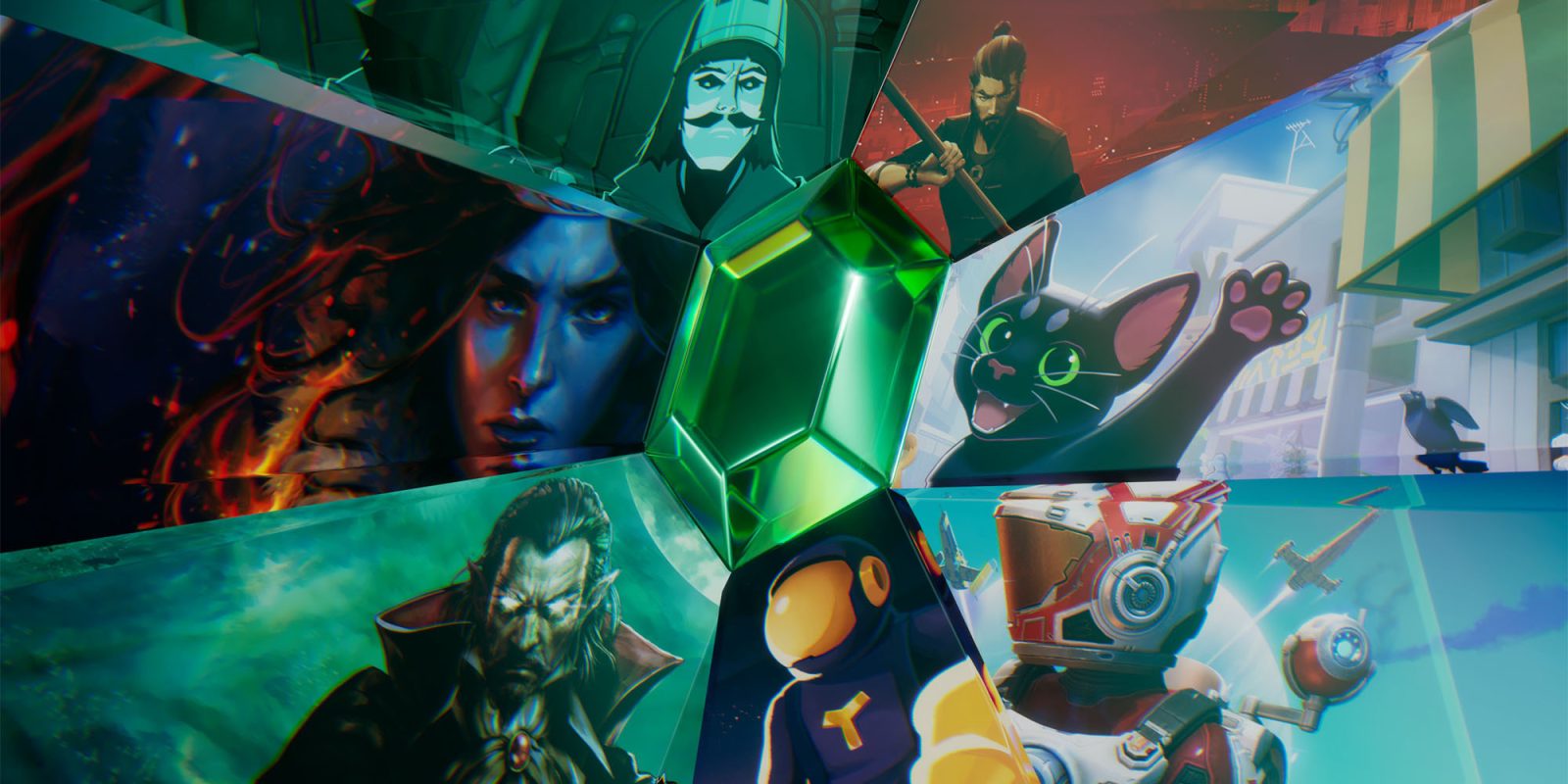
By dedicating prime real estate on the App Store’s front page, Apple aims to bridge the visibility gap that often plagues smaller development teams. The spotlight highlights seven standout titles, showcasing a diverse array of mechanics, artistic visions, and narrative depths that prove mobile devices are powerful canvases for boundary-pushing interactive entertainment.
This year’s celebration underscores Apple’s ongoing commitment to cultivating independent talent, offering a launchpad where solo developers and small studios can scale their visions to a global audience of millions. As mobile hardware increasingly matches and exceeds the capabilities of traditional gaming platforms—bolstered by advanced silicon, high-refresh-rate displays, and robust controller support—the boundary between "mobile gaming" and "console gaming" continues to blur, making indie titles on iOS more compelling than ever.
Detailed Chronology: The Evolution of Indie Recognition on iOS
To truly understand the significance of Indie Games Week, it is necessary to examine how Apple’s relationship with independent developers has evolved since the inception of the App Store.
The Early Days (2008–2014): The Wild West of Mobile Gaming
When the App Store first opened its digital doors in 2008, it revolutionized software distribution. For indie developers, it offered an unprecedented direct line to consumers, bypassing traditional physical retail barriers. However, discoverability was an immediate challenge. Early hits like FlightControl and Doodle Jump proved that simple, addictive mechanics could capture the public imagination, but many brilliant narrative and artistic games were drowned out by floods of low-effort clones.
The Curated Renaissance (2015–2020): Editorial Focus and Apple Arcade
Realizing that sheer volume was harming the ecosystem, Apple overhauled the App Store in 2017, introducing a human-curated "Today" tab designed to tell the stories behind the apps. This pivot was a massive win for independent developers, who finally had a dedicated editorial voice advocating for their artistic risks.
In 2019, Apple doubled down on this ethos with the launch of Apple Arcade. By offering a curated subscription service free of ads and in-app purchases, Apple provided indie studios with predictable funding and creative freedom, allowing games like Oceanhorn 2, Sayonara Wild Hearts, and Sneaky Sasquatch to flourish without chasing monetization trends.
The Modern Era (2021–Present): High-Fidelity Indie Convergence
Today, Apple Silicon (such as the A-series Pro chips and M-series processors found in iPads and Macs) has turned Apple devices into formidable gaming powerhouses capable of running complex physics engines, ray tracing, and sprawling open worlds. The modern indie landscape on iOS is no longer limited to simple 2D puzzle games; it encompasses rich 3D narratives, complex strategy roguelikes, and emotionally resonant interactive art pieces. Indie Games Week 2026 acts as a testament to this maturation, celebrating games that challenge what a mobile game can look, sound, and feel like.
Supporting Context & Metrics: The Economic and Cultural Impact of Indie Development
The decision by tech giants like Apple to champion independent developers is backed by profound economic and cultural shifts within the global gaming industry.
The Rise of the Solo Developer and Micro-Studios
According to industry market data, the indie games sector now accounts for a massive percentage of total software revenue across all digital storefronts. On mobile specifically, players are increasingly fatigued by aggressive microtransactions and predatory monetization loops. This has created a massive consumer appetite for "buy-to-play" or premium indie games that offer complete, self-contained experiences.
Solo developers and micro-studios (teams of fewer than ten people) have capitalized on this shift. Unburdened by the bureaucratic bloat of major publishers, these creators can pivot quickly, take immense artistic gambles, and inject deeply personal perspectives into their work. Whether tackling themes of mental health, systemic grief, or abstract existentialism, indie games frequently venture into territories that corporate boardrooms deem too risky.
The App Store as a Global Equalizer
The modern App Store reaches users in over 175 countries, translating to an unparalleled distribution network for creators working out of home offices, garages, or small rented studios across the globe. By featuring these titles during Indie Games Week, Apple essentially hands these small teams a multi-million-dollar marketing campaign.
Data from previous promotional weeks indicates that featured indie titles routinely experience massive spikes in downloads, often catapulting previously unknown games to the top of the paid and free charts. This financial windfall frequently secures the runway these studios need to fund their next creative endeavors, ensuring a sustainable cycle of independent innovation.
Official Statements: The Vision Behind the Spotlight
To articulate the philosophy driving this week’s festivities, Apple released official commentary detailing the importance of creative risk-taking within the software ecosystem.
Carson Oliver, Apple’s head of App Store Worldwide, encapsulated the company’s ethos in a glowing press statement released alongside the announcement:
"Indie games are constantly pushing the boundaries of creativity to deliver unique gameplay experiences to Apple users, and we wanted to take a moment to celebrate these games and the teams that take creative risks to push gaming forward. Whether from a solo developer or a growing studio, the App Store gives bold ideas a global stage — turning daring visions into worldwide hits. We’re thrilled with the incredible games launching on the App Store this week and amazed by their breathtaking artistry, brilliant design, and deeply moving stories."
Industry analysts have praised this sentiment, noting that active platform-holder support is vital for maintaining a healthy industry. Without deliberate curation and promotional backing, truly innovative titles risk being swallowed by algorithmic noise. Oliver’s comments signal that Apple understands its role not just as a utility provider, but as a cultural curator responsible for fostering digital art.
Future Outlook: Where is Mobile Indie Gaming Heading?
As we look toward the horizon of interactive entertainment, the intersection of indie development and Apple’s hardware ecosystem points toward an exceptionally bright future.

Cross-Platform Play and Universal Ecosystems
With the continued integration of Apple’s platforms—where games can seamlessly transition between iPhone, iPad, Mac, and Apple TV via iCloud saves and universal purchase models—indie developers have an unprecedented opportunity. A player can start a complex indie puzzle-platformer on their iPhone during their morning commute, pick up right where they left off on an iPad during lunch, and finish the session on a Mac hooked up to a 4K monitor and a wireless controller in the evening. This ecosystem fluidity is a massive competitive advantage for iOS developers.
Emerging Technologies: Spatial Computing and AI
Looking further ahead, the integration of spatial computing via visionOS and advanced machine learning tools opens up entirely new design paradigms for indie creators. While traditional touchscreens and game controllers remain the primary input methods for the titles featured during this week’s celebration, forward-thinking developers are already experimenting with augmented and mixed-reality environments. Indie studios, known for their agility, are ideally positioned to pioneer these new mediums before major triple-A publishers commit resources to them.
Community Engagement and the Path Forward
Ultimately, the success of Indie Games Week relies heavily on consumer engagement. By exploring these seven featured titles, leaving reviews, and spreading word-of-mouth recommendations, players become active participants in the indie development lifecycle.
As Apple continues to refine its curation strategies and hardware capabilities, the App Store remains one of the most exciting frontiers for independent art. Whether you are a casual player looking for a clever puzzle to pass the time or a hardcore enthusiast seeking a moving narrative adventure, this week’s lineup proves that the most daring and innovative ideas in gaming are frequently born from the smallest teams.
Are you planning to check out any of Apple’s featured indie games this week? Have you discovered a hidden gem on the App Store recently? Let us know your thoughts and recommendations in the comments below!






Belum ada komentar. Jadilah yang pertama berkomentar!