

Executive Overview
Chiba Prefecture—traditionally viewed by international travelers as little more than the transit corridor connecting Narita International Airport to Tokyo—is quietly undergoing a profound culinary renaissance. Beyond its sprawling urbanized fringes and commuter towns lies a deeply agrarian and maritime landscape. Here, centuries-old foodways intersect with modern, hyper-localized agricultural philosophies.
From the historic, canal-lined merchant district of Sawara in Katori City to the wave-swept cliffs of Cape Gyoubu, Chiba offers an undiscovered treasure trove of regional gastronomy. This article investigates the prefecture’s premier culinary destinations, examining the terroir, generational craftsmanship, and ethical farming practices that define Chiba’s contemporary food scene. Whether savoring a three-century-old Kanto-style eel recipe, indulging in a velvety sweet potato cappuccino within a preserved Edo-period streetscape, or sampling wild oysters and summer sardines overlooking the Pacific Ocean, travelers will find that Chiba’s table is as rich and layered as its history.
Detailed Chronology and Regional Itinerary
To truly understand Chiba’s culinary ecosystem, one must trace a geographic and historical arc that spans from the volcanic ash fields of the interior to the nutrient-rich tidal currents of the Pacific coast.
The Historic Heart of Katori and Sawara
The journey begins in Katori City, specifically within the historic district of Sawara. Often referred to as "Little Edo" (Ko-Edo), Sawara prospered during the Edo period (1603–1867) as a vital inland shipping port for rice destined for Tokyo (then Edo). Today, historic merchant houses, sake breweries, and traditional timber-framed storefronts line the Ono River, creating a living museum that attracts history buffs and food lovers alike.

It is within this preserved urban fabric that two pillars of Chiba’s modern food culture reside:
- Unagi Kappo Yamada, a legendary eel restaurant tracing its lineage back more than 300 years.
- Cafe Netaimo, a contemporary outpost redefining the region’s historic sweet potato harvest through innovative modern beverages.
The Interior Farmlands: The Romance Pork Research Institute
Venturing deeper into Chiba’s agricultural interior reveals a radically different approach to livestock production. Here, away from the bustling tourist paths, independent agricultural visionaries are challenging conventional factory farming. The Romance Pork Research Institute (Koisuru Buta Kenkyujo) stands as a solitary beacon of sustainable, ethical animal husbandry in the prefecture. By focusing exclusively on the psychological and physical well-being of their livestock, these farmers have cultivated a cult-status regional delicacy that cannot be found anywhere else in Japan.

The Coastal Fringe: Country House Tsubaki
Concluding the gastronomic tour at the prefecture’s eastern edge, travelers arrive near Cape Gyoubu. Here, the geography shifts dramatically from quiet canals and rolling fields to soaring ocean cliffs battered by sea winds. In this maritime microclimate, restaurants like Country House Tsubaki capitalize on the convergence of cold and warm ocean currents, serving up peak-season seafood—specifically summer sardines and succulent Pacific oysters—against panoramic backdrops of the Pacific Ocean.
Supporting Context, Agricultural Metrics, and Terroir
Chiba Prefecture’s remarkable culinary output is no accident of geography; it is the direct result of unique soil compositions, marine currents, and deliberate socio-economic restraint by local producers.

The Volcanic Ash Soils of Katori City
Ranked second in nationwide sweet potato production—second only to the agricultural powerhouse of Kagoshima Prefecture—Chiba benefits immensely from its geological makeup. Katori City, in particular, is characterized by deep, well-draining volcanic ash soil (Kanto loam). This porous earth prevents waterlogging while retaining essential minerals, creating the optimal underground environment for root vegetables to accumulate natural sugars.
The star cultivar of this region is the Beni Haruka, celebrated for its exceptionally smooth texture and high sugar content. When roasted slowly, the starches within the potato break down into maltose, yielding a natural sweetness that rivals artisanal confectionery.

The Rarity Economics of "Koisuru Buta" (Pork in Love)
While commercial pork production across Japan relies heavily on standardized, multi-breed crosses (Sangenbuta) raised in high-density environments, Chiba’s Koisuru Buta operates on an entirely different economic and ethical paradigm.
The farm’s philosophy posits that stress-free livestock develop superior intramuscular fat distribution. By deliberately capping production and refusing to scale operations or franchise their model, the farm maintains absolute quality control. This deliberate restriction transforms the pork from a standard commodity into an ultra-rare regional specialty, making a physical journey to Chiba the sole means of experiencing its nuanced flavor profile.

Marine Convergence: The Pacific Fisheries of Chiba
Chiba’s coastline is shaped by the collision of the warm Kuroshio Current from the south and the cold Oyashio Current from the north. This dynamic mixing zone generates an exceptionally rich marine food web. Sardines (iwashi) thrive in these waters during the early summer months (May through July), while oysters reach peak plumpness and glycogen accumulation between June and August. Visiting in June offers a fleeting, perfect culinary window where both distinct marine harvests overlap in prime condition.
Culinary Spotlights & Expert Tasting Notes
1. Koisuru Buta: The Philosophy of Ethical Fat
- The Specialty: Koisuru Buta (Pork in Love).
- The Experience: Unlike conventional pork, which often carries a gamey or heavy aroma due to intensive feeding regimens, Koisuru Buta fat is pristine, delicate, and subtly sweet.
- Gastronomic Advice: Local chefs strongly advise against deep-frying this meat into tonkatsu, as high-heat breaded frying renders out the prized, clean-tasting intramuscular fats that give the meat its signature melt-in-the-mouth quality. Instead, diners should experience the meat via gentle shabu-shabu hot pot, light steaming, or a precise two-stage pan-searing method (crisping both sides over high heat before finishing gently over low heat). Artisanal sausages and cured hams produced on-site are equally mandatory orders.
2. Cafe Netaimo: The Sweet Potato Revolution
- The Specialty: The IMO PPUCCINO.
- The Experience: Located roughly a 10-minute walk from Sawara Station, Cafe Netaimo bridges the gap between historical preservation and modern youth culture. Their signature creation, the IMO PPUCCINO, is a decadent, thick, and velvety dessert drink crafted from locally harvested, slow-roasted Beni Haruka sweet potatoes, served in either Kuromitsu (black sugar syrup) or rich Chocolate variations.
- Accessibility: Easily accessible via a 1.5-hour train journey from central Tokyo, Sawara serves as an ideal day trip or a tranquil overnight stop for travelers bound for or arriving from Narita International Airport.
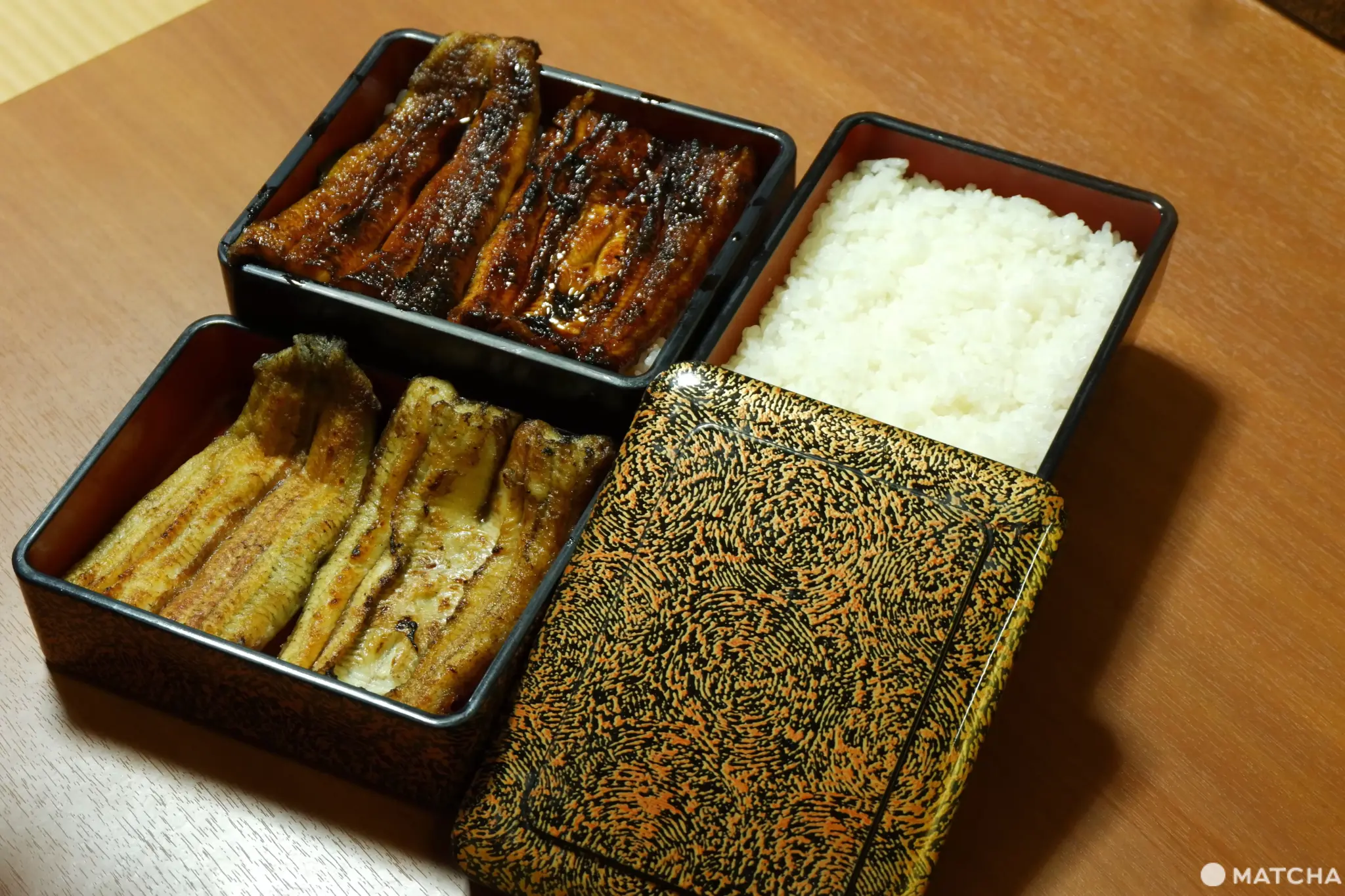
3. Unagi Kappo Yamada: Three Centuries of Charcoal Craft
- The Specialty: Kanto-style grilled eel (Unagi).
- The Experience: Operating for over 300 years in Katori City, Unagi Kappo Yamada commands legendary status among Japanese eel connoisseurs. Because the establishment does not accept reservations and lines form rapidly upon opening, a weekday pilgrimage is strongly recommended.
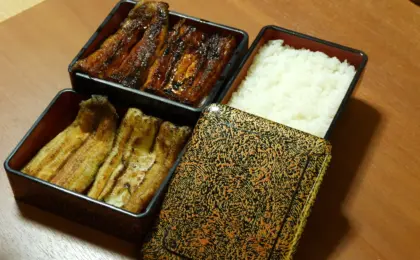
- The Technique: While standard Kanto preparation involves grilling un-marinated eel, steaming it to strip excess fat, and repeatedly dipping it in tare sauce while finishing over heat, Yamada employs a proprietary innovation. Rather than using artificial steam chambers, the plain-grilled eel is sealed inside a traditional wooden box, utilizing its own residual heat to tenderize the flesh. The eel is then finished over premium Kishu Binchotan charcoal, yielding a smoky exterior and an interior texture akin to custard. Adventurous diners can also sample rare grilled eel liver skewers.
4. Country House Tsubaki: Coastal Bounty at Cape Gyoubu
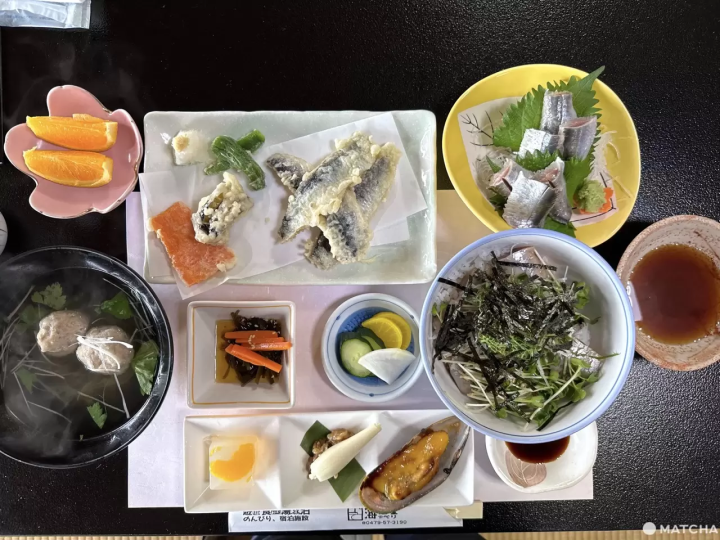
- The Specialty: Peak-season summer sardines and Pacific oysters.
- The Experience: Perched near the dramatic heights of Cape Gyoubu, this ocean-view restaurant offers a masterclass in hyper-local seafood.
- The Highlights: Their comprehensive sardine set meals incorporate raw sashimi, crispy tempura, and savory seafood rice bowls, demonstrating the versatile culinary applications of a fish often undervalued in Western markets. The menu also features exceptionally rich yellowtail (buri) sushi, where concentrated fish oils balance the seasoned sushi rice. The restaurant’s dedication to regional marine ingredients earned it critical acclaim on the prominent Japanese culinary program Syoku no Aisaidai (Colors of Food).
Future Outlook: Sustainable Tourism and Culinary Preservation
As Japan experiences an unprecedented tourism boom, urban hubs like Tokyo, Kyoto, and Osaka face the compounding pressures of over-tourism. Simultaneously, rural prefectures like Chiba grapple with depopulation and the gradual erosion of generational farming and fishing traditions.

The future of Chiba’s culinary scene relies heavily on a delicate balancing act: embracing independent travelers through improved rail and transit connections—such as the straightforward train access from Tokyo to Sawara—while fiercely protecting the artisanal scale of production that makes these foods unique in the first place.
Producers like the Romance Pork Research Institute and historic institutions like Unagi Kappo Yamada prove that refusing corporate expansion in favor of uncompromising quality is a viable, highly respected model. By encouraging travelers to venture beyond the airport terminals and explore the inland canals of Sawara and the dramatic cliffs of Cape Gyoubu, Chiba is positioning itself as a premier destination for conscious, gastronomy-driven tourism.

For the modern traveler seeking authenticity, narrative depth, and extraordinary flavors untainted by mass production, Chiba’s table is open—and waiting to be discovered.




Belum ada komentar. Jadilah yang pertama berkomentar!