Published: October 20, 2026 Dateline: Mie Prefecture, Japan Author: Environmental & Tourism Desk
Executive Overview
Rising majestically to an altitude of 1,212 meters (3,976 feet) within the rugged expanse of the Suzuka Mountains, Mount Gozaisho has long stood as one of central Japan’s premier alpine destinations. Famed for its dramatic seasonal transformations—shifting from vibrant emerald greens in summer to fiery crimson autumn foliage and fantastical, frost-covered "ice trees" in winter—the peak now offers visitors an entirely new dimension of sightseeing.
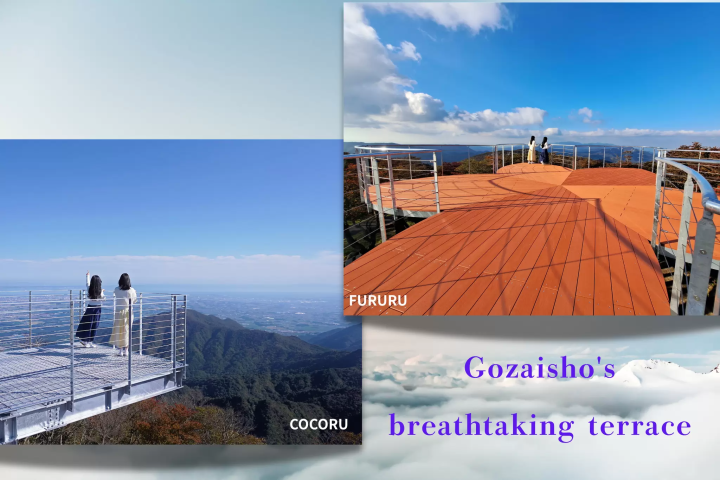
With the recent completion of two state-of-the-art observation platforms, COCORU and FURURU, the summit area has undergone a breathtaking architectural and experiential revitalization.
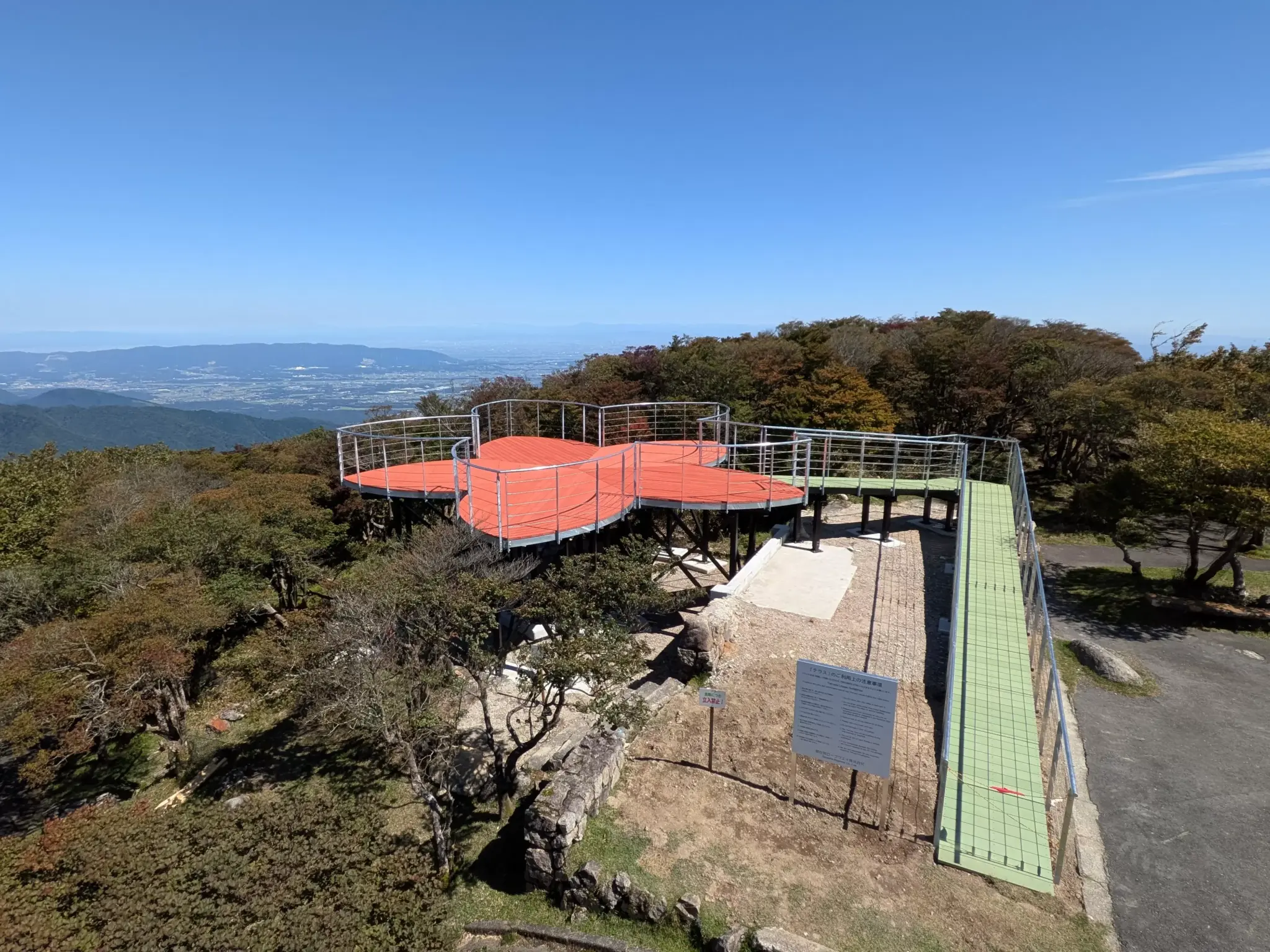
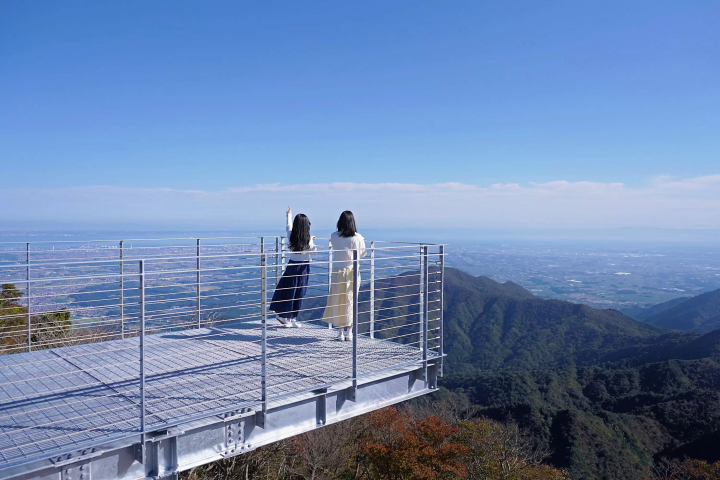
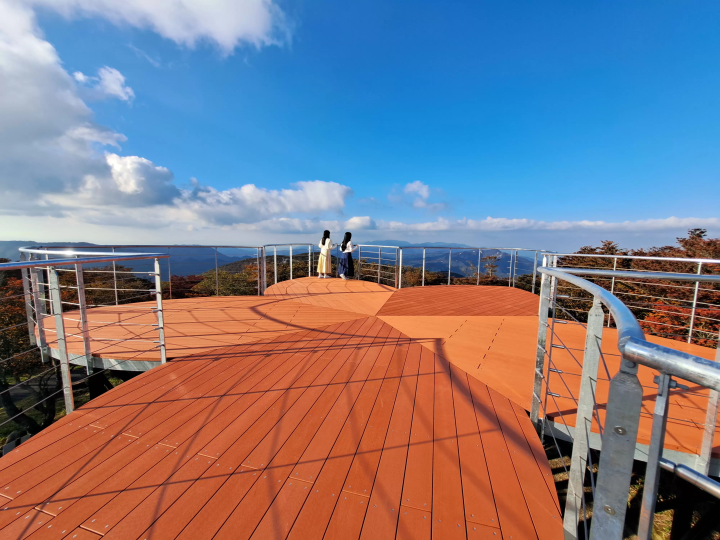
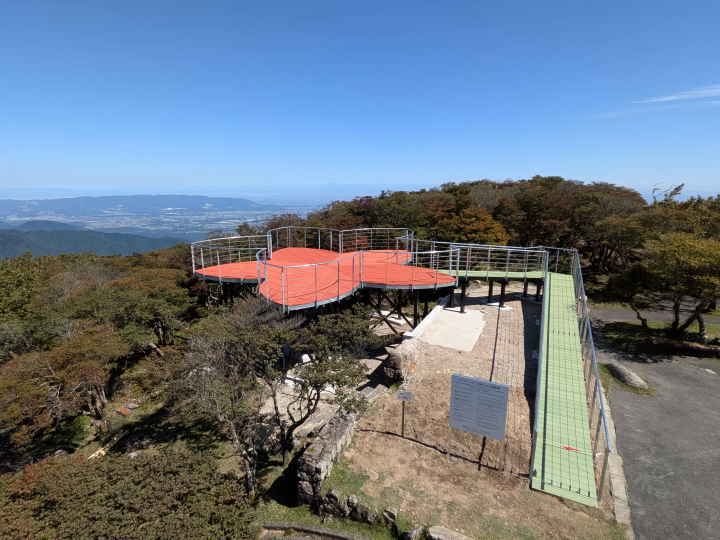
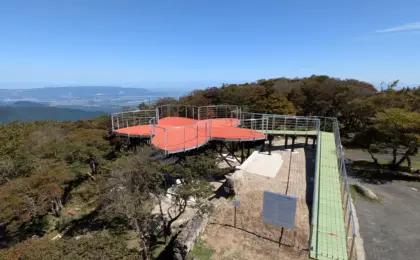
Positioned strategically to capture diametrically opposed panoramas, these two distinct terraces harness the natural topography of Mt. Gozaisho. COCORU, which made its debut in October 2025, looks southward toward the glistening expanse of Ise Bay and introduces a pulse-pounding, high-altitude swing that integrates visitors directly into the sweeping horizon. Meanwhile, its northern counterpart, FURURU—unveiled a year later in October 2026—adopts a biomorphic design inspired by the native Akaya-shio (pink azalea/alpine flora) flower, framing dramatic vistas of the northern Suzuka range, Lake Biwa, and, on exceptionally clear days, the distant silhouette of Mount Fuji.
This comprehensive report examines the architectural genesis of both terraces, details the sensory and engineering marvels of the summit expansions, evaluates the broader regional tourism impact, and outlines the future outlook for sustainable alpine tourism on Mt. Gozaisho.
Detailed Chronology: The Evolution of the Mt. Gozaisho Summit
The transformation of Mount Gozaisho’s summit infrastructure represents a multi-year master plan spearheaded by regional developers and environmental stewards to modernize visitor engagement while preserving the mountain’s delicate alpine ecology.
For decades, visitors arriving via the Mt. Gozaisho Ropeway’s mountaintop park station would disperse across Kamoshika Plaza—named after the native Japanese serow (kamoshika) that occasionally roams the craggy slopes. While the natural vistas were undeniably grand, tourism officials recognized a growing demand for immersive, experiential infrastructure that transcended traditional stationary viewing platforms.
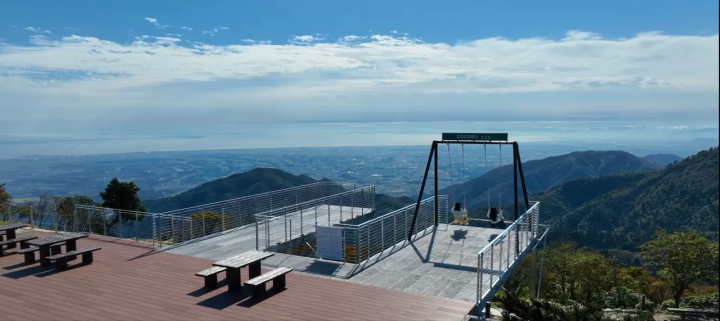
In October 2025, this vision materialized with the official opening of the COCORU observation terrace at Kamoshika Plaza, located approximately a five-minute walk from the ropeway’s summit station.
Etymological Roots: The nomenclature of COCORU is a clever linguistic hybrid. It combines the French word "COCO" (signifying a personal favorite or darling space) with the Japanese colloquialism "kokoro yokuru" (describing a thrilling, heart-pounding sensation).
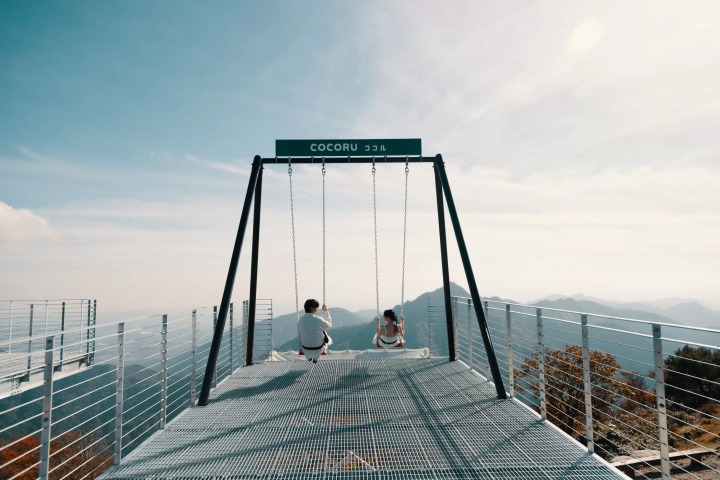
The Engineering and Design: Built to jut out over the southward-facing precipice, COCORU offers unobstructed sightlines stretching all the way to Ise Bay. The terrace’s crown jewel is its cantilevered scenic swing—an installation designed to give visitors the gravity-defying sensation of launching themselves directly into the open air above the clouds.
Phase 2: The Flowering of FURURU (October 2026)
Building upon the immense success of COCORU, the master plan advanced to the northern sector of the summit area. In October 2026, the FURURU observation terrace officially opened to the public at Asahidai Plaza, situated immediately adjacent to the ropeway’s mountaintop park station.
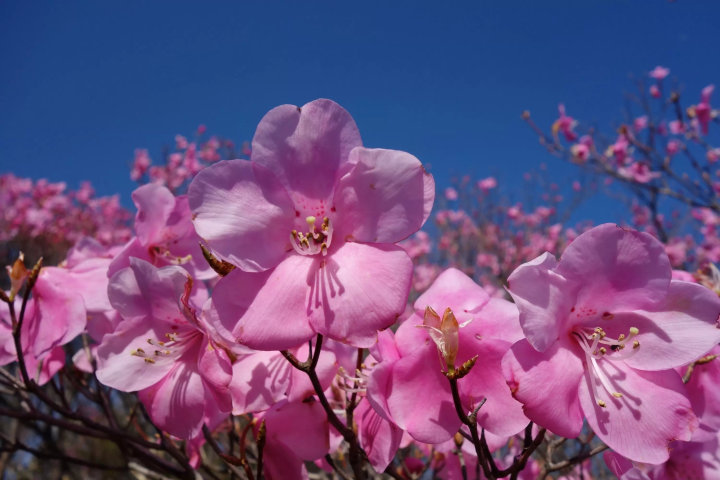
Floral Inspiration: Unlike the sleek, linear modernity of its southern counterpart, FURURU was conceived as an homage to the local ecosystem. The terrace is meticulously shaped like the petals of the Akaya-shio (a species representative of the region’s vibrant spring flora). The name itself derives from the French term for "petal."
Seasonal Synchronization: While the observation deck operates year-round, its design achieves peak thematic harmony from late April to early May, when real Akaya-shio blossoms burst into vibrant pink hues across the surrounding mountainside, seemingly blending the architectural structure into the living landscape.
Supporting Context & Metrics: Geography, Architecture, and Vistas
To fully appreciate the scope of the COCORU and FURURU installations, one must examine the unique geographic positioning and structural metrics that make Mt. Gozaisho an alpine powerhouse.
Altitude and Topographical Advantage
Standing at 1,212 meters, Mt. Gozaisho acts as a natural meteorological and topographical pivot point between Mie Prefecture and Shiga Prefecture. The construction of two separate terraces tailored to opposing cardinal directions ensures that visitors are not limited by a single perspective.
Feature / Metric
COCORU Terrace
FURURU Terrace
Opening Date
October 2025
October 2026
Location on Summit
Kamoshika Plaza (~5-min walk from ropeway station)
Asahidai Plaza (Adjacent to ropeway station)
Orientation & Views
Southward: Ise Bay, coastal plains, and southern ridges
North/East: Northern Suzuka peaks, Lake Biwa, Nagoya cityscape
The visual rewards offered by the dual-terrace system are staggering in their geographic reach:
The Southern Vista (via COCORU): Gaze downward and outward past the steep, boulder-strewn cliffs of the mountain’s southern face. On clear days, the blue expanse of Ise Bay gleams on the horizon, anchoring the transition from alpine wilderness to coastal civilization.
The Northern and Eastern Vistas (via FURURU): Shifting focus to the north reveals the undulating spine of the Suzuka Mountain Range. To the east, the sprawling urban grid of Nagoya city glitters in the distance. Most remarkably, atmospheric conditions permitting, visitors gazing from FURURU can catch distant glimpses of monumental peaks including Mount Ontake and even the iconic, snow-capped cone of Mount Fuji.
Official Statements and Experiential Design Philosophy
The philosophy underpinning both terraces breaks away from passive sightseeing. Modern alpine infrastructure must balance human exhilaration with environmental reverence, a principle emphasized throughout the development of the Gozaisho summit upgrades.
The Thrill of the Scenic Swing (COCORU)
Describing the psychological and physical experience of the COCORU swing, lead project designers noted:
"Looking for an exhilarating experience? How as you swing with momentum towards the breathtaking view unfolding before you, you’ll feel as if you’re one with the scenery. This is not merely about looking at a landscape; it is about dissolving the boundary between observer and environment. Experience a new way to enjoy stunning views—try the scenic swing."
This kinetic engagement transforms a traditional viewpoint into an active adventure, attracting younger travelers, photographers, and thrill-seekers who seek dynamic ways to interact with nature.
Rediscovering Local Biodiversity (FURURU)
Conversely, the FURURU terrace serves an educational and contemplative purpose. By mirroring the organic geometry of the Akaya-shio flower, the installation anchors visitors in the cyclical rhythms of the mountain’s ecology.
Management representatives highlighted the deeper mission behind the structure:
"Through the observation terrace ‘FURURU,’ you will be able to rediscover that Mount Gozaisho is a beautiful, living mountain where Akaya-shio flowers grow in abundance. When the petals align with the blooming season in spring, the man-made architecture and nature converse in a single voice. We invite visitors to take their time, slow their pace, and absorb the profound tranquility found at 1,212 meters."
Future Outlook: Sustainable Alpine Tourism on Mt. Gozaisho
The successful completion of the COCORU terrace in 2025 and the FURURU terrace in 2026 marks the culmination of a bold chapter in Mt. Gozaisho’s tourism evolution, yet industry experts view this as a stepping stone toward a broader sustainability model.
Balancing Visitor Influx and Ecological Preservation
As word spreads internationally regarding the dual terraces—particularly among travelers utilizing the historic Mt. Gozaisho Ropeway—local authorities and environmental planners face the ongoing challenge of managing increased foot traffic. Future infrastructural updates will prioritize low-impact maintenance materials, enhanced waste management systems at Kamoshika and Asahidai Plazas, and educational signage detailing the fragile alpine flora that surrounds both decks.
Four-Season Activation
Historically, Japanese mountain tourism has experienced sharp peaks during the autumn foliage season and the winter frost-tree season, with summer and spring experiencing fluctuating visitor numbers. The introduction of COCORU’s high-energy swing and FURURU’s spring-themed floral architecture specifically targets shoulder-season revitalization.
Spring: Celebrates the blooming of the Akaya-shio around FURURU.
Summer: Offers a cool alpine escape from sweltering urban centers, paired with the breezy heights of COCORU’s southern terrace.
Fall: Frames the explosive rust and gold colors of the Suzuka mountains.
Winter: Transforms the summit into a snowy wonderland accessible via heated ropeway cabins.
Conclusion
Mount Gozaisho has successfully redefined what it means to summit a mid-level Japanese peak. By pairing the natural majesty of a 1,212-meter vantage point with world-class, thoughtfully designed architecture, COCORU and FURURU ensure that every traveler—whether seeking a heart-pounding swing over Ise Bay or a quiet moment of botanical reflection overlooking Lake Biwa—finds a profound connection to the landscape. As these terraces welcome visitors through all four seasons, Mt. Gozaisho stands proudly as a benchmark for modern, experiential alpine tourism.








Belum ada komentar. Jadilah yang pertama berkomentar!