Tucked away in the scenic expanse of Yamagata Prefecture, Japan, lies a cultural corridor that seamlessly bridges ancient Shinto heritage, healing geothermal waters, and modern pop-culture whimsy. Centered around the historic city of Nanyo, this regional itinerary connects the 1,200-year-old sanctuary of Kumano Taisha Shrine—revered as the "Ise Shrine of Tohoku"—with the deeply restorative hot spring village of Akayu Onsen.
Long cherished by master animation director Hayao Miyazaki, this region offers travelers a rare escape from congested metropolitan hubs. Beyond its picturesque landscapes, the area delivers an engaging sensory experience: climbing stone steps adorned with floral pavilions, decoding ancient architectural riddles to unlock personal fortunes, and interacting with a celebrity rabbit stationmaster along a historic railway line. This comprehensive travel guide examines the structural, cultural, and experiential dimensions of a journey through Yamagata’s most captivating pastoral enclaves.
Detailed Chronology and Itinerary Planning
Navigating this region requires an appreciation for its interconnected geography, where historical rail lines and rustic pathways link spiritual sites directly to restorative thermal havens.
The journey begins upon arrival at Akayu Station via the Yamagata Shinkansen. From here, travelers transfer to the historic Flower Nagai Line, a regional railway characterized by nostalgic rolling stock and deeply rooted community ties.
The first notable stop on this short rail journey is Miyauchi Station. Beyond serving as a transit hub, the station acts as an official sanctuary for wildlife tourism. Here, passengers are greeted by Stationmaster Mochii, a charismatic, fluffy white rabbit who serves as the official mascot of the railway line. Housed in a dedicated, comfortable enclosure within the station concourse, Mochii welcomes travelers of all ages. Because of the stationmaster’s advanced age, visitors are kindly requested to maintain a quiet demeanor, ensuring a peaceful environment for this beloved local ambassador.
Step 2: Kumano Taisha Shrine (The Ise of Tohoku)
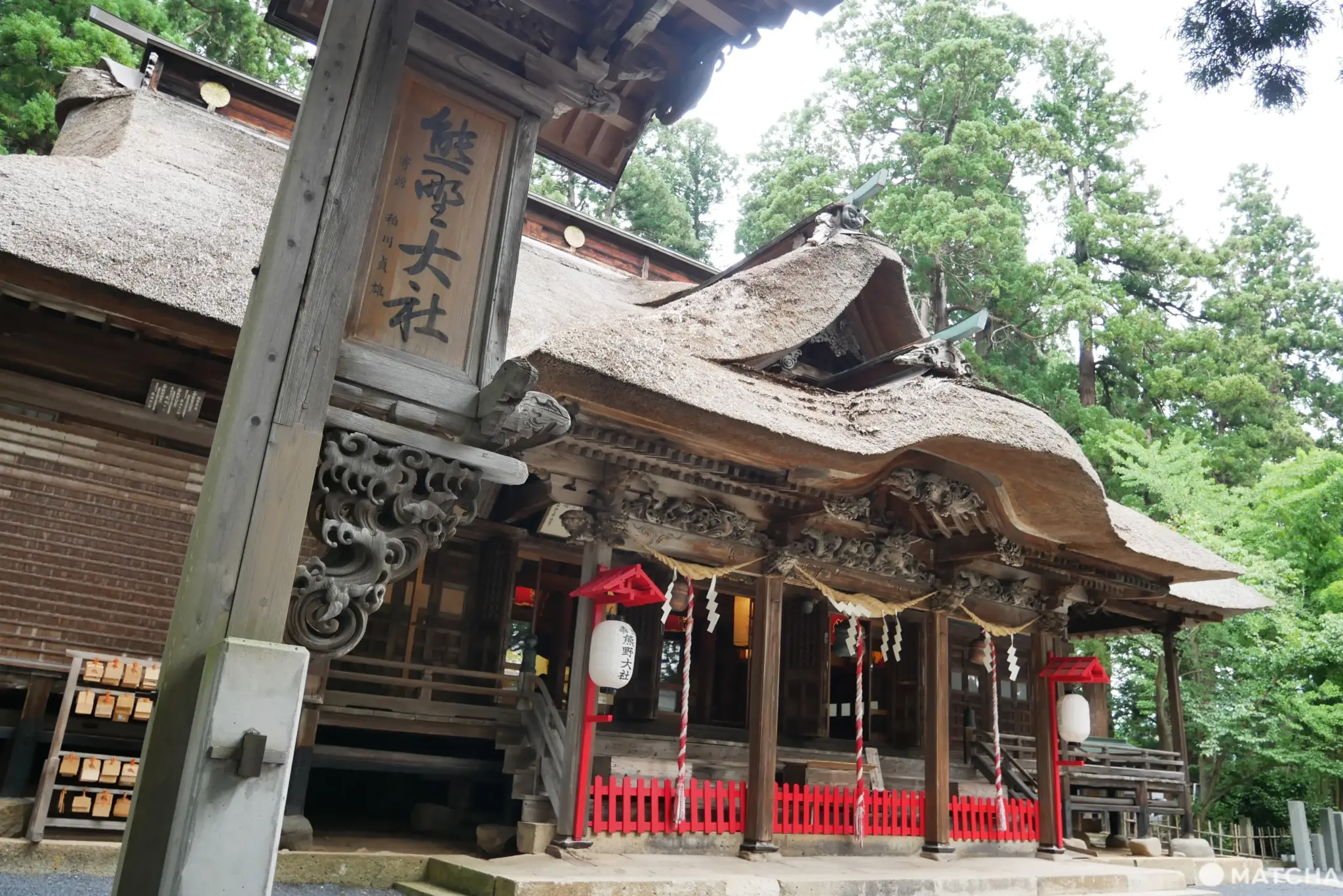
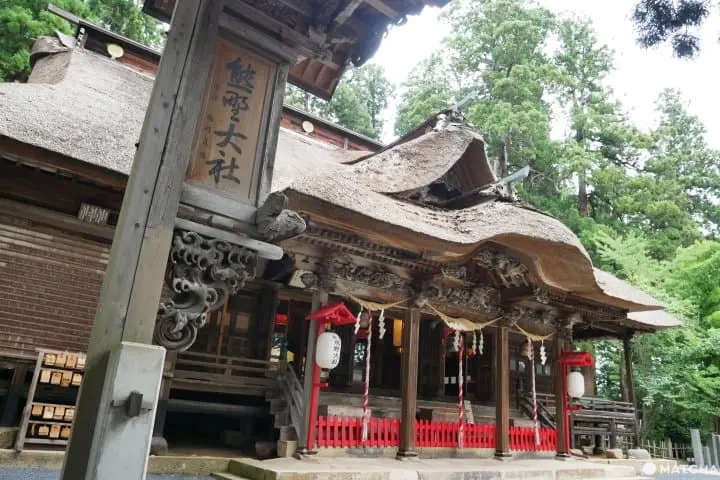
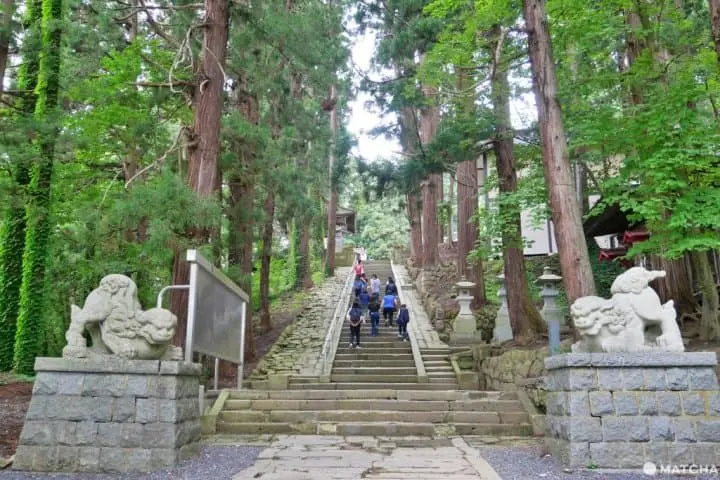
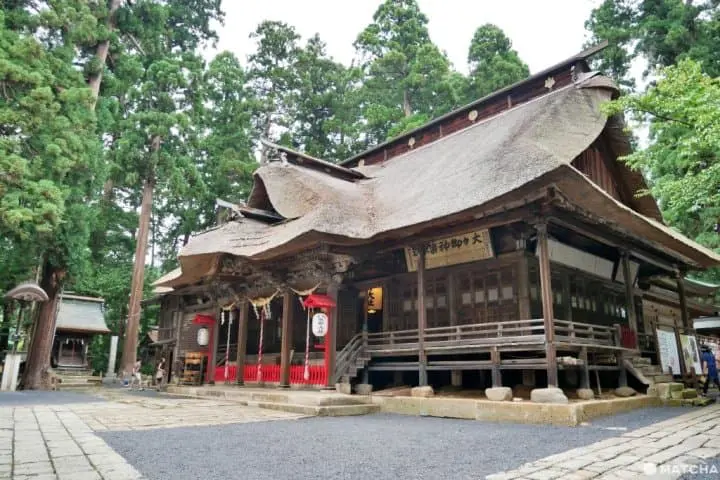
A brief 15-minute walk from Miyauchi Station brings travelers to the imposing stone entrance of Kumano Taisha Shrine. With a legacy spanning over twelve centuries, the shrine holds a sacred status equivalent to the revered Ise Grand Shrine in Mie Prefecture. Dedicated to Izanami and Izanagi—the primary deities of Japanese mythology credited with creating the islands of Japan—the sanctuary is heavily visited by those seeking romantic harmony and profound interpersonal connections.
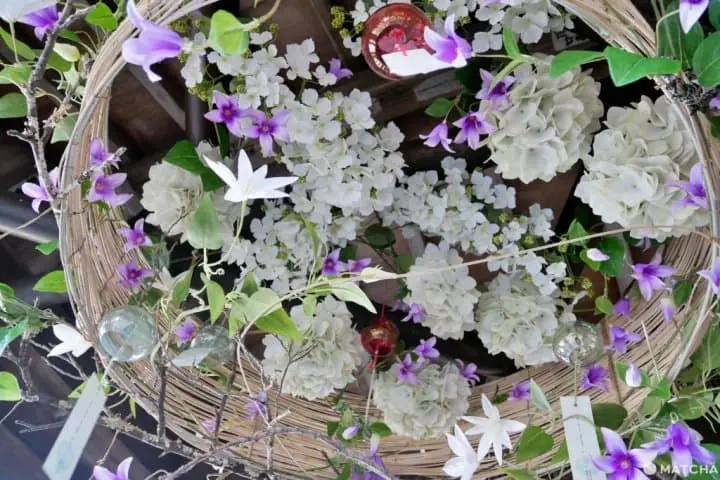
The Ascent and Temizuya Pavilion: The pilgrimage to the main hall begins with a climb up a long flight of stone steps, symbolizing the dedication required to manifest true love. Before ascending, visitors cleanse their hands and mouth at the temizuya water pavilion. Unlike conventional shrines where flowers simply float on the surface, Kumano Taisha suspends intricate floral arrangements directly above the basin, producing an immersive, visually striking atmosphere.
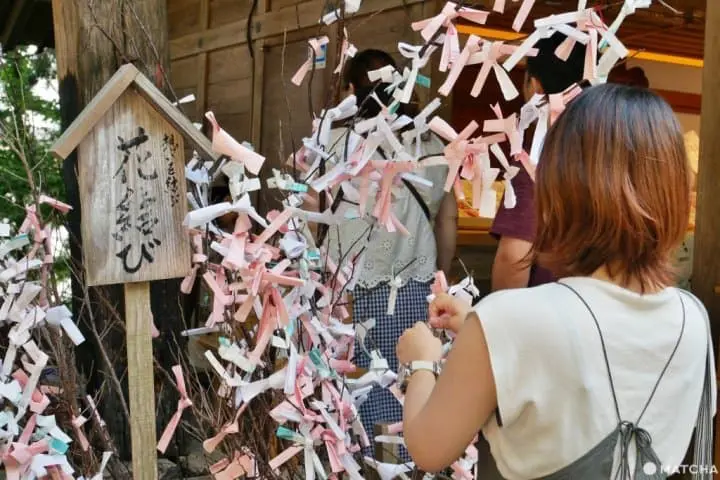
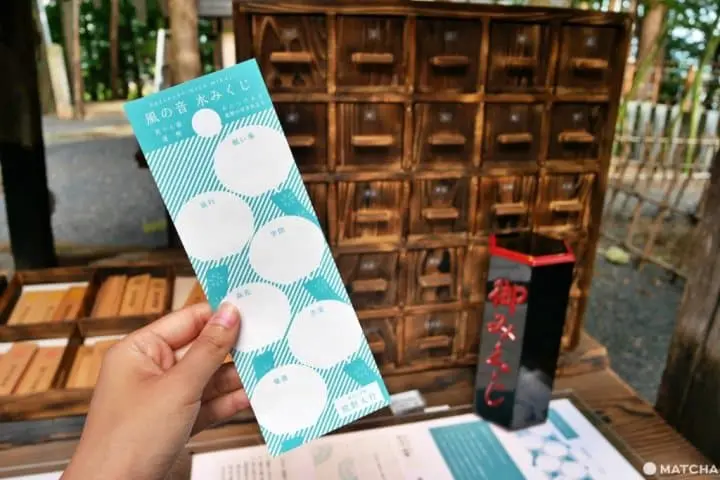
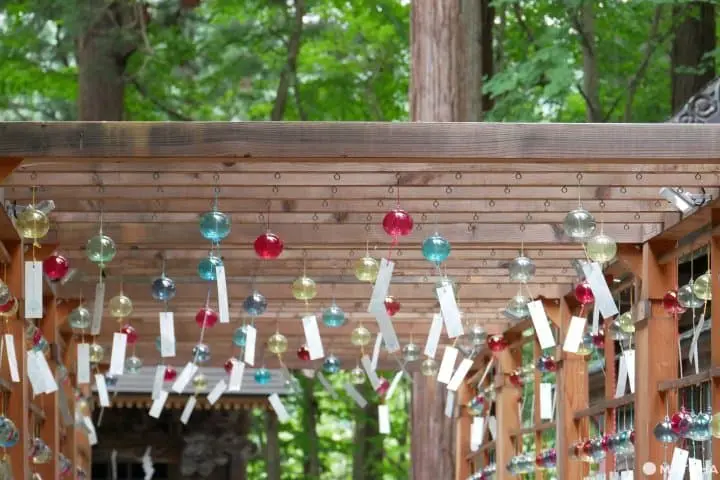
Innovative Omikuji Traditions: Fortune-seeking at the shrine goes far beyond traditional paper slips. Worshippers tie their fortunes to tree branches, weaving a vibrant floral tapestry known as Hanamusubi (flower knots). Alternatively, visitors can experience the Kaze no Oto Mizu-mikuji (Sound of Wind Water Fortune). Printed on striking blue paper, these fortunes reveal their prophetic messages only when submerged in cool water, accompanied by the gentle chiming of nearby wind bells.
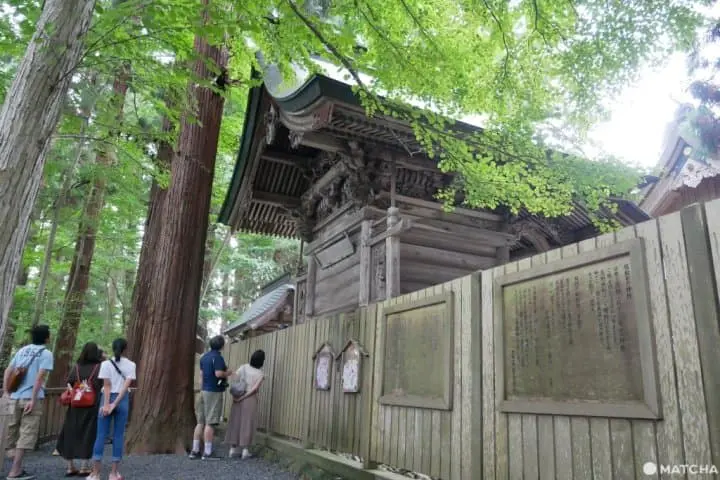
The Architectural Riddle of the Three Rabbits: Behind the main hall lies one of the shrine’s most enduring mysteries. Carved into the wooden beams beneath the eaves are three hidden representations of rabbits. Legend dictates that anyone fortunate enough to locate all three will have their deepest wishes fulfilled. However, a strict rule applies: the exact location of the third rabbit must remain an absolute secret. While the first two carvings are relatively easy to spot, finding the final rabbit is a solitary quest every visitor must undertake independently.
Seasonal Ceremonies and Amulets: The shrine hosts the monthly Tsukimusubi (Moon Matchmaking) event on weekend evenings near the full moon. Participants attend specialized prayer rituals and receive the exclusive Tamayura-mamori amulet, blessed under lunar light to invite enduring romance. Furthermore, the shrine’s newly renovated amulet counter features modern, elegantly designed tokens alongside adorable pink rabbit figurines that house love fortunes inside.
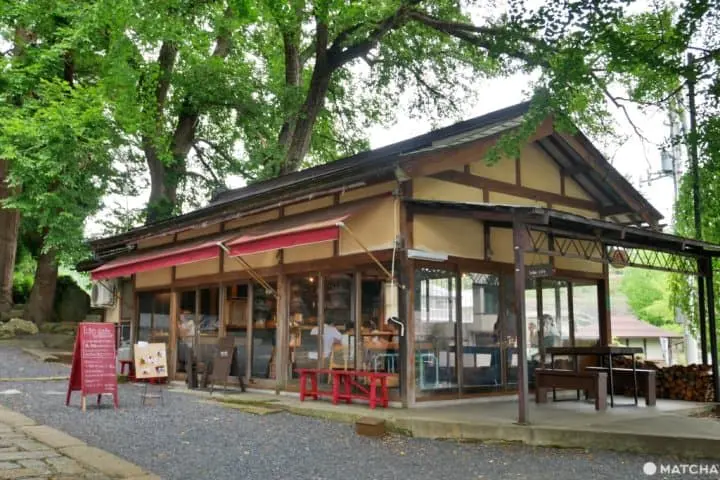
The Icho Cafe: Situated at the base of the shrine entrance, the icho cafe occupies a thoughtfully renovated historic structure nestled beneath a massive ginkgo tree. During November, the tree transforms into a canopy of brilliant golden leaves. Paired with artisan coffee and fluffy French toast, the cafe offers an ideal space for quiet contemplation.
Step 3: Relaxation in Akayu Onsen Hot Springs
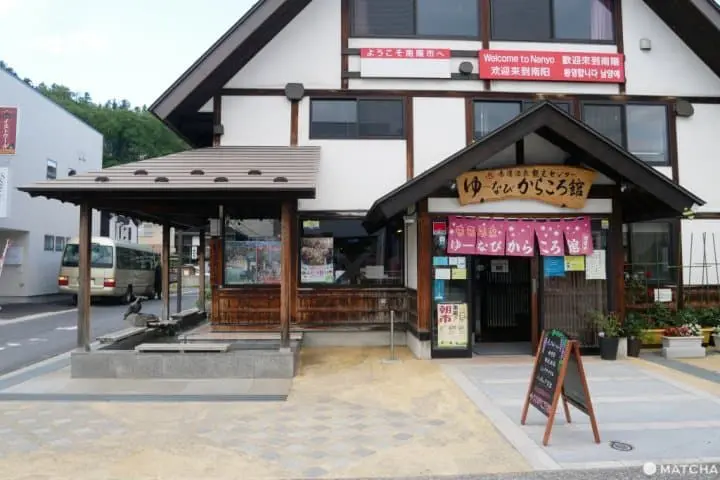
A short transit away lies Akayu Onsen, an understated hot spring town celebrated for its therapeutic waters and deep ties to Japanese animation history. Famed animation director Hayao Miyazaki has long favored the town, drawing a custom illustration of Totoro enjoying an onsen soak—a rare piece of art proudly displayed within Akayu Station and local ryokan baths.
Historic Ryokans and Hidden Art: Within the thermal baths of the historic Uesugi no Oyado Gotenmori ryokan, guests can spot another hidden Totoro illustration integrated into the facility’s design. Day-use passes for traditional ryokan baths generally cost around 1,000 yen.
Public Bathhouses and Footbaths: For budget-conscious travelers, Akayu Onsen features four community-run public bathhouses utilizing 100% natural thermal spring water for a nominal fee of 100 to 200 yen. Due to the high mineral concentration, the spring water runs quite hot, requiring cautious entry. Additionally, the town maintains two public footbaths. While Sakiwai no Yu sits conveniently near the tourist information center, Akko Poppo Yu is located directly at the primary source spring and features an integrated drinking fountain for mineral water.
Step 4: Eboshiyama Park
Perched on the elevated hills overlooking Akayu Onsen, Eboshiyama Park serves as a premier natural landmark. Home to approximately 1,000 cherry blossom trees, the park erupts into a sea of vibrant pink each spring, earning its designation as one of Japan’s Top 100 Cherry Blossom Spots.
Supporting Context and Regional Metrics
To fully appreciate the scope of tourism and cultural preservation within Nanyo City and Yamagata Prefecture, consider the following regional parameters:
Geographic Positioning: Situated in the southern basin of Yamagata Prefecture, Nanyo City benefits from an inland climate characterized by significant seasonal variations—ranging from snowy, picturesque winters ideal for onsen bathing to vibrant, floral springs.
Historical Significance: Kumano Taisha’s designation as the "Ise of Tohoku" stems from its historical role as a regional administrative and spiritual anchor during the feudal eras, maintaining direct lineage to the ancient Kumano worship traditions of Western Japan.
Economic Accessibility: The introduction of the Yamagata Shinkansen reduced travel time from Tokyo Station to Akayu Station to approximately 2.5 hours, making rural Tohoku destinations remarkably accessible for international and domestic travelers seeking authentic, low-density tourism experiences.
Community-Led Preservation: Attractions such as the Flower Nagai Line and Miyauchi Station’s rabbit stationmaster program represent successful models of rural revitalization, leveraging unique local charms to maintain regional rail infrastructure and boost municipal tourism revenue.
Official Statements and Cultural Insights
Local municipal authorities and tourism boards emphasize the importance of sustainable, low-impact exploration when promoting the Nanyo region.
"Our objective in promoting Kumano Taisha Shrine and Akayu Onsen is not merely to drive high-volume foot traffic, but to introduce travelers to the profound spiritual rhythm and wellness culture of Yamagata. When visitors take the time to decode the architectural details of the shrine, converse gently with Stationmaster Mochii, and absorb the thermal healing of Akayu, they experience a side of Japan that transcends commercialized sightseeing."
— Yamagata Arcadia Tourism Bureau
Scholars of Shinto architecture note that Kumano Taisha’s preservation of traditional thatched and wood-joinery techniques offers invaluable insight into ancient Japanese shrine construction. Furthermore, the integration of contemporary pop culture elements—such as the Ghibli-associated art in Akayu Onsen—demonstrates a harmonious dialogue between modern creative inspiration and traditional heritage preservation.
Future Outlook
As global tourism trends shift decisively toward slow travel, wellness retreats, and off-the-beaten-path cultural immersion, the Yamagata Prefecture corridor encompassing Kumano Taisha Shrine and Akayu Onsen is exceptionally well-positioned for sustainable growth.
Future infrastructure developments by the Yamagata Arcadia Tourism Bureau aim to enhance multilingual digital wayfinding, improve barrier-free access along the shrine’s historic stone steps and surrounding thermal districts, and expand eco-friendly transit options from Akayu Station. By maintaining a delicate balance between preserving its 1,200-year spiritual heritage and welcoming curious travelers from across the globe, Nanyo City ensures that its timeless blend of romance, folklore, and natural healing will continue to inspire generations to come.













Belum ada komentar. Jadilah yang pertama berkomentar!