

Executive Overview
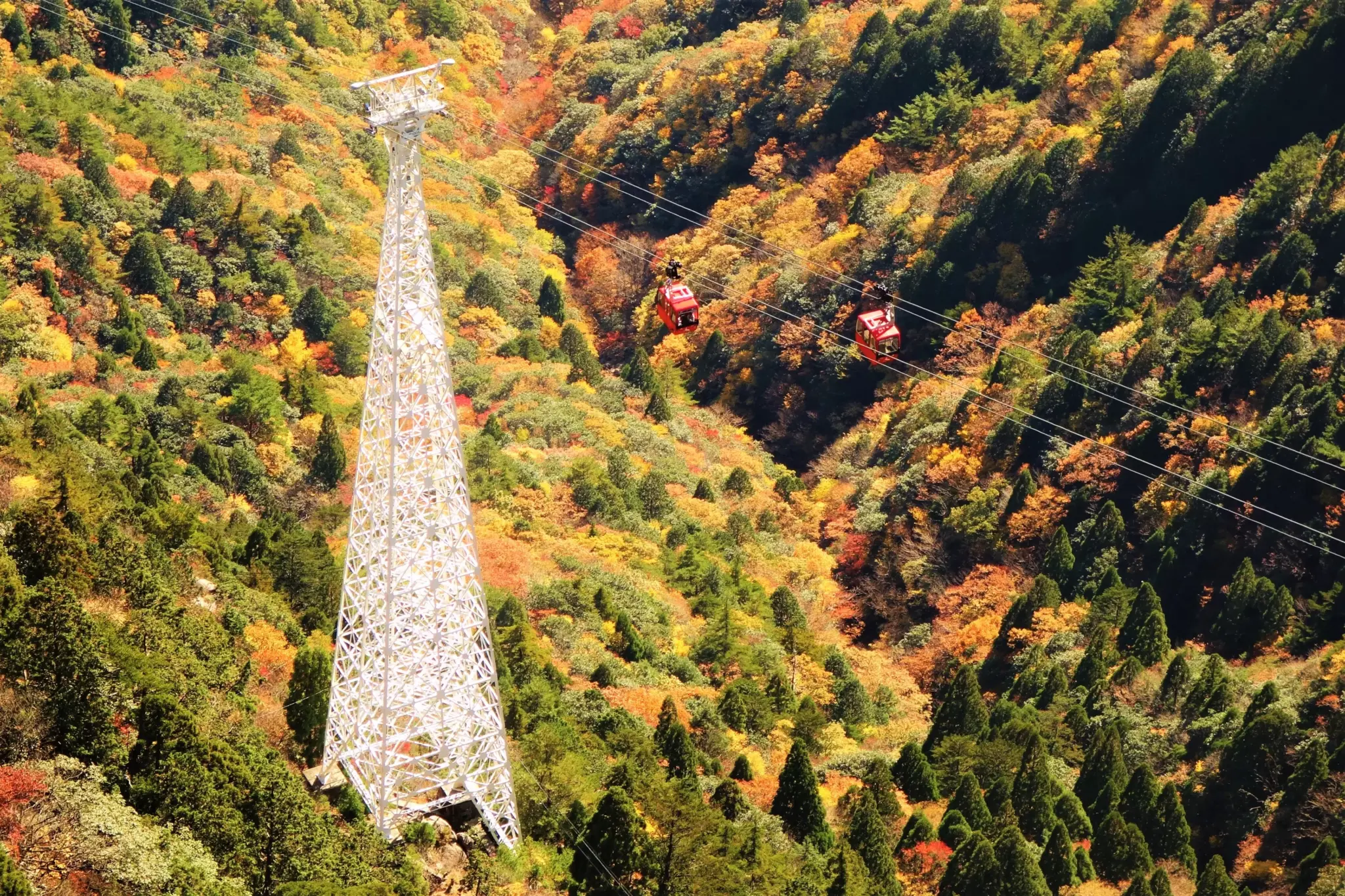
For travelers seeking an immersive encounter with Japan’s celebrated autumn foliage (koyo), the Kansai and Chubu regions offer countless mountain retreats. Yet, few destinations rival the dramatic vertical progression, accessibility, and sheer chromatic intensity of Mt. Gozaisho in Mie Prefecture. Soaring 1,212 meters above sea level in the Suzuka Quasi-National Park, Mt. Gozaisho presents an early-arriving botanical spectacle that begins transforming as early as late October.
Easily accessible as a seamless day trip from major urban hubs such as Nagoya and Osaka, the mountain serves as a premier case study in seasonal tourism engineering. At its core is the historic Gozaisho Ropeway, an aerial tramway system that transports visitors through a shifting tapestry of crimson, amber, and gold. With recent infrastructural upgrades—including the late-2025 debut of the panoramic "COCORRU Terrace"—and vital transit strategies designed to mitigate regional congestion, Mt. Gozaisho continues to redefine the modern mountain-resort experience.
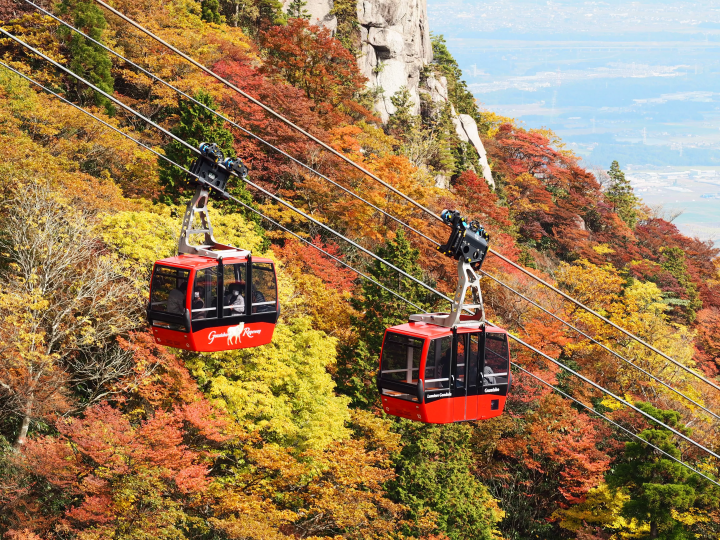
This comprehensive report explores the chronological unfolding of the autumn season, logistical frameworks, culinary highlights, and strategic recommendations for navigating one of central Japan’s most breathtaking alpine landscapes.
Detailed Chronology: The Progressive Descent of the Autumn Front
The transformation of Mt. Gozaisho does not happen all at once; rather, it unfolds in a dramatic, multi-stage descent known locally as the koyo zensen (autumn foliage front). Because temperatures drop significantly as elevation increases, autumn arrives at the summit weeks earlier than at the base, creating a prolonged viewing window that spans from mid-October through late November.
Phase 1: The Summit Ignition (Mid-to-Late October)
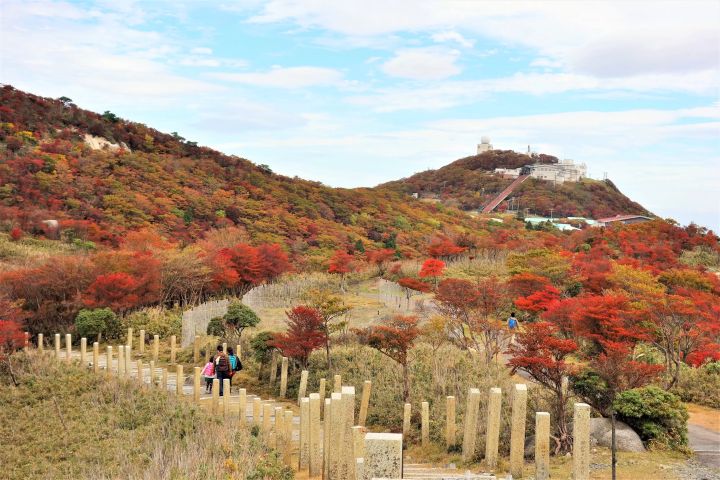
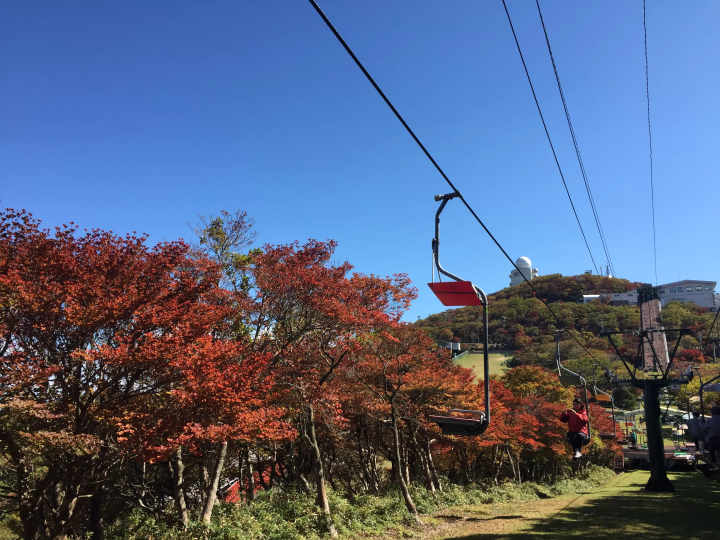
The seasonal shift begins at the highest elevations around October 20th. The summit park area is heavily populated by Ericaceae (heath family) flora, including red azaleas (tsutsuji), white azaleas, and Enkianthus campanulata (known in Japanese as dodan-tsutsuji).
When nighttime temperatures plummet sharply relative to daytime highs, these plants trigger the accelerated production of anthocyanin pigments. This physiological reaction turns the foliage into an intense, deep crimson red. Visitors stepping off the ropeway’s mountaintop station are greeted by a surreal, fire-red landscape that starkly contrasts with the distant, hazy panorama of the Mie cityscape and the peaks of the Japanese Alps.
Phase 2: The Middle Slopes and Tower No. 6 (Late October to Early November)
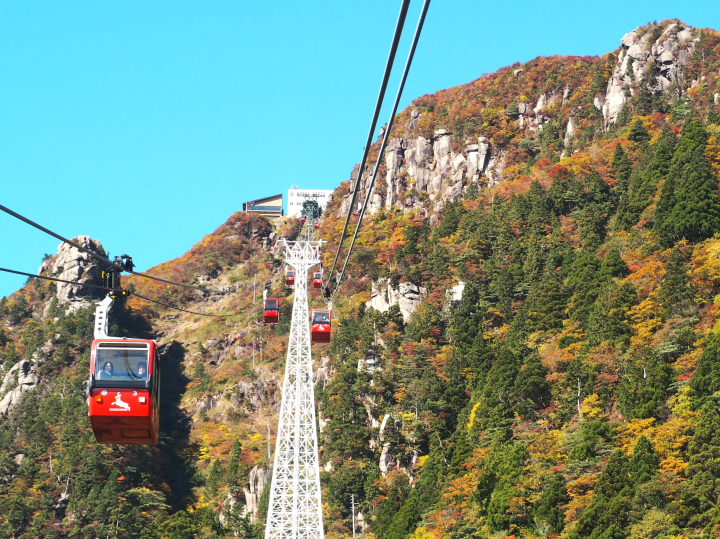
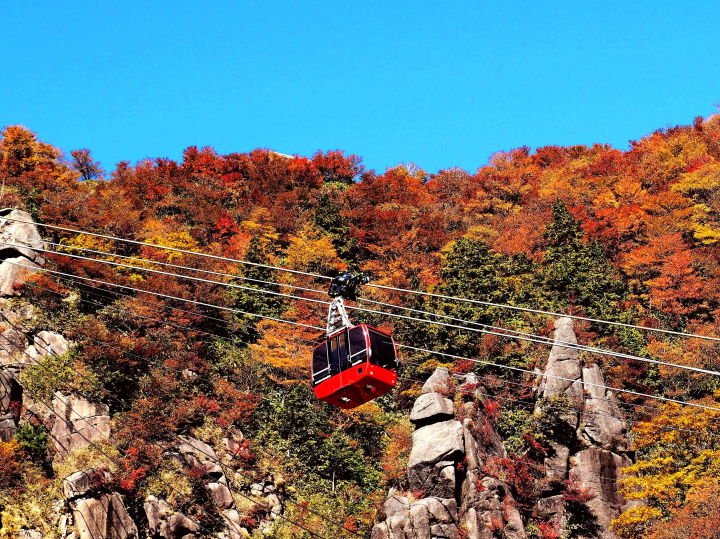
As October turns to November, the vibrant wave cascades downward. During this window, the steep rocky slopes surrounding the upper ropeway station ignite in brilliant shades of orange and yellow.
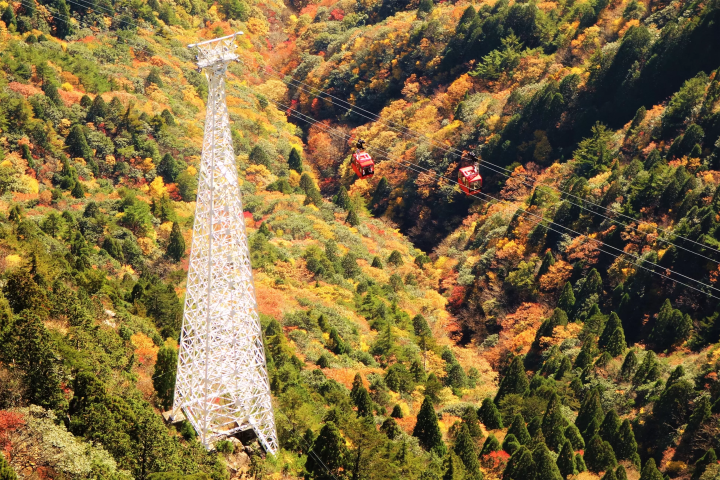
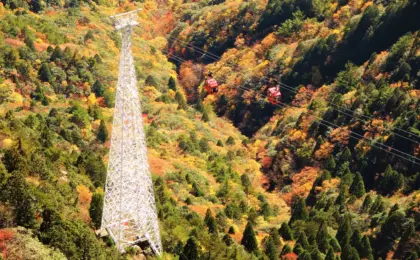
By early November, the seasonal wave reaches the deep valley cradling the Gozaisho Ropeway’s iconic structural landmark, "Tower No. 6." Here, a complex mosaic of maples, beeches, and Japanese rowans blends into a natural tapestry. The jagged topography of the mountain funnels viewers past sheer cliffs draped in autumn hues, offering some of the most dramatic photography opportunities in the region.
Phase 3: Yunoyama Onsen and the Valley Floor (Late November)
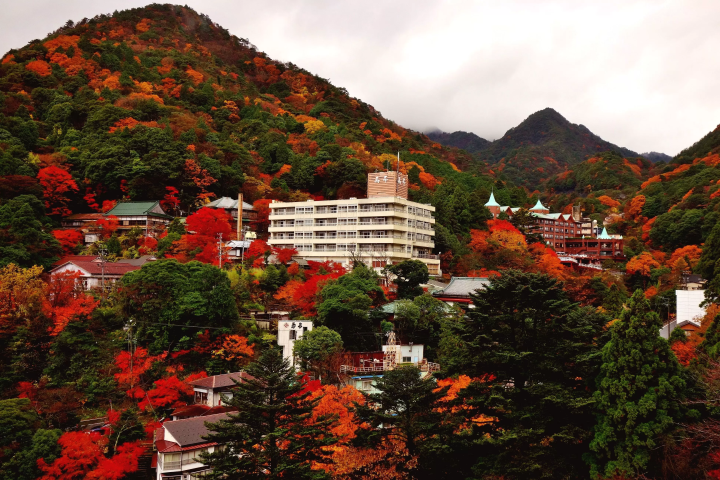
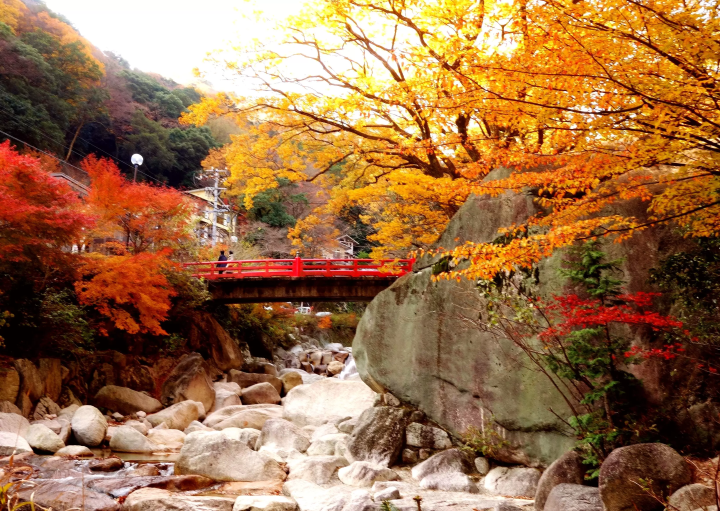
The final chapter of the koyo season unfolds at the foot of the mountain in Yunoyama Onsen, a historic hot spring town nestled along the clear mountain streams. By late November, the native maple trees along the riverbanks reach their peak color. The falling leaves drift into crystal-clear waters, and the entire hot spring district takes on a magical, reflective quality as twilight descends, offering visitors a soothing thermal retreat after a day of alpine exploration.
Supporting Context & Metrics: Infrastructure, Access, and Economics
Navigating a high-altitude destination experiencing peak seasonal demand requires precise logistical planning. Understanding the operational metrics of the Gozaisho Ropeway, alongside alternative transit networks, ensures an optimized itinerary.
The Gozaisho Ropeway and Sightseeing Lift Metrics
- Ropeway Specifications: Spanning one of the longest single-span ropeway sections in Japan, the system carries passengers from Yunoyama Onsen Station (base) to Sanjo Park Station (summit) in approximately 12 minutes.
- Ropeway Fares: Round-trip tickets are priced at 2,600 yen for adults (ages 13 and older) and 1,300 yen for children (ages 4 to 12). Children aged 1 to 3 travel free of charge.
- Mountaintop Sightseeing Lift: To navigate the upper ridges and azalea colonies, a single-seater chairlift operates between the mountaintop park station and the true summit of Mt. Gozaisho.
- Distance & Duration: Covers 500 meters in approximately 8 minutes.
- Fares: 400 yen one-way / 700 yen round-trip (flat rate for adults and children aged 4 and older).
Transit Optimization and Congestion Mitigation
Due to the overwhelming popularity of the autumn foliage season, vehicular traffic along mountain access roads can experience severe bottlenecks. Regional authorities strongly recommend utilizing public transportation, particularly on weekends and holidays.
Recommended Rail & Bus Corridor:
- Departure Hubs: Commuters originating from Nagoya or Osaka should board the Kintetsu Railway network, routing directly toward Kintetsu Yokkaichi Station. (Note: Travelers must strictly avoid JR Yokkaichi Station, which is located at a considerable distance from the Kintetsu terminal).
- Transfer: At Kintetsu Yokkaichi Station, transfer to the Kintetsu Yunoyama Line and ride it to its western terminus, Yunoyama Onsen Station (a 26-minute journey).
- Bus Connection: From Yunoyama Onsen Station, board the Mie Kotsu Bus bound for "Yunoyama Onsen Gozaisho Ropeway Mae" (a 10-minute ride that drops passengers immediately at the ropeway entrance).
- Economic Ticketing: International and domestic tourists can leverage the Kintetsu Rail Pass to secure discounted fares across the Kintetsu railway network.
Official Statements & Experiential Enhancements
Recent developments on Mt. Gozaisho reflect a concerted effort by regional tourism boards to blend natural preservation with modern visitor engagement.
Culinary Identity: The Legend of Gozaisho Curry Udon
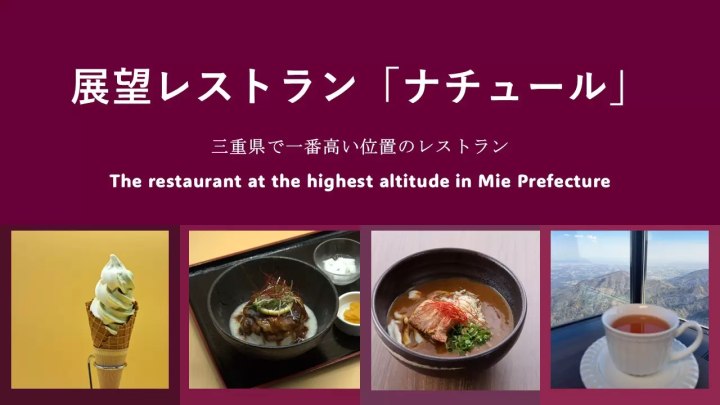
At the summit park, the scenic restaurant "Nature" serves as the social and culinary anchor for travelers braving the crisp autumn air. Beyond offering sweeping views of the surrounding ranges, the establishment is renowned for its signature dish: Gozaisho Curry Udon. Blending rich, aromatic curry broth with thick, chewy noodles, the dish has become a staple for warming tourists experiencing high-altitude autumn temperatures. Seasonal menus and specialty sweets round out the dining portfolio, transforming a simple meal into an alpine sensory experience.
Architectural Innovation: The COCORRU Terrace
In a bid to modernize the summit infrastructure without disrupting the natural topography, management officially opened "COCORRU Terrace" on October 31, 2025. Designed as an Instagrammable architectural focal point, the terrace features expansive viewing platforms directed toward the Ise-Shima region of Mie Prefecture.
The crown jewel of the terrace is its spectacular view swing, an engineered attraction suspended over the mountain ridge that delivers an intentional blend of adrenaline and unobstructed panoramic vistas. According to park operators, the installation is part of a broader initiative to encourage visitors to linger longer at the summit rather than executing a quick turnaround trip.
Future Outlook: Sustainable Tourism and Regional Synergy
As autumn tourism in central Japan faces rising visitor volumes, the management of Mt. Gozaisho and the surrounding Yunoyama Onsen district is pivoting toward long-term sustainability and regional integration.
Managing Visitor Flows
The heavy reliance on the weekend public transit advisory highlights an ongoing challenge: balancing peak ecological tourism with environmental protection. Future outlooks suggest an increased push toward dynamic pricing models, digital queue management for the ropeway, and expanded eco-bus fleets to service the Yunoyama corridor during peak weeks in November. By shifting private vehicle traffic away from narrow mountain passes, regional planners aim to reduce carbon emissions while preserving the tranquil atmosphere of the Suzuka Quasi-National Park.
Extended Itineraries and Local Hospitality
To maximize economic yield for the broader Mie Prefecture, tourism boards are actively promoting multi-day itineraries that pair a morning ascent of Mt. Gozaisho with evening relaxation in Yunoyama Onsen’s historic ryokans. Furthermore, strategic base camps—such as the Sanko Inn Yokkaichi Ekimae, located adjacent to Kintetsu Yokkaichi Station—provide travelers with frictionless access not only to Gozaisho but also to regional anchor points like Nagoya, Ise Grand Shrine, and the coastal expanses of Toba.
Ultimately, Mt. Gozaisho’s autumn spectacle represents the pinnacle of Japanese seasonal tourism: a harmonious blend of geological wonder, accessible engineering, and cultural hospitality that continues to captivate domestic and international travelers alike.


Belum ada komentar. Jadilah yang pertama berkomentar!