

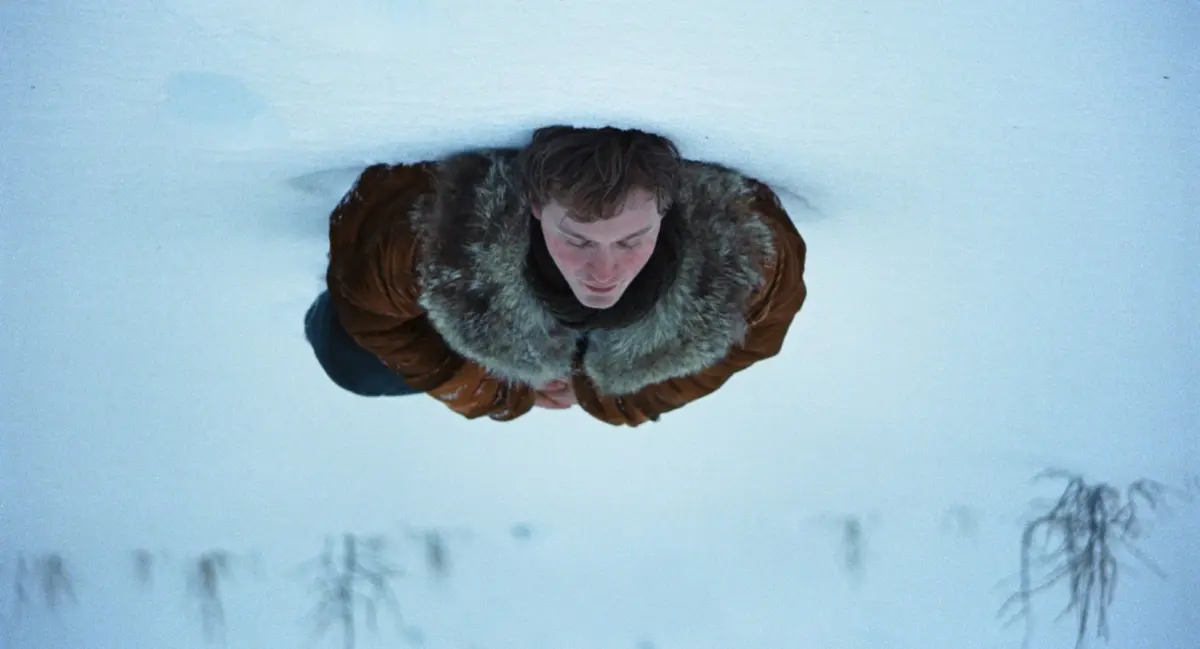
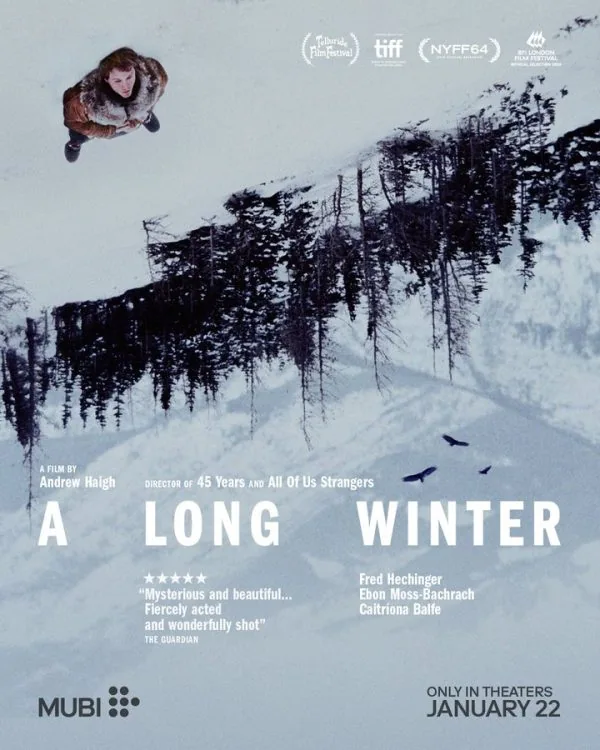
In the cinematic landscape of 2026, few releases have generated the quiet, contemplative gravity of A Long Winter, the latest directorial and screenwriting endeavor by acclaimed filmmaker Andrew Haigh. Adapted from a poignant short story by Colm Tóibín, the film plunges audiences deep into the freezing, isolated expanse of the Colorado mountains during a brutal 1950s winter. At its core, the narrative centers on Mikey (Fred Hechinger), a naive young man whose world is fractured when his deeply unhappy mother, Louise (Caitríona Balfe), walks out into the season’s first blizzard following a heated argument with her domineering husband, Lester (Ebon Moss-Bachrach).
Rather than functioning as a standard mystery thriller or a race-against-time survival story, A Long Winter uses the tragic premise as a narrative springboard. The film expands the short text into a sprawling, atmospheric exploration of grief, generational trauma, suppressed identity, and toxic masculinity. Featuring stellar cinematography by André Turpin and an ensemble cast that includes Kit Connor, Martin Freeman, D’Pharaoh Woon-A-Tai, David Furr, and Manuel Garcia-Rulfo, the feature meticulously charts Mikey’s painful transition into adulthood. As he navigates a personal gay sexual awakening and confronts long-held family secrets, Mikey must re-evaluate his entire understanding of his lineage, his father, and the nature of survival in a world that seeks to isolate and crush non-conformity.
Detailed Chronology
Act I: The Gathering Storm and the Disappearance
The film opens with a biting, atmospheric chill that establishes the grueling reality of life in the sequestered Colorado mountains. The household is already teetering on the edge of emotional collapse. Louise, struggling with a worsening drinking problem and deep-seated depression, is suffocating under the weight of a life she never wanted—isolated from society by geography and shackled to a household dictated by Lester’s cruelty. Her eldest son, Tommy (Kit Connor), recognizing the toxic stagnation of the home, resolves to leave town and carve out his own existence, unable to bear the psychological weight a moment longer.
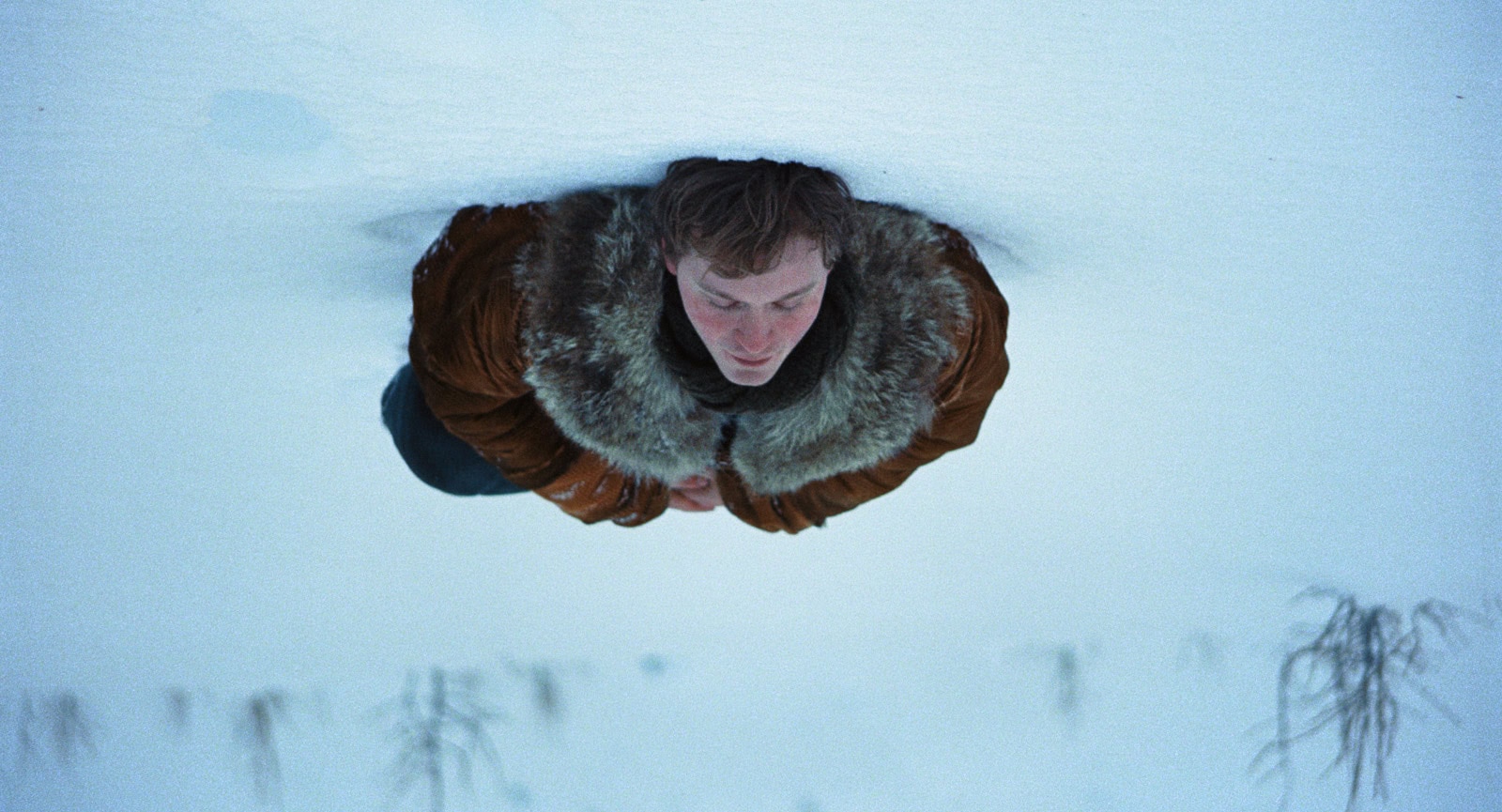
The breaking point arrives after a vicious family argument. In a desperate, fatalistic bid for release, Louise wanders off into the freezing wilderness just as the season’s first major blizzard descends. The narrative quickly establishes the grim reality of her fate; this is not a procedural search for a missing person, but an open-and-shut tragedy. By the end of the first act, the physical reality of Louise’s death sets in, leaving her remaining family members to grapple with the emotional fallout and the uncomfortable truths they have spent years hiding.
Act II: Unraveling the Myth of the Family
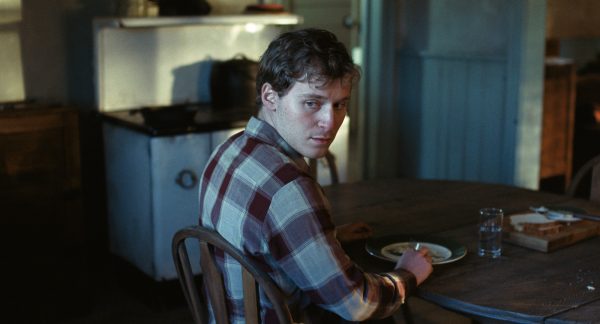
With Louise gone and Tommy having already abandoned the homestead, Mikey is left behind with his volatile father, Lester, and his uncle Frank (Martin Freeman), who has long played a passive role in mediating the family’s fractures. Mikey’s initial reaction to the tragedy is defined by a youthful inability to process change, compounded by his extreme isolation. The film brilliantly utilizes André Turpin’s cinematography to emphasize this confinement; the vast, beautiful, yet terrifying mountain ranges serve as visual prisons, highlighting how completely cut off the characters are from any broader societal support system.
As the long winter drags on, Mikey begins to experience a series of profound personal revelations. He uncovers secrets that his family—particularly Frank—had long shielded him from. He learns that his mother had been profoundly unhappy for decades, trapped by Lester’s unyielding domestic tyranny. Concurrently, Mikey undergoes a quiet, deeply felt gay sexual awakening, a journey of self-discovery that clashes violently with the rigid, hyper-masculine environment of 1950s rural America. His naivety is gradually stripped away, replaced by a devastating clarity regarding the dynamics that drove his mother to her death.
Act III: Domestic Power Dynamics and Climax
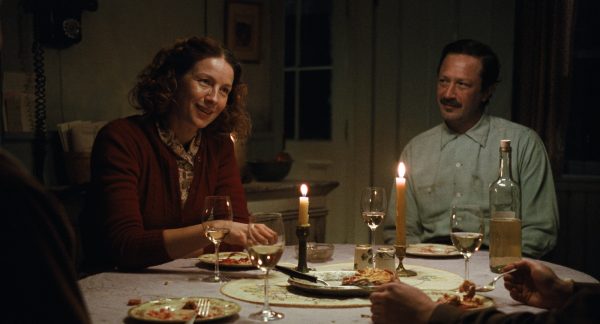
As the winter deepens and the cabin grows claustrophobic, Lester—refusing to take on any domestic or matriarchal duties that he deems beneath his outdated sense of manhood—hires a young orphan named Jimmy (D’Pharaoh Woon-A-Tai) to handle the cooking and cleaning. Jimmy’s arrival introduces a new social dynamic into the household, heightening the tension as Lester’s unfiltered bullying and toxic masculinity know no bounds.
Through his observations of Jimmy and his own growing self-awareness, Mikey finally sees his father clearly for who he is: a broken, bitter man whose flaws have terrorized everyone around him. This realization empowers Mikey to reject the cycle of abuse and envision a different future for himself. The film culminates in a scene of powerful emotional catharsis—a natural, unforced climax that balances the sprawling beauty of the harsh landscape with the intimate, quiet tragedy of a broken family learning what it truly means to live and let go.
Supporting Context & Metrics
Literary Adaptation and Cinematic Craft
Andrew Haigh has earned a reputation for crafting sensitive, character-driven narratives that examine human intimacy and alienation (seen in previous works like All of Us Strangers and Weekend). Adapting Colm Tóibín’s short story presented the distinct challenge of expanding a concise, punchy narrative into a feature-length film without diluting its emotional resonance. While critics have noted that the film occasionally feels stretched in its middle acts, Haigh compensates with meticulously paced, quietly powerful dialogue.
Production and Technical Metrics
- Release Year: 2026
- Setting: 1950s Colorado Rocky Mountains (filmed on location with authentic period production design)
- Cinematography: Led by André Turpin, utilizing wide-aspect ratios to contrast the staggering scale of the mountains against the claustrophobic interiors of the family cabin.
- Key Cast & Characters:
- Fred Hechinger as Mikey
- Ebon Moss-Bachrach as Lester
- Caitríona Balfe as Louise
- Kit Connor as Tommy
- Martin Freeman as Uncle Frank
- D’Pharaoh Woon-A-Tai as Jimmy
- David Furr & Manuel Garcia-Rulfo in supporting capacities
Official Statements and Critical Reception
Industry reception for A Long Winter has highlighted its uncompromising approach to historical drama and psychological character studies. Early critical reviews have praised the film’s nuanced handling of complex thematic elements, earning it a strong rating of 4 out of 5 stars from leading independent film outlets like Flickering Myth.
"Andrew Haigh’s adaptation does not offer easy comforts or neat narrative resolutions. Instead, it leans into the freezing discomfort of its setting to force its characters—and the audience—to confront uncomfortable truths about love, domestic tyranny, and the courage required to break generational cycles." — Film Critic Analysis
Cast members have similarly expressed profound respect for the emotional weight of the project. Speaking on the challenges of portraying the oppressive patriarchal figure of Lester, Ebon Moss-Bachrach noted in early press materials the importance of examining the historical roots of toxic masculinity without softening the character’s cruelty. Meanwhile, Fred Hechinger’s portrayal of Mikey has been singled out by festival critics as a masterclass in subtlety, charting a young man’s internal earthquake through micro-expressions and quiet resilience rather than explosive dialogue.
Future Outlook
As A Long Winter rolls out across international film festivals and prepares for a wider theatrical release in 2026, its trajectory suggests it will be a major contender during the upcoming awards season. The film positions itself securely within the prestige drama category, appealing to cinephiles who appreciate deliberate pacing, high-caliber auteur filmmaking, and emotionally resonant performances.
Looking ahead, the collaboration between Andrew Haigh and this powerhouse ensemble—combining established veterans like Martin Freeman and Ebon Moss-Bachrach with rising talents like Fred Hechinger, Kit Connor, and D’Pharaoh Woon-A-Tai—signals a shifting paradigm in how historical family dramas are approached. By seamlessly blending queer coming-of-age themes with environmental isolation and period-accurate psychological constraints, A Long Winter leaves an indelible mark on contemporary cinema, proving that stories of quiet endurance often resonate the loudest.







Belum ada komentar. Jadilah yang pertama berkomentar!