For discerning global art lovers, the Seto Inland Sea represents one of the most compelling cultural landscapes of the 21st century—a confluence of maritime heritage, architectural innovation, and world-class contemporary curation. A newly released 2-night, 3-day travel itinerary details a comprehensive journey connecting the aviation gateway of Okayama Momotaro Airport with the contemporary galleries of Naoshima Island, the historic Western art treasuries of Kurashiki, and the feudal-era splendors of Okayama City.
Designed specifically for travelers arriving at Okayama Momotaro Airport by approximately 9:00 AM on Day One, this meticulously planned route leverages integrated regional transit networks—including airport limousine buses, West Japan Railway (JR) lines, local ferries, and trams—to navigate across prefecture lines. Over the course of three days, visitors encounter a striking aesthetic duality: the subterranean, light-sculpted modernism of Tadao Ando’s architectural marvels on Naoshima, and the enduring classical elegance of Japan’s first private Western art institution, the Ohara Museum of Art, alongside traditional Japanese landscape gardens and castles.
However, executing this ambitious itinerary requires careful pre-trip coordination. Because critical cultural venues like the Chichu Art Museum operate on strict timed-entry reservation systems, and island transit infrastructure relies on infrequent ferry and bus schedules, advance logistical planning is paramount. This report provides an exhaustive, authoritative breakdown of the itinerary, contextualizing its cultural highlights, transit metrics, and practical travel advisories.
Detailed Chronology: A 3-Day Art and Heritage Expedition
Day 1: Arrival, Maritime Transit, and the Subterranean Masterpieces of Naoshima
Morning: From Airport to the Seto Inland Sea
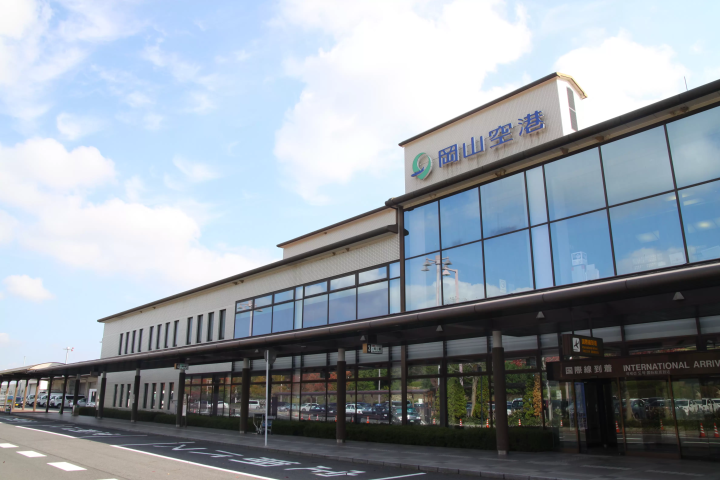
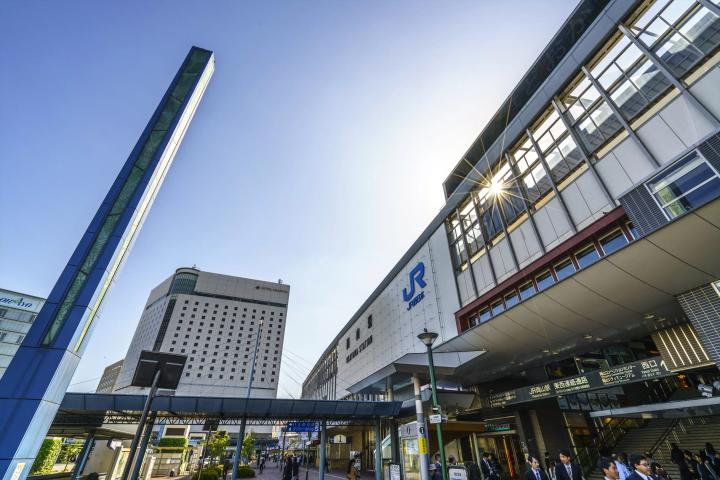
The journey commences at Okayama Momotaro Airport (located approximately 15 kilometers northwest of central Okayama City). Travelers landing by 9:00 AM board an airport shuttle bus from the arrivals terminal directly to the West Exit of JR Okayama Station, a swift 30-minute transit.
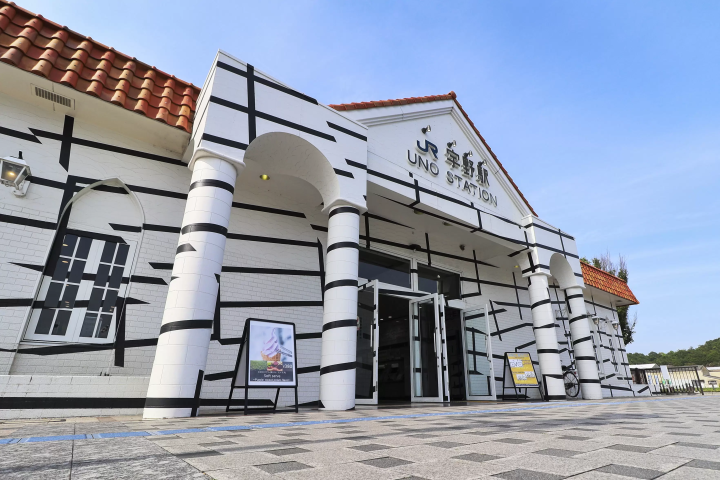
Upon reaching Okayama Station, passengers transfer to the JR Uno Line (Uno Minato Line). Depending on the timetable, travelers may take a direct service or execute a brief, seamless transfer at Chayamachi Station. The rail segment to Uno Station requires roughly 50 to 57 minutes.
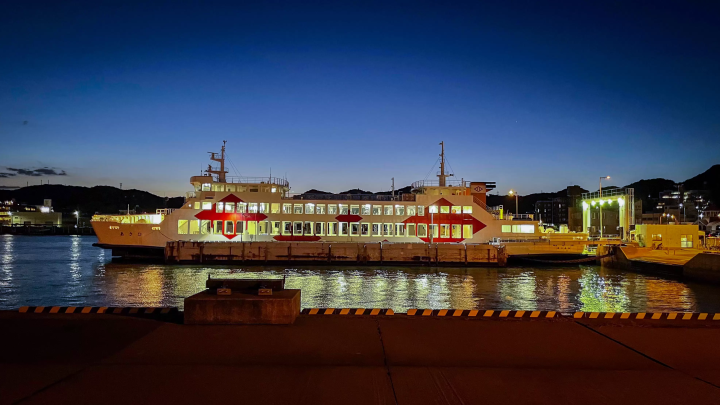
Exiting Uno Station, visitors undertake a brief three-minute walk to Uno Port in Tamano City. Here, travelers board a Shikoku Kisen ferry bound for Miyanoura Port on Naoshima Island. The maritime crossing takes approximately 20 minutes, offering sweeping views of the island-dotted Seto Inland Sea. To maintain schedule integrity, travel planners strongly recommend targeting the midday ferry departing Uno Port at 12:15 PM, arriving at Miyanoura Port at 12:35 PM.
Afternoon: Navigating Naoshima’s Contemporary Art Landscape
Upon docking at Miyanoura Port, visitors navigate the island via the Naoshima Town Bus system, boarding from platform number 2 toward "Tsutsuji-so." After a 12-to-16-minute coastal ride, passengers arrive at the Tsutsuji-so terminal, where they transfer to the Benesse Art Site Naoshima free shuttle bus. This secondary shuttle delivers guests to the Chichu Art Museum Ticket Center within seven minutes, followed by a final five-minute uphill walk to the museum itself.
1. Chichu Art Museum
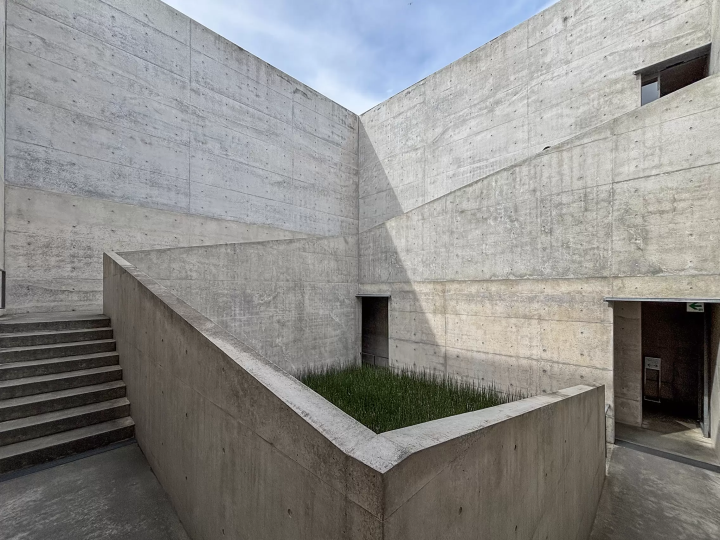
Designed by Pritzker Prize-winning architect Tadao Ando, the Chichu Art Museum is an engineering and aesthetic masterwork. To preserve the pristine topography and natural vistas of the Seto Inland Sea, the vast majority of the facility is buried deep underground. The museum permanently houses site-specific installations by legendary masters: Claude Monet’s iconic Water Lilies series, large-scale optical light sculptures by James Turrell, and Walter De Maria’s monumental geometric installations. Natural sunlight—carefully channeled through skylights and architectural cutouts—serves as a dynamic medium, shifting the appearance of the artworks throughout the day.
Estimated Stay: 90 minutes.
Logistical Note: The Chichu Art Museum enforces a mandatory online advance reservation system tied to specific date and time slots. Travelers are advised to secure tickets well in advance, targeting a 2:00 PM to 3:00 PM entry slot. (Note: The museum is slated for extended maintenance closures from January 12 to March 19, 2027).
2. Benesse House Museum and Outdoor Installations
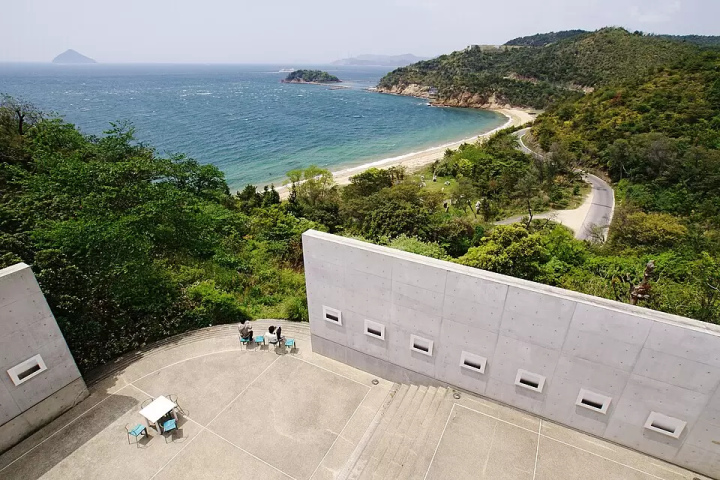
Departing the Chichu Art Museum, visitors take the free shuttle bus back to the ticket center and transfer to the route servicing the Benesse House Museum-shita stop. Also designed by Tadao Ando, this institution merges a contemporary art museum with a luxury resort hotel. The building’s open architecture frames the surrounding sea and coastlines as living canvases.
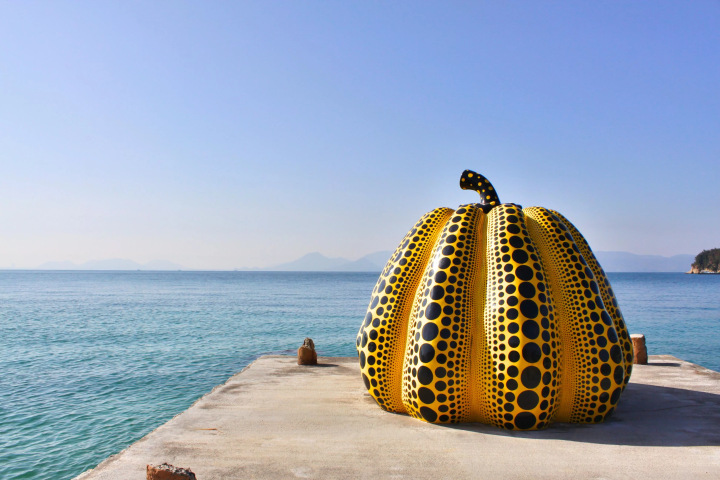
Surrounding the museum grounds and stretching along the coastal paths are numerous outdoor art installations, most notably Yayoi Kusama’s iconic polka-dotted Pumpkin. Strolling these seaside corridors allows visitors to experience the total synthesis of contemporary art, modernist architecture, and Setouchi nature.
Estimated Stay: 60 minutes for the museum; 20–30 minutes for outdoor grounds.
Logistical Note: While the museum itself remains open until 9:00 PM, island shuttle buses and public town buses cease operations much earlier. Visitors must carefully calculate their return transit to avoid becoming stranded.
Evening: Return to Uno Port and Lodging
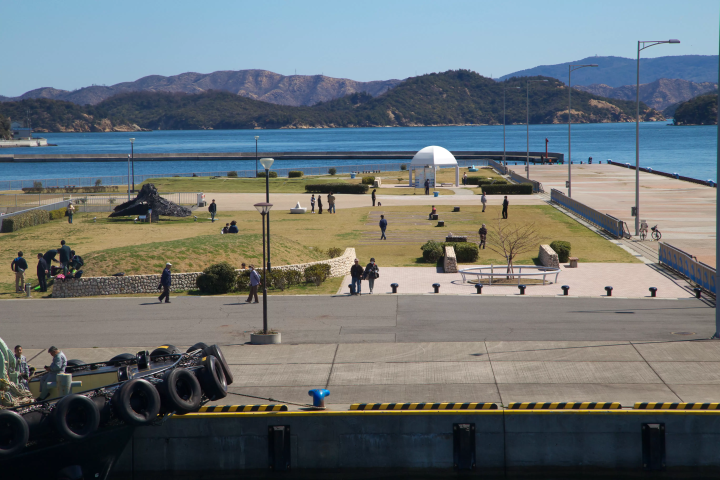
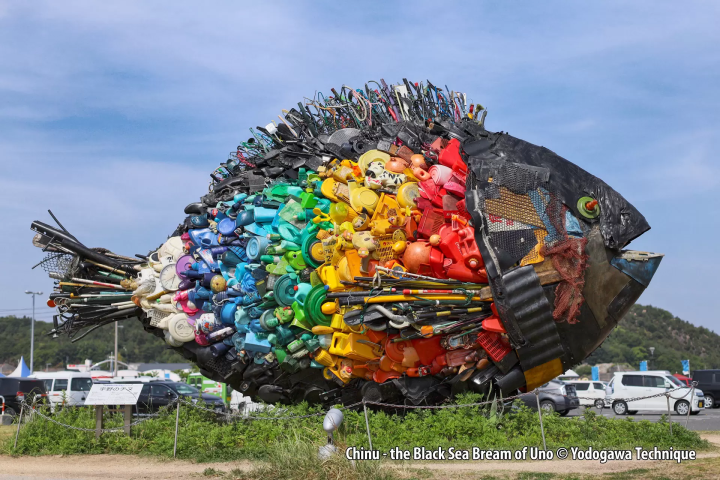
In the evening, visitors retrace their route via the island’s town and shuttle bus network back to Miyanoura Port. Catching a late-evening ferry—such as the service departing Miyanoura Port at 19:02 and arriving at Uno Port at 19:22—brings travelers back to Tamano City. The first night’s accommodations are concentrated around Uno Port, allowing travelers to experience the port’s own scattered outdoor art installations the following morning.
Day 2: The White-Walled Canvases of Kurashiki and Western Masterpieces
Morning: Rail Transit to the Bikan Historical Quarter
Checking out of the Tamano City hotel, travelers walk to JR Uno Station and board the JR Uno Line back toward Okayama Station (50–57 minutes, with potential transfer at Chayamachi). At Okayama Station, passengers make an immediate cross-platform transfer to the JR Sanyo Main Line bound for Kurashiki and Fukuyama. The express rail segment to Kurashiki Station takes a mere 17 minutes.
From the South Exit of Kurashiki Station, visitors proceed down Kurashiki Chuo Street, arriving at the world-famous Kurashiki Bikan Historical Quarter within a 15-minute walk. Alternatively, visitors prioritizing comfort can hire a taxi or rental car from Uno Port, driving roughly 50 to 60 minutes across the mainland.
Midday: The Ohara Museum of Art
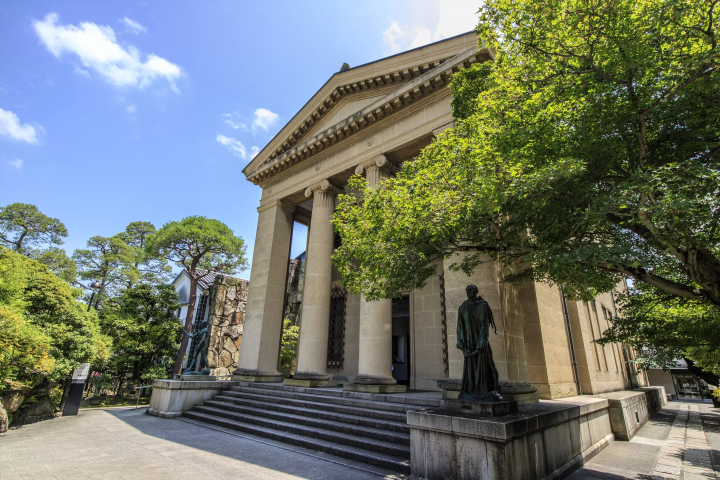
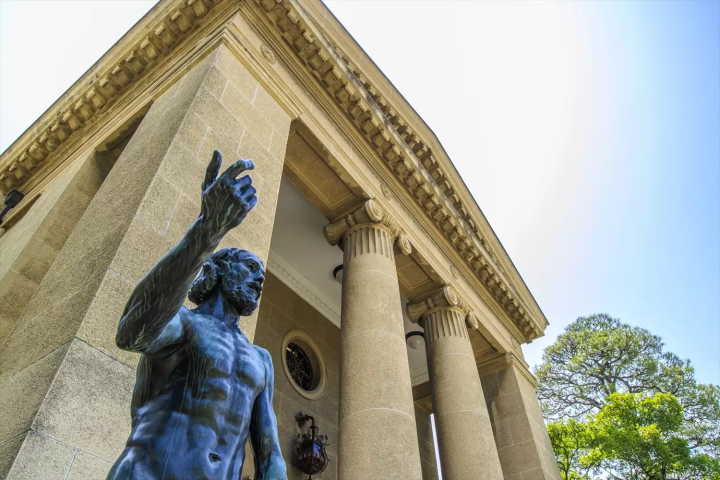
At the heart of the Bikan Historical Quarter stands the Ohara Museum of Art, established in 1930 by visionary businessman Magosaburo Ohara. Recognized as Japan’s first private museum dedicated to Western art, the institution was founded to foster cultural enrichment and features a collection born from the collaborative efforts of Ohara and painter Kojima Torajiro.
The main building—a neoclassical structure featuring striking reinforced-concrete columns disguised via traditional plastering techniques—houses an extraordinary roster of Western masterworks. Visitors can examine original pieces by El Greco (The Annunciation), Claude Monet (Water Lilies), Paul Gauguin, Henri Matisse, and Auguste Renoir, alongside modern and contemporary Japanese art and ancient Egyptian artifacts.
Estimated Stay: 90 to 120 minutes.
Logistical Note: Operating hours vary seasonally. During winter months (December through February), the museum closes early at 3:00 PM (last entry at 2:30 PM), making a morning arrival imperative.
Afternoon & Evening: Exploring the Bikan District and Overnight in Okayama
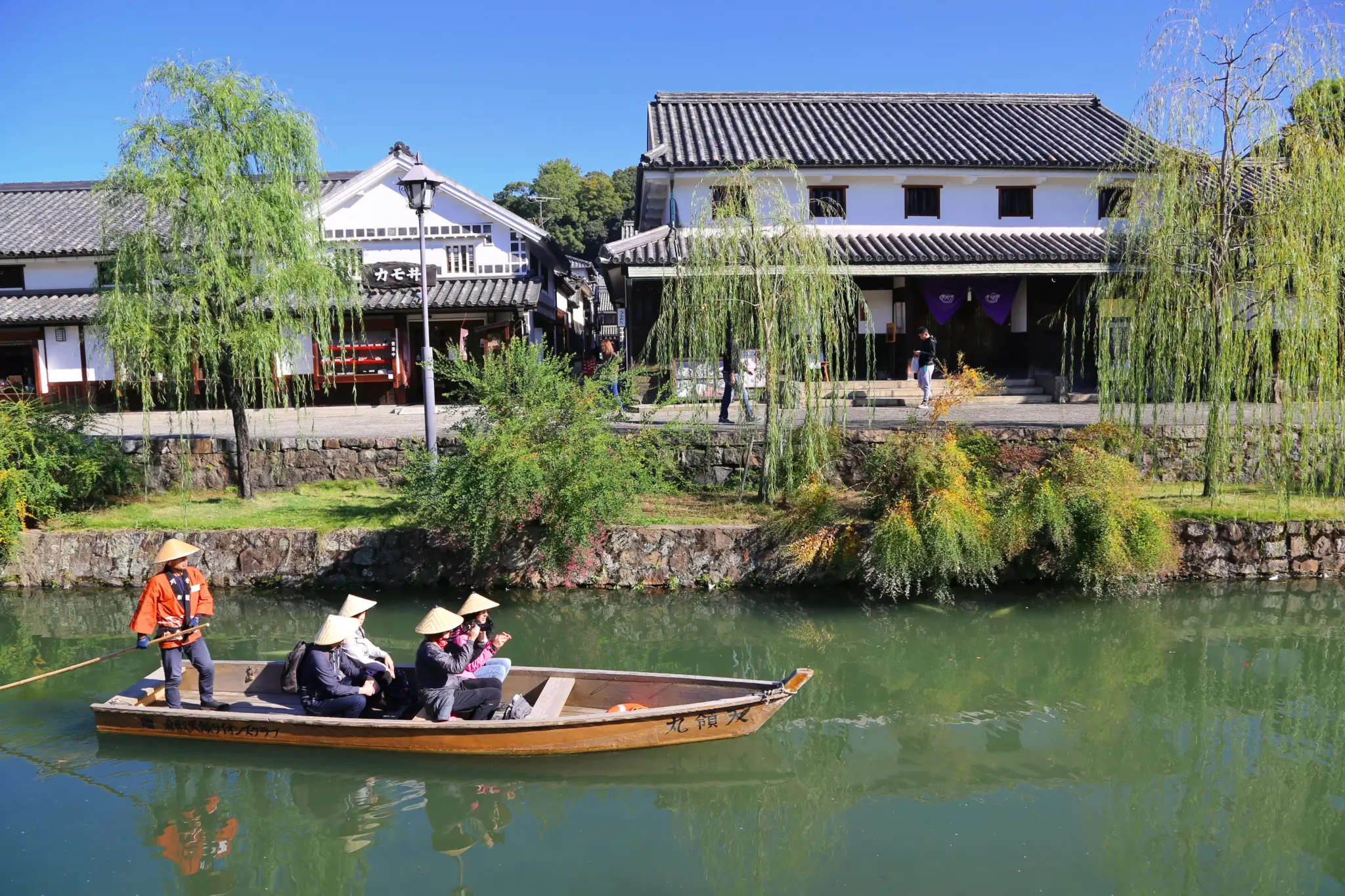
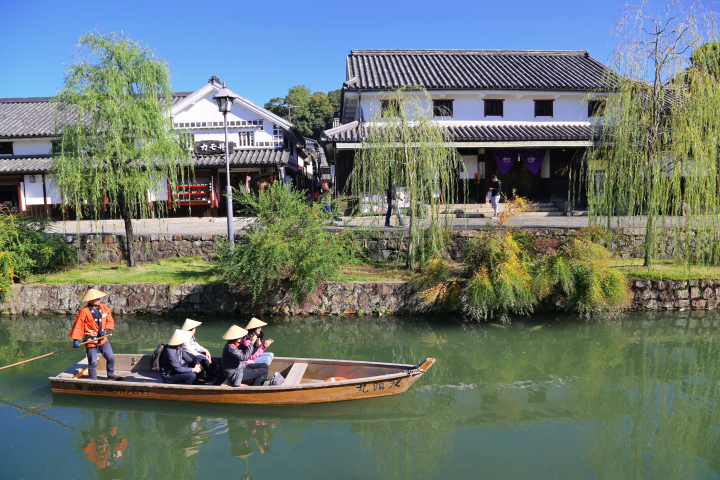
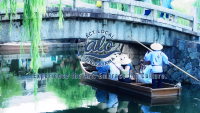
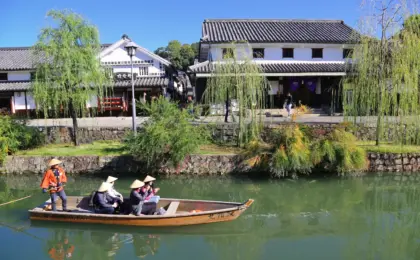
Following the museum visit, travelers spend the afternoon wandering the Kurashiki Bikan Historical Quarter. Characterized by willow-lined canals, classic black-and-white namako (lattice) walls, and centuries-old rice storehouses repurposed into stylish boutiques, artisan craft shops (featuring local Kurashiki canvas and denim), and specialty cafes, the district bridges Edo-period history with modern Japanese design.
For dinner, visitors sample local Setouchi gastronomy before boarding the JR Sanyo Main Line for a 17-minute return journey to Okayama Station. The second night is spent in Okayama City, positioning travelers ideally for the final day’s urban cultural tour.
Day 3: Taisho Romanticism, Feudal Gardens, and Royal Castles
Morning: The Yumeji Art Museum
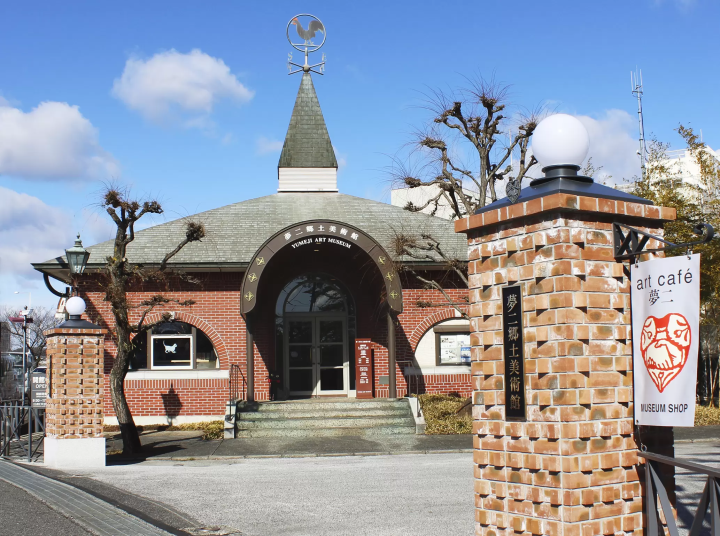
The final day begins with a cultural exploration of Okayama City. Departing the hotel, travelers head to the Korakuen Exit (East Exit) of Okayama Station and board the Okayama Electric Railway Bus (Route 18) from platform number 1, disembarking at the "Horaibashi/Yumeji Art Museum" stop (approx. 15-minute ride). (Alternative transit includes a brief 5-minute tram ride to Shiroshita followed by a 15-minute walk, or a 10-minute taxi ride).
The Yumeji Art Museum occupies a distinguished red-brick facility dedicated to Takehisa Yumeji (1884–1934), a pioneering poet, painter, and graphic designer native to Okayama Prefecture. Yumeji is celebrated as the artistic voice of Taisho Romanticism, famous for his melancholic depictions of large-eyed women in kimonos and his whimsical illustrations of black cats. The museum houses a comprehensive archive of woodblock prints, watercolors, and design objects. Visitors can also patronize the on-site cafe—frequented by a resident black cat named "Kuronosuke," modeled after Yumeji’s famous feline subjects—and explore the exclusive museum shop.
Estimated Stay: 45 to 60 minutes.
Late Morning: Okayama Korakuen Garden
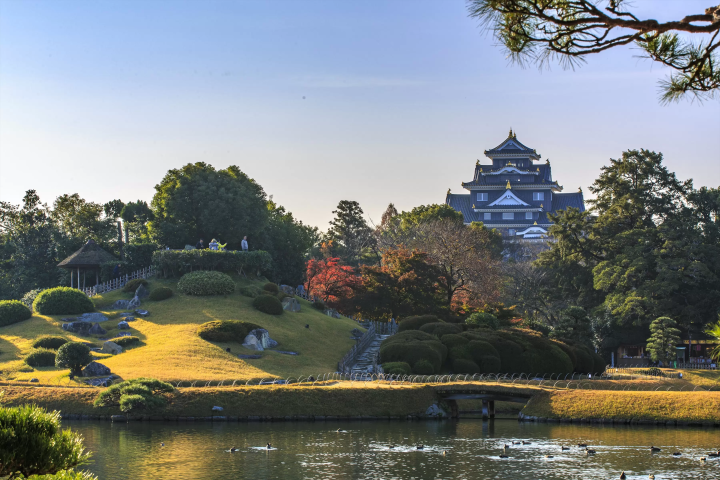
A short 5-to-10-minute walk across the Horai Bridge spanning the Asahikawa River leads travelers to the main gate of Okayama Korakuen Garden. Commissioned in the late 17th century by Tsunamasa Ikeda, the second feudal lord of the Okayama domain, Korakuen is officially designated as a Special Place of Scenic Beauty and ranks among the Three Great Gardens of Japan.
Spanning vast lawns, winding streams, tranquil ponds, and historic teahouses, the garden reflects the refined aesthetics of the Edo period. Unlike conventional landscape gardens, Korakuen integrates expansive open grass fields—unusual for Japanese garden design—alongside traditional wooded groves and plum orchards, offering panoramic views that change dramatically across the four seasons.
Estimated Stay: 60 minutes.
Afternoon: Okayama Castle ("Ujo")
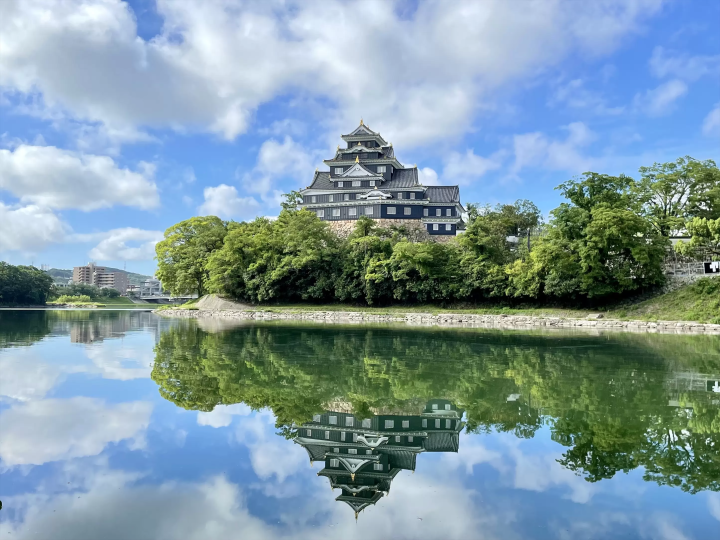
Exiting Korakuen via its South Gate and crossing the Tsukimi Bridge over the Asahikawa River brings visitors directly to Okayama Castle. Affectionately nicknamed Ujo ("Crow Castle") due to its striking black-lacquered wood siding, the original castle structure dates back to the late 16th century, built by Ukita Hideie, a prominent vassal of Toyotomi Hideyoshi.
Though the original keep was destroyed during World War II air raids in 1945, a meticulous reconstruction now houses extensive historical exhibitions detailing the castle’s feudal lineage. Visitors can ascend to the upper floors for sweeping 360-degree views of the Asahikawa River, Korakuen Garden, and the Okayama urban skyline, and even participate in traditional Bizen pottery-making workshops located on the ground floor.
Estimated Stay: 45 to 60 minutes.
Departure: Return to Okayama Airport
Concluding the itinerary, travelers walk approximately 10 minutes from Okayama Castle to the "Shiroshita" tram stop, boarding a 5-minute tram to Okayama Station. From the West Exit bus terminal (Platform 21), passengers catch the airport limousine bus for the final 30-minute transit to Okayama Momotaro Airport, ensuring ample time for flight check-in and departure procedures.
Supporting Context & Metrics
To assist independent travelers and tour operators in replicating or modifying this itinerary, key operational metrics have been consolidated below:
Trip Metrics & Parameters
Total Duration: 2 nights, 3 days.
Geographic Scope: Okayama Momotaro Airport $rightarrow$ Tamano City/Uno Port $rightarrow$ Naoshima Island $rightarrow$ Kurashiki City $rightarrow$ Okayama City.
Primary Transport Modes: Airport shuttle bus, JR regional rail lines, local buses, city trams, foot power, and passenger/vehicle ferries.
Accommodation Footprint:
Night 1: Tamano City (Vicinity of Uno Port).
Night 2: Okayama City (Vicinity of Okayama Station).
Museum Admissions (Chichu Art Museum, Ohara Museum, Yumeji Museum, Korakuen, Castle): ~5,000–6,000 JPY total.
Official Statements & Regional Tourism Guidelines
Regional tourism authorities and cultural institutions emphasize the necessity of rigorous preparation when navigating the Setouchi art islands and mainland Okayama.
"The Seto Inland Sea region offers an unprecedented synthesis of historic preservation and radical contemporary architecture. However, because our island venues—such as the Chichu Art Museum—are engineered to harmonize intimately with their natural environments, visitor capacities are strictly controlled. Travelers must treat advance reservations not as an option, but as a core component of their travel architecture."
— Regional Cultural Tourism Bureau Statement
Fixed-Rate Taxi Options: For groups or travelers seeking to minimize transit friction, fixed-rate direct taxis operate from Okayama Momotaro Airport to Uno Port for under 16,600 JPY (standard vehicle class, advance reservation required).
Maintenance Schedules: Major cultural facilities enforce seasonal closures. Notably, the Chichu Art Museum schedules extended maintenance periods (such as January 12 to March 19, 2027), during which public access is suspended.
Weather Contingencies: Maritime ferry services between Uno Port and Naoshima are subject to weather delays or cancellations during severe sea conditions. Travelers should monitor official Shikoku Kisen service status portals daily.
Future Outlook
As global interest in sustainable, slow-paced cultural tourism accelerates, itineraries bridging regional Japanese aviation hubs with avant-garde island destinations are poised for substantial growth. The Okayama-Naoshima-Kurashiki corridor serves as a benchmark for regional destination marketing, successfully marrying feudal heritage preservation with world-class contemporary art patronage.
Future developments in regional transport—including ongoing enhancements to JR West digital ticketing systems and increased integration of multilingual transit apps—promise to further streamline multi-modal travel across Okayama and Kagawa prefectures. Nevertheless, the fundamental ethos of the Setouchi art pilgrimage remains unchanged: it is an expedition that rewards patience, careful planning, and a deep appreciation for the delicate balance between human artistic expression and the timeless beauty of the Seto Inland Sea.
















Belum ada komentar. Jadilah yang pertama berkomentar!