

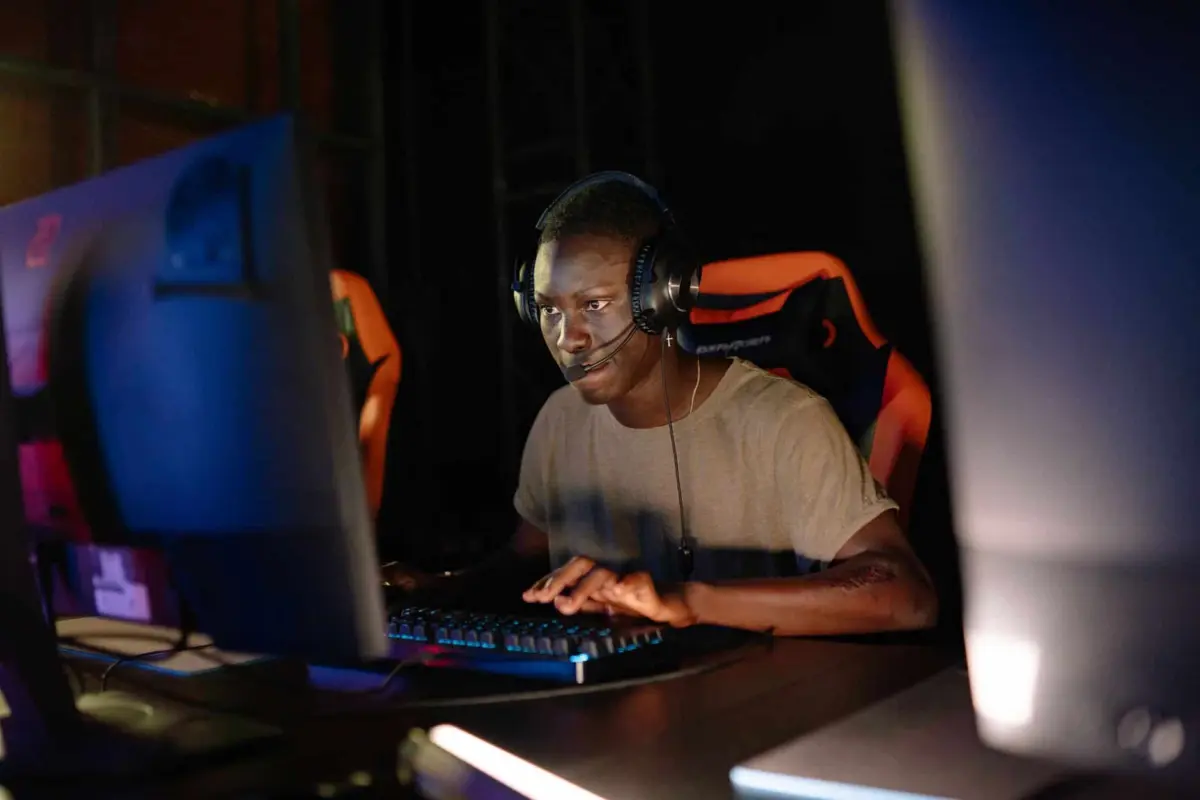
SUZHOU, CHINA — In what is already being heralded as one of the most surprising upsets of the early tournament season, FaZe suffered a devastating 2-0 defeat at the hands of Alliance in their opening fixture at the FISSURE Playground 3. Held against the backdrop of Suzhou, China, this high-stakes matchup was widely projected to be a routine victory for the tournament favourites, FaZe. Instead, it turned into a tactical masterclass executed by a Swedish lineup that had been entirely absent from competitive servers for nearly two months.
The consequences of this opening-round disaster are immediate and severe. Rather than settling comfortably into the upper echelons of the tournament brackets, FaZe find themselves thrust headfirst into the treacherous waters of the lower bracket, where a single misstep will spell elimination. Meanwhile, Alliance’s triumphant return to the competitive tier serves as a potent reminder that rust does not always equate to weakness, instantly rewriting the narrative of the Suzhou event.
Executive Overview: The Fall of the Favourites
When the brackets for FISSURE Playground 3 were finalized, few analysts predicted a stumbling block for FaZe in their opening match. Entering the tournament as heavy favourites, the international powerhouse boasted a roster featuring some of the most decorated names in the game. Conversely, Alliance stepped onto the LAN stage under heavy question marks. Ranked outside the top 20 on the VRS standings, the Swedish side had spent the preceding two months in complete competitive inactivity, leading many to write off their chances against elite global opposition.
However, the server environment proved entirely indifferent to pre-match expectations. Alliance dismantled FaZe systematically across two maps—Ancient and Nuke—displaying a level of discipline, mid-round adaptability, and individual brilliance that caught their opponents flat-footed.
For FaZe, this defeat exposes deep-seated vulnerabilities in roster cohesion and momentum management. Despite stellar individual heroics from veteran pillars, the team’s inability to secure critical pistol rounds and maintain map control when holding advantageous positions proved fatal. As the tournament moves forward, FaZe must address these glaring structural flaws rapidly if they hope to salvage their campaign from the lower bracket.
Detailed Chronology: Map-by-Map Breakdown
Map 1: Ancient — Alliance Draw First Blood
The opening map of the series took place on Ancient, chosen by Alliance as their map selection. Conventional wisdom suggested that FaZe would easily outpace the underprepared Swedes on tactical defaults and individual duels. Yet, Alliance signaled their intent immediately by taking the opening pistol round, setting a confident tone for the first half.
What followed was a bruising, back-and-forth tactical battle. FaZe attempted to impose their tempo, but Alliance matched them step-for-step, denying entry points and punishing overextensions. By the time the halftime whistle blew, the scoreboard reflected a tense 6-6 deadlock, leaving the door wide open for either side to seize control.

The second half, however, belonged firmly to the underdog. Alliance mirrored their first-half success by converting the second pistol round, breaking FaZe’s nascent economy and building a crucial momentum shield. Despite a monumental 26-kill masterclass from FaZe’s Russel "Twistzz" Van Dulken—who worked tirelessly to drag his team across the finish line—Alliance’s coordinated defensive setups held firm. The Swedish squad closed out Ancient with a disciplined 13-9 scoreline, taking a 1-0 series lead and instantly throwing the tournament favourites onto the back foot.
Map 2: Nuke — The Decisive Collapse
Staring down the barrel of a clean sweep, FaZe entered Nuke needing an immediate response. Instead, their structural woes on the map deepened. Compounding their tactical troubles, FaZe failed to secure a single pistol round across the entire map.
The low point of FaZe’s defensive half arrived during the second pistol round, where they squandered a commanding 3v1 man-advantage—a catastrophic tactical error that shifted the psychological momentum decisively toward Alliance. Despite this crushing blunder, FaZe showed flashes of resilience. Bolstered by strong individual plays from Ryan "Neityu" Aubry, FaZe clawed their way back from the brink, fighting tooth and nail to level the score at 10-10.
With the tension in the Suzhou arena palpable, overtime loomed large as the inevitable destination for the map. Neither team could afford a single error. However, it was Jonatan "bobeksde" Persson who ultimately shattered FaZe’s hopes. On match point, Persson delivered a stunning four-kill round that broke the FaZe defense wide open, sealing a 13-11 victory on Nuke and completing a sensational 2-0 series sweep for Alliance.
Supporting Context & Metrics: Analyzing the Numbers
A microscopic look at the match statistics illuminates why Alliance emerged victorious and why FaZe’s roster struggled so profoundly.
Alliance: Precision and Star Power
Alliance’s victory was built on the backs of their veteran core, who turned their two-month layoff into an advantage by presumably spending the time in deep preparation and anti-stratting.
- Simon "twist" Eliasson: The seasoned Swedish sniper anchored his team with remarkable consistency, finishing as Alliance’s highest-rated player with an impressive 1.34 rating. His opening duel wins repeatedly disrupted FaZe’s initial map control attempts.
- Jonatan "bobeksde" Persson: Serving as the closer, Persson was instrumental in shutting down FaZe’s comeback attempts. He accumulated 40 total kills across the two maps and posted a stellar 1.31 rating, punctuated by his series-clinching quadruple kill on Nuke.
FaZe: A One-Man Show
While FaZe boasted elite talent on paper, the statistical disparity between their star player and the rest of the roster was staggering.

- Russel "Twistzz" Van Dulken: Twistzz did everything in his power to keep FaZe afloat, leading the team with a 1.22 rating and anchoring the fragging department, particularly during the Ancient battle where he secured 26 kills.
- The Negative Differential Crisis: Beyond Twistzz, FaZe’s structural integrity collapsed under Alliance’s pressure. Jason "JBOEN" Boe Nielsen, David "frozen" Čerňanský, and Jakub "jcobbb" Pietruszewski all finished the series with negative kill differentials. The collective inability of FaZe’s supporting cast to win crucial individual duels left them incapable of mounting effective retakes or sustaining multi-map momentum.
Official Statements and Reactions
The esports community reacted with immediate shock as news of the sweep reverberated across social media and specialized media outlets. Prominent coverage from Dust2.us highlighted the result as an outright disaster for FaZe, noting that "FaZe’s run at the event [is] already under threat" before the tournament has even found its rhythm.
Meanwhile, HLTV analysts underscored the sheer unpredictability of Alliance’s return, observing that the Swedish side stepped back onto the LAN circuit after nearly two months of absolute silence to win "with a bang."
Within the FaZe camp, the mood is reportedly one of intense introspection. While coaching staff and players have yet to release extensive post-match press statements, sources close to the team indicate that emergency reviews are underway to diagnose the communication breakdowns that led to the Nuke pistol-round collapse and the subsequent loss of map control.
Future Outlook: The Road Through the Lower Bracket
For Alliance, this victory serves as a massive psychological boost. Having proven that their extended break did nothing to dull their competitive edge, the Swedish squad now advances deeper into the upper bracket with renewed confidence, silencing the critics who questioned their top-20 VRS ranking.
Conversely, FaZe faces an unforgiving road ahead. Relegated to the lower bracket of FISSURE Playground 3, there is zero room for error. Their immediate hurdle will be a dangerous fixture against magic, a team equally hungry to capitalize on any signs of vulnerability from the international heavyweights.
If FaZe are to make a deep run in Suzhou and reclaim their status as elite contenders, they must radically overhaul their pistol-round strategies, address the glaring individual performance gaps across the roster, and rebuild the synergy that once made them the most feared team in the world. The lower bracket offers no pardons—FaZe must adapt immediately, or risk an early, humiliating exit from China.




Belum ada komentar. Jadilah yang pertama berkomentar!