


Executive Overview
The landscape of cinema in 2026 has been a fascinating paradox. While mainstream Hollywood continues to grapple with shifting audience demographics, risk-averse franchise strategies, and the existential threat of automated content generation, a counter-movement has quietly flourished. Outside the safety nets of pre-packaged IP, a cadre of uncompromising auteurs has delivered some of the most daring, divisive, and idiosyncratic films in recent memory.
A true "creative swing" in filmmaking is a high-stakes gamble. It is an intentional step away from formula, inviting the very real possibility of alienating critics, confounding mainstream audiences, and tanking at the box office. Yet, these are precisely the projects that forge long-term legacies, incubating slow-burn cult adoration and redefining the boundaries of the medium.

While 2026 saw its share of magnificent technical masterclasses—such as Christopher Nolan’s towering, practical-effects-driven rendition of The Odyssey, and Denis Villeneuve’s inevitable sci-fi triumph in the Dune saga—these projects operated within expected, albeit elevated, parameters. True disruption demands total creative autonomy. This review investigates the three most daring, uncompromising, and distinct auteur-driven films of 2026: Alejandro González Iñárritu and Tom Cruise’s biting satire Digger, Bi Gan’s visionary sci-fi epic Resurrection, and Jane Schoenbrun’s subversive, neon-drenched phantasmagoria, Teenage Sex and Death at Camp Miasma.
Detailed Chronology: The Year in Daring Cinema
The theatrical calendar of 2026 unfolded in distinct waves, contrasting the predictable hum of studio blockbusters with seismic shocks from independent and international markets.

Q1–Q2: The Illusion of Safety and Early Indulgence
As the year commenced, Hollywood attempted to stabilize its box office footing with familiar formulas. Spider-Man: Brand New Day arrived early in the cycle, providing a much-needed financial win for the MCU by stripping away overly complex multiversal bloat in favor of a focused, cinematic narrative. It proved that audiences were still hungry for comic book adaptations, provided they felt like structured films rather than assembly-line products.
Simultaneously, the horror space saw clever, calculated swings. Curry Barker, transitioning from YouTube sensation to feature filmmaker with Obsession, upgraded the classic "cursed monkey paw" template into a tightly wound, highly polished indie horror. While Obsession successfully subverted expectations while respecting genre roots, it remained within a commercially viable comfort zone.

Q3: The Summer of Disruption and Division
By mid-year, the true heavyweights of auteur ambition entered the arena. The summer and early autumn windows bore witness to the release of Alejandro González Iñárritu’s Digger and Jane Schoenbrun’s Camp Miasma.
Digger entered the marketplace under a cloud of speculative whispers and polarizing pre-release reactions. Featuring a heavily transformed Tom Cruise—sporting a beer belly and old-age prosthetics—the film was an immediate target for misinterpretation. As it limped through a misunderstood theatrical run, it starkly highlighted the modern disconnect between bold, satiric filmmaking and an increasingly literal-minded ticket-buying public.

Conversely, Camp Miasma found its natural habitat via Mubi, carving out a passionate niche among horror aficionados and trans cinema advocates alike. Its theatrical footprint was modest, pulling in a meager $8 million worldwide, yet its cultural reverberations far outpaced its box office returns.
Q4: The Philosophical Climax
As autumn turned to winter, the release of Bi Gan’s Resurrection capped off a year of profound cinematic exploration. Pushing structural and narrative fragmentation to its absolute limits, Resurrection challenged festival circuits and specialty art-house screens, proving that international cinema remains the vanguard for formal experimentation.

Supporting Context & Metrics: The Economics of Alienation
The financial metrics of 2026’s biggest swings tell a story of high risk and uneven monetary reward.
+-----------------------------------+--------------------+-----------------------+
| Film Title                        | Primary Risk Factor| Box Office Trajectory |
+-----------------------------------+--------------------+-----------------------+
| Digger (Iñárritu/Cruise)          | Satiric Tone/Auteur| Box Office Disappointment / Future Cult Potential |
| Resurrection (Bi Gan)             | Structural Ambiguity| Niche Art-House Success / Critical Darling |
| Camp Miasma (Jane Schoenbrun)     | Subversive Identity| $8M Worldwide / Underperforming Commercial Return |
+-----------------------------------+--------------------+-----------------------+
As the data illustrates, commercial viability rarely aligns with artistic audacity. Films like Digger and Camp Miasma operated on calculated choices that inherently fractured their potential audience pools. In an era dominated by algorithmic focus-grouping and pristine, focus-tested four-quadrant releases, these films actively courted rejection.

Furthermore, the discourse surrounding 2026 cinema has been heavily colored by technological encroachment. The internet chatter surrounding Christopher Nolan’s The Odyssey—including absurd, AI-generated "reboots" floated by tech commentators—underscores a desperate cultural desire to bypass human authorship. Against this backdrop, the unyielding, messy, deeply human idiosyncrasies of films like Digger and Resurrection serve as a vital defense of traditional, auteur-driven craftsmanship.
Official Statements and Industry Discourse
The cinematic community has been vocal regarding the shifting paradigms of risk and reward in 2026. Industry insiders and participating artists have increasingly spoken out about the shrinking space for mid-to-high-budget original visions.

Jane Schoenbrun’s Teenage Sex and Death at Camp Miasma captured this friction particularly well, offering a scathing, hyper-accurate depiction of modern studio notes meetings. The dynamic between an artist’s sprawling, uncompromised vision and the blunt, risk-averse inquiries of corporate executives ("Walk us through it") has become an all-too-familiar ritual for modern filmmakers.
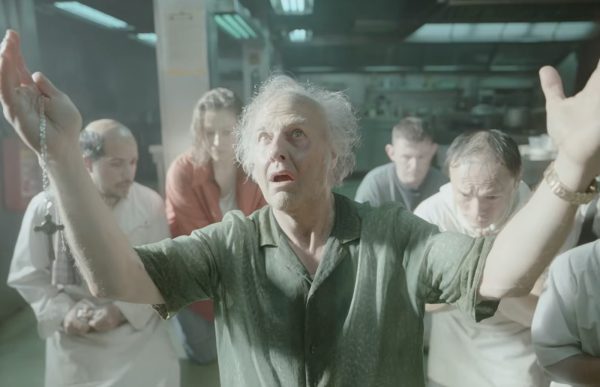
Similarly, fellow directors have rallied around Alejandro González Iñárritu’s Digger. Despite its commercial stumble, the film has enjoyed a fierce wave of solidarity from the filmmaking community. Industry veterans have praised the collaboration between Iñárritu and Tom Cruise as a masterclass in theatrical bravura—a project explicitly designed for the large-format screen that refused to compromise its biting political commentary for the sake of palatability.
Future Outlook: What Remains in the Cultural Memory?
As the industry looks beyond 2026, the legacy of these three films will serve as a bellwether for the health of adventurous filmmaking.
The question every cinephile asks at the close of a cinematic year is simple: Which of these works will be remembered in decades to come?

Safe, elevated blockbusters—such as Nolan’s historical epics or Villeneuve’s sci-fi masterworks—will always secure their place in technical textbooks and IMAX retrospective screenings. However, the films that shape the future of the medium are rarely the ones that please everyone on opening weekend. They are the bruised, brilliant anomalies.
- Digger is destined for future rediscovery, where its complex layers, biting satire on billionaire oligarchs, and Tom Cruise’s most daring performance since Magnolia will finally be stripped of contemporary baggage and reevaluated as a misunderstood masterpiece.
- Resurrection will continue to haunt film theorists and cineastes, standing as a monument to Bi Gan’s refusal to pander to linear narrative expectations, cementing its status as a touchstone for modern sci-fi poetry.
- Camp Miasma will live on as a cult classic, celebrated by generations of horror fans and independent creators who see their own identity struggles and creative frustrations mirrored in its neon-soaked, brilliantly unhinged frames.
Ultimately, 2026 will be remembered not for the films that played it safe, but for the brave few that stepped up to the plate, closed their eyes, and swung for the fences—regardless of whether they struck out or hit a home run.







Belum ada komentar. Jadilah yang pertama berkomentar!