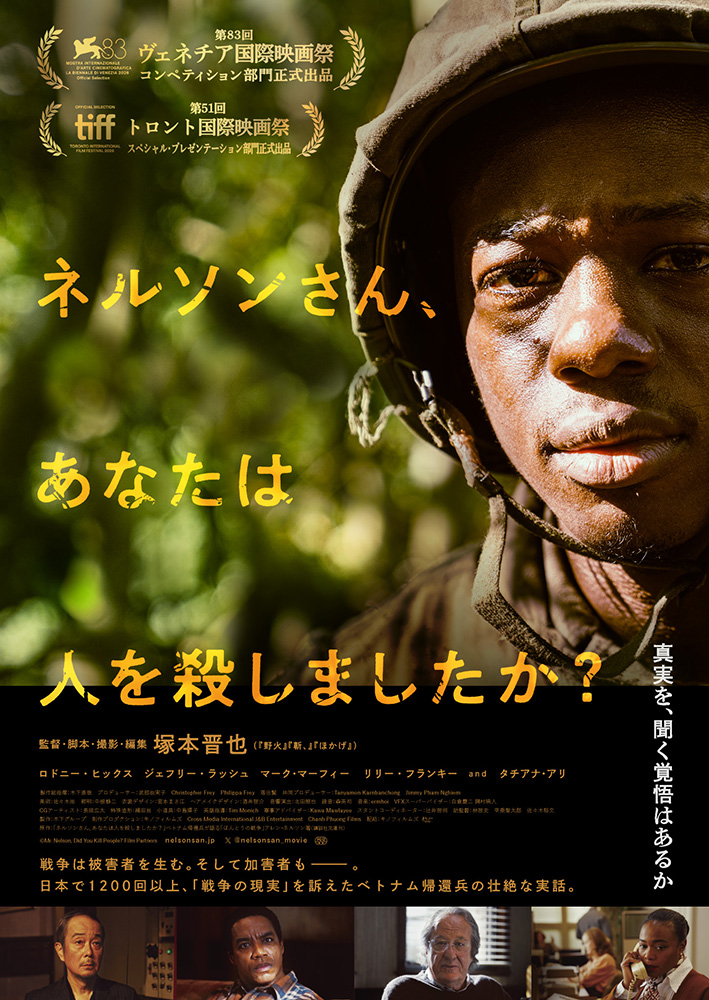
In the sprawling landscape of modern cinema and historical retrospection, few works confront the visceral, psychological, and moral devastation of armed conflict with the unflinching gravity of Tsukamoto Shinya’s documentary project. Titled internationally as Mr. Nelson, Did You Kill People? (known in Japanese production circles as 『塚本晋也が訊く アレン・ネルソン証言集』), the film bridges a profound historical chasm: it brings the harrowing testimony of Vietnam War veteran Allen Nelson to a contemporary generation that has grown increasingly distant from the horrors of the 20th century’s mechanized battlefields.
The documentary, which has garnered international critical acclaim following high-profile screenings at festivals such as the Venice International Film Festival, serves as a vital counterweight to the sanitization of warfare. Tsukamoto, renowned globally for his avant-garde masterworks such as Tetsuo: The Iron Man (1989), Bullet Man (2009), Fires on the Plain (2014), Killing (2018), Shadow of Fire (2023), and Mr. Nelson, Did You Kill People? (2024), has pivoted his distinct cinematic lens toward the documentary format. In doing so, he anchors his lifelong thematic exploration of violence, bodily integrity, and psychological fracturing not in speculative science fiction or historical fiction, but in the raw, unedited reality of a man who crossed the threshold of combat and spent the rest of his life atoning for it.
At its core, Mr. Nelson, Did You Kill People? is not merely a biography of one soldier; it is an interrogation of the institutional machinery that manufactures combatants, the insidious nature of Post-Traumatic Stress Disorder (PTSD), and the enduring moral obligation of bearing witness. As geopolitical tensions rise in the 21st century and the drumbeat of militarization echoes across multiple continents, Tsukamoto’s film arrives as a chilling reminder: the true cost of war does not end when the ceasefire is signed; it reverberates through the minds and souls of survivors for generations.
Detailed Chronology: The Evolution of Tsukamoto’s Anti-War Cinema
To understand the weight of Mr. Nelson, Did You Kill People?, one must trace the trajectory of Tsukamoto Shinya’s career—a trajectory that has progressively moved from the internal, cyberpunk anxieties of the late 20th century to the external, historical realities of state-sponsored violence.
From Industrial Nightmares to Historical Conscience
Tsukamoto first captured global attention with Tetsuo: The Iron Man in 1989, a frenetic, monochrome nightmare of flesh and metal colliding. For decades, his name was synonymous with extreme cinema, bodily transformation, and urban alienation. However, a seismic shift occurred in his filmography with his 2014 adaptation of Ooka Shohei’s classic anti-war novel, Fires on the Plain.
In Fires on the Plain, Tsukamoto placed himself directly in front of and behind the camera, portraying a desperate, starving Japanese soldier abandoned in the Philippine jungle during the closing stages of World War II. The film stripped away any romantic notions of military honor, presenting war as an engine of degradation that forces ordinary men into cannibalism, madness, and spiritual annihilation. This was followed by Killing (2018), a sharp, philosophical period piece set in the Edo period that dissected the psychological rot of the samurai code and the sudden, unromantic terror of taking a human life.
With Shadow of Fire (2023) and subsequently Mr. Nelson, Did You Kill People? (2024), Tsukamoto solidified a cohesive cinematic ethos. He is no longer satisfied with metaphoric depictions of violence; he seeks out direct engagement with historical memory. The journey to Mr. Nelson represents a logical convergence of his artistic obsessions: the vulnerability of the human body, the loss of autonomy under systemic pressure, and the haunting persistence of guilt.
The Encounter with Allen Nelson
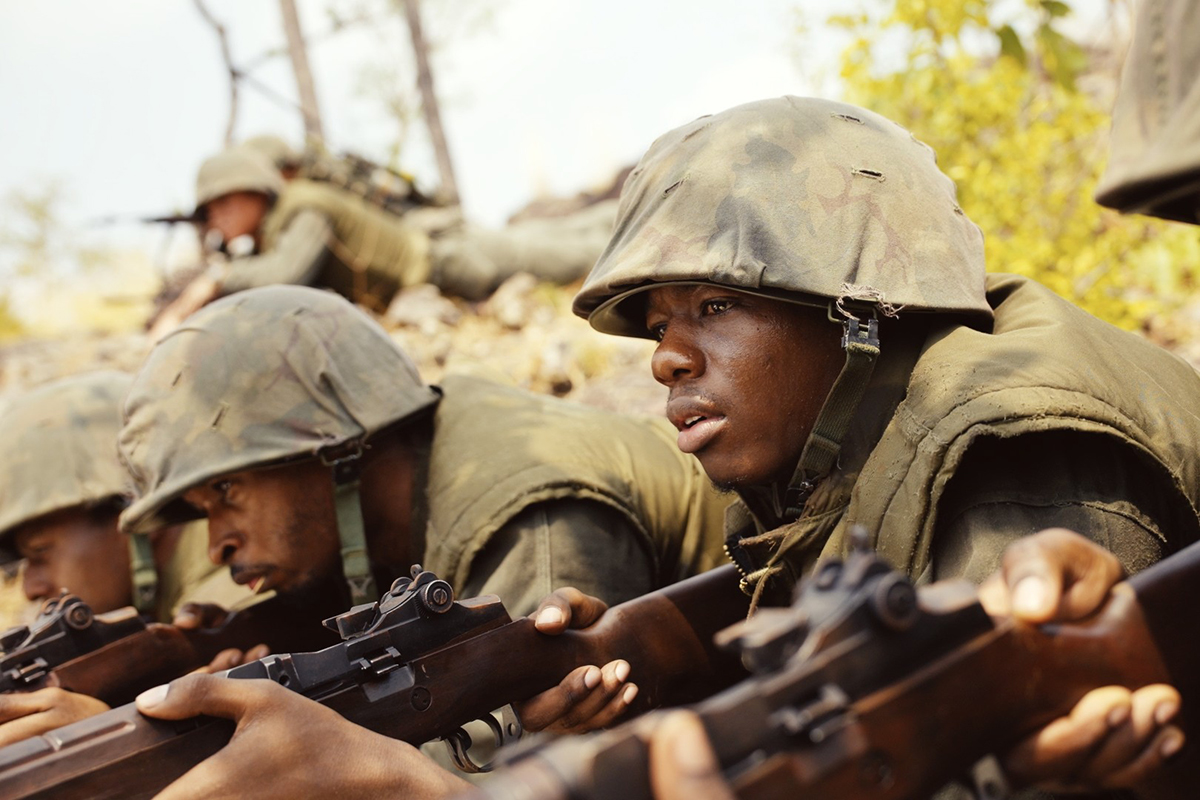
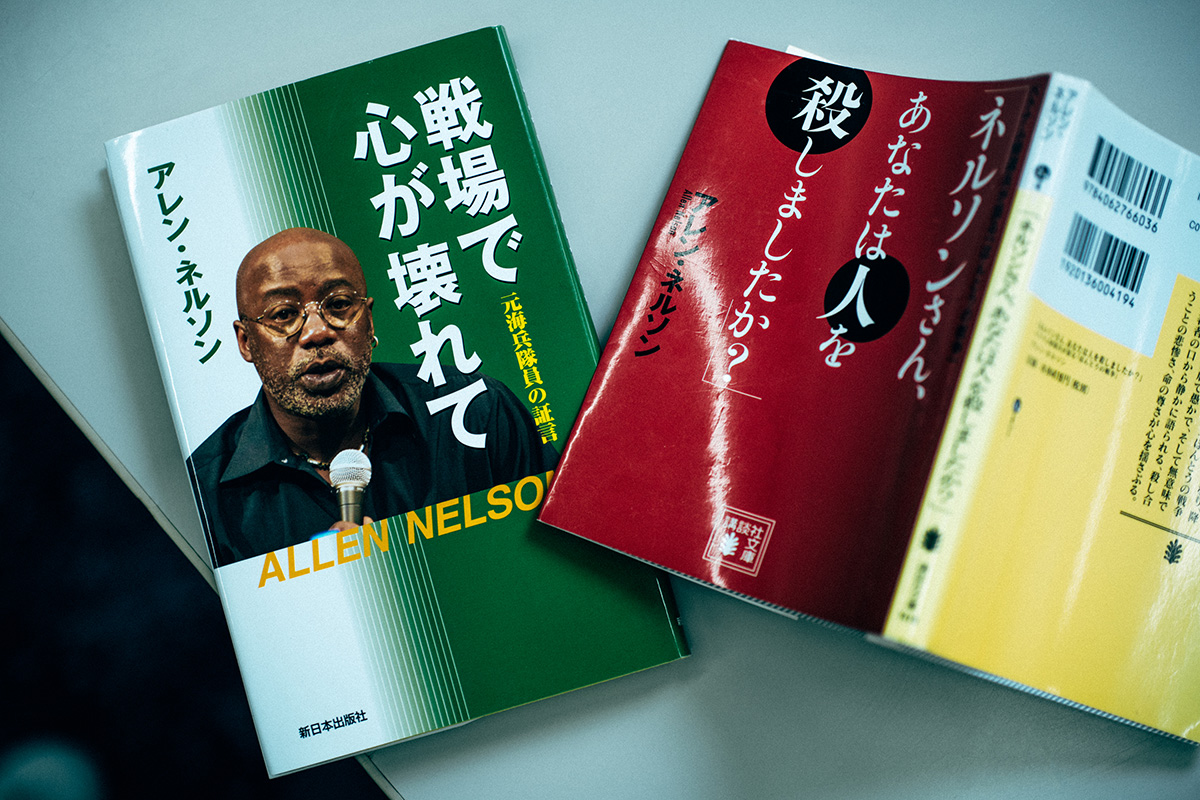
The genesis of Mr. Nelson, Did You Kill People? lies in Tsukamoto’s encounter with Allen Nelson, a former United States Marine who served in the Vietnam War. Nelson was deployed to Vietnam as a young man, caught up in the patriotic fervor of the era. However, the atrocities he witnessed—and participated in—shattered his worldview. Upon returning to civilian life, Nelson did not find peace; instead, he found himself consumed by severe PTSD, profound moral injury, and an overwhelming sense of responsibility for the lives he had taken.
Rather than burying his past, Nelson dedicated the remainder of his life to a tireless anti-war campaign. He traveled globally, speaking to students, civic groups, and filmmakers, sharing his harrowing journey from a brainwashed soldier to a passionate advocate for peace. It was this uncompromising dedication to truth-telling that drew Tsukamoto into Nelson’s orbit.
When Tsukamoto interviewed Nelson, the dialogue transcended a standard documentary Q&A. It became a profound artistic and philosophical exchange between a Japanese filmmaker haunted by his nation’s wartime history and an American veteran haunted by his nation’s imperial interventions. The resulting film captures the stark contrast between Nelson’s youthful photographs—smiling, uniformed, innocent—and the weather-beaten, deeply reflective visage of the elderly man he became.
Supporting Context & Metrics: The Anatomy of Wartime Trauma
The psychological toll documented in Mr. Nelson, Did You Kill People? is supported by decades of psychiatric research and historical data regarding combat veterans. Post-Traumatic Stress Disorder, though formally recognized by the American Psychiatric Association in 1980, has plagued soldiers throughout human history under various monikers, including "shell shock" and "combat fatigue."
The Persistent Legacy of the Vietnam War
The Vietnam War remains one of the most thoroughly studied psychological watersheds of the 20th century. According to historical studies conducted by the Department of Veterans Affairs, a significant percentage of Vietnam veterans experienced partial or full PTSD in the decades following their service.
Metric / Category
Historical Data / Finding
Primary Conflict
Vietnam War (U.S. involvement peaking in the late 1960s to 1973)
Psychological Impact
High prevalence of delayed-onset PTSD, depression, and moral injury
Nelson’s Role
Former U.S. Marine turned lifelong anti-war activist
Film Release Year
2024 (Japan theatrical release via Kino Cinema)
Core Theme
Intergenerational transmission of anti-war sentiment and moral accountability
Unlike previous generations of soldiers who often returned to societies that unquestioningly honored their service, Vietnam veterans frequently encountered hostility, indifference, or painful reminders of a deeply unpopular war. This societal rejection exacerbated their isolation, leading to higher rates of substance abuse, domestic turbulence, and chronic depression.
Allen Nelson’s narrative exemplifies this trajectory, but with a crucial distinction: rather than internalizing his trauma into self-destruction, he externalized it into a weapon for peace. His commitment to visiting schools and educating younger generations served as both personal therapy and public service.
Official Statements and Director’s Vision
In various press conferences and interviews accompanying the release of Mr. Nelson, Did You Kill People?, Tsukamoto Shinya has been articulate about the urgency of his project. Speaking at festival panels, the director emphasized that the film was born out of a growing alarm regarding contemporary global geopolitics.
"When I look at the world today, I feel an overwhelming sense of dread," Tsukamoto noted during a post-screening discussion. "We are seeing a return to the normalization of military buildup, a dangerous amnesia where societies forget what war actually looks like. I wanted to look directly into the eyes of a man who committed acts of war and lived to regret them entirely. Allen Nelson’s voice is a bridge across time."
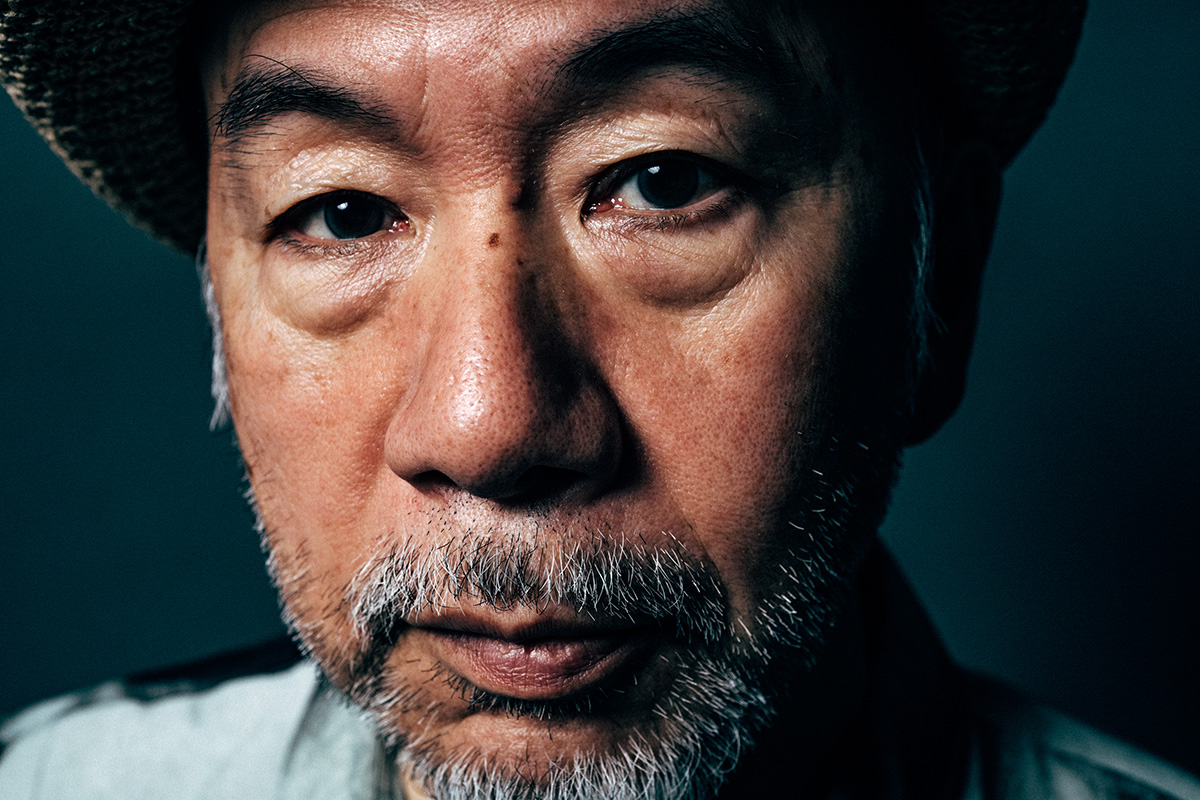
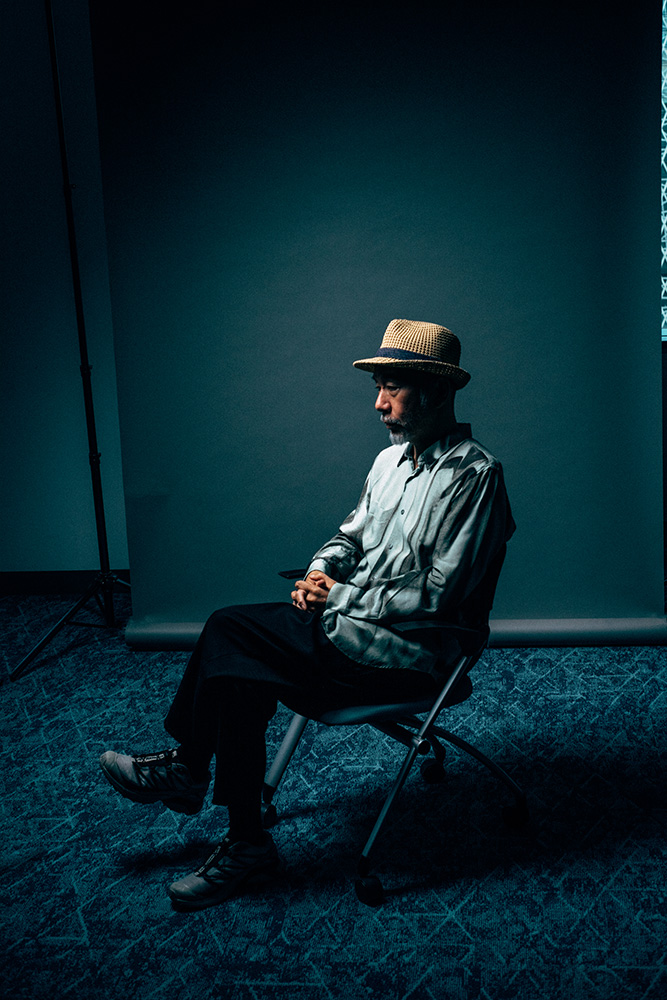
Tsukamoto’s approach is deliberately stripped of cinematic artifice. Eschewing flashy editing or dramatic reenactments, he relies on close-up shots of Nelson’s face, allowing every wrinkle, pause, and tear to carry the narrative weight. The camera acts as an impartial observer, bearing witness to a confession that is as painful to watch as it is essential to hear.
Furthermore, production notes from Kino Cinema highlight that the project was executed with minimal crew to maintain an intimate, confidential atmosphere. Nelson, in his advanced age, spoke with a clarity and urgency that belied his physical fragility. His message was direct: War is an institutionalized crime against humanity, and the responsibility to stop it lies with every individual.
Future Outlook: Relevance in a Re-Militarizing World
As Mr. Nelson, Did You Kill People? continues its international rollout—reaching audiences via theatrical runs, streaming platforms, and academic screenings in late 2025 and 2026—its themes resonate with chilling timeliness.
The Danger of Historical Amnesia
In an era defined by resurgent nationalism, escalating territorial disputes, and massive defense budget increases across major global powers, the cultural appetite for critical anti-war art faces new headwinds. Yet, it is precisely this political climate that makes Tsukamoto’s collaboration with Nelson indispensable.
Film critics have drawn parallels between Nelson’s warnings and the broader geopolitical anxieties of the mid-2020s. As modern military doctrines incorporate increasingly automated systems, drone warfare, and artificial intelligence, the physical and moral distance between the soldier and the victim widens. Tsukamoto’s film disrupts this distancing effect by forcing viewers to confront the raw, unmediated consequence of pulling a trigger.
The Role of Independent Cinema in Peace Advocacy
Mainstream blockbusters often aestheticize violence, transforming combat into a kinetic spectacle of heroism and pyrotechnics. Independent arthouse cinema, conversely, occupies a vital space for ethical disruption. By platforming the testimonies of aging veterans like Allen Nelson, directors like Tsukamoto ensure that historical memory is not overwritten by state propaganda.
The film’s reception among younger demographics—many of whom have no living memory of the Cold War or the Vietnam era—has been particularly striking. Post-screening surveys indicate that audiences leave with a renewed skepticism toward militaristic rhetoric and a deeper appreciation for the psychological labor required to dismantle the cycle of violence.
Conclusion
Tsukamoto Shinya’s Mr. Nelson, Did You Kill People? stands as a monumental achievement in documentary filmmaking and ethical art. By fusing the harrowing testimony of Allen Nelson with a rigorous, minimalist aesthetic, Tsukamoto has created more than a historical record; he has forged an active, breathing warning for the future.
In a world hurtling toward renewed conflict, Nelson’s final message—and Tsukamoto’s steadfast amplification of it—demands our attention. It reminds us that peace is not merely the absence of war, but the active, courageous cultivation of empathy, accountability, and an unyielding refusal to kill.


















Belum ada komentar. Jadilah yang pertama berkomentar!