


Executive Overview
In the upper echelons of contemporary American cinema, few transitions are as closely scrutinized as the shift from stand-up comedy to dramatic filmmaking. With his latest feature, Misty Green (2026), multihyphenate creator Chris Rock steps decisively away from traditional comedic comfort zones to deliver a scathing, darkly nuanced indictment of the modern entertainment complex. Backed by the prestige indie banner A24, the film has quickly established itself as one of the most talked-about cinematic releases of the year, balancing razor-sharp industry satire with a deeply felt, melancholic character study.
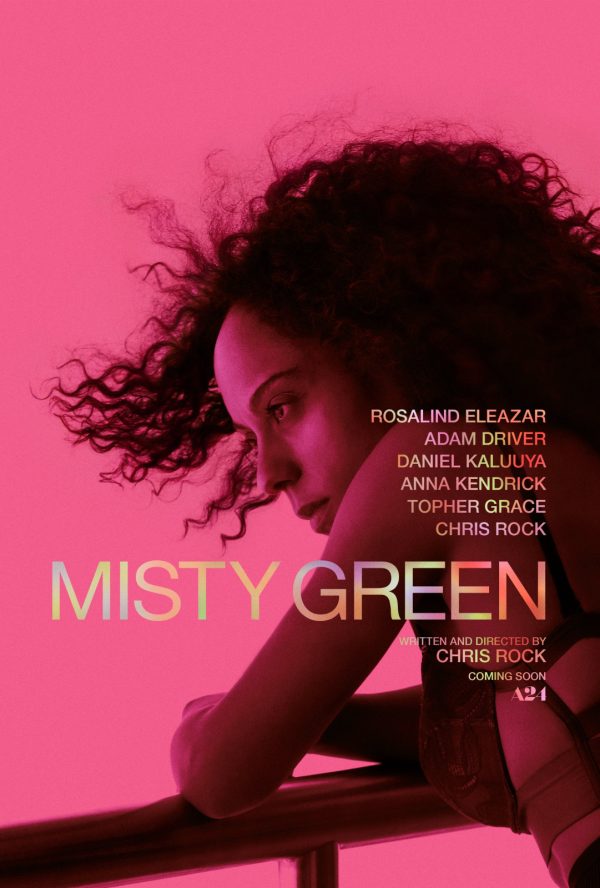
At the center of this narrative hurricane is Rosalind Eleazar, whose tour-de-force performance as the titular Misty Green anchors a sprawling, star-studded ensemble. The film follows a once-ubiquitous television star whose career has cratered due to a toxic mix of personal scandals, a reputation for "creative differences," and acute self-sabotage. As Misty navigates the indignities of eviction, drug dependency, and the compounding pressures of caring for her schizophrenic brother, Misty Green evolves into something far richer than a standard Hollywood tell-all. It is a profound exploration of grace, resilience, and the devastating human cost of a culture that routinely consumes and discards its most fragile talents.
Directed, written, and co-starring Rock—in what critics are already calling a semi-autobiographical reckoning with his own decades-long tenure in the spotlight—the film benefits from an impressive supporting cast that includes Adam Driver, Daniel Kaluuya, Anna Kendrick, and Topher Grace. Moving effortlessly between biting satirical commentary and harrowing dramatic territory, Misty Green proves that Rock’s artistic vision has matured into something remarkably authoritative, establishing the picture as a definitive awards-season contender.
Detailed Chronology
The Descent of a Star: Setting the Stage
The narrative architecture of Misty Green opens long after the champagne has dried on its protagonist’s initial Hollywood breakthrough. Once the toast of the town as the lead of a beloved, generation-defining television series, Misty Green (Rosalind Eleazar) now inhabits the unforgiving periphery of the industry she once dominated. The film wastes little time establishing the gravity of her descent: threatened with imminent eviction, grappling with a burgeoning narcotics addiction, and burdened by the responsibility of managing her brother Jordan’s (Daniel Kaluuya) severe mental health struggles, Misty is a woman running entirely out of runway.

Rock’s screenplay establishes early on that Misty’s professional paralysis is not merely the result of bad luck, but a byproduct of her own self-destructive coping mechanisms colliding with an entirely unforgiving ecosystem. Her past "difficulties"—a shorthand invented by studio executives to sanitize systemic disagreements, workplace conflicts, and personal vulnerabilities—precede her into every casting room. Eleazar plays these early sequences with a masterclass in subtext. Audiences can often read Misty’s self-defeating choices moments before she makes them, trapped as she is in compulsive behavioral patterns, yet Eleazar endows the character with such profound magnetism and raw humanity that viewers cannot help but root for her redemption.
The Machinery of Injustice: Satire and Systemic Critique
As Misty’s desperate campaign for a second act gathers momentum, the film broadens its lens to expose the structural contradictions of contemporary Los Angeles culture. Rock’s script meticulously targets the hypocrisy of modern Hollywood casting processes, where diversity initiatives often feel like cosmetic band-aids, sexual harassment is frequently masked as mentorship, and baffling executive decisions prioritize algorithm-driven marketability over artistic integrity.
Rather than relying on broad farce, Rock utilizes a tone of tragicomic absurdity. The hoops Misty must jump through just to secure an audition—let alone a callback—serve as a microcosm for a broader societal malaise. This thematic weight extends outward through the subplot involving Jordan’s schizophrenia. Through Jordan, the film explores how urban centers like Los Angeles routinely fail the mentally ill, subjecting them to a gauntlet of systemic neglect and cultural preconceptions. Rock balances these heavy, disparate social critiques with surprising grace, ensuring that every thematic thread remains firmly anchored to the emotional evolution of his central characters.
Climax, Consequence, and the Dark Underbelly
As the narrative hurtles toward its final act, Misty Green sheds any lingering comedic pretense, diving headfirst into the stark, uncompromising reality of its protagonist’s situation. Misty’s makeshift support system—featuring Anna Kendrick as her increasingly exhausted best friend, Adam Driver as her volatile, drug-dealing "situationship," and Rock himself as a cynical veteran director from her past—begins to fracture under the weight of her escalating crises.
The climax does not offer easy catharsis or Hollywood-formula redemption. Instead, it confronts the irreversible consequences of the characters’ actions. The film’s dark tonal shift mirrors the stark truths Rock is attempting to convey about the entertainment industry’s underbelly. By refusing to offer tidy resolutions, Misty Green earns its emotional resonance, culminating in an ending that lingers long after the credits roll.
Supporting Context & Metrics
Cast and Crew Overview
- Director: Chris Rock
- Writer: Chris Rock
- Studio / Distributor: A24
- Lead Cast:
- Rosalind Eleazar as Misty Green
- Daniel Kaluuya as Jordan Green (Misty’s brother)
- Adam Driver as Leo (Misty’s drug-dealing associate)
- Anna Kendrick as Sarah (Misty’s conflicted best friend)
- Chris Rock as Director Arthur Sterling
- Topher Grace, Alexandra Shipp, Antony Anderson, Tracie Thoms, Rich Sommer, Amy Landecker, Necar Zadegan, and Ice-T in supporting roles.
Critical Reception and Box Office Footprint
Upon its festival circuit rollout and subsequent commercial release by A24, Misty Green captured the attention of critics worldwide, currently holding a stellar critical consensus. Reviewers have universally lauded the picture for avoiding the common pitfalls of "inside-Hollywood" satires, which often lean too heavily on insider baseball references at the expense of universal human emotion.
- Critical Standing: Widely praised as one of the finest directorial efforts of Chris Rock’s career. Major trade publications and indie film outlets have highlighted the project’s tonal discipline, cinematography, and fearless writing.
- Awards Season Trajectory: Industry analysts have placed Rosalind Eleazar firmly on the shortlist for Best Actress consideration across major critics’ associations and guild awards. Similarly, Daniel Kaluuya’s searing supporting turn has emerged as an early front-runner in the Best Supporting Actor categories.
- Box Office Performance: Positioned strategically as an adult-skewing prestige drama, Misty Green has performed exceptionally well in limited platform releases across major metropolitan markets before expanding wide, proving that adult-oriented, original cinematic dramas still command significant cultural real estate when backed by visionary direction and powerhouse performances.
Official Statements
While promotional tours for A24 releases often lean into mysterious publicity campaigns, key members of the creative team have opened up about the profound personal and artistic stakes involved in bringing Misty Green to the screen.
In a recent roundtable discussion regarding the film’s thematic inspirations, director and writer Chris Rock addressed the decade-long gap since his last turn behind the camera (Top Five, 2014) and how his own public life informed the project:
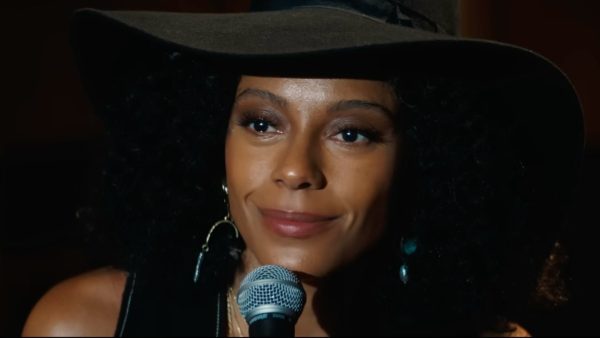
"You spend enough time watching how public narratives are constructed—how people are frozen in amber by a single moment, a single headline, or a calculated misinterpretation—and you start wondering what happens to the people who don’t have a microphone to fight back with. Misty isn’t just one person; she’s an amalgam of every artist who gave their youth to an industry that views human beings as disposable intellectual property. Making this film wasn’t about settling scores; it was about examining the grace required to survive your own history."
Lead actress Rosalind Eleazar, whose career-defining performance has dominated awards chatter, spoke about the psychological demands of stepping into the skin of a deeply flawed, complex Hollywood casualty:
"Misty is messy, she is infuriating, and she makes terrible decisions that make you want to throw things at the screen. But she is also fiercely alive. What drew me to the script was that Chris didn’t try to sanitize her edges to make her more palatable to mainstream audiences. We live in a culture that demands perfection from women in the spotlight, and the moment they stumble, we treat them like expired goods. Playing Misty gave me the space to explore what it means to reclaim your humanity when the world has already written your obituary."
Daniel Kaluuya, discussing his role as Misty’s brother Jordan and the delicate task of portraying severe mental illness within an already heightened cinematic landscape, noted:

"Jordan represents a different kind of invisibility. He’s dealing with profound schizophrenia, but he’s also navigating how the world perceives Black men through the dual lenses of mental health and societal prejudice. Working with Rosalind felt effortless because the sibling bond was baked right into the DNA of the script—that unspoken understanding between two people who survived a chaotic childhood and are desperately trying not to drown in the wake of it."
Future Outlook
The cultural footprint of Misty Green extends far beyond its immediate box office returns or upcoming awards-season accolades. By confronting the structural vulnerabilities of the entertainment industry with unsparing honesty, Chris Rock has successfully carved out a new lane for himself as a dramatic filmmaker of considerable weight and insight.
For A24, the film represents another masterclass in prestige curation, further solidifying the studio’s reputation as a sanctuary for bold, director-driven visions that mainstream Hollywood studios routinely pass over. As the conversation shifts toward the upcoming awards ceremonies, all eyes will undoubtedly remain on Rosalind Eleazar. Her transformative work as Misty Green is poised to redefine her career trajectory, opening doors to the kind of complex, multi-dimensional leading roles that Hollywood all too rarely affords talented actresses.
Ultimately, Misty Green transcends its status as a mere industry satire. It stands as a poignant reminder that behind the relentless glamour, the red carpets, and the algorithmic obsession with youth and perfection lie real human beings fighting for their dignity. In capturing that fight with empathy, humor, and uncompromising grit, Chris Rock has delivered a definitive cinematic statement for 2026—one that will be analyzed, debated, and celebrated for years to come.






Belum ada komentar. Jadilah yang pertama berkomentar!