

Executive Overview
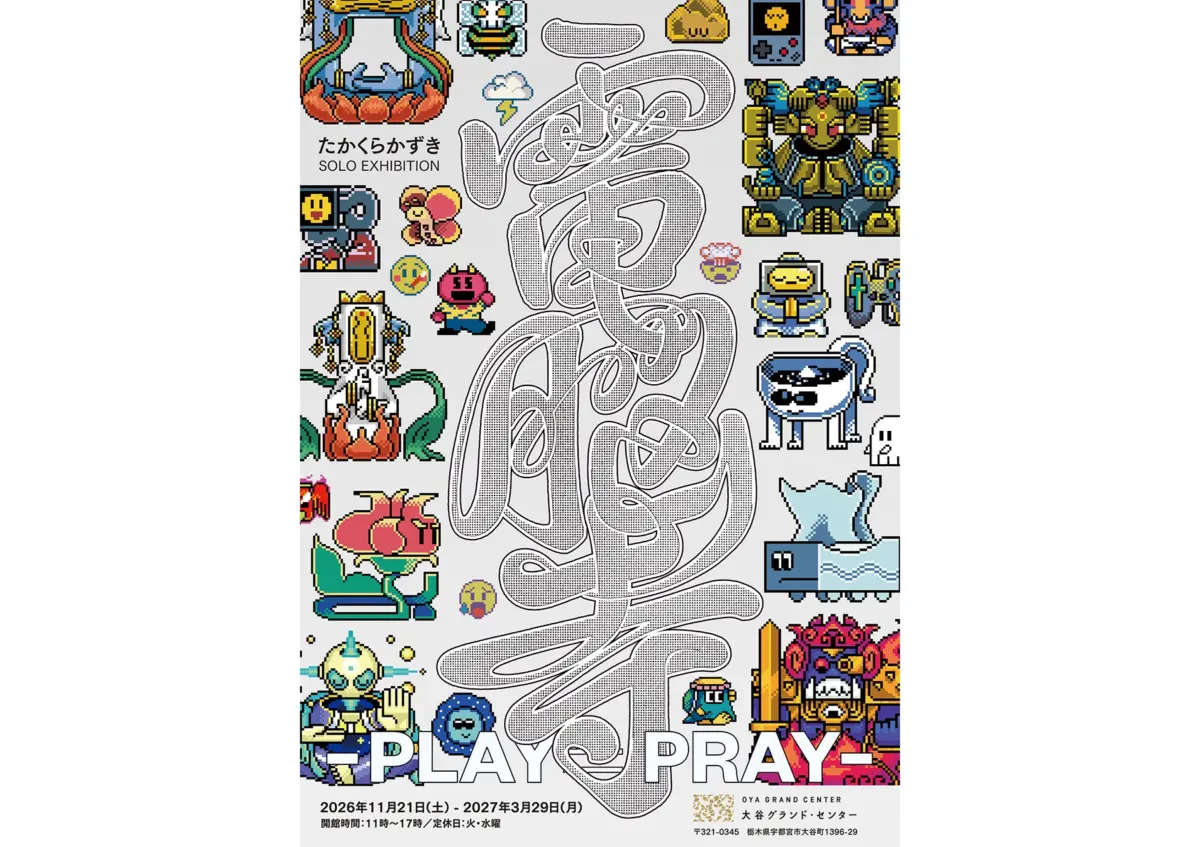
As contemporary society continues to grapple with rapid technological acceleration, artificial intelligence, and the omnipresence of digital media, the fundamental ways in which human beings approach spirituality, grief, and faith are undergoing a profound metamorphosis. Stepping directly into this ideological intersection is acclaimed Japanese media artist Kazuki Takakura. Known for his distinct visual vocabulary that bridges traditional iconography with hyper-contemporary digital aesthetics, Takakura presents his latest major solo exhibition, “Denshu-ji: PLAY=PRAY,” scheduled to run from November 21, 2026, to March 29, 2027, at the Watarium Museum of Contemporary Art in Tokyo.
The exhibition offers a radical, deeply immersive contemplation on the nature of prayer, mourning, and digital transcendence. By reframing religious iconography through the lens of video games, computer graphics, and decentralized networks, Takakura’s work challenges audiences to reconsider how deeply held beliefs can be preserved, translated, and experienced in an era dominated by screens and algorithms. This comprehensive report explores the conceptual framework, structural layout, and broader cultural significance of “Denshu-ji: PLAY=PRAY,” offering an investigative look into how contemporary art is redefining the sacred for the twenty-first century.
Detailed Chronology & Exhibition Framework
Event Details
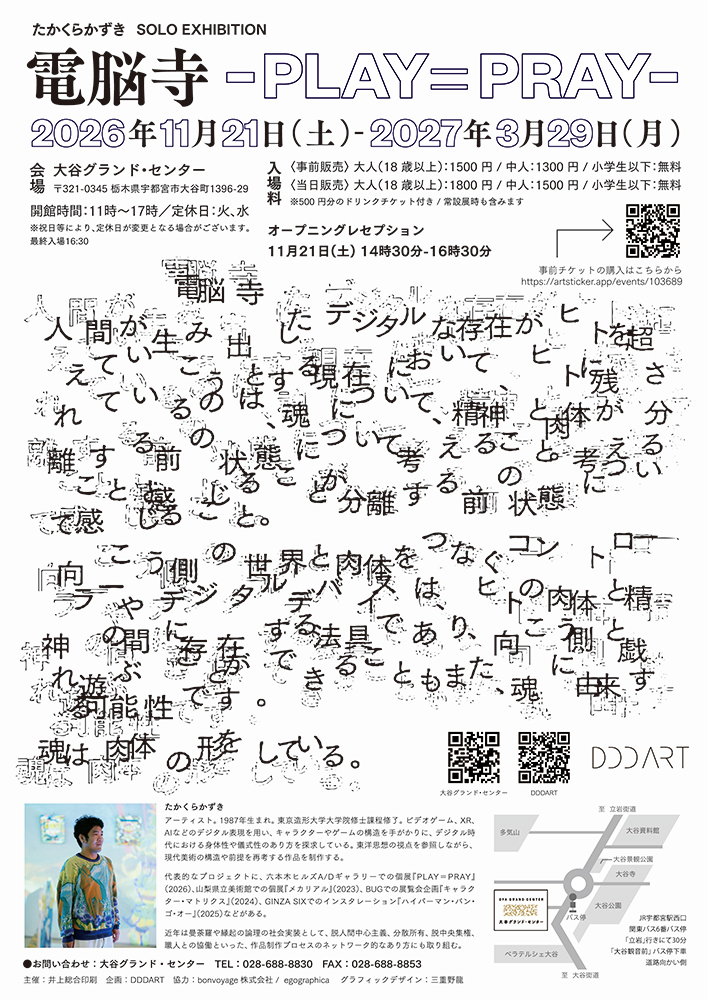
- Exhibition Kazuki Takakura Solo Exhibition “Denshu-ji: PLAY=PRAY”
- Dates: November 21, 2026 – March 29, 2027
- Venue: Watarium Museum of Contemporary Art (Tokyo, Japan)
- Organizer/Partner: ArtSticker and associated curatorial bodies
The exhibition takes its conceptual inspiration from the traditional Buddhist temple, reimagining its architectural, psychological, and communal functions through contemporary digital paradigms. In Buddhist practice, temples have historically served as physical and spiritual anchors for communities—places where the living connect with ancestors, process grief, and direct their hopes outward. Takakura takes these timeless rituals and transplants them into a virtual landscape where the boundaries between the physical world and digital simulation blur.
Visitors entering the Watarium Museum will not merely view static artworks; they will enter a simulated sacred space. The exhibition systematically deconstructs the vocabulary of video games—specifically the concepts of "PLAY" and "PRAY"—and repurposes them as dual engines for spiritual exploration. Through interactive installations, generative computer graphics, and meticulously crafted digital altars, Takakura invites viewers to participate in rituals that feel simultaneously ancient and utterly futuristic.
The Intersection of Play and Prayer
To understand the core thesis of “Denshu-ji: PLAY=PRAY,” one must examine how Takakura bridges two seemingly disparate domains: the playful interactivity of video games and the solemn devotion of prayer.
1. Interactivity as Devotion
In modern video games, players engage in world-building, resource management, and narrative progression through avatars. Takakura posits that these mechanics share a striking psychological parallel with religious devotion. Both activities require the participant to suspend disbelief, invest emotional energy into unseen entities or digital constructs, and follow a prescribed set of rules or rituals to achieve a desired state of transcendence or completion.
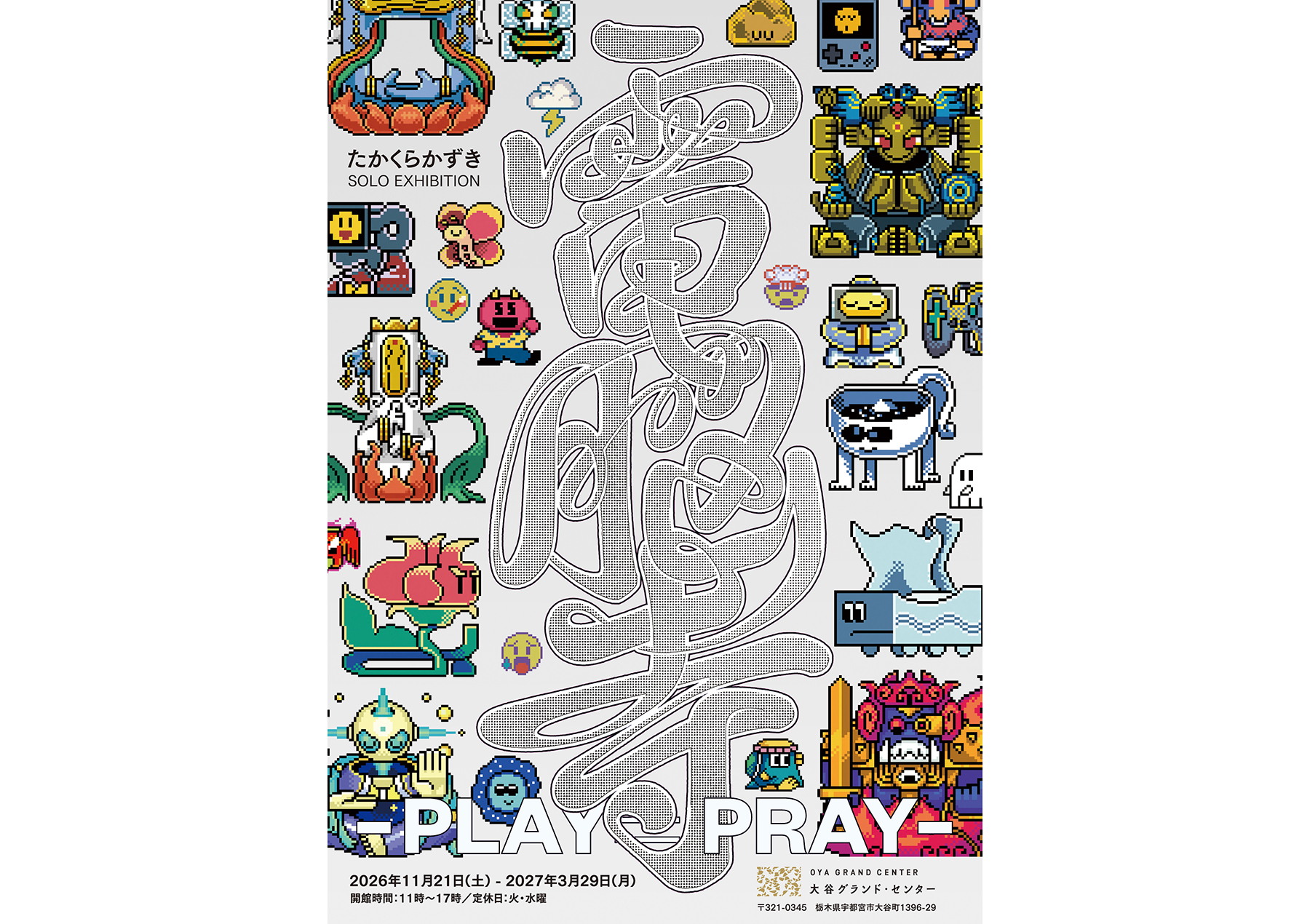
By utilizing game engines and interactive media as the primary mediums for his installations, Takakura transforms the gallery-goer from a passive observer into an active participant. When a visitor navigates a digital altar or interacts with a procedural deity on a screen, they are performing a modern digital rite. The act of "playing" a game becomes indistinguishable from the act of "praying"—both are iterative, intentional engagements with the unknown.
2. The Digital Afterlife and Mourning
One of the most poignant themes explored in the exhibition is the management of grief and memory in an age where human lives are increasingly documented and preserved in digital spaces. Social media profiles, cloud storage, and digital archives now outlive their human creators, creating persistent digital ghosts that haunt our servers and devices.
Takakura addresses this phenomenon directly by constructing digital shrines dedicated to modern grief. These installations explore how communities remember the deceased when traditional physical sites of mourning are supplemented—or replaced—by digital interfaces. Can a procedurally generated avatar or a pixelated memorial truly hold space for human sorrow? Takakura does not offer simplistic answers; instead, he opens up a critical space for audiences to confront the evolving nature of memory and loss.
Supporting Context, Aesthetics, and Methodology
Kazuki Takakura has carved a unique niche in the contemporary art world by fusing traditional Japanese Buddhist imagery with pixel art, 3D computer graphics, and net art. His previous works have consistently questioned how digital tools can be used to express sacred concepts without reducing them to mere novelty.
The Aesthetics of the Pixelated Sacred
In “Denshu-ji: PLAY=PRAY,” Takakura employs a sophisticated visual language characterized by high-resolution pixel art and complex algorithmic simulations. By utilizing low-fi aesthetics traditionally associated with early video games, he evokes a sense of nostalgia while simultaneously commenting on the ephemeral nature of digital technology.
Pixels, much like the atoms in traditional Buddhist mandalas, are modular units of creation. When arranged with intention, they can evoke profound emotional resonance. Takakura’s digital deities and sacred spaces are meticulously rendered, forcing viewers to reevaluate the spiritual weight of digital mediums. In an era where physical objects are increasingly digitized, Takakura argues that the digital realm is just as capable of housing sacred experiences as physical temples made of wood and stone.
Official Statements and Curatorial Vision
The curatorial team behind the exhibition, working in close collaboration with ArtSticker, has emphasized the timeliness of Takakura’s project. In an official statement released ahead of the opening, organizers noted:
"As society navigates unprecedented technological shifts, our relationship with faith, grief, and community is being radically restructured. Kazuki Takakura’s ‘Denshu-ji: PLAY=PRAY’ offers a vital sanctuary for reflection. By merging the interactive mechanics of video games with the solemnity of religious ritual, Takakura bridges the gap between the virtual and the spiritual, challenging us to find meaning in an increasingly digitized world."
The exhibition also serves as a reflection on the artist’s ongoing exploration of decentralized culture and digital folklore. Takakura’s work suggests that as human culture migrates further into digital networks, our spiritual practices will inevitably follow, mutating and adapting to new platforms while retaining their core human desire for connection, solace, and transcendence.
Future Outlook and Cultural Impact
The opening of “Denshu-ji: PLAY=PRAY” on November 21, 2026, marks a significant milestone in contemporary media art. Running for over four months through March 29, 2027, the exhibition is expected to draw substantial international attention from art critics, technology theorists, and the general public alike.
Key Takeaways for the Art World:
- Redefining Medium Specificity: Takakura demonstrates that digital tools—often criticized for promoting alienation and screen fatigue—can be harnessed to foster deep spiritual introspection and communal grief processing.
- The Evolution of Sacred Spaces: As physical attendance at traditional religious institutions declines globally, exhibitions like "Denshu-ji: PLAY=PRAY" point toward alternative futures where sacred spaces are digitally curated, decentralized, and interactive.
- Accessibility and Global Reach: Through platforms like ArtSticker, the exhibition bridges physical gallery attendance with digital engagement, allowing international audiences to interact with the conceptual framework of the show.
As visitors walk through the doors of the Watarium Museum this winter, they will be invited to step beyond the boundaries of traditional art viewing. They will play, they will pray, and in doing so, they will bear witness to the birth of a new digital spirituality crafted by one of Japan’s most visionary contemporary artists.






Belum ada komentar. Jadilah yang pertama berkomentar!