

Executive Overview
For over a decade, FromSoftware’s iconic action-RPG catalog has stood as a monument to challenging game design, deliberate pacing, and notoriously esoteric multiplayer systems. Titles like Dark Souls, Dark Souls 2, and Elden Ring famously pioneered a unique form of indirect, solitary digital communication—one defined by cryptic messages left on the floor, phantom specters fading in and out of existence, and a notoriously friction-heavy matchmaking system predicated on humanity items, soul memory brackets, and annoying boss-door fog walls.
While purists have long championed these eccentricities as integral to the melancholic atmosphere of a dying world, cooperative play has historically been an exercise in administrative patience. Frequent disconnects, session closures upon a host’s death, and strict progression boundaries meant that playing an entire campaign shoulder-to-shoulder with a friend was virtually impossible without endless re-summoning.
Enter Yui, a prolific and highly skilled soulslike modder who has systematically dismantled these multiplayer barriers across FromSoftware’s library. Following celebrated, community-adored releases for both the original Dark Souls (via Dark Souls Remastered) and modern epic Elden Ring, Yui has turned her sights toward the black sheep of the trilogy: Dark Souls 2.
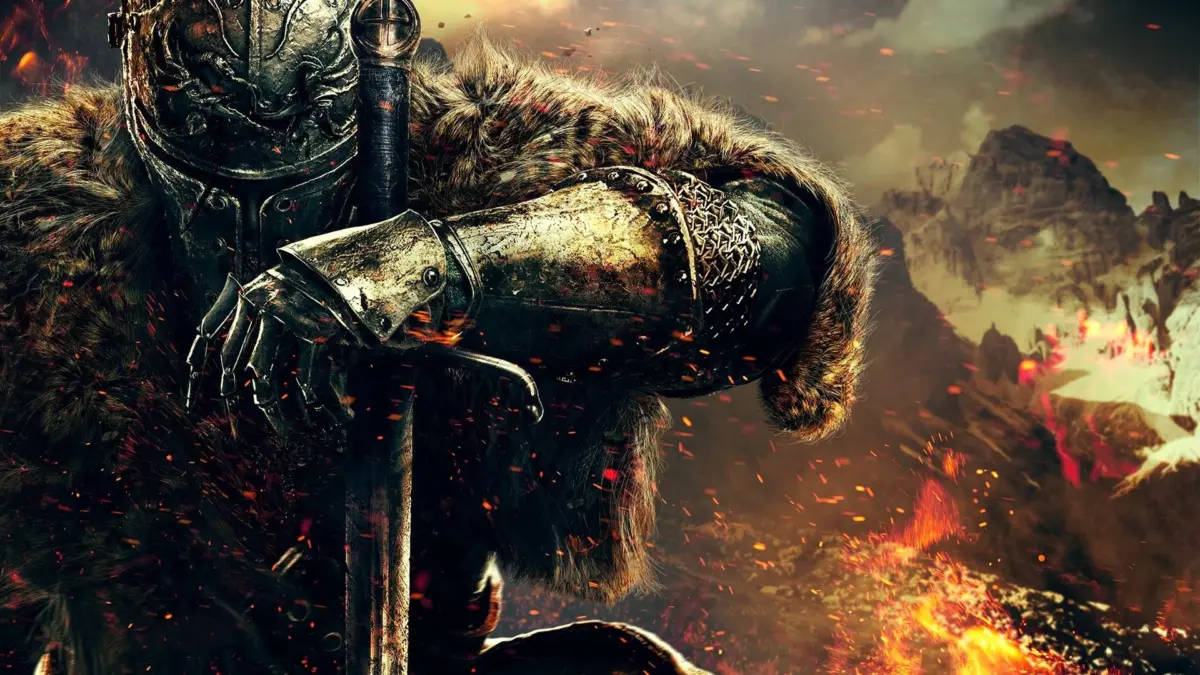
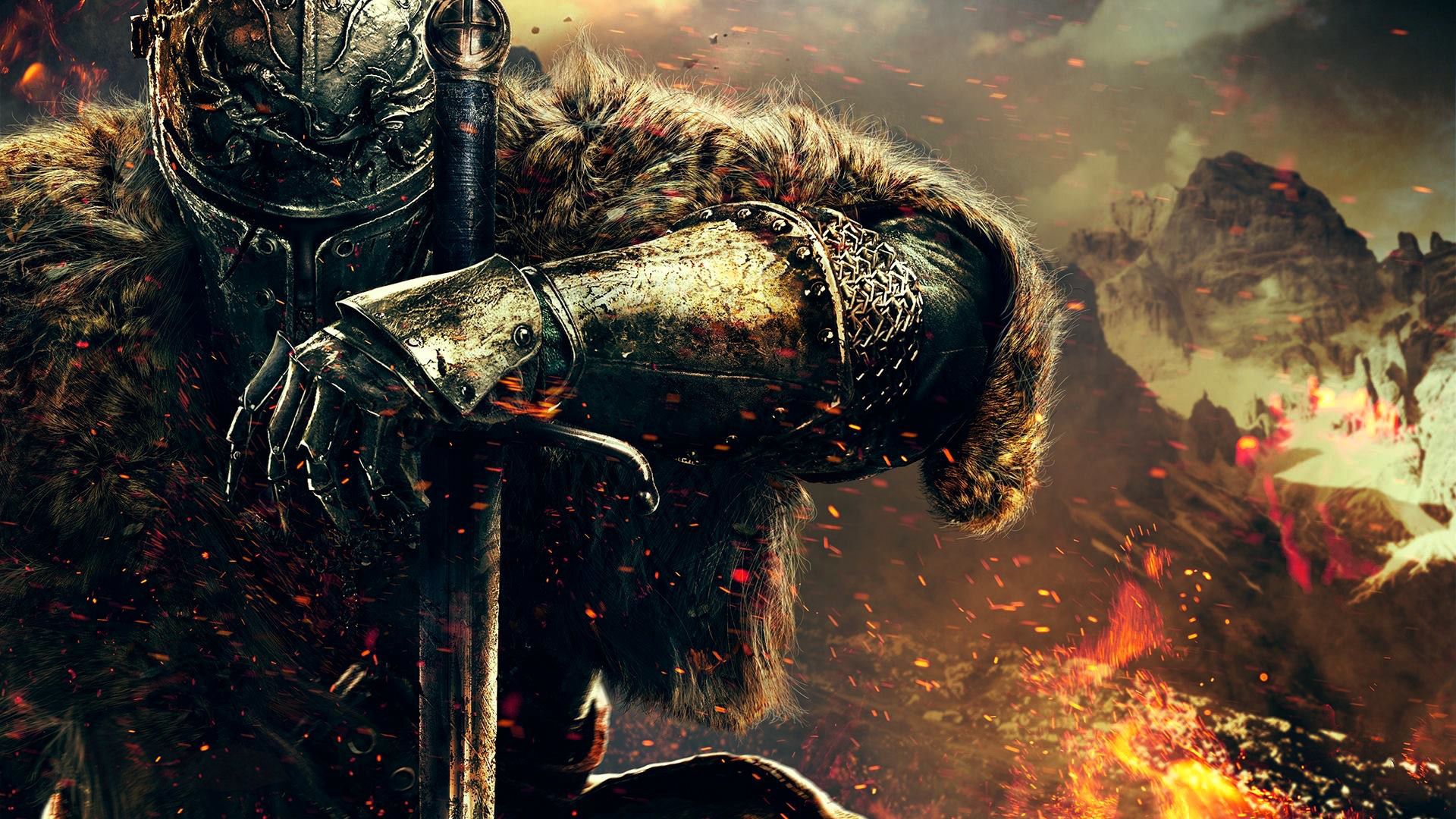
Releasing into alpha on Nexus Mods, Dark Souls 2: Seamless Co-op fundamentally alters the fabric of Drangleic. The mod enables up to six players to traverse the entirety of the base game and its expansions—from the initial tutorial pathways of Things Betwixt all the way to the throne room showdown with the final boss—in a single, uninterrupted cooperative session. By stripping away arbitrary fog walls, syncing world progression, and introducing intuitive mechanics that bypass traditional death penalties, this modification threatens to completely rewrite how the community experiences one of gaming’s most polarizing masterpieces.
Detailed Chronology: From Concept to Alpha Launch
The journey toward a seamless multiplayer experience in Dark Souls 2 did not happen overnight. It represents the logical evolution of a dedicated modding subculture that has spent years diagnosing and solving the structural limitations baked into FromSoftware’s PC ports.
The Blueprint: Past Successes in Elden Ring and Dark Souls
Yui’s reputation within the soulslike modding community was cemented through previous monumental undertakings. Her Seamless Co-op mod for Elden Ring became an absolute cultural phenomenon, downloaded by millions of players eager to explore the Lands Between without the traditional summoning constraints of the base game. By treating the game world as a shared server space rather than isolated host-and-phantom instances, Yui proved that FromSoftware’s architectural constraints could be bypassed with clever reverse-engineering.
Encouraged by this success, she turned backward in the chronology, tackling Dark Souls Remastered. That project laid the technical foundation for handling older engine frameworks, paving the way for the ultimate challenge: Dark Souls 2 and its notoriously complex netcode and unique game engine variant.
Development and Alpha Release
Development on Dark Souls 2: Seamless Co-op moved swiftly behind the scenes, culminating in a surprise alpha release on Nexus Mods. The mod immediately captured the attention of content creators, speedrunners, and casual co-op enthusiasts alike.
However, launching a complex architectural overhaul for a decade-old game engine is rarely smooth sailing. Almost immediately following the alpha rollout, players—particularly those utilizing modern Intel processors—reported a severe performance glitch that threatened to destabilize sessions. Demonstrating the aggressive support style that has become her trademark, Yui deployed patches in rapid succession, squashing critical bugs and stabilizing performance within days of the initial release.
Supporting Context & Metrics: Why Dark Souls 2 Needed This Mod
To understand the profound impact of Yui’s creation, one must examine the unique mechanical hurdles that defined Dark Souls 2’s original multiplayer framework. Often regarded as the mechanical outlier of the trilogy, Dark Souls 2 introduced systems that made co-op uniquely frustrating.
The Mechanics of Frustration
In the vanilla version of Dark Souls 2, cooperative play was governed by several stringent rules:
- Soul Memory: Unlike level-based matchmaking, DS2 matched players based on the total number of souls accumulated over the course of a character’s life, often locking out friends who played at different paces or lost souls frequently.
- The Timer and Zone Limits: Summons were tethered to specific areas. Defeating a region’s boss instantly banished phantoms back to their own worlds, forcing continuous re-summoning at every single threshold.
- The Death Penalty: If a phantom died during a boss fight or exploration run, they were sent home empty-handed, and the host had to trudge back to a bonfire to use human effigies and repeat the ritual.
- Fog Walls: Progression was constantly punctuated by loading barriers and hard walls that prohibited groups from moving fluidly across zones.
Breaking Down the New Paradigm
The Seamless Co-op mod dismantles these archaic barriers piece by piece:
- Uninterrupted Sessions: Up to six players can connect and remain in the same world indefinitely. Death no longer kicks a player back to their own dimension; instead, fallen comrades respawn at the nearest active bonfire, ready to rejoin the fray instantly.
- Synced Progression: World states, boss defeats, and item pickups are orchestrated to ensure the group moves forward collectively.
- Lore-Friendly Integration: Eschewing immersion-breaking menu systems, the mod integrates its core features through newly introduced, uniquely themed items. Players utilize lore-appropriate artifacts like "Pharros’ Heliograph" and "Petrified Fingers" to manage session connections, preserving the tactile, diegetic flavor of the franchise.
Official Statements & Community Reception
The release of Dark Souls 2: Seamless Co-op has generated an unprecedented wave of discussion across platforms like Patreon, Nexus Mods, Reddit, and various streaming communities.
In her official release notes posted via Patreon, Yui outlined the grand scope of the project:
"With this, it’s theoretically possible to play the game from the tutorial up to the final boss completely in one co-op session."
This simple assertion opened the floodgates for the community’s imagination. Longtime fans who bounced off the game’s harsh solo pacing or grew weary of its clunky multiplayer rituals suddenly found themselves organizing massive group playthroughs.
Yet, the reception has not been entirely uniform. A vocal sub-segment of the soulslike purist community has expressed traditional concerns regarding game balance. Critics argue that removing the friction-heavy elements—the vulnerability of being invaded, the management of human effigies, and the solitary dread of navigating traps alone—strips away the core psychological tension that defines the Dark Souls experience.
However, Yui herself has openly acknowledged this paradigm shift, noting in her development blog that while the mod offers a vastly "easier" and more relaxed way to experience Drangleic, it transforms the title into an entirely different kind of cooperative adventure—one focused on camaraderie, shared discovery, and sheer chaotic fun.
Future Outlook: The Legacy of Fan-Driven Preservation
The success of Dark Souls 2: Seamless Co-op highlights a broader, fascinating trend within modern PC gaming: the reliance on passionate community modders to modernize, preserve, and fundamentally enhance classic multiplayer software long after official studio support has ceased.
Bandai Namco and FromSoftware have largely moved on to newer horizons, leaving their older catalog to the mercy of community-driven server maintenance and fan patches. Projects like Yui’s mod do not merely fix bugs; they breathe entirely new life into aging codebases, turning dead or sluggish multiplayer scenes into vibrant, active playgrounds.
As the Dark Souls 2: Seamless Co-op mod moves out of its alpha phase and into more stable, feature-complete builds, one can only wonder where the community’s ambitions will lead next. Will other classic titles receive the seamless treatment? Could we see cross-game cooperative overhauls, or even more expansive player counts?
Regardless of what the future holds, one thing is certain: the curse of the undead is significantly more bearable when you can march through the gates of Drangleic with five of your closest friends by your side. For a game that spent a decade being debated, dissected, and occasionally dismissed, Yui’s latest masterpiece ensures that Dark Souls 2 will be remembered not for its frustrating mechanics, but for the renewed joy of conquering its darkest depths together.





Belum ada komentar. Jadilah yang pertama berkomentar!