

Executive Overview
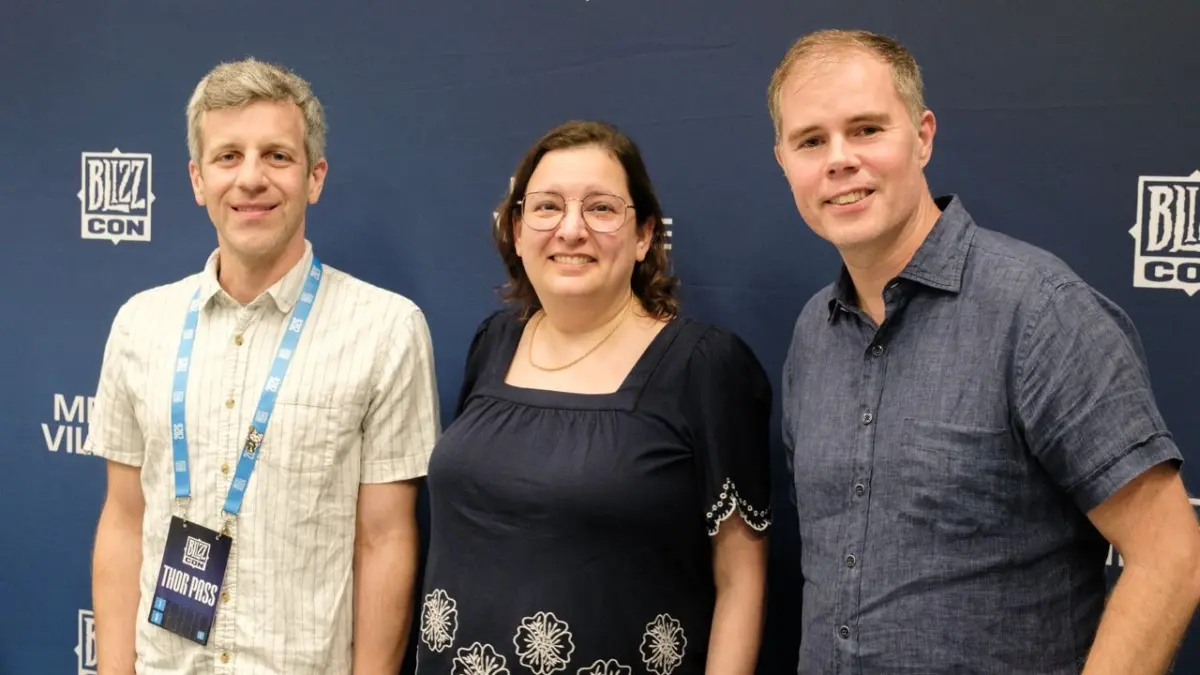
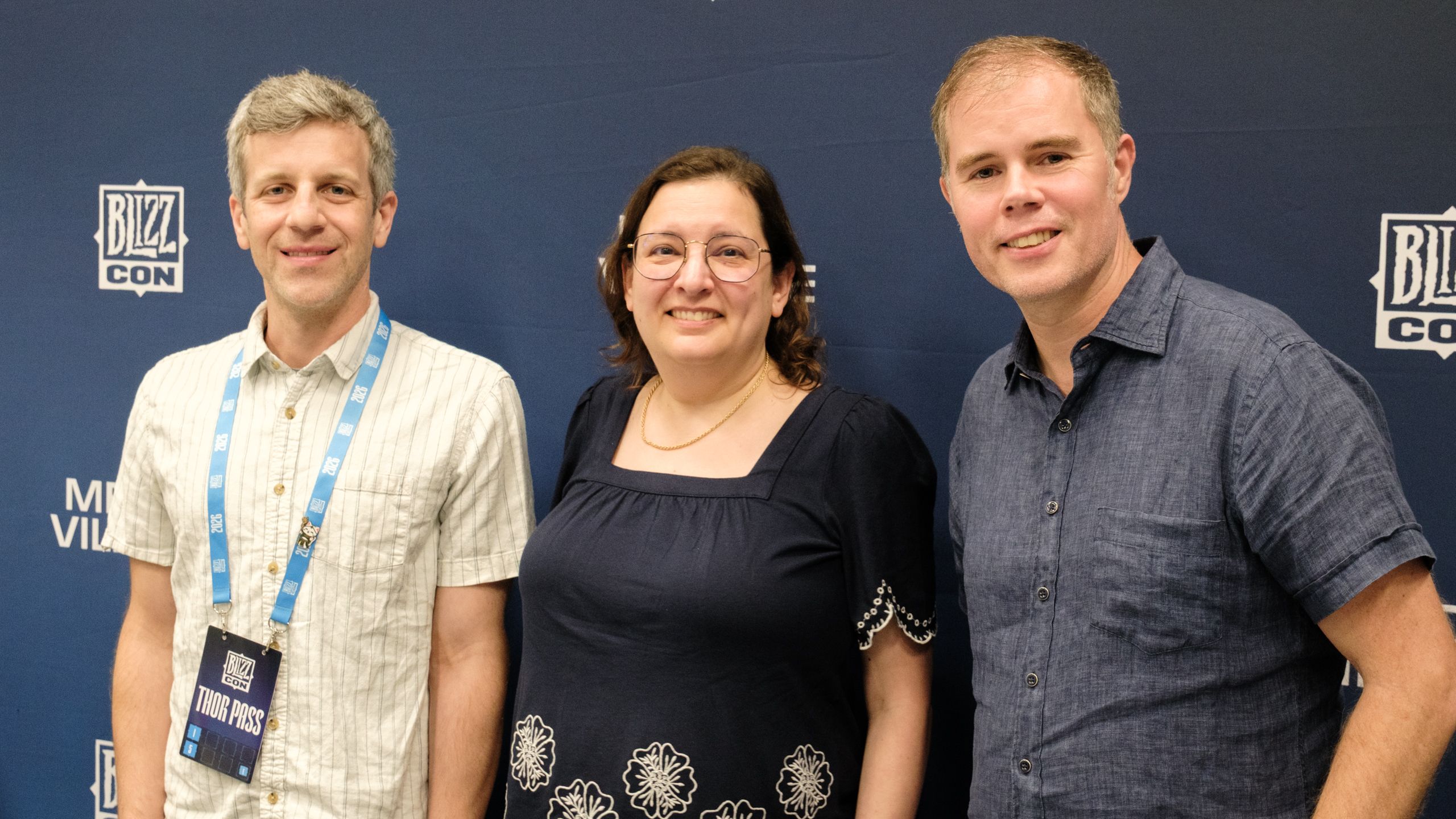
The sprawling, blood-soaked world of Sanctuary is once again bracing for absolute chaos. In a recent group interview with industry insiders and developers, Blizzard Entertainment officially confirmed that Diablo 5 will feature full multiplayer support from day one. Spearheaded by a core leadership team including Executive Producer Matt Zitterman, Narrative Director Jennifer Hepler, and Senior Game Director Joe Shely, the next entry in the legendary action-RPG franchise aims to strike a delicate balance. It seeks to capture the oppressive, isolated dread of battling an all-powerful demon lord while preserving the chaotic, communal joy of hacking and slashing through hordes of the undead alongside friends.
While major architectural shifts are coming—most notably a return to procedurally generated overworlds and dungeons reminiscent of earlier entries—Blizzard is ensuring that the cooperative DNA that defined both Diablo 3 and Diablo 4 remains fully intact. However, significant questions loom regarding how multiplayer mechanics will mesh with the game’s new dynamic, shifting environments. With a tentative release window targeted for 2029, the development team has plenty of time to refine these systems, though fans will have to wait until next year for deeper structural insights through scheduled community updates.
Detailed Chronology & Development Insights
The Road to Diablo 5: From Modern Live-Service to Procedural Evolution
The journey toward Diablo 5 has been a subject of intense speculation within the gaming community, particularly following the polarizing live-service launch and subsequent iterations of Diablo 4. Where its predecessor leaned heavily into a persistent, shared-world MMO-lite structure—complete with public world bosses, whispering tree bounties, and spontaneous player encounters in open-world zones—Diablo 5 is charting a somewhat divergent path.
During recent developer roundtables at BlizzCon and follow-up press briefings, leadership outlined a design philosophy that looks backward to move forward. The most striking revelation is the reintegration of procedurally generated overworlds and dungeons. In Diablo 4, the overworld is a static, hand-crafted continent where players navigate the same physical geography across different shards and instances. Diablo 5, by contrast, introduces a shifting continent traversed alongside a mobile caravan, a mechanic designed to reflect the decaying, unstable nature of a world completely ravaged by a reigning demon lord.
The Multiplayer Guarantee
Despite these structural overhauls to world design, Senior Game Director Joe Shely put community concerns to rest regarding forced isolation. In his statement to press, Shely clarified:
"Like Diablo 4, it is a game that you can play solo or multiplayer, however you please, and you should be able to play all of the content with your friends."
This commitment ensures that whether players prefer a solo, story-driven pilgrimage through the depths of hell or a coordinated four-player cooperative blitz, the core campaign and its associated challenges will be fully accessible in a group setting.
Yet, this introduces a fascinating technical and narrative dilemma. If every player’s overworld and dungeon layout is procedurally generated to mirror their unique caravan journey across Sanctuary, how will seamless drop-in/drop-out cooperative play function? Will friends phase into the host’s version of the world, or will the game dynamically stitch together shared instances akin to Diablo 4’s legion events and Helltides? Blizzard has remained tight-lipped on these technical specifics, noting that comprehensive gameplay deep-dives will arrive closer to the game’s 2029 launch horizon.
Supporting Context & Metrics: Analyzing the Franchise Evolution
To understand the weight of Blizzard’s design choices for Diablo 5, it is vital to evaluate the trajectory of the franchise over the past decade.
- Diablo III (2012): Revolutionized cooperative play through seamless drop-in matchmaking, robust clan systems, and endgame Greater Rifts. It proved that fast-paced, isometric action-RPGs thrive on cooperative synergy, though critics argued it leaned too far away from the dark, gothic horror of its predecessors.
- Diablo IV (2023): Embraced a modern live-service ecosystem. It blended traditional ARPG dungeon-crawling with persistent shared-world elements. Metrics from Activision-Blizzard indicated record-breaking player engagement numbers at launch, though balancing solo versus group play—as well as maintaining server stability in shared spaces—remained ongoing community talking points throughout its post-launch seasons.
- Diablo V (Projected 2029): Represents an ideological synthesis. It attempts to marry the grim atmosphere and randomized world generation of Diablo II with the modern, accessible multiplayer frameworks established by Diablo IV.
The Cosmetics and Social Dilemma
Another critical metric influencing development is monetization and social expression. Diablo 4 generated substantial revenue through its in-game shop and seasonal Battle Passes, heavily featuring premium armor skins, mounts, and cosmetic upgrades.
If Diablo 5 maintains a similar economic model, the presence of a social hub or visible open-world player interaction becomes virtually mandatory. Players are significantly more inclined to purchase and display cosmetic enhancements if there is a bustling community space or shared world where their achievements and fashion choices can be showcased. Striking this balance—maintaining the terrifying illusion of being a solitary hero fighting against insurmountable odds while letting players show off hard-earned gear—will be one of Blizzard’s greatest balancing acts.
Official Statements & Leadership Vision
The creative direction of Diablo 5 is being steered by veterans who understand both the legacy and the modern expectations of the action-RPG genre.
- Joe Shely (Senior Game Director): Focused heavily on player agency. Shely’s insistence that players can experience the game "however you please" signals a continuation of Blizzard’s player-first accessibility philosophy. Whether tackling high-tier endgame content or casually progressing through the narrative, choice remains paramount.
- Jennifer Hepler (Narrative Director): Tasked with grounding the lonely, desolate atmosphere of a world dominated by a new, oppressive demon lord. Hepler’s narrative framework heavily influences the caravan mechanic, framing the player’s journey not as localized monster-hunting, but as a desperate migration across a collapsing continent.
- Matt Zitterman (Executive Producer): Overseeing the immense technical scope of the project, Zitterman’s team faces the monumental challenge of rendering procedurally generated regions at modern graphical standards while ensuring stable network architecture for cooperative play across PC and console platforms.
Future Outlook: What Lies Ahead for Sanctuary
As the video game industry looks toward the latter half of the decade, Diablo 5 stands as one of the most anticipated and ambitious projects on Blizzard’s horizon. With a tentative release year of 2029, the title is still deep in development, giving the studio ample runway to iterate, test, and pivot based on player feedback.
The 2026–2027 Roadmap Preview
Blizzard has announced that beginning next year, it will transition into a more transparent communication model. Regular developer blogs, community surveys, and early technical updates will be published to gauge fan sentiment regarding core systems, class design, loot philosophies, and—crucially—the scope of multiplayer integration.
Key Questions for Future Updates:
- Open-World Persistence: Will players encounter strangers in the wild as they travel with their caravans, or will the game isolate cooperative sessions strictly to invited party members?
- Endgame Structure: How will procedurally generated overworlds impact endgame activities like world bosses, PvP zones, and seasonal events?
- Cross-Play and Platform Parity: Given modern industry standards, will Diablo 5 launch with full cross-play and cross-progression across all major platforms on day one?
Until these questions are officially answered, fans of the franchise are left to speculate, theorize, and prepare themselves for the inevitable return to darkness. One thing is certain, however: when the gates of Hell open once again in 2029, players will not have to face the terrors of Sanctuary alone.








Belum ada komentar. Jadilah yang pertama berkomentar!