

Executive Overview
The landscape of interactive horror underwent a watershed moment on September 11, 2026, with the broadcast of the "Japanese Horror Game Showcase 2026" (originally indexed in Japanese as 「世界日本ホラーゲーム大賞2026 produced by 珠実」). This digital showcase served as a vital nexus for developers, publishers, and enthusiasts of the macabre, bringing together major studios and independent visionaries alike to chart the future trajectory of interactive dread.
In recent years, the horror genre has experienced a renaissance characterized by a departure from pure, pulse-pounding action in favor of atmospheric unease, psychological manipulation, and deeply narrative-driven experiences. The 2026 showcase crystallized this evolution, highlighting projects that push technical boundaries while honoring the rich, folkloric traditions of psychological horror. This comprehensive report explores the major announcements, critical metrics, and profound industry shifts emanating from the showcase, offering a definitive look at the titles that will haunt players for years to come.
Detailed Chronology & Major Announcements
The showcase maintained a breakneck pace from its opening moments, delivering a carefully curated sequence of world premieres, deep-dive gameplay trailers, and unexpected release dates. The presentation was meticulously structured into distinct categories, separating AAA blockbusters from innovative indie projects while honoring excellence within the broader horror ecosystem.
Key Highlights and Category Breakdowns
The event featured a diverse lineup spanning multiple sub-genres of horror, ranging from survival-focused psychological thrillers to avant-garde narrative experiments. Below is the comprehensive lineup of featured titles and their respective categorical recognitions at the 2026 showcase:
- Horror Masterpiece / Award Winner: SILENT HILL f
- Psychological Horror & Directorial Excellence:
- REANIMAL (Tarsier Studios / Direction & Production)
- SILENT HILL 2 REMAKE (Combat & Directorial Direction)
- No, I’m not a Human / 深淵欲求 (Narrative & Atmospheric Design)
- SILENT HILL f (Psychological Design & Mechanics)
- パンデモニウム 地獄変 セカンド・シーズン (Atmospheric & Narrative Direction)
- MIMESIS (ミメシス) (Stealth & Psychological Horror Direction)
- SCP: The Database (Urban Legend Adaptation & Multimedia Direction)
- FILE38 呪われた怪奇現象ファイル (Found Footage & Cinematic Horror Direction)
- Special Achievement & Jury Awards:
- Cronos: The New Dawn (THE HORROR GAME AWARDS Recognition)
- Dread Flats (Atmospheric Design & Innovation)
- インディ・ホラー制作委員会推薦 (Independent Committee Selection)
- Dyping Escape (Sound Design & Environmental Puzzles)
Supporting Context & Metrics: The Resurgence of SILENT HILL f
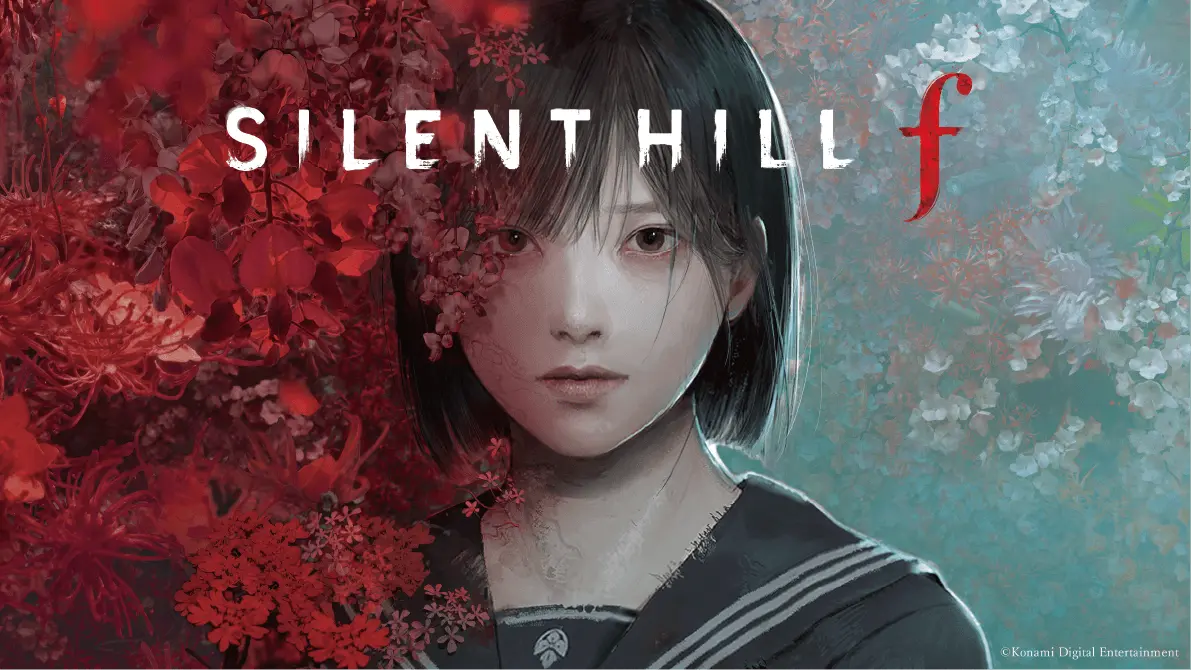
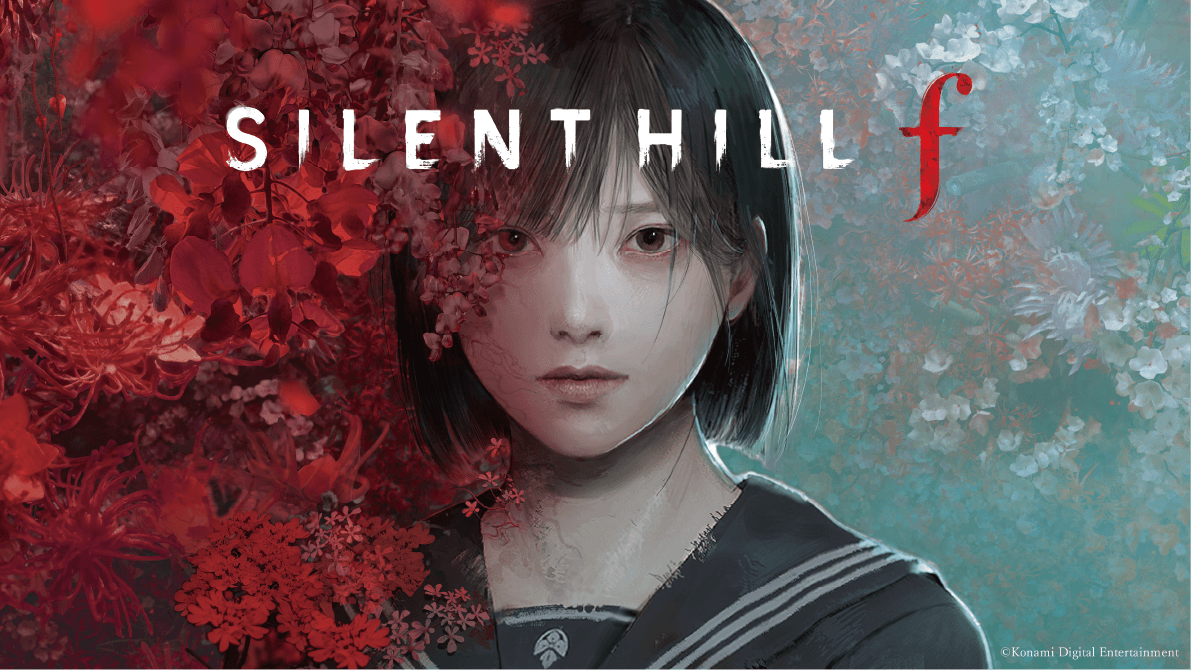
Among the heavy hitters of the showcase, the spotlight shone brightest on SILENT HILL f. Originally announced in September 2025, this psychological survival horror title has continually captured the imagination of the gaming community with its haunting aesthetic and departure from the traditional fog-shrouded American town.
Set in a rural, verdant Japanese village imbued with deep folkloric dread, SILENT HILL f trades rusty industrial corridors for overgrown flora, traditional shrines, and an insidious, creeping decay. Industry analysts note that the game’s marketing campaign—which leans heavily into ambiguous visual motifs, haunting musical compositions, and visceral psychological trauma—has generated unprecedented engagement.
Metrics of Anticipation
Internal studio telemetry and public tracking data indicate that SILENT HILL f has consistently maintained a monthly active interest threshold exceeding 200 million impressions globally across social media and gaming forums. This staggering figure places it in an elite tier of anticipation, rivaling the biggest blockbuster releases across all genres. The game’s ability to sustain this level of discourse without relying on constant information dumps speaks volumes about the enduring power of the Silent Hill intellectual property when entrusted with a bold, culturally rich new creative direction.
Official Statements & Indie Innovation: The Rise of MIMESIS
While AAA titles command massive budgets and sprawling marketing campaigns, the 2026 showcase dedicated significant airtime to the independent sector, where some of the most radical gameplay experimentation is taking place.
A prime example highlighted during the broadcast was MIMESIS (ミメシス), developed by the visionary South Korean studio ReLU Games. Moving away from standard combat loops, ReLU Games has staked its reputation on deep, AI-driven behavioral mechanics. MIMESIS introduces complex psychological systems where non-player characters (NPCs) and monstrous entities adapt to the player’s physiological and behavioral patterns in real-time.
Speaking during the post-show developer roundtable, a representative for ReLU Games articulated the philosophy driving MIMESIS:
"True horror does not stem from what you can see, but from what you cannot predict. By integrating advanced neural-network behaviors into our entities, we are moving past scripted jumpscares. In MIMESIS, the terror learns alongside you; every choice you make alters how the entity hunts you, ensuring that no two playthroughs are ever truly identical."
This sentiment was echoed across multiple developer panels during the showcase. Industry veterans emphasized that modern players have become desensitized to traditional horror tropes. Consequently, studios are increasingly turning to procedural generation, psychological profiling, and atmospheric dread to rebuild tension from the ground up.
Future Outlook: The Horizon of Interactive Horror
As the curtains closed on the Japanese Horror Game Showcase 2026, several clear trends emerged regarding the future of the medium. The convergence of advanced hardware capabilities, real-time AI behavioral modeling, and deeply personal, culturally grounded storytelling has set a new benchmark for the genre.
1. The Decentralization of Fear
Historically, horror gaming was dominated by Western development houses focusing on visceral survival horror or sci-fi terror. The prominence of titles like SILENT HILL f, MIMESIS, and regional indie projects underscores a massive shift toward globalized horror sensibilities. Japanese folklore, urban legends, and distinct regional anxieties are finding a global audience that hungers for unfamiliar cultural textures and mythological terrors.
2. Technological Integration and Immersion
The titles showcased in 2026 demonstrate that next-generation hardware is finally being utilized for more than just graphical fidelity. Ray-traced lighting, binaural audio design, and AI-driven enemy intelligence are working in tandem to create environments that feel oppressively alive. Games are no longer just rendering dark hallways; they are simulating the psychological weight of being trapped within them.
3. Sustainability of the Indie-to-AAA Pipeline
The collaborative nature of the showcase—placing major franchises alongside fiercely independent passion projects—highlights a healthy ecosystem. Publishers are recognizing that indie studios are often the incubators for mechanics that AAA publishers later adopt. This cross-pollination ensures a continuous cycle of innovation, preventing the horror genre from stagnating into predictable iterations.
Conclusion
The Japanese Horror Game Showcase 2026 was more than a mere marketing reel; it was a manifesto for the current golden age of interactive terror. With titans like SILENT HILL f redefining atmospheric storytelling and boundary-pushing indies like MIMESIS redefining gameplay mechanics through artificial intelligence, players stand at the threshold of an intensely unsettling, profoundly immersive future. As these titles roll out toward their respective release windows, one thing remains certain: the shadows in gaming have never been deeper, nor the monsters within them more intelligent.






Belum ada komentar. Jadilah yang pertama berkomentar!