

Executive Overview
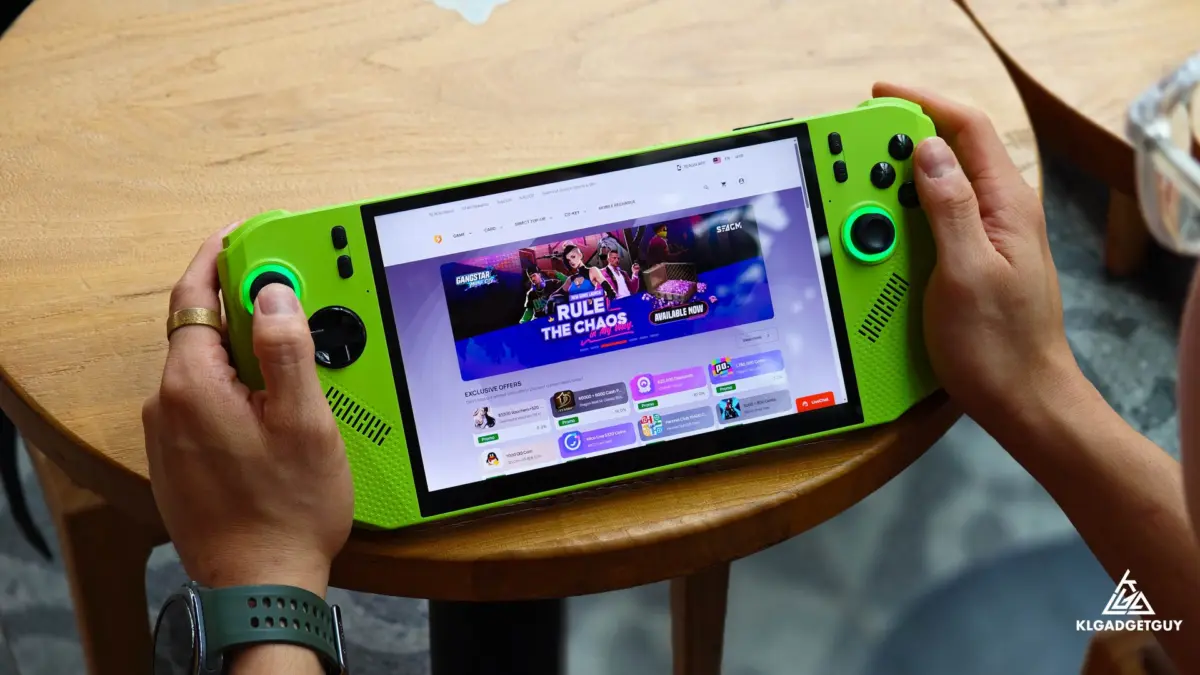
Unboxing a brand-new piece of gaming hardware—whether it is an ultra-slim high-refresh-rate laptop, an ergonomic handheld console, a performance-tuned gaming smartphone, or a next-generation home console—remains one of the most exhilarating experiences in modern technology. The ritual is nearly universal: you unpack the device, plug it into power, connect to Wi-Fi, run the initial system updates, and prepare to dive into your digital library.
However, the modern hardware ecosystem represents only half of the complete interactive entertainment equation. Sleek chassis, cutting-edge processors, and vivid OLED displays are ultimately inert without software. To truly unlock the potential of a new gaming device, players must navigate a complex, highly fragmented labyrinth of game purchases, digital subscriptions, downloadable content (DLC), and, increasingly, live-service in-game currencies.
Historically, acquiring these digital assets meant hopping across dozens of isolated storefronts, creating multiple accounts, linking vulnerable credit cards to various publishers, and constantly contending with regional currency conversions and payment method limitations. Enter the rise of centralized digital marketplaces—most notably exemplified by platforms like SEAGM. By consolidating digital keys, prepaid wallet cards, subscription renewals, and direct in-game top-ups under a single roof, these platforms are quietly revolutionizing how gamers manage their digital economies. This article explores the evolution of digital gaming commerce, the persistent friction points of direct purchasing, the mechanics of cross-platform asset management, and why unified gaming hubs have become essential bookmarks for the modern enthusiast.
Detailed Chronology: The Evolution of Digital Gaming Commerce
To understand the necessity of centralized gaming marketplaces, one must examine how the distribution of games and digital goods has evolved over the past three decades.
The Physical Era and the Birth of Fragmentation (1990s–2000s)
In the era of cartridges and optical discs, commerce was straightforward. You visited a brick-and-mortar retailer, exchanged physical currency for a physical box, and inserted the medium into your console or PC. While physical retail was simple, it was plagued by supply chain bottlenecks, regional lockouts, and limited stock availability.
The Digital Shift and Platform Silos (2003–2010s)
The launch of Valve’s Steam platform in 2003 marked the paradigm shift toward digital distribution. While Steam streamlined PC gaming, it also inaugurated the era of the "walled garden." Soon, every major publisher and platform holder—Sony with the PlayStation Network, Microsoft with Xbox Live, Nintendo with the eShop, and later Epic Games, EA, Ubisoft, and Apple/Google on mobile—established their own proprietary storefronts.
For consumers, this meant that owning hardware across multiple ecosystems required maintaining separate accounts, separate payment credentials, and separate digital balances. Furthermore, regional pricing disparities and restrictive payment gateways often locked out gamers in developing markets from participating fully in the digital economy.
The Rise of Live-Service and the Micro-Transaction Boom (2010s–Present)
The proliferation of free-to-play, live-service, and mobile titles—such as Mobile Legends, PUBG Mobile, Genshin Impact, and Fortnite—exponentially complicated consumer spending. Gamers were no longer just buying full-price software; they were making frequent, micro-transactions for in-game currency, battle passes, and cosmetic upgrades.
Navigating official in-app purchase systems on mobile devices or direct publisher checkouts often exposed users to high transaction fees, cumbersome verification processes, and currency conversion headaches. It was within this climate of extreme fragmentation that alternative digital marketplaces matured. Platforms like SEAGM emerged not to compete with publishers, but to bridge the gaps between disparate ecosystems, offering a streamlined clearinghouse for digital gaming credits, cards, and top-ups.
Supporting Context & Metrics: The Friction Points of Direct Purchasing
While buying directly from official storefronts—such as Steam or the PlayStation Network—seems like the most natural path, empirical data and consumer feedback highlight several friction points that justify the existence of third-party digital intermediaries.
1. Payment Security and Financial Privacy
In an era of recurring cyber threats, data breaches, and digital skimming, consumers are increasingly reluctant to link their primary credit or debit cards to multiple online gaming accounts. Storing financial credentials across five or six different gaming platforms multiplies the attack surface for potential financial fraud.
- The Prepaid Solution: Centralized digital marketplaces enable a prepaid spending model. Gamers can purchase fixed-amount gift cards or wallet credits using secure, localized payment methods, effectively ring-fencing their entertainment budgets and protecting sensitive banking information from exposure across numerous third-party databases.
- Parental Control: For parents purchasing content for children, centralized platforms allow for controlled, fixed-budget spending without handing minors unrestricted access to master credit cards or auto-renewing subscription profiles.
2. Regional Barriers and Payment Localization
Global gaming ecosystems do not always feature localized payment infrastructure. A gamer residing in Southeast Asia, Latin America, or parts of Eastern Europe may find that major international storefronts do not support their preferred local e-wallets, regional banking systems, or alternative payment methods.
- Digital marketplaces specialize in hyper-localized payment integration, supporting dozens of regional e-wallets, carrier billing options, and local currency transactions. This inclusivity bridges the economic divide, allowing millions of players worldwide to participate in the global digital economy.
3. Cross-Platform Convenience
The modern gamer is rarely loyal to a single screen. A typical enthusiast might spend their workday afternoon playing a quick match of PUBG Mobile on their smartphone, transition to a PlayStation 5 console for an immersive narrative title in the evening, and wrap up their night playing indie titles on a Steam Deck or gaming laptop.
- Maintaining balances, subscriptions, and top-ups across these distinct platforms normally requires jumping between multiple apps, websites, and verification steps. By consolidating Steam Wallet credits, Nintendo eShop prepaid cards, PlayStation Network codes, and mobile game direct top-ups into a single checkout cart, platforms like SEAGM eliminate administrative fatigue.
Official Industry Perspectives and Consumer Strategies
Navigating digital marketplaces effectively requires a balanced understanding of how official publishers and third-party vendors interact. Industry analysts emphasize that platforms like SEAGM function as authorized distributors and complementary gateways rather than replacements for official ecosystems.
Promotional Value and Coupon Ecosystems
One of the distinct advantages highlighted by frequent digital shoppers is the presence of value-added incentives. While official storefronts run seasonal sales (such as the legendary Steam Summer or Winter Sales), third-party digital platforms frequently layer additional cost-saving mechanisms on top of existing discounts.
- Dynamic Coupon Drops: Platforms like SEAGM routinely introduce localized coupon centers, promotional discount codes, and loyalty reward programs. For budget-conscious gamers, cross-referencing prices between official stores and authorized key retailers can yield notable savings over the course of a year.
The Mobile Gaming Advantage
Nowhere is the utility of centralized top-up platforms more pronounced than in the mobile gaming sector. Live-service titles on iOS and Android frequently utilize complex in-game currencies (such as Mobile Legends Diamonds or PUBG Mobile UC).
- Directly topping up via mobile app stores often incurs high platform commissions and rigid payment restrictions. Utilizing direct ID-based top-up services on specialized platforms allows users to input their player credentials and instantly credit their accounts securely, often with access to promotional bonuses or regional pricing efficiencies.
Crucial Consumer Advisory: Industry experts always remind digital consumers to exercise due diligence. When purchasing digital codes, game keys, or direct top-ups, users must carefully verify account region compatibility, denomination accuracy, and redemption instructions to ensure seamless integration with their primary gaming profiles.
Future Outlook: The Trajectory of Digital Gaming Economies
As the interactive entertainment industry marches toward an increasingly digital-first—and eventually cloud-dominant—future, the architecture of consumer transactions will continue to evolve. Several key trends are expected to shape the digital gaming marketplace in the coming years:
1. The Consolidation of Cross-Media Subscriptions
With the proliferation of multi-tier subscription services (such as Xbox Game Pass, PlayStation Plus, and publisher-specific vaults), managing recurring digital commitments will become more complex. Centralized platforms are expected to adapt by offering simplified subscription renewal keys and bundled digital passes across competing ecosystems.
2. Enhanced Web3 and Micro-Transaction Integration
As in-game economies become more intricate—incorporating player-driven marketplaces, digital collectibles, and cross-game assets—the demand for frictionless, secure currency exchange will surge. Platforms that successfully streamline micro-transactions while maintaining robust fraud prevention will capture an increasingly large share of the digital commerce pie.
3. Hyper-Personalization and Instant Delivery
The expectation of instant gratification governs modern consumer behavior. Digital code delivery systems are moving toward near-instantaneous automated fulfillment, backed by AI-driven recommendation engines that suggest relevant DLC, expansion packs, or matching currency bundles based on a user’s library and play history.
Conclusion
Gaming hardware will continue to evolve at a breakneck pace, delivering higher frame rates, more immersive ray-tracing, and unprecedented portability. Yet, the finest gaming laptop, handheld console, or flagship smartphone remains incomplete without the digital content that brings it to life.
While official storefronts like Steam, PlayStation, and mobile app ecosystems remain the foundational pillars of software distribution, third-party digital hubs fulfill a vital complementary role. By solving the persistent pain points of fragmented payment systems, regional restrictions, security concerns, and cross-platform management, platforms like SEAGM have established themselves as indispensable tools for the contemporary gamer.
For enthusiasts looking to optimize their digital spending, protect their financial privacy, and manage multi-platform libraries with maximum efficiency, adding a trusted digital marketplace to their browser bookmarks is a minor step that yields major convenience. Once your new gaming hardware is unboxed, updated, and ready for action, having a streamlined gateway to your favorite digital worlds ensures that the transition from setup to gameplay is completely friction-free.




Belum ada komentar. Jadilah yang pertama berkomentar!